中 文
中 文
What is CAD CAM Used for in Dentistry?
2025-10-09
2026-01-29
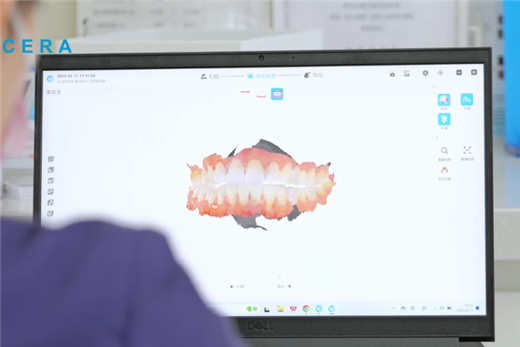
Digital dentistry continues to advance rapidly, with desktop scanners—also known as lab or extraoral scanners—serving as essential tools in dental laboratories. High-speed desktop scanners digitize gypsum models, impressions, dies, and articulators quickly while maintaining exceptional accuracy, enabling efficient CAD/CAM design and fabrication of restorations. In Eastern Europe, including Poland, Hungary, Romania, and the Czech Republic, adoption of these scanners grows due to expanding private dental sectors, dental tourism, and the need for competitive turnaround times without sacrificing quality.
The broader European dental 3D scanner market supports this trend, with projections indicating steady growth driven by digital workflows. Eastern Europe's position benefits from EU standards, increasing investments in private clinics, and cross-border patient flows seeking affordable, high-quality prosthetics. Labs in the region handle rising volumes from restorative, implant, and orthodontic cases, making the balance between scanning speed and precision critical for productivity and clinical success.
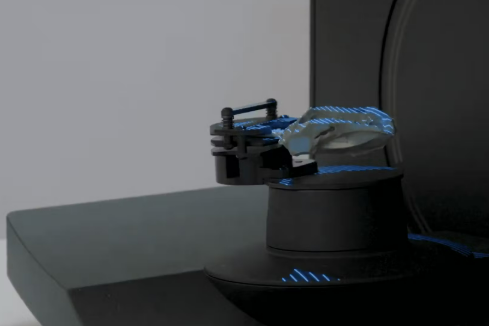
High-speed desktop scanners employ advanced optical technologies, such as structured light projection or multi-camera systems, combined with high-resolution sensors and optimized software algorithms. These enable full-arch model scans in as little as 9-32 seconds, depending on configuration, while achieving ISO 12836-documented accuracies of 4-15 microns—often in the 5-10 micron range for premium models.
Speed gains come from faster capture rates (thousands of frames per second), automated multi-die scanning, and efficient processing that minimizes operator intervention. Precision remains high through features like texture capture, color mapping, and accurate articulation scanning, ensuring reliable marginal fits, occlusion, and aesthetics in final restorations.
In lab settings, these scanners outperform slower traditional methods or older desktop units, reducing digitization bottlenecks. Studies confirm that modern lab scanners deliver consistent trueness and precision, often surpassing or equaling intraoral alternatives for model-based workflows, particularly in complex full-arch or implant cases.
Eastern European labs value this balance: rapid scans support high-volume processing for tourism-driven demand, while micron-level accuracy aligns with EU MDR compliance and expectations for durable zirconia or ceramic prosthetics.
The core advantage lies in optimizing lab efficiency without compromising restoration quality.
Data from dental technology evaluations show that scanners achieving sub-10-micron accuracy with fast cycles support predictable outcomes, vital for implant-supported bridges or esthetic veneers popular in the region.
Eastern Europe experiences accelerating digital adoption, fueled by private clinic investments, EU funding for healthcare modernization, and dental tourism growth. Countries like Hungary and Poland lead, with Budapest and Krakow labs upgrading to handle international cases requiring quick, precise prosthetics.
The region's contribution to Europe's digital dentistry expansion includes rising use of lab scanners alongside intraoral tools. Market insights indicate Eastern and Central Europe grow through private sector focus on efficiency, with CAD/CAM driving 40% of restorative procedures in key nations.
High-speed desktop scanners appeal due to affordability relative to full chairside systems and strong ROI from volume processing. Labs in Romania and the Czech Republic adopt them to compete, supporting hybrid models where speed meets regulatory precision demands under MDR.
Challenges include initial investment and training, but user-friendly interfaces and open STL exports ease integration. As costs decline and features advance, smaller labs in rural areas join the shift.
Integration follows a streamlined process:
This yields high-fidelity files for zirconia sintering or other fabrication, with minimal errors.
In Eastern Europe, labs emphasize scanners with multi-die capabilities and impression scanning for versatility, ensuring speed without precision trade-offs.
Advancements promise even better balance: AI-assisted alignment, faster processors, and enhanced resolution push speeds lower while accuracies approach 4 microns or better. Integration with cloud platforms and automated quality checks will further streamline operations.
In Eastern Europe, sustained economic growth, tourism recovery, and EU digital health initiatives will drive continued adoption. By 2030, a majority of labs may feature high-speed desktop scanners, supporting efficient, precise digital dentistry across the region.
High-speed desktop scanners represent a key evolution for Eastern European dental labs, effectively balancing rapid digitization with the precision required for quality restorations. In Poland, Hungary, Romania, the Czech Republic, and neighboring countries, their adoption enhances competitiveness, supports tourism, and improves patient outcomes through faster, more accurate workflows. As technology progresses, these tools will remain central to the region's digital dentistry transformation, delivering efficiency and excellence in equal measure.

Dry & wet milling for zirconia, PMMA, wax with auto tool changer.
learn more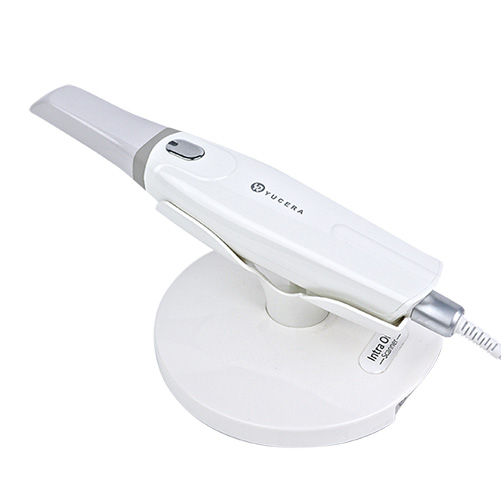
High-precision 3D scanning, AI calibration, full-arch accuracy.
learn more
40-min full sintering with 57% incisal translucency and 1050 MPa strength.
learn more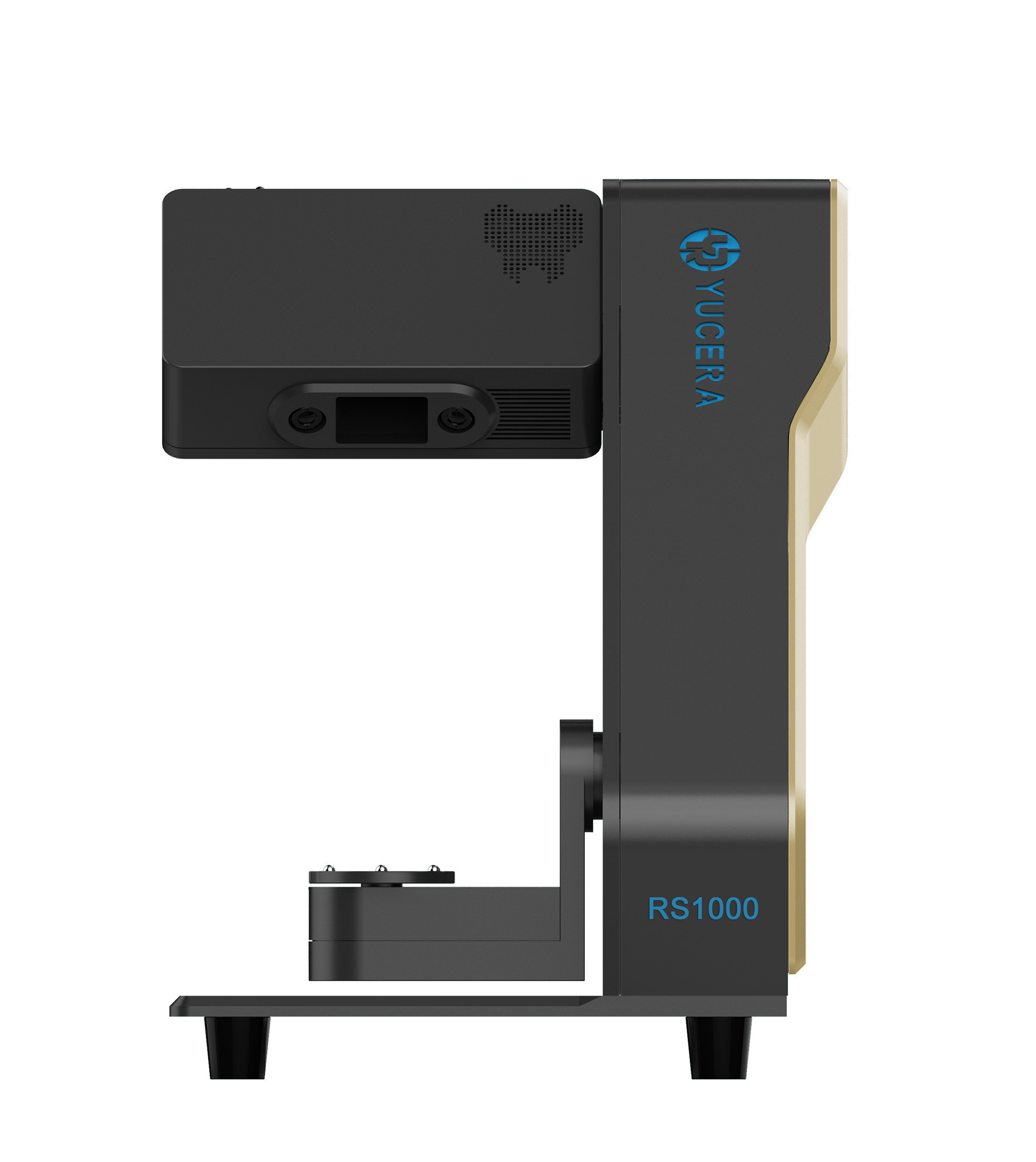
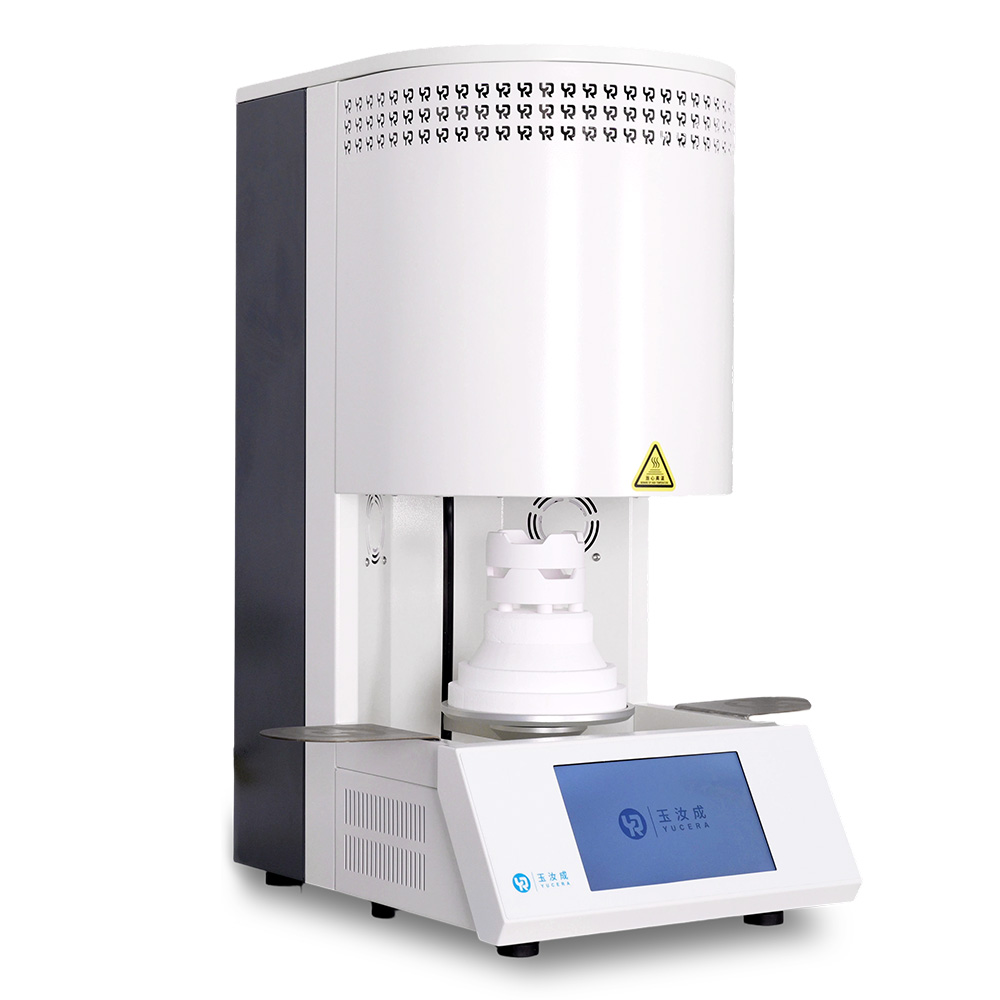
40-min cycle for 60 crowns, dual-layer crucible and 200°C/min heating.
learn more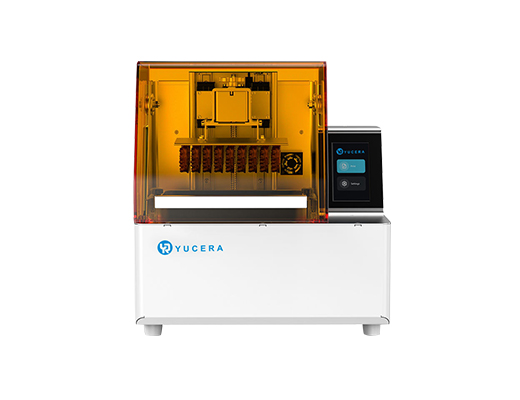
High-speed LCD printer for guides, temporaries, models with 8K resolution.
learn more