


 中 文
中 文
Wireless Intraoral Scanner Advancements: Speed and Precision 2025
2025-10-04
2026-01-06
As environmental awareness grows globally, dentistry in Brazil is shifting toward sustainable practices. The country's dental devices market, valued at approximately USD 255 million in 2025 and projected to reach USD 497 million by 2034 at a CAGR of 7.7%, increasingly integrates digital technologies like CAD/CAM (Computer-Aided Design/Computer-Aided Manufacturing). These systems enable precise, efficient restorations while significantly lowering material waste, energy use, and overall ecological impact.
In urban centers like São Paulo and Rio de Janeiro, where aesthetic and restorative demands are high, private clinics adopt CAD/CAM to align with patient expectations for eco-conscious care. Digital workflows—combining intraoral scanners, CAD design software, and in-clinic or lab milling—replace traditional analog methods, reducing the environmental footprint across the dental supply chain.
Conventional dental workflows generate substantial waste. Traditional impressions require disposable trays, alginate or silicone materials, disinfectants, and plaster models for casting. These single-use items contribute to plastic and biomedical waste, with dentistry producing notable amounts of non-recyclable materials. Prosthodontic procedures, involving polymers, ceramics, metals, gypsum, and wax, often use materials in excess, leading to higher landfill contributions and carbon emissions from production, transport, and disposal.
In Brazil, where healthcare waste management follows national regulations (e.g., CONAMA Resolution No. 358 for sanitary waste), improper handling in some areas exacerbates pollution. Global estimates show dental practices contribute to plastic waste (around 34% of solid waste) and other pollutants, with subtractive processes in prosthetics generating microplastics and excess debris.
CAD/CAM technology transforms restorative dentistry by enabling subtractive (milling) or additive (3D printing) fabrication with optimized resource use.
Material Waste Reduction Digital impressions eliminate physical molds, trays, and impression materials, drastically cutting disposable waste. Intraoral scanners capture precise 3D data directly, sending files digitally to milling units or labs—no plaster models or shipping required.
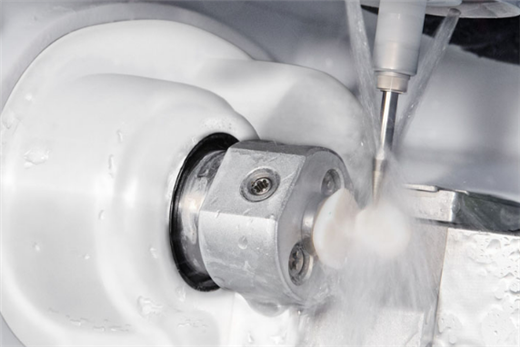
In milling zirconia or other ceramics, advanced nesting software maximizes block/disc utilization, achieving 80-90% material efficiency compared to 50-60% in manual setups. Studies indicate digital workflows reduce overall material waste by up to 50% compared to traditional labs. For zirconia specifically, subtractive CAD/CAM generates powdered residues (around 30% per restoration), but optimized designs and recycling efforts minimize net loss. Clinics report 25-41% waste reduction in supply chains through precise digital planning.
Lower Carbon Emissions and Energy Efficiency Digital processes shorten chair time, reduce appointments, and eliminate provisional restorations, lowering energy consumption. Fully digital workflows cut emissions by up to 48% versus traditional methods, with benefits from reduced travel (via teledentistry integration) and paperless records (eliminating thousands of sheets annually per clinic).
In Brazil's growing digital dentistry sector, CAD/CAM supports minimally invasive procedures, further decreasing material needs and energy for repeated treatments.
Other Eco-Friendly Advantages
Brazilian clinics in major cities increasingly adopt these systems, driven by aesthetic demands and environmental regulations favoring low-waste, biocompatible options. The expansion of digital dentistry in Latin America, including Brazil, emphasizes sustainability through eco-friendly materials and efficient technologies.
Urban Brazilian practices lead adoption, with CAD/CAM enabling same-day restorations and smile designs. Events like CIOSP showcase green innovations, and regulations encourage waste minimization. While challenges like initial costs persist, financing and ROI from higher throughput make it viable for mid-sized clinics.
Patient preference for sustainable providers grows, aligning with global trends where eco-conscious care boosts loyalty.
In 2026, Brazilian digital dental clinics harness CAD/CAM to pioneer green dentistry. By slashing material waste (up to 50%), minimizing emissions (up to 48% reduction), and streamlining workflows, these technologies lower the sector's environmental footprint while delivering superior precision and aesthetics.
As Brazil's digital dentistry market expands, sustainable CAD/CAM adoption positions the country as a leader in eco-friendly oral healthcare in Latin America, benefiting patients, practitioners, and the planet.

Dry & wet milling for zirconia, PMMA, wax with auto tool changer.
learn more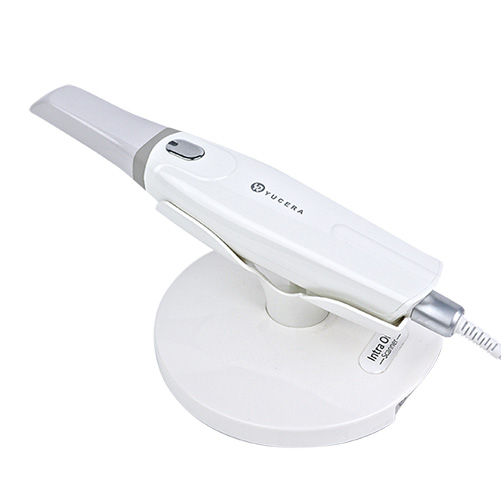
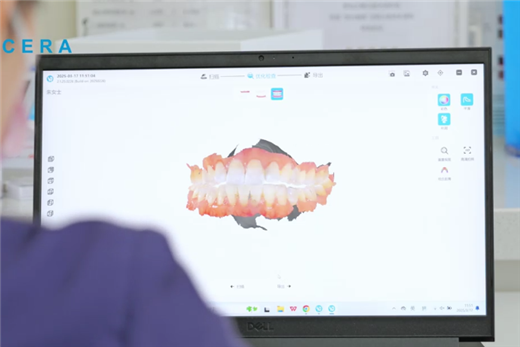
High-precision 3D scanning, AI calibration, full-arch accuracy.
learn more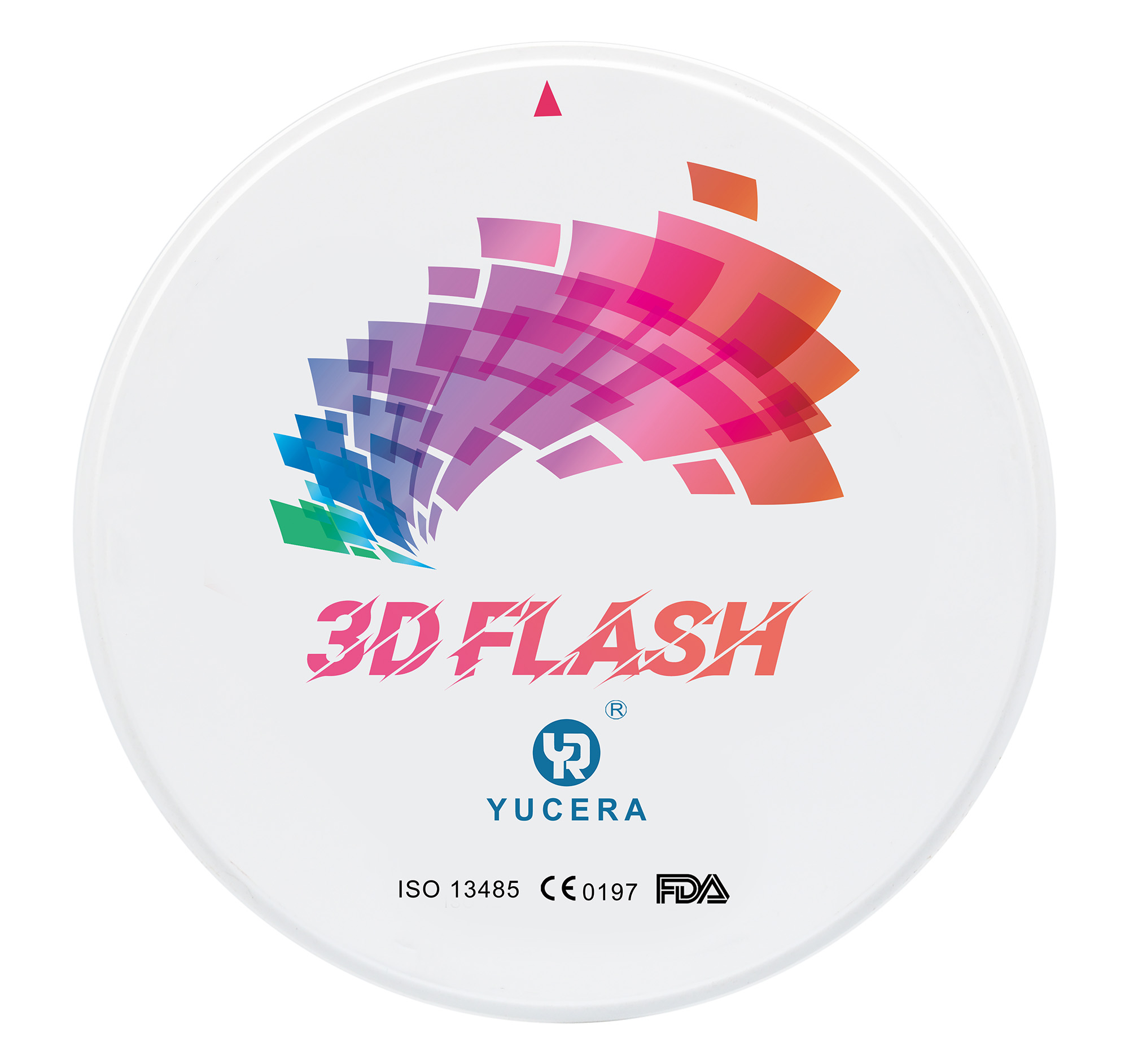
40-min full sintering with 57% incisal translucency and 1050 MPa strength.
learn more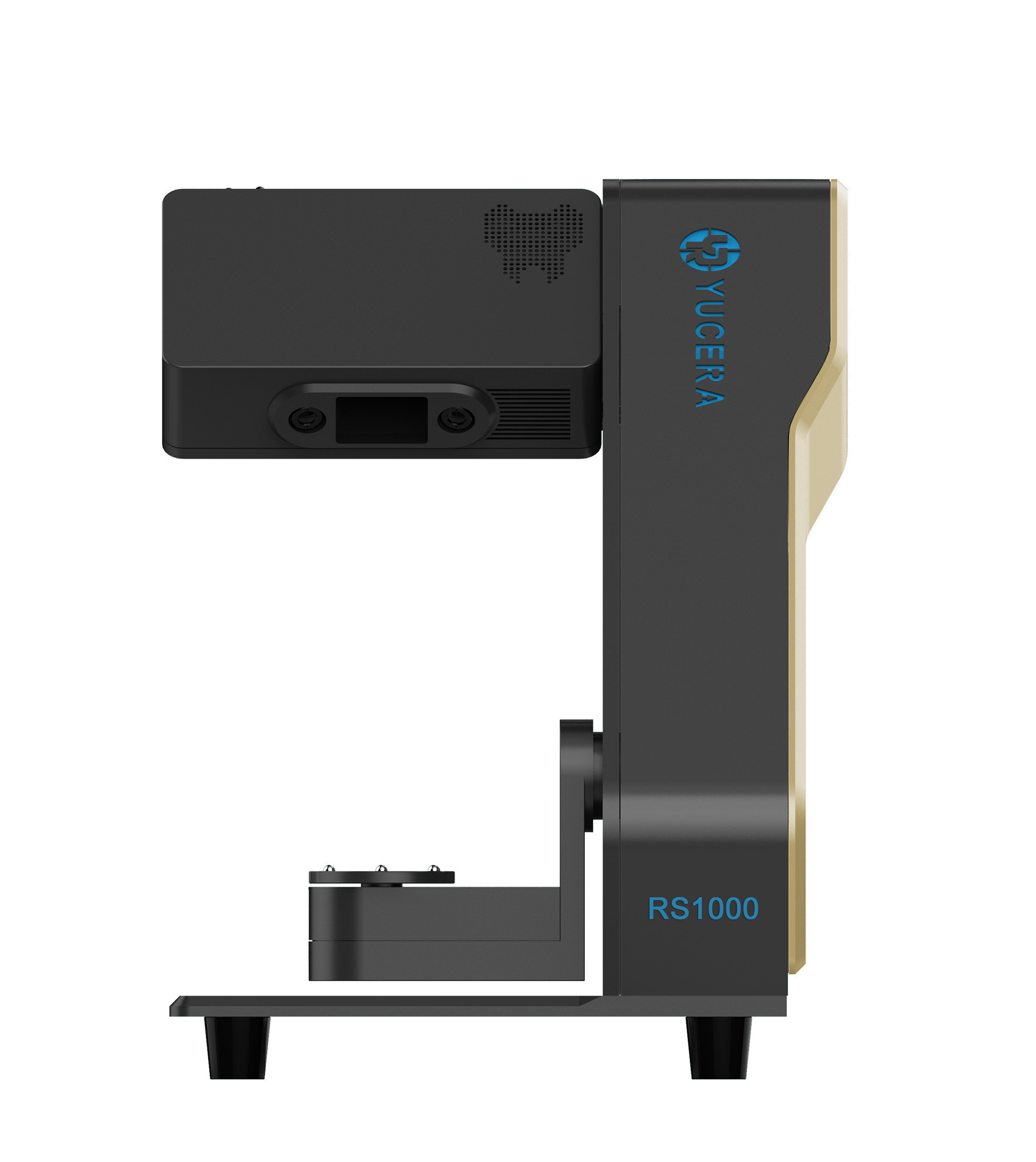
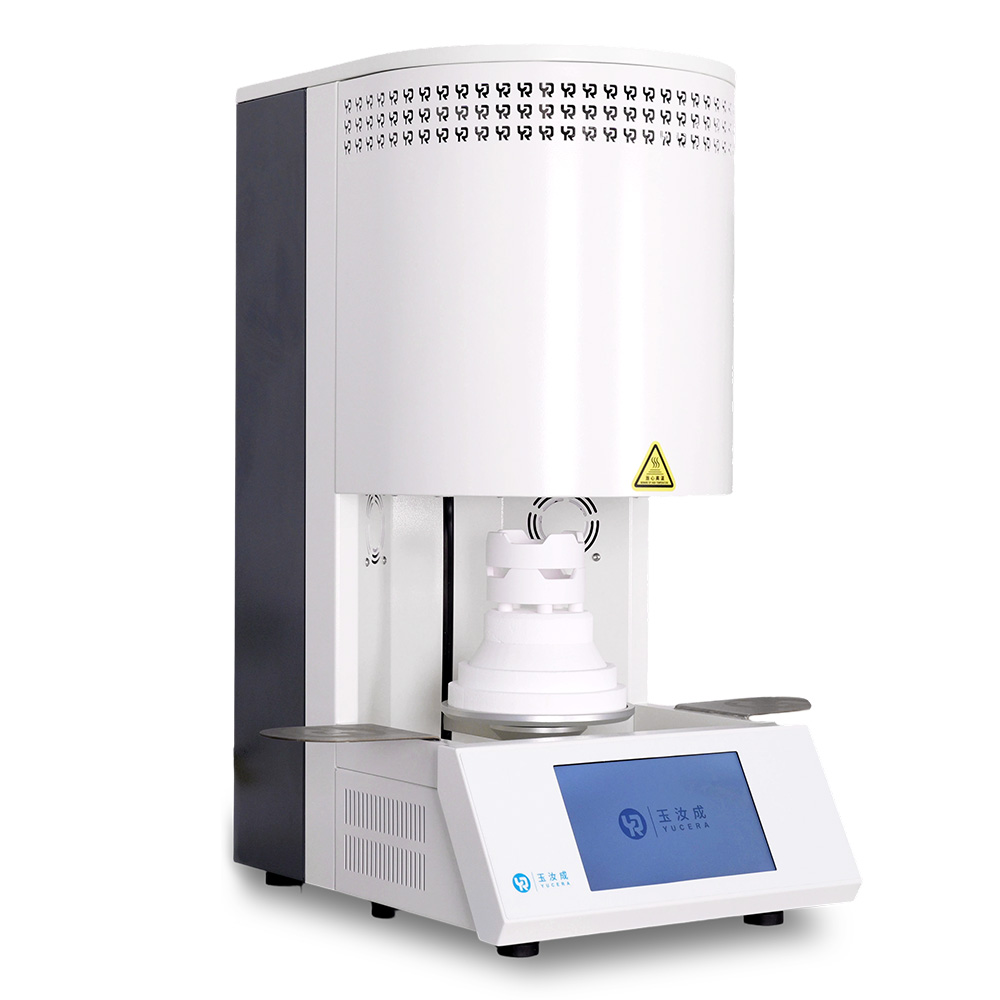
40-min cycle for 60 crowns, dual-layer crucible and 200°C/min heating.
learn more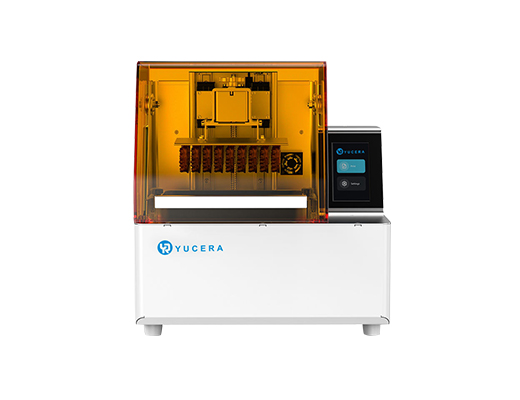
High-speed LCD printer for guides, temporaries, models with 8K resolution.
learn more


2025-10-04
2026-02-02
2026-01-14


