中 文
中 文

Eastern European Dental Labs: Best Practices for Zirconia Milling with CAD/CAM Systems 2026 – Poland, Hungary, Romania
2026-02-10
2026-06-24
Dental education is undergoing one of the most significant transformations in its history. For decades, dental training relied heavily on manual techniques, physical impressions, and direct clinical observation. Today, however, the integration of digital technologies is reshaping how future dentists learn, practice, and think.
From digital scanning and computer-aided design to virtual simulations and artificial intelligence, modern dental education is shifting toward a fully digital workflow. This evolution is not just improving efficiency—it is fundamentally changing the skills required to become a successful dentist.
Traditionally, dental students learned through a combination of lectures, mannequin-based practice, and supervised patient treatment. While effective, this system had limitations such as inconsistent case exposure and limited repetition opportunities.
Today, digital dentistry introduces a more standardized and data-driven learning environment. Students can now interact with:
This shift allows learners to repeatedly practice procedures in a controlled digital space before moving to real patients.
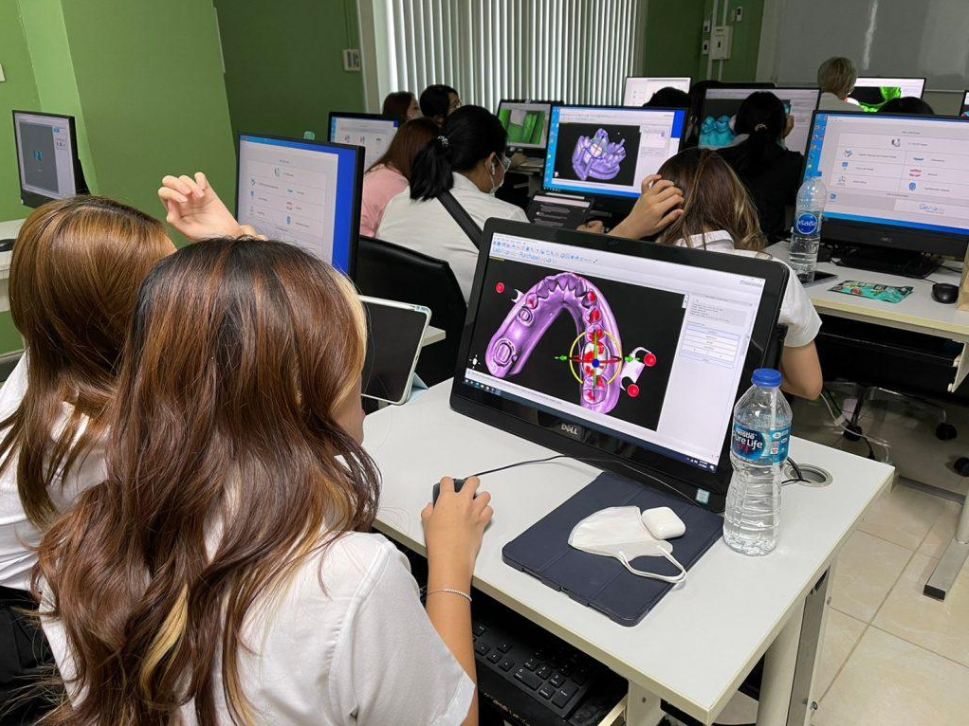
One of the most important innovations shaping modern dental education is Computer-Aided Design and Computer-Aided Manufacturing (CAD/CAM).
CAD/CAM systems allow students to:
Instead of relying solely on manual wax-up techniques, students now gain experience in digital restoration design. This not only improves precision but also aligns education with real-world clinical workflows used in modern dental laboratories and clinics.
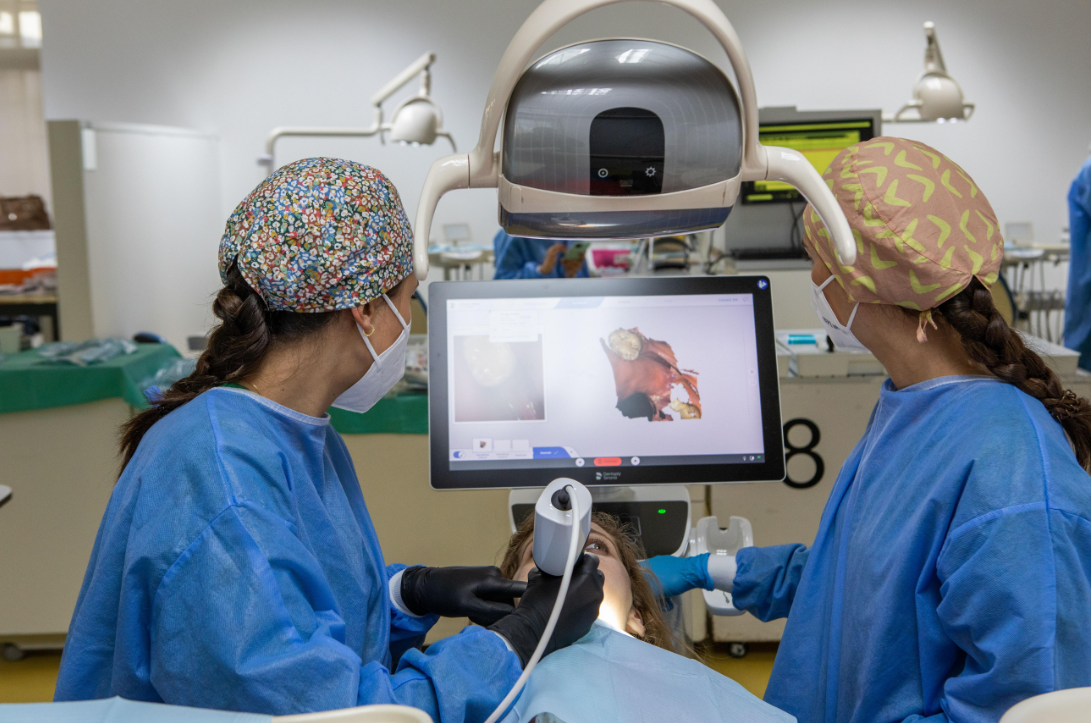
Digital scanning technologies, including intraoral scanners and CBCT imaging, are becoming essential tools in dental schools.
These technologies allow students to:
Compared to traditional impressions, digital scanning improves accuracy and reduces material variability, giving students more reliable learning outcomes.
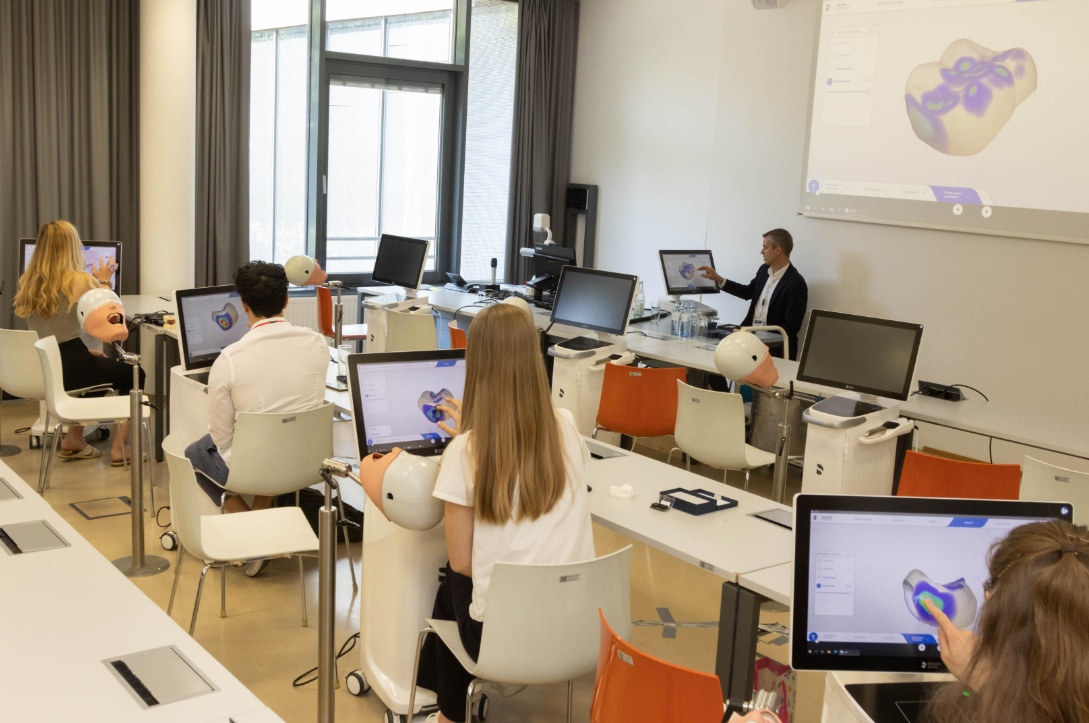
Virtual reality (VR) and simulation systems are becoming increasingly important in dental education.
With VR training environments, students can:
This reduces the dependency on early-stage patient exposure while still building confidence and technical skill. It also allows unlimited repetition, which is critical for mastering complex procedures.
Artificial intelligence is beginning to play a role in dental education by enhancing both diagnosis and learning feedback systems.
AI applications in education include:
AI helps educators identify student weaknesses more efficiently and provides a more objective evaluation system compared to traditional assessment methods.
Perhaps the most important change in dental education is not just technology—it is workflow thinking.
Modern dentistry requires understanding the full digital process:
Students are now trained to think in systems rather than isolated procedures. This shift prepares them for real-world dental environments where digital workflows are standard.
Despite its advantages, digital transformation also introduces challenges:
However, as technology becomes more accessible, these barriers are gradually decreasing.
The future of dental education is expected to become even more integrated with digital systems. Emerging trends include:
Ultimately, the goal is to produce dentists who are not only clinically skilled but also digitally fluent.
Digital technology is no longer an optional addition to dental education—it is becoming its foundation. As CAD/CAM systems, digital scanning, and AI tools continue to evolve, the next generation of dentists will be trained in an environment that is faster, more precise, and more data-driven than ever before.
The transformation of dental education reflects a broader shift in healthcare: one that combines human expertise with digital intelligence to deliver better patient outcomes.

Dry & wet milling for zirconia, PMMA, wax with auto tool changer.
learn more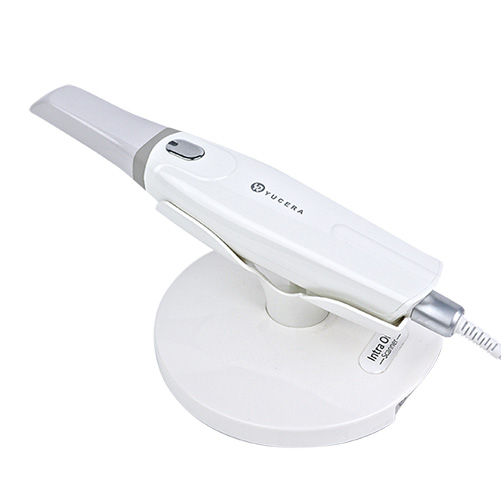
High-precision 3D scanning, AI calibration, full-arch accuracy.
learn more
40-min full sintering with 57% incisal translucency and 1050 MPa strength.
learn more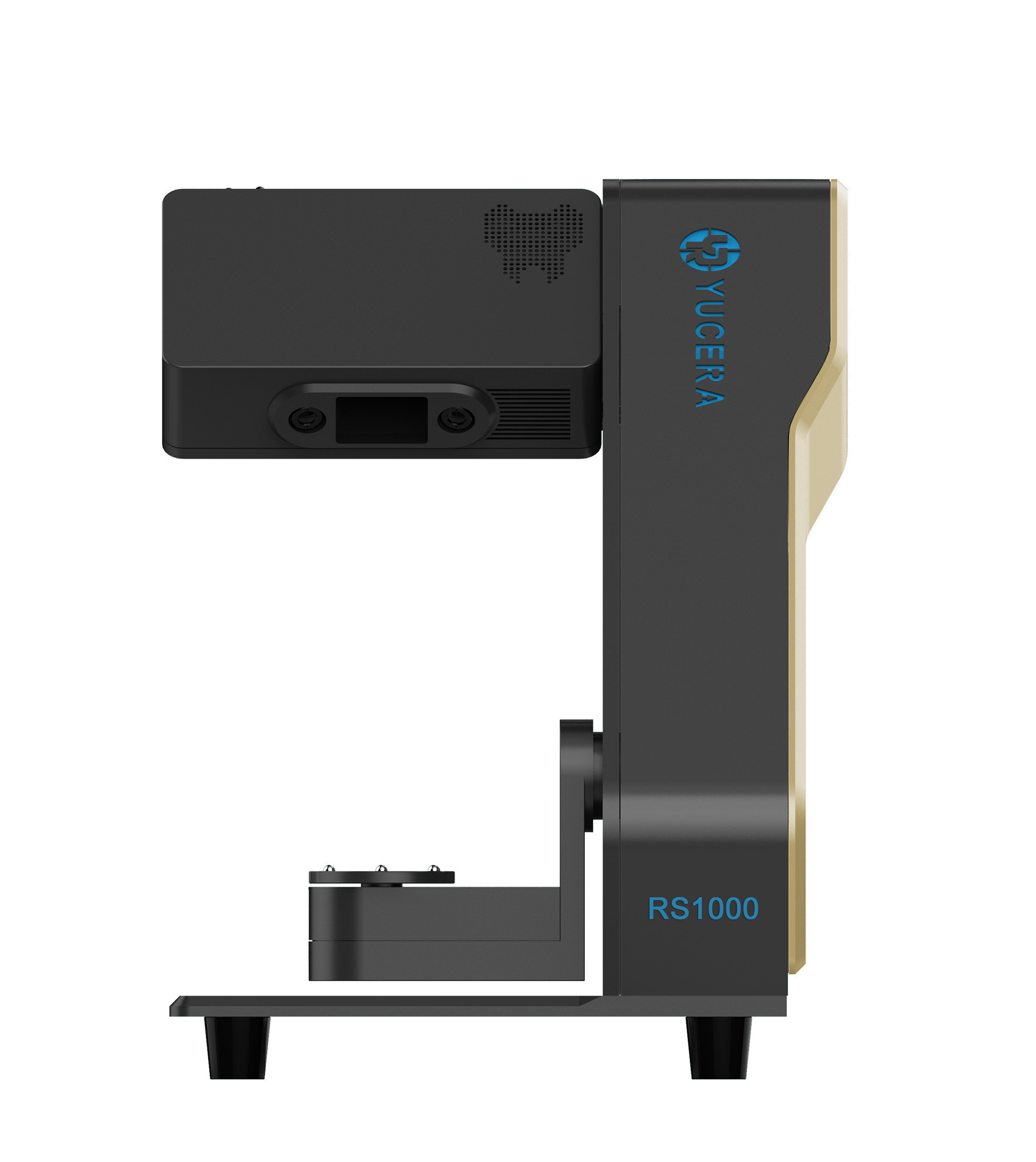
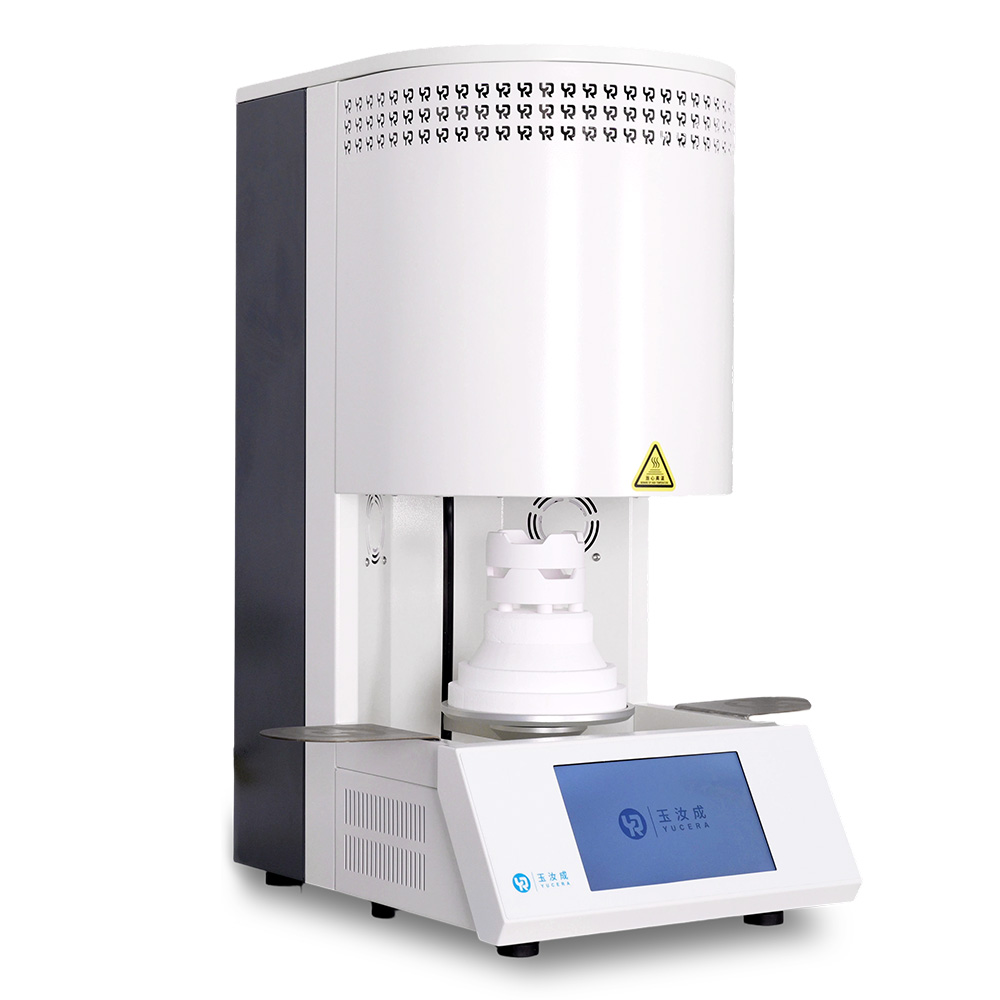
40-min cycle for 60 crowns, dual-layer crucible and 200°C/min heating.
learn more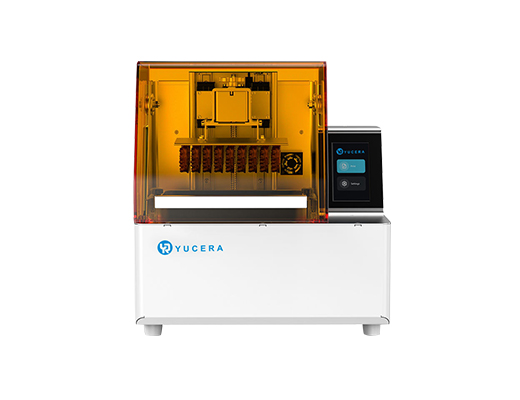
High-speed LCD printer for guides, temporaries, models with 8K resolution.
learn more