


 中 文
中 文

Beginner's Guide to Intraoral Scanners in 2025: Accuracy Tips, Buying Factors, and Setup for First-Time Users
2025-11-27
2026-07-22
Digital dentistry has significantly changed the way dental restorations are designed and manufactured. With the integration of intraoral scanners, CAD software, and dental milling machines, laboratories can now produce highly precise restorations with improved efficiency.
However, as CAD/CAM workflows continue to accelerate, traditional zirconia processing methods have become a potential bottleneck. The sintering stage, which is essential for achieving the final strength and density of zirconia, often requires several hours depending on the material and workflow.
To meet the growing demand for faster production, fast sintering zirconia blocks have emerged as an important innovation in modern dental materials.
By optimizing zirconia composition, powder processing technology, and sintering protocols, rapid sintering zirconia enables dental laboratories to shorten production cycles while maintaining the balance between mechanical strength, translucency, and aesthetic performance.
Fast sintering zirconia blocks are advanced zirconia materials designed to achieve full densification within a significantly shorter sintering cycle compared with conventional zirconia.
During sintering, zirconia particles undergo controlled densification under high temperature, transforming the milled pre-sintered restoration into a final restoration with required mechanical properties.
A high-quality fast sintering zirconia block must achieve three key objectives:
The material should support shorter sintering cycles without affecting dimensional accuracy or structural stability.
The zirconia must maintain sufficient flexural strength to withstand functional loading, especially in posterior restorations.
The material should provide suitable translucency and color gradients to achieve natural-looking restorations.
Therefore, fast sintering technology is not simply about reducing time. It represents a balance between speed, strength, and aesthetics.
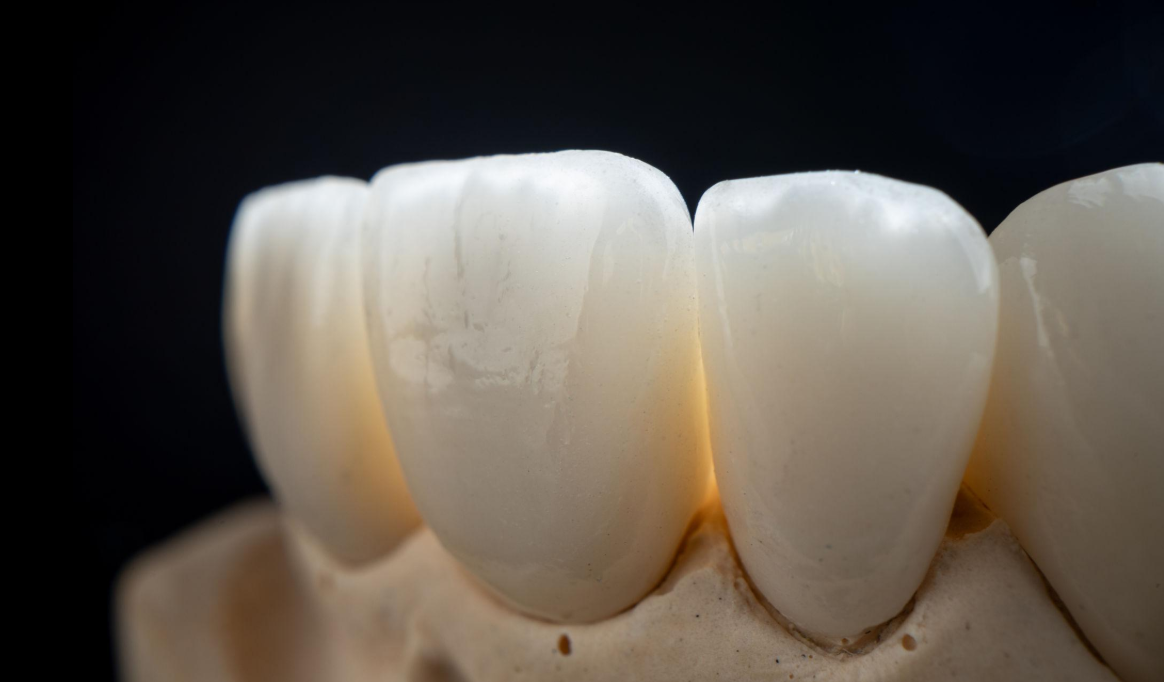
In a modern CAD/CAM workflow, every step affects overall production efficiency:
Digital Scanning
↓
CAD Design
↓
Milling
↓
Sintering
↓
Finishing and Adjustment
Although scanning and milling technologies have become increasingly efficient, sintering remains one of the most time-consuming stages.
Fast sintering zirconia helps reduce this waiting period, allowing laboratories to:
For laboratories handling increasing digital restoration demands, rapid sintering technology provides an effective solution for improving operational efficiency.
Choosing the right zirconia block requires more consideration than simply selecting the shortest sintering time. Dental laboratories should evaluate several important factors.
The first consideration is whether the zirconia block matches the laboratory’s production requirements.
A fast sintering zirconia block should provide:
For example, Yucera 3D Flash Zirconia Block is designed with a rapid sintering workflow, enabling full sintering of restorations in approximately 40 minutes under suitable sintering conditions.
This helps dental laboratories achieve faster restoration turnaround while maintaining consistent material performance.
A common misunderstanding is that faster sintering may reduce zirconia strength.
In reality, advanced zirconia materials are engineered to maintain mechanical performance through optimized material structure and manufacturing processes.
When selecting a fast sintering zirconia block, laboratories should consider:
Yucera 3D Flash Zirconia provides a strength gradient ranging from approximately 700 MPa to 1050 MPa, balancing aesthetic requirements and functional durability.
This makes it suitable for different clinical applications, including:
Modern zirconia restorations require more than strength. Natural aesthetics have become increasingly important, especially for anterior restorations.
Multilayer zirconia technology creates gradual transitions in:
Similar to natural teeth, different areas of a restoration require different optical characteristics.
The incisal region requires higher translucency for a natural appearance, while the cervical region requires higher strength and color stability.
Yucera 3D Flash Zirconia features a 6-layer gradient structure with translucency transitioning approximately from 57% to 46%, helping create smoother aesthetic transitions.
Another important factor is whether the zirconia block supports different restoration types.
A versatile zirconia material can help laboratories simplify inventory management and improve production flexibility.
Fast sintering zirconia blocks can be used for:
Selecting a zirconia block with broader indications allows laboratories to adapt to different clinical requirements.
For dental laboratories, material consistency is critical.
A reliable zirconia block should provide:
These factors directly influence restoration quality and reduce adjustment time during production.
Traditional zirconia workflow:
↓
↓
↓
Fast sintering zirconia workflow:
↓
↓
By reducing processing time and simplifying production steps, fast sintering zirconia helps laboratories build a more efficient digital workflow.
The development of fast sintering zirconia reflects a larger trend in digital dentistry:
Higher efficiency + Better aesthetics + Simplified workflows
Future dental laboratories will increasingly focus on:
Fast sintering zirconia blocks are becoming an important component of this transformation by connecting advanced materials with efficient CAD/CAM systems.
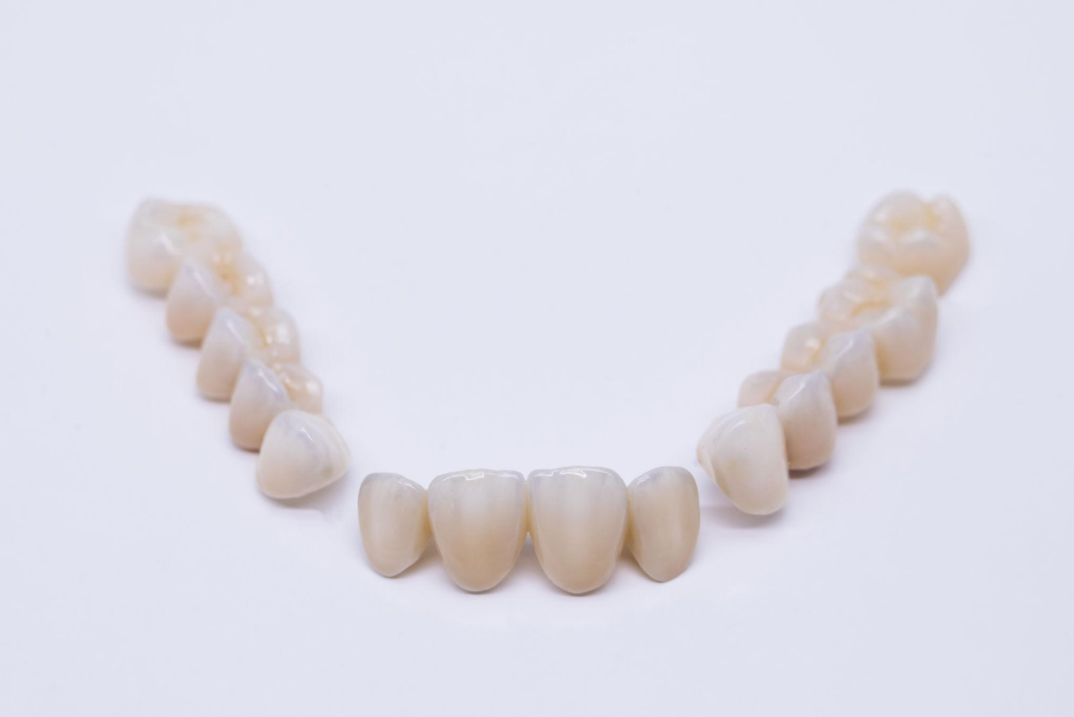
When selecting a fast sintering zirconia block, dental laboratories should evaluate more than just processing speed.
The ideal material should provide:
✔ Efficient sintering performance
✔ Reliable mechanical strength
✔ Natural translucency
✔ Multilayer aesthetic design
✔ Broad restoration applications
✔ Stable CAD/CAM workflow compatibility
Yucera 3D Flash Zirconia Block combines rapid sintering capability, multilayer gradient technology, and balanced mechanical properties to support modern digital dental workflows.
As digital dentistry continues to evolve, fast sintering zirconia will play an increasingly important role in helping laboratories achieve higher efficiency without compromising restoration quality.

Dry & wet milling for zirconia, PMMA, wax with auto tool changer.
learn more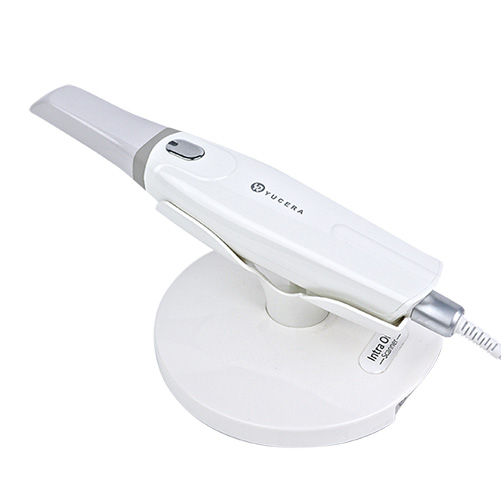
High-precision 3D scanning, AI calibration, full-arch accuracy.
learn more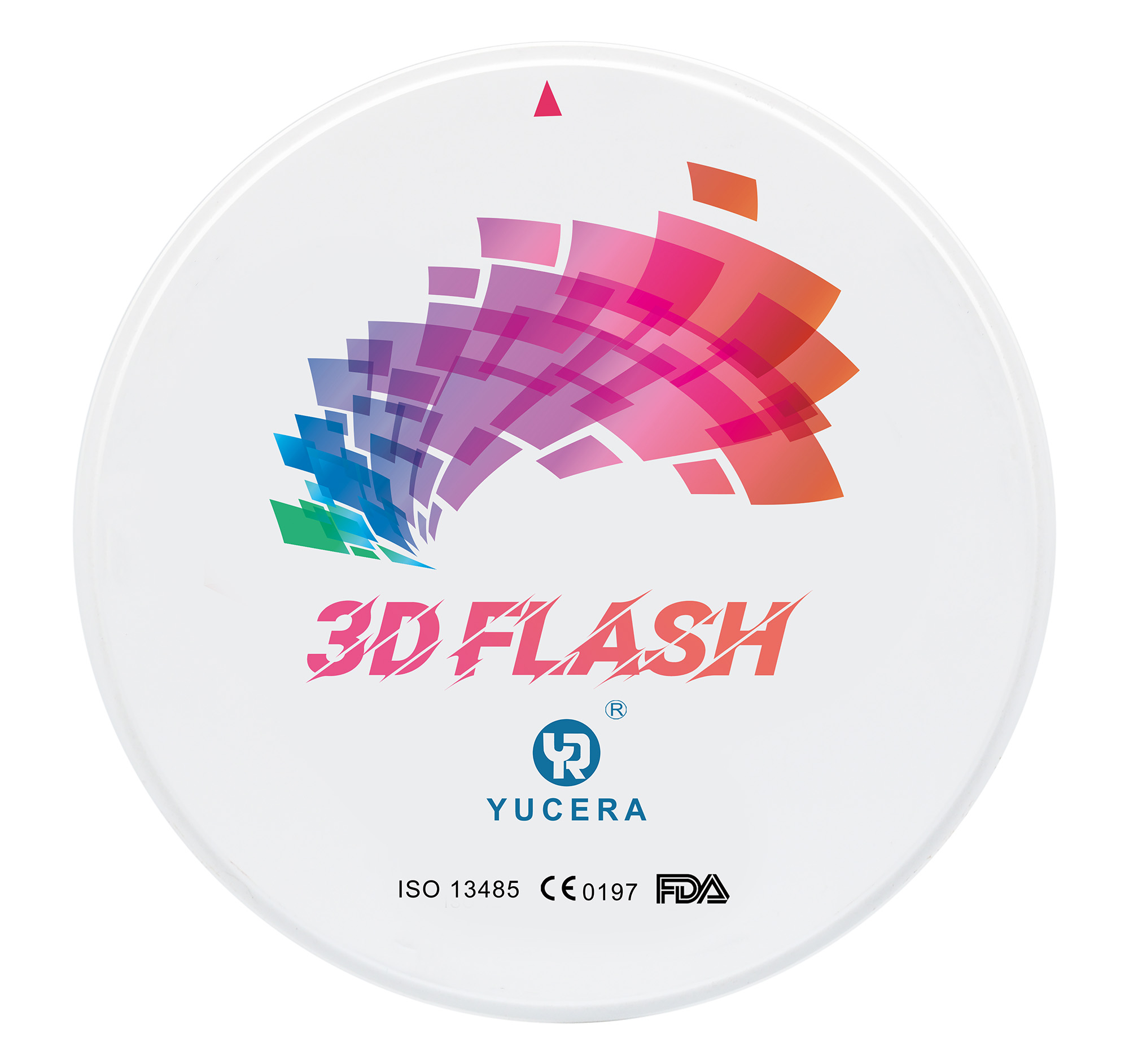
40-min full sintering with 57% incisal translucency and 1050 MPa strength.
learn more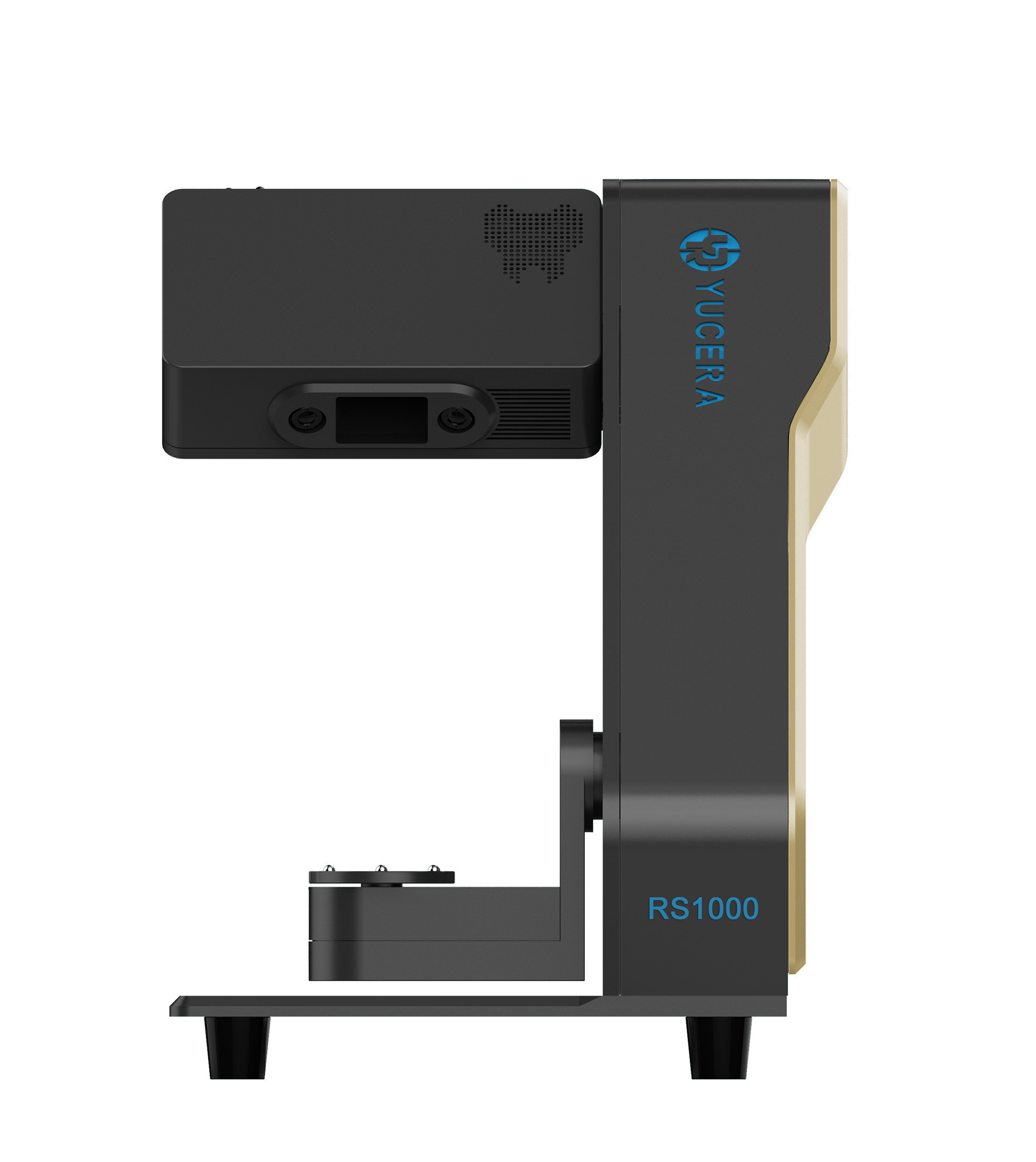
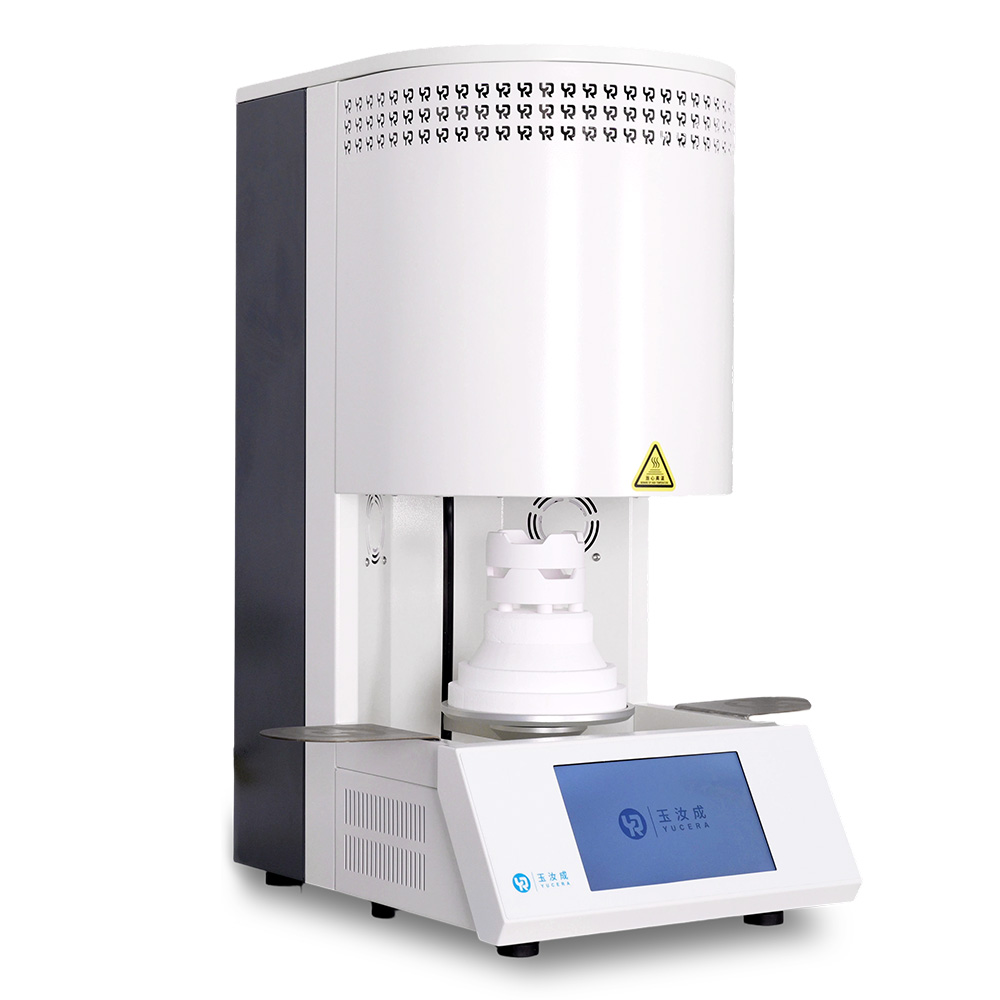
40-min cycle for 60 crowns, dual-layer crucible and 200°C/min heating.
learn more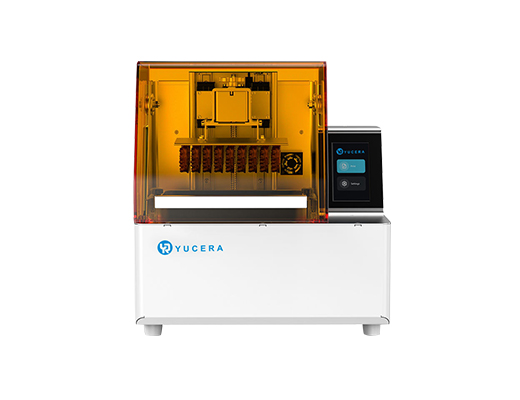
High-speed LCD printer for guides, temporaries, models with 8K resolution.
learn more


