中 文
中 文

How to become a Dental Technician ?
2024-10-13
2026-07-18
Few innovations have had a greater impact on digital dentistry than pre-sintered zirconia.
Today, millions of crowns, bridges, implant restorations, and full-arch prostheses are milled from pre-sintered zirconia discs before undergoing high-temperature sintering. This manufacturing approach has become the global standard for producing high-strength ceramic restorations with exceptional precision.
However, zirconia was not always processed this way. Early fully sintered zirconia was extremely difficult to machine because of its hardness, making manufacturing slow, costly, and inefficient.
The introduction of pre-sintered zirconia fundamentally changed this workflow, enabling fast milling, predictable shrinkage compensation, and highly accurate restorations.
This article explores how pre-sintered zirconia evolved and why it became the foundation of modern CAD/CAM dentistry.
Zirconium dioxide (zirconia) was first identified as a ceramic material in the nineteenth century and was later adopted in industrial applications because of its exceptional strength, wear resistance, and thermal stability.
For many years, however, zirconia was not considered suitable for routine dental restorations. Fully densified zirconia was extremely hard, making it difficult to shape with conventional laboratory techniques.
As dental researchers sought metal-free restorative materials with higher strength than porcelain, zirconia gradually attracted attention as a promising candidate.
Advances in ceramic engineering during the 1980s and 1990s led to the introduction of yttria-stabilized zirconia for dental applications.
Compared with conventional dental ceramics, zirconia offered several advantages:
These properties expanded the possibilities for all-ceramic crowns and bridges.
However, machining fully sintered zirconia remained a major obstacle because of excessive tool wear and long processing times.
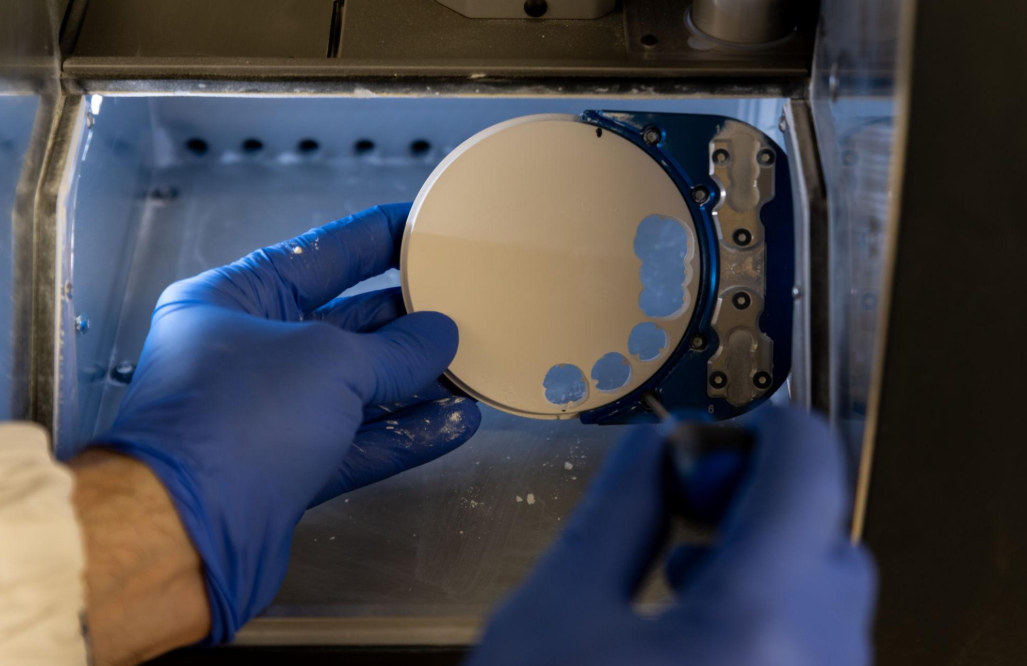
The development of pre-sintered zirconia blanks marked a turning point in digital dentistry.
Instead of milling dense zirconia, manufacturers produced partially sintered discs with controlled porosity and lower hardness.
This approach offered several advantages:
After milling, restorations were placed in a high-temperature sintering furnace, where controlled densification produced the final mechanical properties while the restoration shrank predictably according to calibrated compensation factors built into CAD/CAM software.
This innovation established the workflow that remains the industry standard today.
The development of pre-sintered zirconia blanks marked a turning point in digital dentistry.
Instead of milling dense zirconia, manufacturers produced partially sintered discs with controlled porosity and lower hardness.
This approach offered several advantages:
After milling, restorations were placed in a high-temperature sintering furnace, where controlled densification produced the final mechanical properties while the restoration shrank predictably according to calibrated compensation factors built into CAD/CAM software.
This innovation established the workflow that remains the industry standard today.
As CAD/CAM adoption accelerated, zirconia materials evolved rapidly.
Major improvements included:
Manufacturers also introduced multilayer zirconia discs featuring gradual shade and translucency transitions to better mimic natural teeth.
These developments expanded zirconia beyond posterior restorations into esthetic anterior applications.
Today's pre-sintered zirconia is engineered for both strength and esthetics.
Modern materials are available in multiple formulations optimized for different clinical indications, including high-strength, high-translucency, and multilayer options.
Digital manufacturing has also improved through:
These innovations allow dental laboratories to produce highly consistent restorations while maintaining excellent efficiency.
Pre-sintered zirconia solved one of the biggest challenges in ceramic manufacturing: how to machine an extremely strong material efficiently.
Its advantages include:
Without pre-sintered zirconia, modern digital zirconia manufacturing would be significantly more complex and less economical.
| Period | Major Milestone |
|---|---|
| Late 1800s | Zirconia identified as a ceramic material |
| 1980s | Yttria-stabilized zirconia enters dental research |
| 1990s | Zirconia introduced for dental restorations |
| Late 1990s–2000s | Pre-sintered zirconia discs enable efficient CAD/CAM milling |
| 2005–2015 | Multilayer zirconia and improved translucency |
| 2015–2026 | Advanced pre-sintered zirconia supports intelligent digital manufacturing |
| Feature | Pre-Sintered Zirconia | Fully Sintered Zirconia |
|---|---|---|
| Processing Stage | Partially densified | Fully densified |
| Machinability | Excellent | Very difficult |
| Hardness During Milling | Lower | Extremely high |
| Tool Wear | Reduced | Significantly higher |
| Post-Processing | Requires final sintering | Generally does not require densification |
| Typical Use | Standard CAD/CAM workflow | Specialized manufacturing or adjustments |
Future innovations will focus on improving both material performance and production efficiency.
Research is exploring:
These developments will further enhance the reliability and productivity of digital dental laboratories.
The introduction of pre-sintered zirconia revolutionized restorative dentistry by making high-strength ceramic restorations practical for large-scale CAD/CAM manufacturing.
By combining easy machinability before sintering with outstanding mechanical properties after densification, pre-sintered zirconia established the workflow that defines modern digital dentistry.
As materials and manufacturing technologies continue to evolve, pre-sintered zirconia will remain a fundamental component of precise, efficient, and esthetic restorative treatment.

Dry & wet milling for zirconia, PMMA, wax with auto tool changer.
learn more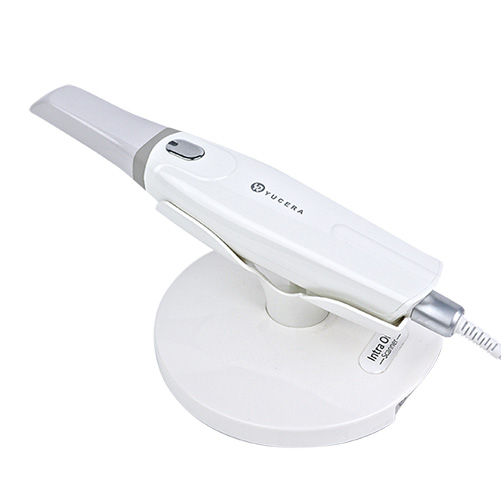
High-precision 3D scanning, AI calibration, full-arch accuracy.
learn more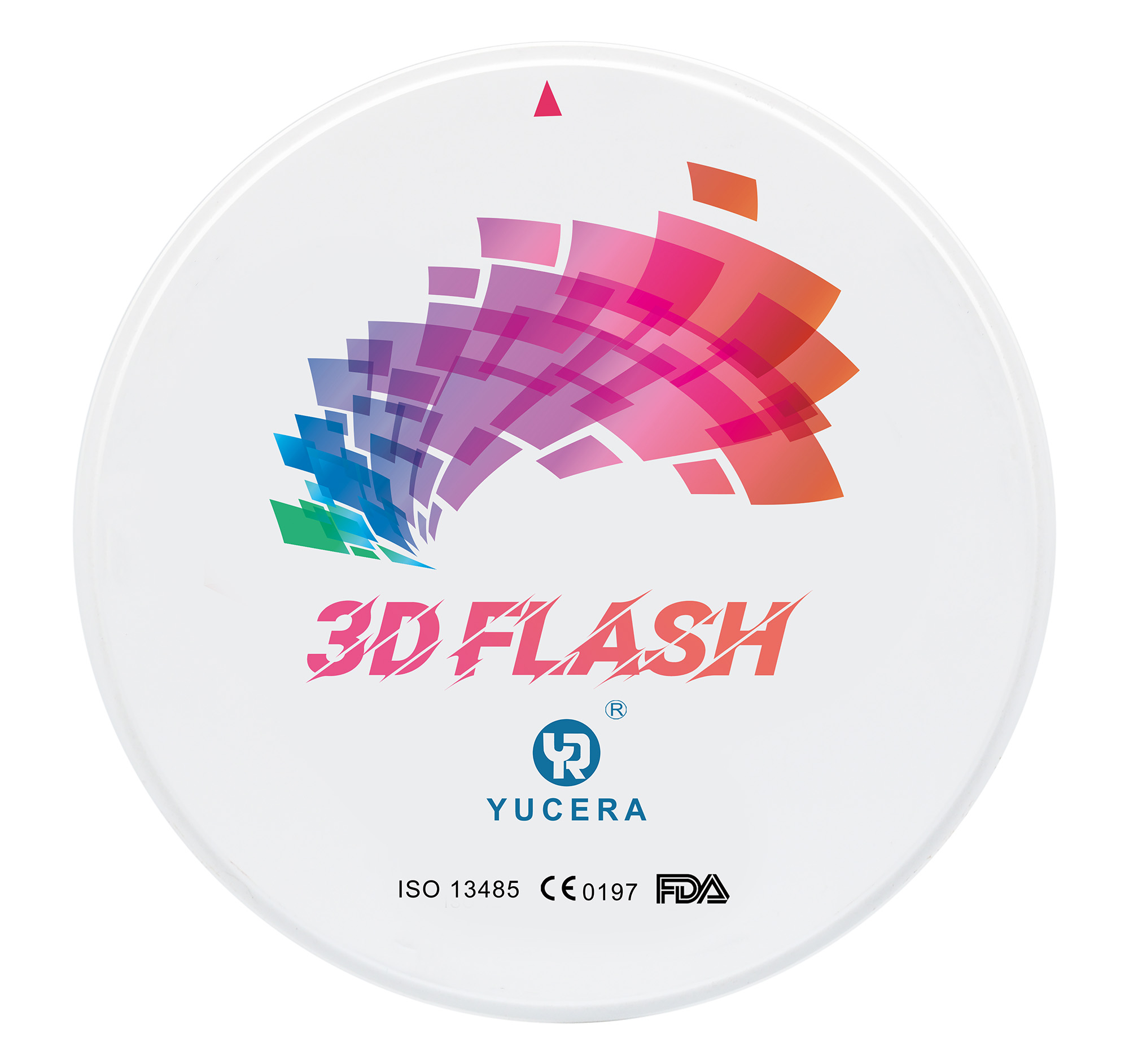
40-min full sintering with 57% incisal translucency and 1050 MPa strength.
learn more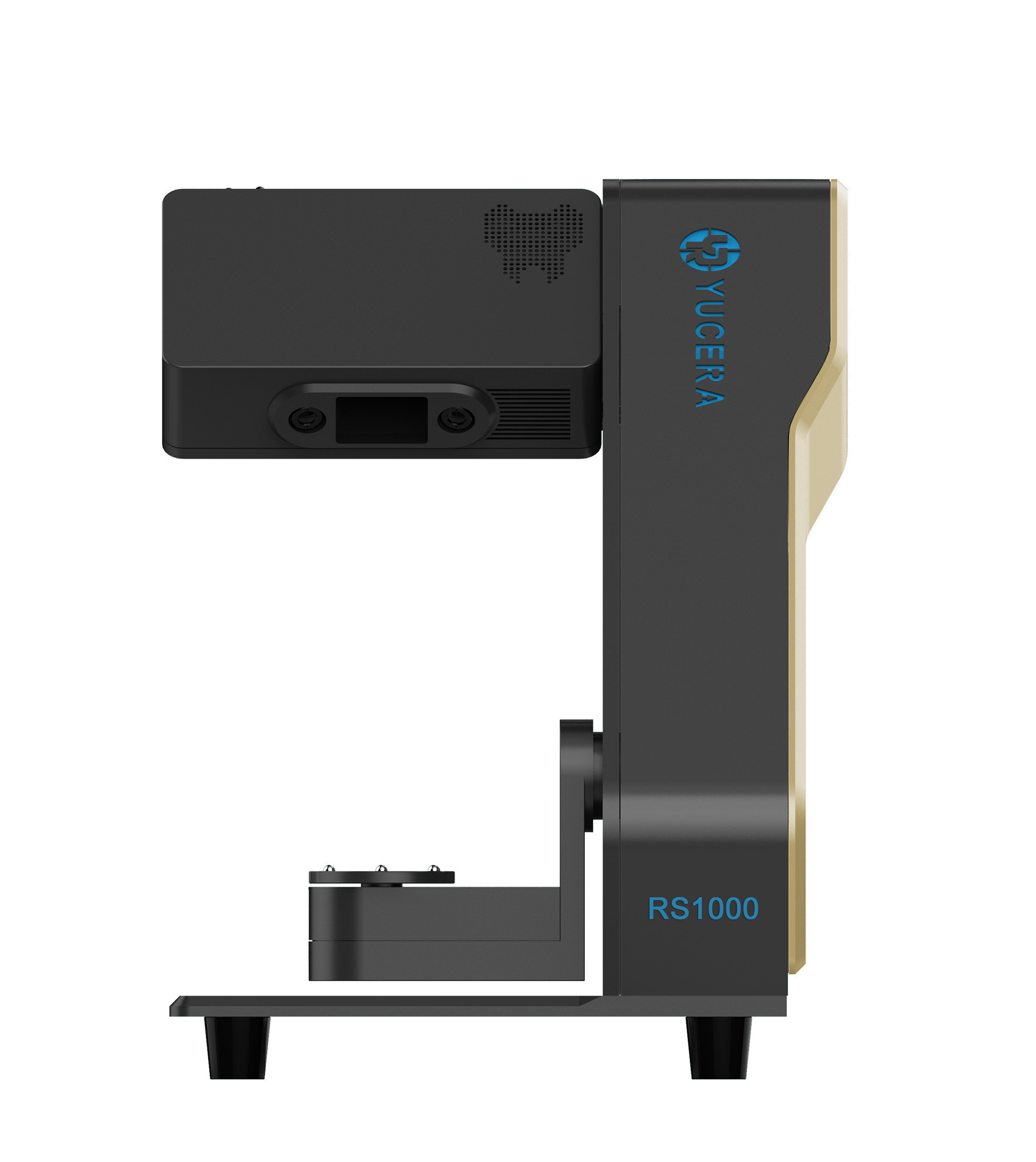
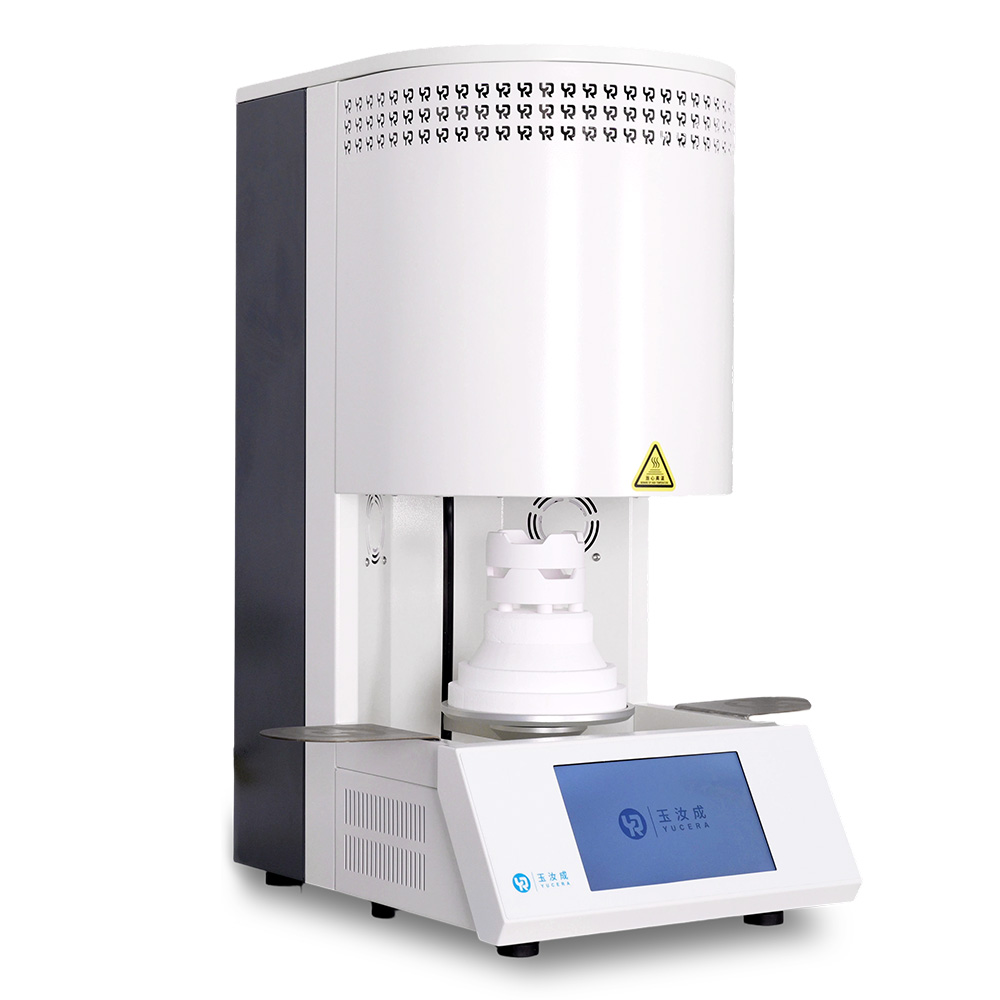
40-min cycle for 60 crowns, dual-layer crucible and 200°C/min heating.
learn more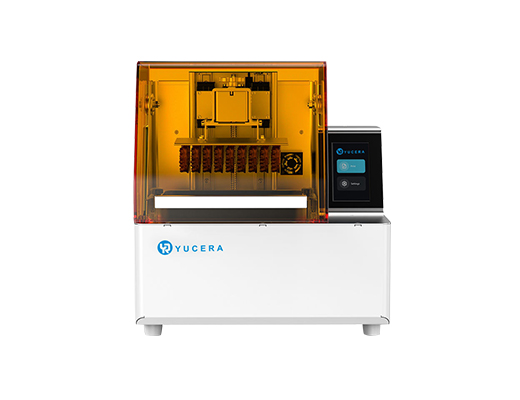
High-speed LCD printer for guides, temporaries, models with 8K resolution.
learn more