


 中 文
中 文
Optimizing CAD/CAM Supply Chains in Africa: Overcoming Import Dependency Challenges
2025-12-16
2026-07-20
The introduction of PMMA CAD/CAM discs marked a major turning point in digital restorative dentistry.
While polymethyl methacrylate (PMMA) had been used in dentistry for decades as a denture base and provisional material, the transition from manually processed acrylic resin to industrially manufactured CAD/CAM discs dramatically improved consistency, efficiency, and restoration quality.
Today, PMMA discs are routinely milled into temporary crowns, bridges, implant-supported provisional restorations, diagnostic mock-ups, and long-term provisional prostheses. Their combination of machinability, dimensional stability, and predictable performance makes them one of the most widely used materials in modern dental laboratories.
This article traces the evolution of PMMA CAD/CAM discs and their role in shaping today's digital workflows.
For much of the twentieth century, PMMA restorations were fabricated using powder-and-liquid acrylic systems.
Technicians manually mixed monomer and polymer, packed the material into molds, and polymerized it under controlled conditions.
Although this process became well established, it presented several limitations:
As laboratories sought higher precision and greater efficiency, the need for a more standardized manufacturing approach became increasingly apparent.
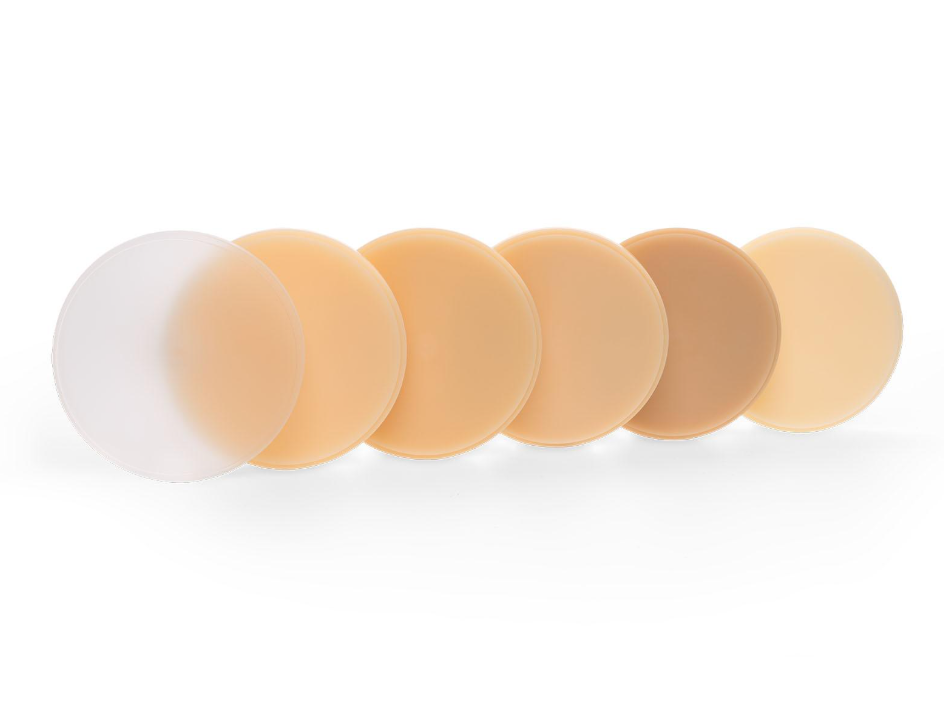
The emergence of CAD/CAM technology created demand for materials specifically designed for digital milling.
Manufacturers introduced pre-polymerized PMMA discs, produced under tightly controlled industrial conditions using high pressure and carefully regulated polymerization cycles.
Compared with conventionally processed acrylic resin, these discs offered:
These innovations enabled laboratories to fabricate provisional restorations directly from digital designs with greater predictability.
As CAD/CAM systems became more common, PMMA disc technology continued to evolve.
Manufacturing improvements focused on:
Industrial quality control also reduced material variability between discs, making restoration outcomes more reliable across different laboratories.
This period established PMMA discs as a standard material for digital provisional restorations.
Patient demand for natural-looking provisional restorations encouraged the development of multilayer PMMA discs.
Instead of a single uniform shade, multilayer discs incorporated gradual transitions in color and translucency to better reproduce the appearance of natural teeth.
These materials offered several advantages:
As a result, multilayer PMMA discs became increasingly popular for anterior provisional restorations and full-arch rehabilitation.
Today's PMMA CAD/CAM discs are designed to support highly efficient digital production.
Modern workflows typically include:
Current applications include:
Because PMMA mills efficiently and produces smooth surfaces, it remains one of the most productive materials for CAD/CAM manufacturing.
PMMA discs combine material performance with manufacturing efficiency.
Key advantages include:
These benefits make PMMA discs indispensable in both small laboratories and high-volume production environments.
| Period | Major Milestone |
|---|---|
| 1930s | PMMA introduced into dentistry |
| 1990s | Digital CAD/CAM workflows emerge |
| Late 1990s–2005 | First pre-polymerized PMMA discs introduced |
| 2005–2015 | Industrial manufacturing improves consistency |
| 2015–2020 | Multilayer PMMA discs enhance esthetics |
| 2020–2026 | PMMA discs integrated into intelligent digital workflows |
| Feature | Conventional PMMA | PMMA CAD/CAM Disc |
|---|---|---|
| Manufacturing | Chairside or laboratory polymerization | Industrial pre-polymerization |
| Density | Variable | Highly consistent |
| Residual Monomer | Higher | Lower |
| Dimensional Stability | Moderate | Excellent |
| Processing | Manual fabrication | Digital milling |
| Typical Applications | Dentures and conventional provisionals | CAD/CAM provisional restorations, implant temporaries, digital mock-ups |
Future PMMA CAD/CAM discs are expected to evolve in several directions:
As digital dentistry advances, PMMA discs will continue to provide a reliable and efficient solution for provisional restorative treatment.
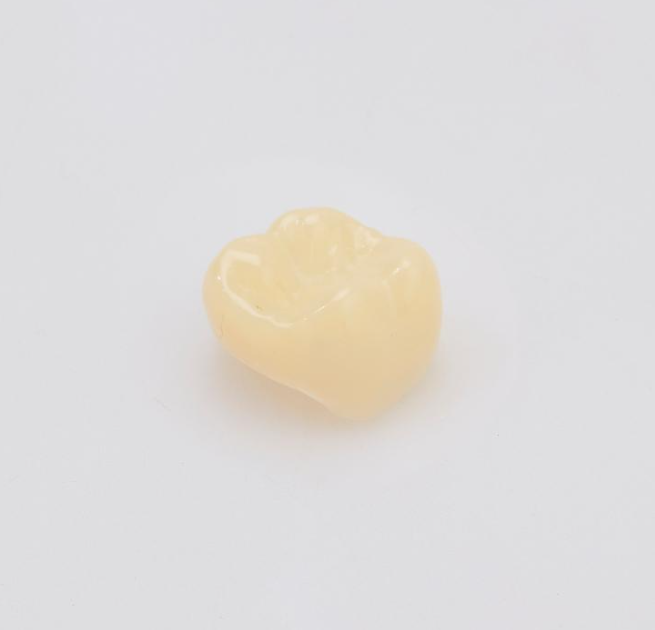
The evolution of PMMA CAD/CAM discs reflects the broader transformation of restorative dentistry from manual fabrication to digital manufacturing.
By combining industrial material quality with precise CAD/CAM milling, PMMA discs have become one of the most important materials for provisional restorations.
Although definitive restorative materials continue to evolve, PMMA CAD/CAM discs remain essential because they deliver predictable accuracy, excellent machinability, and dependable esthetic results within modern digital workflows.

Dry & wet milling for zirconia, PMMA, wax with auto tool changer.
learn more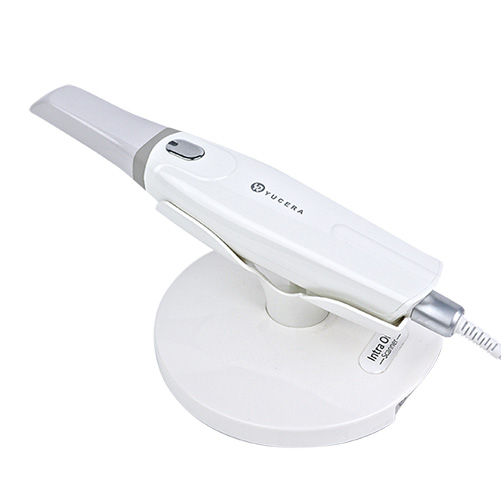
High-precision 3D scanning, AI calibration, full-arch accuracy.
learn more
40-min full sintering with 57% incisal translucency and 1050 MPa strength.
learn more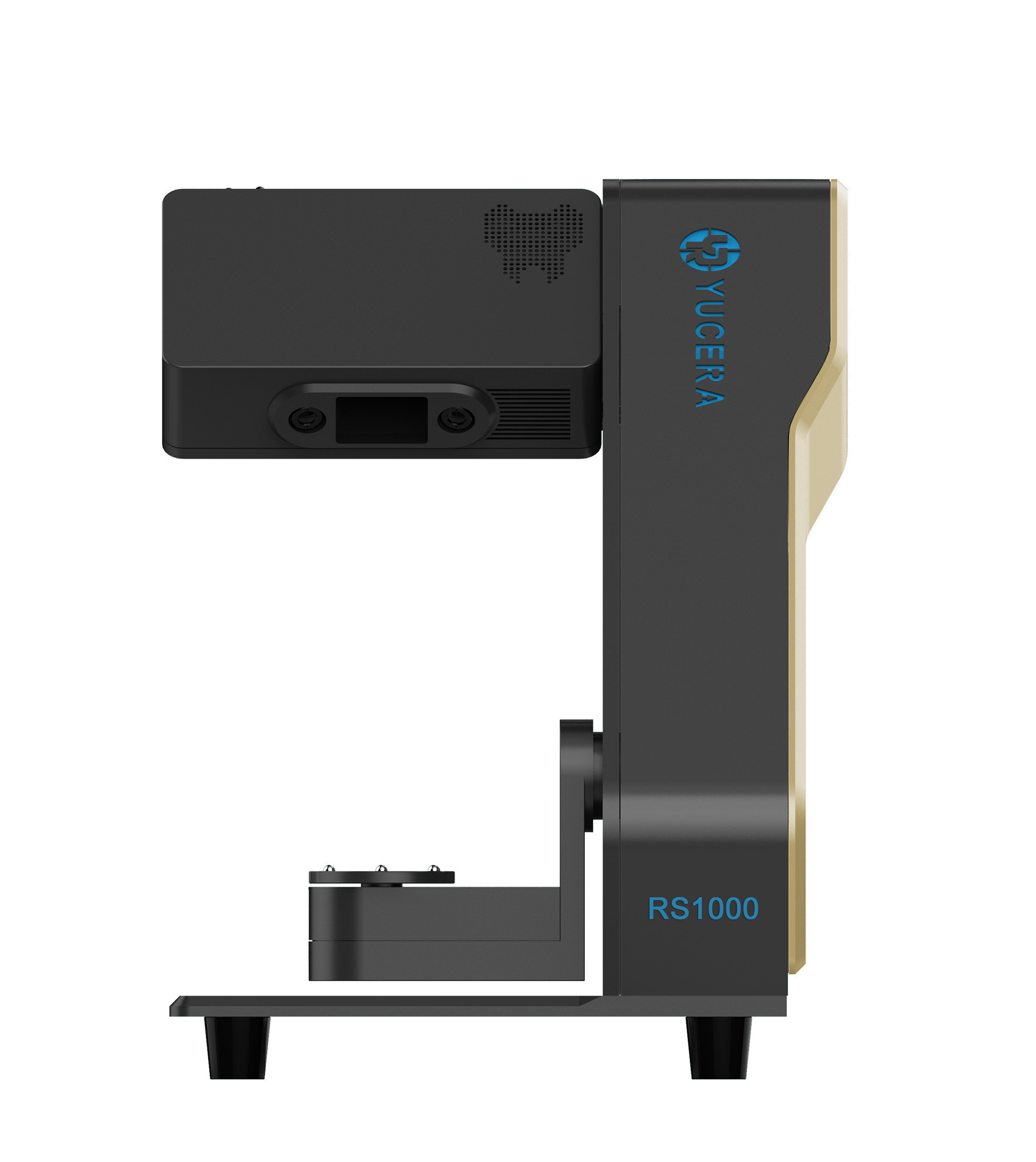
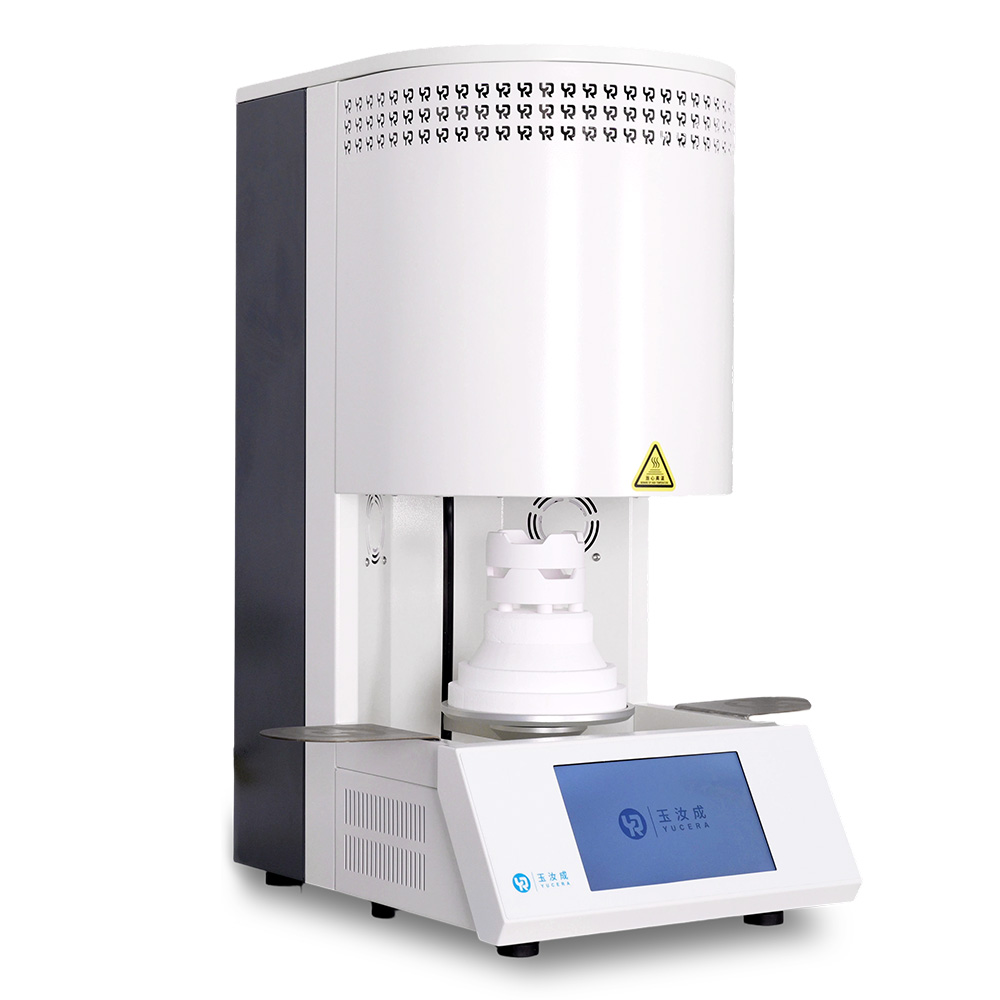
40-min cycle for 60 crowns, dual-layer crucible and 200°C/min heating.
learn more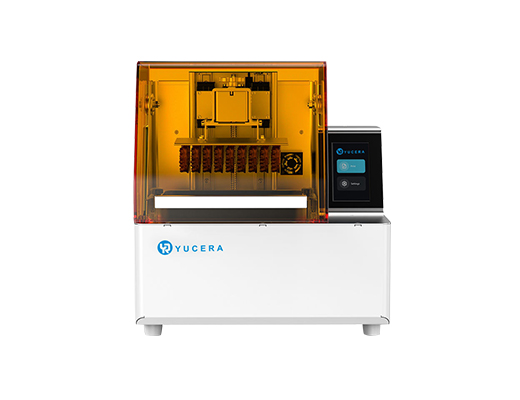
High-speed LCD printer for guides, temporaries, models with 8K resolution.
learn more


