


 中 文
中 文

Best Dental Milling Machines for Full-Arch Zirconia Bridges: 2026 Buyer's Guide and Performance Specs
2025-11-29
2026-04-16
Eastern Europe’s climate presents a unique challenge for dental restorations. With winter temperatures dropping to -15°C or lower and summer highs reaching +30°C, the large seasonal temperature swings create significant thermal stress on glass ceramic and zirconia restorations.
In 2026, dental laboratories across Poland, Russia, Romania, Hungary, Czech Republic, and surrounding countries report higher rates of glaze layer chipping, cracking, and delamination compared to milder climates. These failures often appear 6–18 months after placement, leading to increased remake rates, patient dissatisfaction, and higher long-term costs.
The right CAD/CAM glaze paste can significantly mitigate these risks. This practical guide explains why temperature stability matters, what to look for in a glaze, and how to select products that perform reliably in Eastern European conditions.
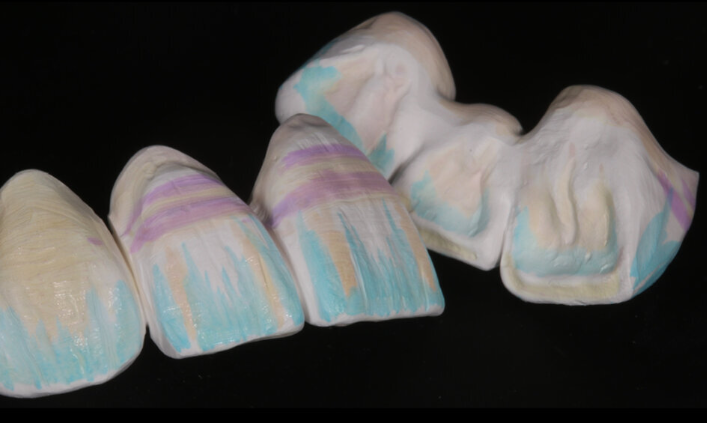
Zirconia and its glaze layer have different coefficients of thermal expansion (CTE). When exposed to rapid or extreme temperature changes, the materials expand and contract at different rates, generating internal stress at the interface.
In Eastern Europe, this stress is amplified by:
Low-quality or poorly matched glazes cannot withstand this repeated thermal cycling. Common failures include micro-cracks that propagate over time, glaze chipping on occlusal or incisal edges, and complete delamination, especially on posterior restorations that bear heavy occlusal load.
Industry data from 2026 shows that glaze-related remakes in Eastern Europe are 1.8–2.5 times higher than in Western or Southern Europe, with thermal stress cited as a primary contributing factor in over 60% of cases.
When choosing glaze paste for CAD/CAM zirconia in Eastern Europe, focus on these critical performance factors:
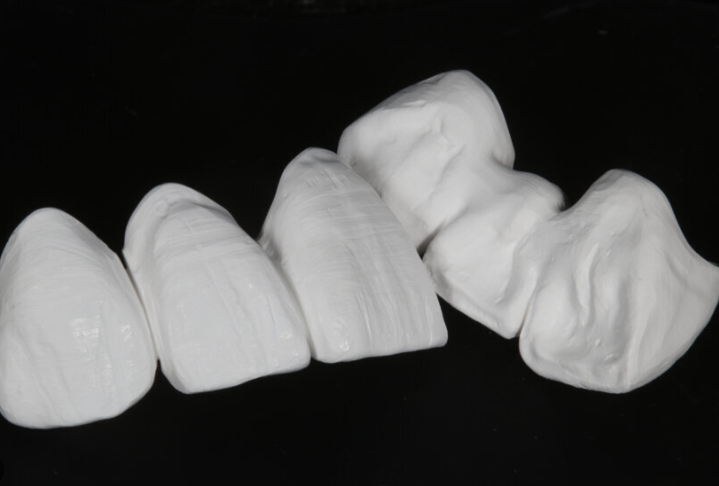
Even the best glaze paste performs poorly if application or firing is incorrect:
Labs that combine high-quality thermally stable glaze with disciplined technique typically see glaze-related failure rates drop below 2–3%, even in challenging Eastern European conditions.
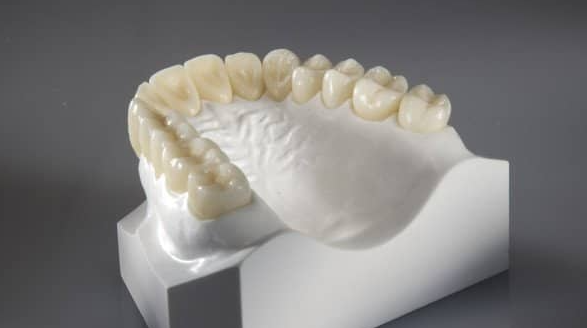
Large temperature fluctuations make thermal stability a non-negotiable requirement for CAD/CAM glaze pastes in Eastern Europe. By focusing on CTE compatibility, proven thermal shock resistance, strong bonding, and proper application technique, dental labs can dramatically reduce glaze chipping, cracking, and delamination.

Dry & wet milling for zirconia, PMMA, wax with auto tool changer.
learn more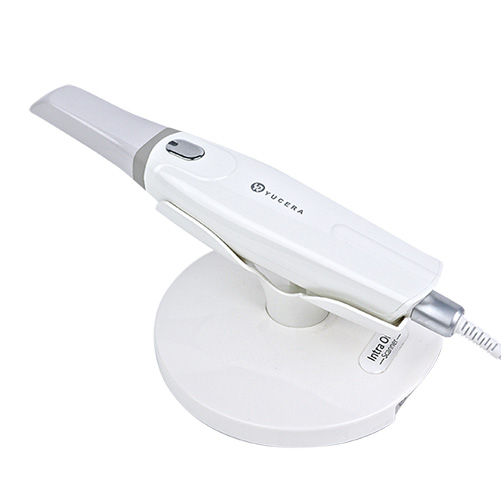
High-precision 3D scanning, AI calibration, full-arch accuracy.
learn more
40-min full sintering with 57% incisal translucency and 1050 MPa strength.
learn more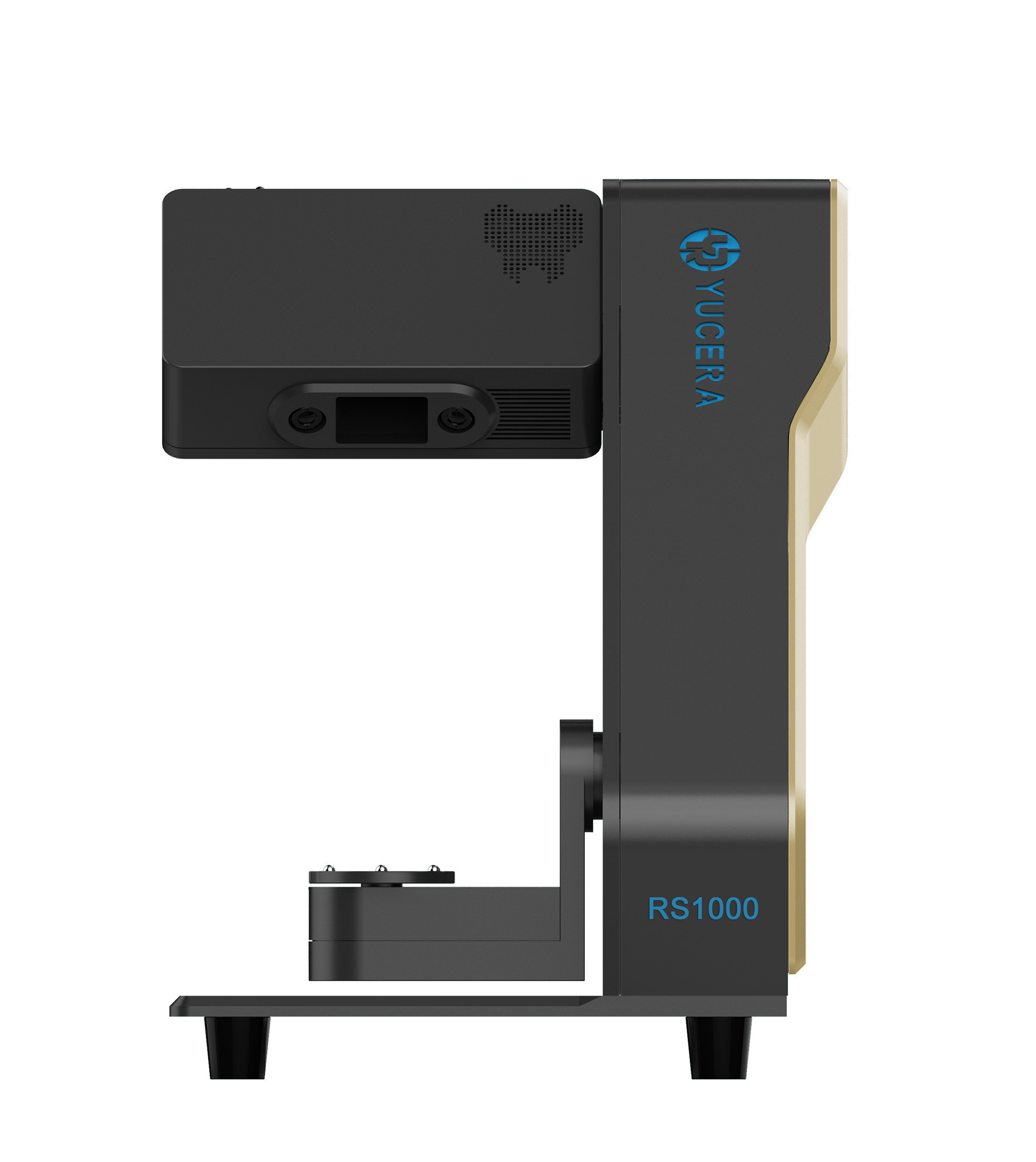
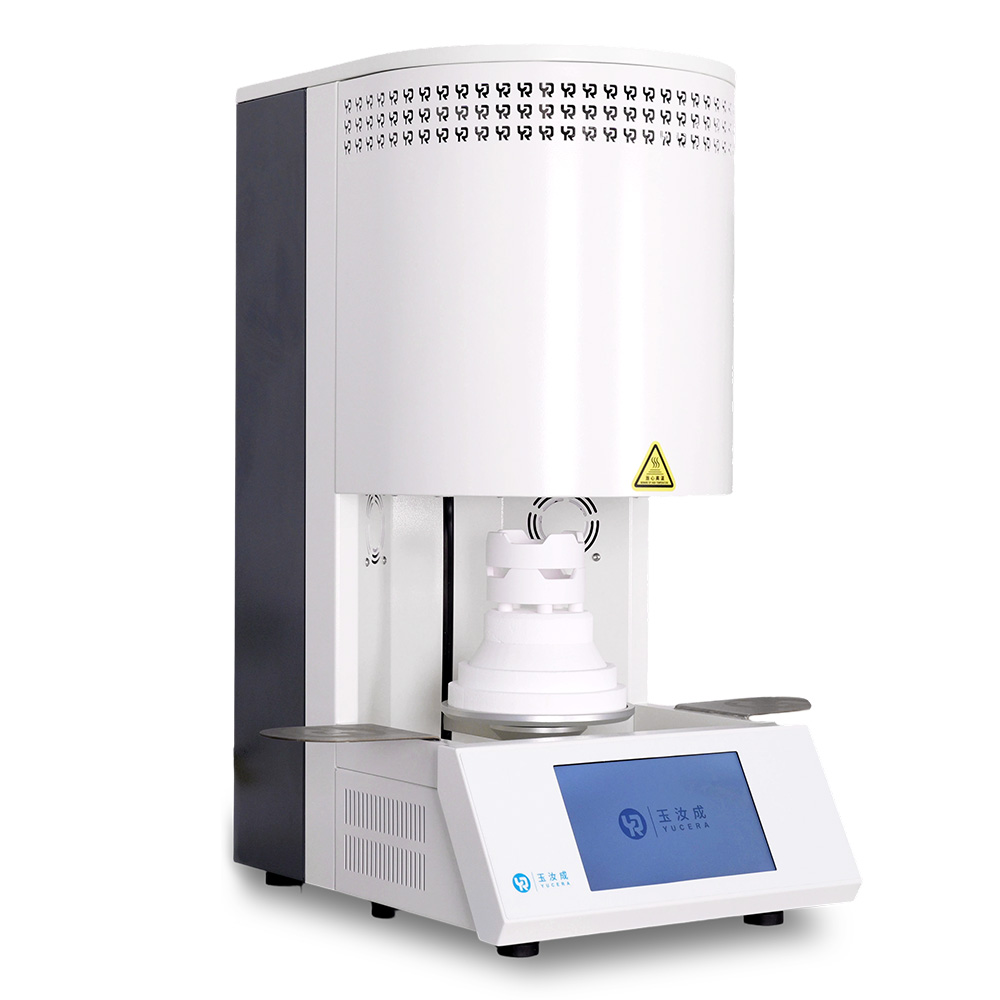
40-min cycle for 60 crowns, dual-layer crucible and 200°C/min heating.
learn more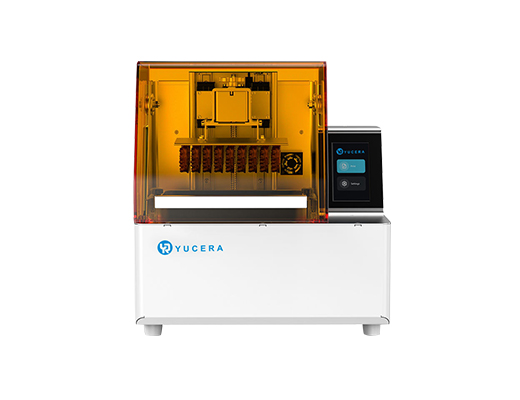
High-speed LCD printer for guides, temporaries, models with 8K resolution.
learn more


