中 文
中 文

Steps and Precautions for Using Intraoral Scanners
2024-11-01
2026-08-27
Digital dentistry is transforming modern clinical treatment by connecting diagnosis, treatment planning, digital design, and manufacturing into a complete workflow.
Instead of relying mainly on traditional impressions and manual communication, dental professionals can now use digital tools to capture accurate oral information, simulate treatment outcomes, and manufacture customized restorations.
Although digital dentistry covers many applications, most clinical workflows can be categorized into three major directions:
Each field has different clinical goals, but they share the same digital foundation:
Intraoral scanning → Digital design → CAD/CAM manufacturing → Final restoration or appliance
With the development of advanced technologies such as AI-assisted scanning and Intraoral Photogrammetry (IPG), digital workflows are expanding from surface data acquisition to more precise three-dimensional positioning and treatment planning.
Orthodontic treatment focuses on correcting tooth alignment, occlusion, and jaw relationships.
Traditional orthodontic workflows often depended on physical impressions, plaster models, and manual analysis. Digital orthodontic workflows simplify these processes by creating accurate three-dimensional dental models.
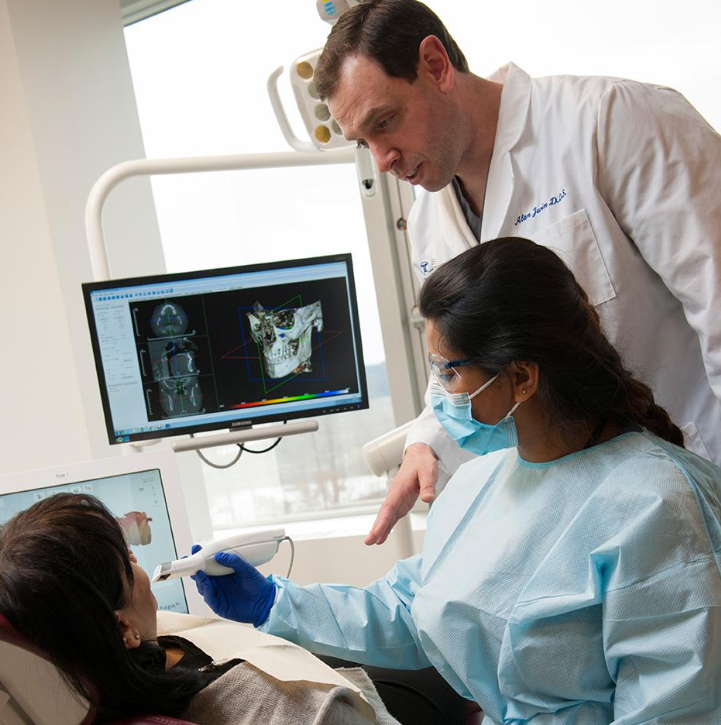
Intraoral scanners capture the patient's dental structure and generate digital models for aligner planning.
The digital workflow allows orthodontists to:
Compared with traditional impression methods, digital scanning provides a more comfortable experience for patients and improves communication between clinics and laboratories.
Digital orthodontic systems can assist with bracket positioning through virtual treatment planning.
The workflow includes:
This helps improve placement accuracy and treatment efficiency.
After active orthodontic treatment, digital workflows support:
Patient records can be stored digitally, making future adjustments more efficient.
Aesthetic dentistry focuses on restoring both function and appearance.
Unlike traditional restorative procedures that mainly focused on tooth shape and function, modern aesthetic dentistry considers multiple factors:
Digital technologies allow clinicians and technicians to design restorations based on each patient's unique characteristics.
Digital Smile Design connects clinical diagnosis with aesthetic planning.
Through digital facial analysis and intraoral scanning, professionals can evaluate:
This improves communication between dentists, technicians, and patients before treatment begins.
Digital workflows are widely used for:
Digital scanning and CAD design help create customized veneer shapes according to facial and aesthetic requirements.
CAD/CAM systems allow precise restoration design based on digital tooth preparation data.
Digital workflows improve accuracy for minimally invasive restorative treatments.
Clinics can quickly design and manufacture temporary restorations using digital data.
Implant dentistry requires extremely accurate information because the implant position directly affects the final prosthetic outcome.
Compared with conventional restorative cases, implant workflows involve additional challenges:
Digital implant workflows connect surgical planning and restoration manufacturing into one integrated process.
Digital implant workflows often begin with:
This allows clinicians to evaluate implant placement before surgery.
For single or multiple implant cases, intraoral scanners can capture digital implant impressions using scan bodies.
The workflow includes:
This eliminates many traditional impression procedures and improves digital communication between clinics and laboratories.
For complex implant cases such as:
accurately recording multiple implant positions becomes more challenging.
This is where Intraoral Photogrammetry (IPG) provides additional value.
IPG combines photogrammetry technology with intraoral scanning.
The workflow uses coded scan bodies that act as digital reference markers.
The system captures:
while simultaneously recording soft tissue information.
The main advantage is improving the reliability of implant data acquisition for large-span restorations, supporting the design of accurately fitting implant-supported bridges.
Digital dental workflows are no longer limited to individual devices. They represent a complete ecosystem connecting diagnosis, treatment planning, design, and manufacturing.
From orthodontic treatment planning to aesthetic restoration design and advanced implant rehabilitation, digital technologies are helping dental professionals achieve more efficient and predictable outcomes.
With innovations such as Intraoral Photogrammetry, digital workflows are continuing to expand from capturing oral surfaces to accurately understanding three-dimensional clinical relationships.
For modern dental clinics and laboratories, building a complete digital workflow has become an important step toward the future of dentistry.
Introduction: From Traditional Procedures to Complete Digital Workflows
1. Digital Orthodontic Workflow: From Tooth Movement Planning to Treatment Monitoring
Key Applications in Digital Orthodontics
Invisible Aligner Design
Indirect Bonding for Fixed Orthodontics
Digital Retainers and Orthodontic Follow-Up
2. Digital Aesthetic Dentistry Workflow: Designing Natural-Looking Restorations
Digital Smile Design (DSD)
Digital Restorative Applications
Veneers
Full Ceramic Crowns
Inlays and Onlays
Chairside Temporary Restorations
3. Digital Implant Workflow: From Implant Planning to Final Restoration
Implant Planning and Surgical Guides
Digital Implant Impression: From Single Implant to Multiple Implants
IPG: Advancing Full-Arch Implant Digital Workflows
Conclusion

Dry & wet milling for zirconia, PMMA, wax with auto tool changer.
learn more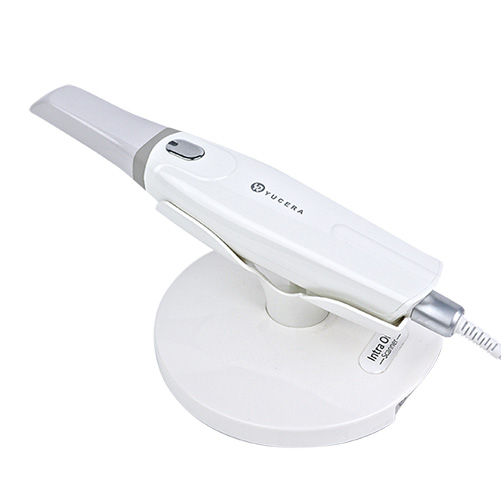
High-precision 3D scanning, AI calibration, full-arch accuracy.
learn more
40-min full sintering with 57% incisal translucency and 1050 MPa strength.
learn more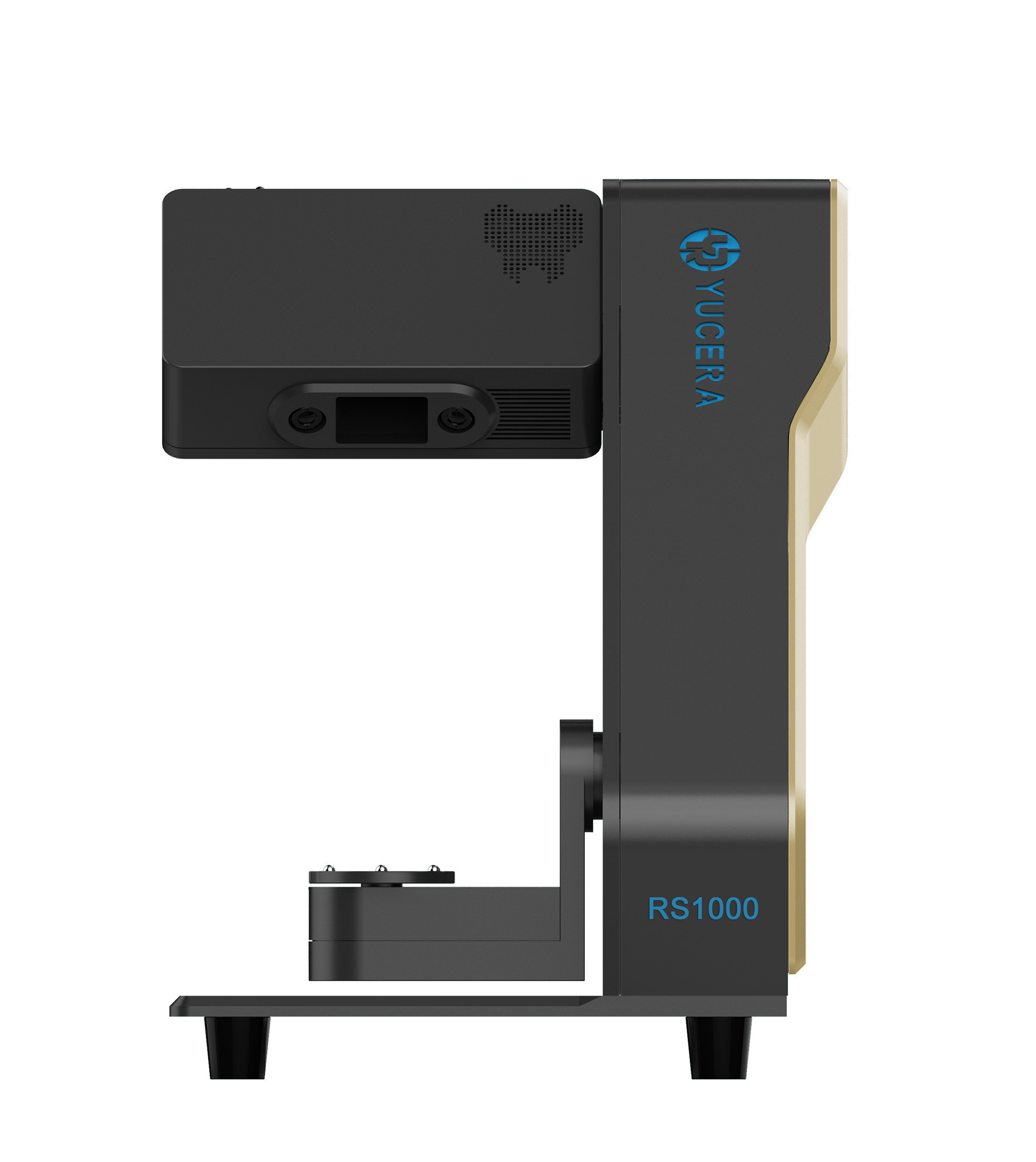
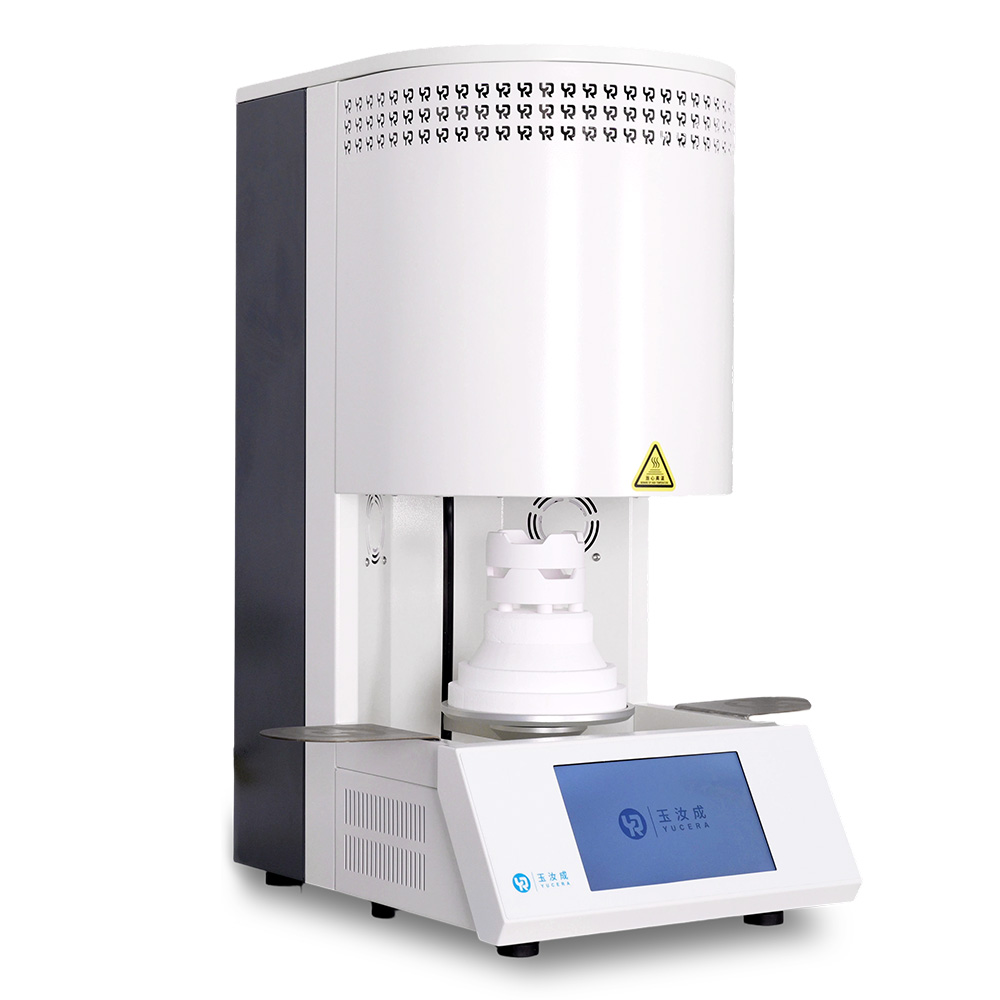
40-min cycle for 60 crowns, dual-layer crucible and 200°C/min heating.
learn more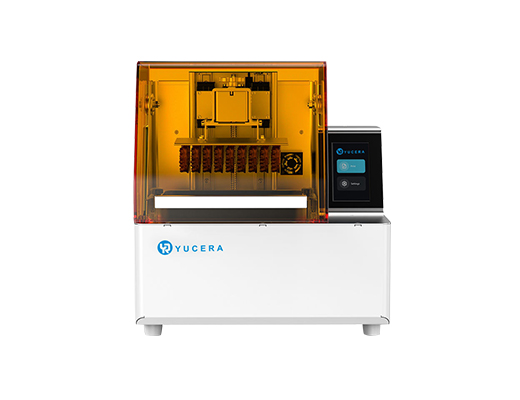
High-speed LCD printer for guides, temporaries, models with 8K resolution.
learn more