


 中 文
中 文

Top 10 Global Zirconia Block Manufacturers
2024-08-07
2026-01-24
Digital transformation in dentistry extends beyond chairside tools to laboratory workflows, where desktop scanners play a vital role. These benchtop or desktop dental scanners digitize gypsum models, impressions, dies, and articulators, converting physical records into precise 3D digital files for CAD/CAM design and fabrication. In Eastern Europe, clinics and labs in Poland, Hungary, Romania, and the Czech Republic increasingly adopt desktop scanners to improve accuracy, efficiency, and—indirectly—patient comfort. By enhancing the quality of restorations and reducing the need for adjustments or remakes, these devices contribute to smoother, less invasive experiences for patients.
The European dental equipment market grows steadily, with Eastern regions benefiting from EU integration, affordable technology access, and dental tourism. Desktop scanners support hybrid workflows: clinicians take conventional impressions when needed, send models to labs for scanning, and receive high-quality digital designs back quickly. This approach bridges traditional and digital methods, particularly useful in regions transitioning to full digital adoption.
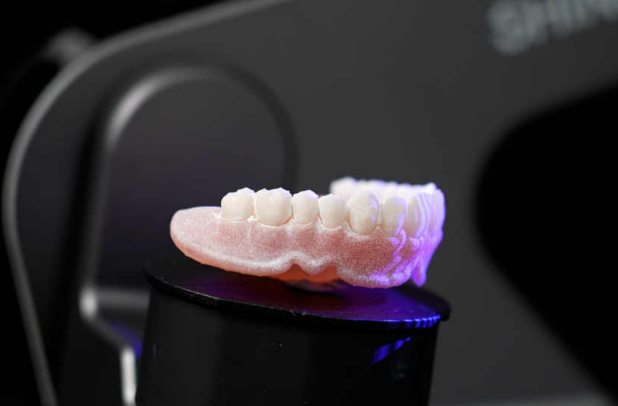
Desktop scanners use structured light, laser, or optical technologies to capture detailed 3D data from physical dental models or impressions. Placed on a lab bench, the device scans plaster casts, dies, full arches, articulators, or even triple-tray impressions in minutes. Software processes scans into STL files compatible with CAD programs for designing crowns, bridges, dentures, or orthodontic appliances.
Compared to intraoral scanners, desktop models excel in controlled lab environments, offering high precision for complex cases like implants or full-arch restorations. Studies show desktop scanners achieve excellent trueness and precision on complete-arch models, often outperforming or matching intraoral options in repeatability for lab-fabricated prosthetics. In Eastern Europe, labs use these scanners to digitize incoming models from clinics, enabling faster turnaround without relying solely on chairside digital impressions.
Key features include multi-die scanning, texture capture for aesthetics, and articulator integration for occlusion accuracy. This precision ensures restorations fit better from the start, reducing chairside adjustments that can cause patient discomfort.
While desktop scanners operate in labs rather than chairs, their impact on comfort is significant and indirect but substantial.
Additional advantages include no mess from physical shipping errors and indefinite digital storage, avoiding damaged models that delay care.
In dental tourism hubs like Budapest or Krakow, clinics leverage desktop-scanned precision to deliver reliable, comfortable outcomes quickly, attracting international patients seeking efficient care.
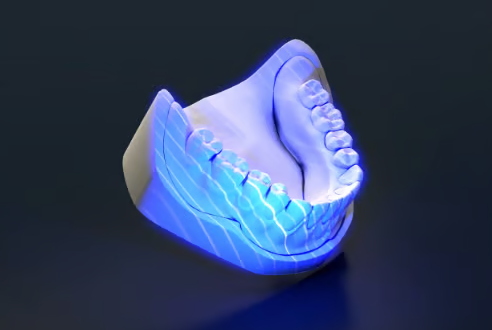
Eastern Europe's dental sector advances digitally, supported by EU standards, training programs, and cost-effective tools. Desktop scanners fit well in labs serving private clinics, where volume demands efficiency.
In Poland, urban labs in Warsaw and Gdansk integrate desktop scanning for restorative and implant cases. Hungary emphasizes it for tourism-driven quick prosthetics. Romania and the Czech Republic see growth in private practices adopting hybrid models to compete with Western standards.
Market insights show increasing use of lab scanners alongside intraoral options, driven by restorative demands. Desktop devices offer strong ROI through productivity gains, especially in busy labs processing multiple cases daily.
Initial costs are offset by reduced material waste, fewer remakes, and faster processing. User-friendly interfaces and open formats ease adoption in smaller facilities.
Typical process:
This yields accurate, comfortable-fitting prosthetics with minimal patient intervention. For complex cases, features like die-in-model scanning save time while maintaining detail.
Studies confirm desktop scanners' reliability for full-arch and implant workflows, supporting predictable outcomes that prioritize comfort.
Advancements include faster scanning, AI-assisted alignment, and better integration with milling units. In Eastern Europe, continued growth in digital labs will expand desktop scanner use, especially as costs decline and training improves.
Sustainability benefits arise from reduced physical waste and energy-efficient models, aligning with EU goals.
Desktop scanners elevate patient comfort in Eastern European dental clinics by ensuring superior accuracy in lab-digitized impressions, leading to better-fitting restorations, fewer adjustments, and shorter treatment timelines. In Poland, Hungary, Romania, the Czech Republic, and beyond, these tools support efficient, patient-friendly workflows that blend traditional and digital strengths. As adoption rises, desktop scanning solidifies its role in delivering precise, comfortable dental care across the region.

Dry & wet milling for zirconia, PMMA, wax with auto tool changer.
learn more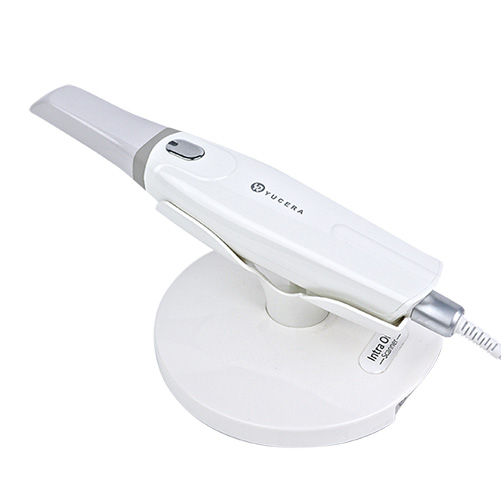
High-precision 3D scanning, AI calibration, full-arch accuracy.
learn more
40-min full sintering with 57% incisal translucency and 1050 MPa strength.
learn more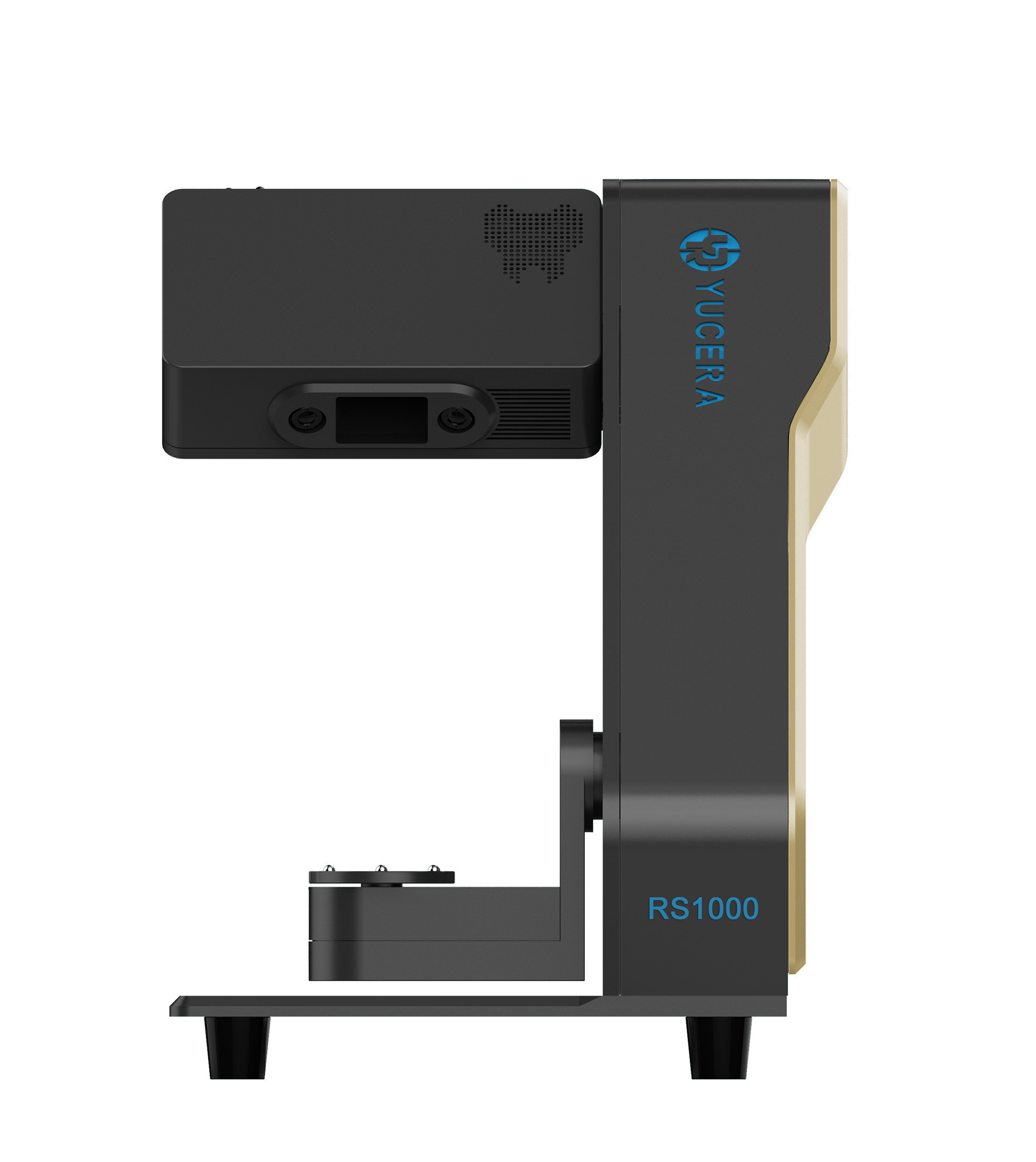
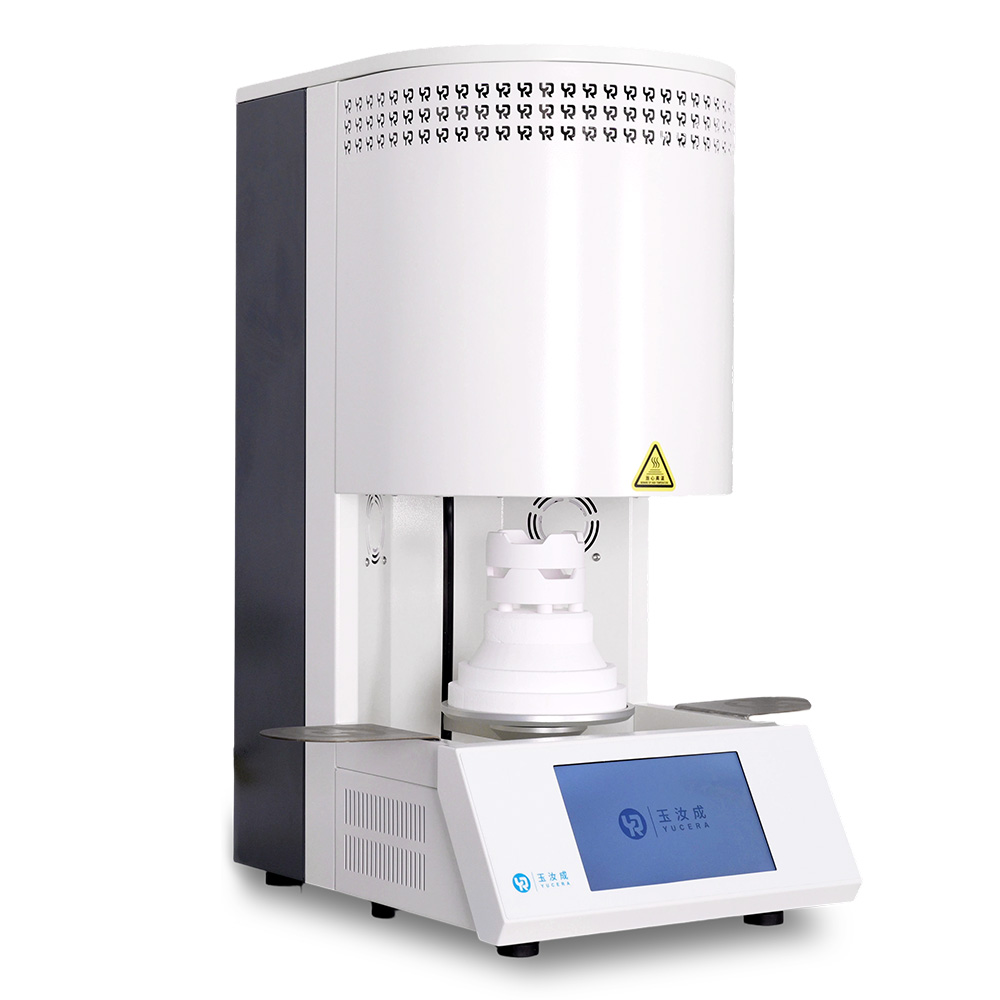
40-min cycle for 60 crowns, dual-layer crucible and 200°C/min heating.
learn more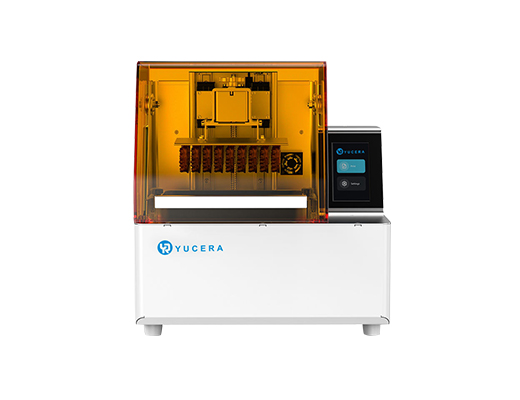
High-speed LCD printer for guides, temporaries, models with 8K resolution.
learn more


