中 文
中 文

Differences of dry, wet, and metal-processing dental milling machines
2025-03-11
2026-01-28
Desktop dental scanners, used in laboratories to digitize gypsum models, impressions, dies, and articulators, form a critical part of modern CAD/CAM workflows. These benchtop devices capture high-precision 3D data for designing crowns, bridges, dentures, and implant restorations. While they operate in controlled lab environments rather than directly on patients, they remain classified as medical devices under EU regulations. In Eastern Europe—countries such as Poland, Hungary, Romania, and the Czech Republic—strict safety standards and data privacy requirements ensure reliable performance and protection of sensitive patient information. Compliance with these frameworks safeguards both lab operations and patient trust amid rapid digital dentistry adoption.
The European dental CAD/CAM market continues to expand, with Eastern Europe benefiting from EU membership, dental tourism growth, and investments in digital infrastructure. The regional dental laboratories market is projected to grow from approximately USD 12 billion in 2025 to over USD 18 billion by 2033, at a CAGR of around 5%. Desktop scanners contribute significantly by enabling accurate, efficient digitization, but their use demands adherence to safety and privacy rules to prevent hazards and data breaches.
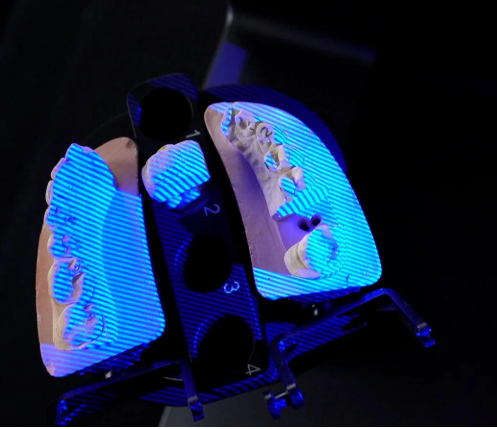
Under Regulation (EU) 2017/745 (Medical Device Regulation or MDR), desktop dental scanners qualify as medical devices, typically Class I or IIa depending on intended use and software integration. The MDR, fully applicable since May 2021, replaced the previous Medical Devices Directive and introduced stricter requirements for safety, performance, clinical evaluation, and post-market surveillance. Manufacturers must apply CE marking after conformity assessment, often involving notified bodies for higher-risk classes.
Key harmonized standards include:
Additional standards address electromagnetic compatibility (IEC 60601-1-2) and software lifecycle (IEC 62304 when scanners include advanced processing). In Eastern Europe, national authorities—such as Poland’s Office for Registration of Medicinal Products, Medical Devices and Biocidal Products, Hungary’s National Institute of Pharmacy and Nutrition, and Romania’s National Agency for Medicines and Medical Devices—enforce MDR compliance through audits and vigilance reporting.
Desktop scanners pose fewer direct patient risks than chairside equipment, but labs must mitigate operational hazards:
Post-market surveillance under MDR requires incident reporting via EUDAMED (European database on medical devices). Labs track complaints, field safety corrective actions, and vigilance reports to improve device safety continuously.
Desktop scanners generate and process sensitive patient data—3D models containing oral anatomy, personal identifiers, and treatment details—making them subject to the General Data Protection Regulation (GDPR) (Regulation (EU) 2016/679). Dental clinics and labs act as data controllers or processors, responsible for lawful processing, security, and patient rights.
Key GDPR obligations include:
Cybersecurity threats pose significant risks to dental data:
To mitigate these:
In multi-site or cloud setups, servers should remain within the EU to avoid transfer issues. Many systems offer local storage by default, with optional encrypted cloud for backups.
Eastern European countries align fully with EU MDR and GDPR, supported by national data protection authorities (e.g., Poland’s UODO, Hungary’s NAIH). Dental labs in Warsaw, Budapest, Bucharest, and Prague increasingly adopt desktop scanners to meet tourism and local demand for precise restorations. Compliance costs rise 10-15% for small labs due to documentation and audits, but benefits include fewer remakes, better traceability, and enhanced patient confidence.
Training programs and EU-funded digital initiatives help labs implement ISO 13485 QMS and GDPR-compliant policies. Notified body audits and voluntary certifications build credibility, especially for cross-border services.
These practices reduce risks while supporting efficient workflows.
As MDR evolves with 2025 updates emphasizing traceability and clinical data, and GDPR enforcement strengthens, Eastern European labs will integrate more cybersecurity tools like AI-driven threat detection. Continued growth in digital dentistry will make robust safety and privacy management essential for competitiveness.
Desktop dental scanners enhance precision in Eastern European labs, but safety standards (MDR, ISO 13485, ISO 14971) and data privacy (GDPR) requirements ensure their responsible use. By addressing electrical, operational, and cyber risks while protecting patient data, labs in Poland, Hungary, Romania, the Czech Republic, and beyond deliver high-quality, trustworthy restorations. Compliance not only meets legal obligations but also builds patient confidence in an increasingly digital dental landscape.

Dry & wet milling for zirconia, PMMA, wax with auto tool changer.
learn more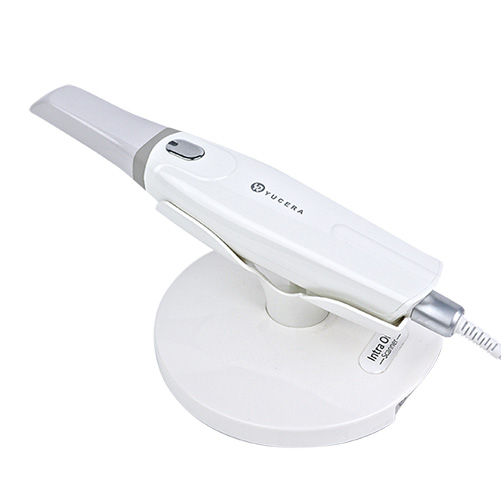
High-precision 3D scanning, AI calibration, full-arch accuracy.
learn more
40-min full sintering with 57% incisal translucency and 1050 MPa strength.
learn more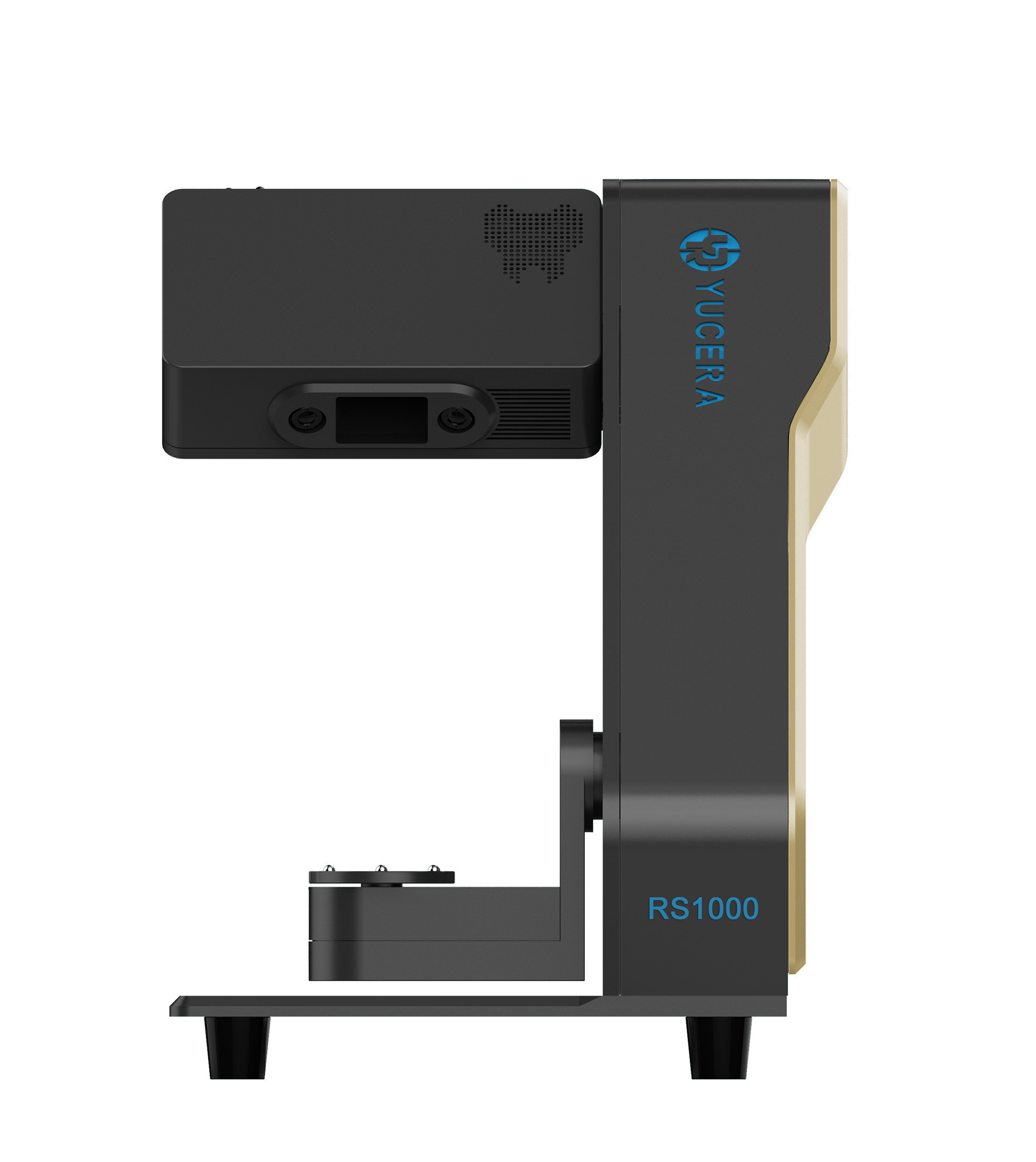
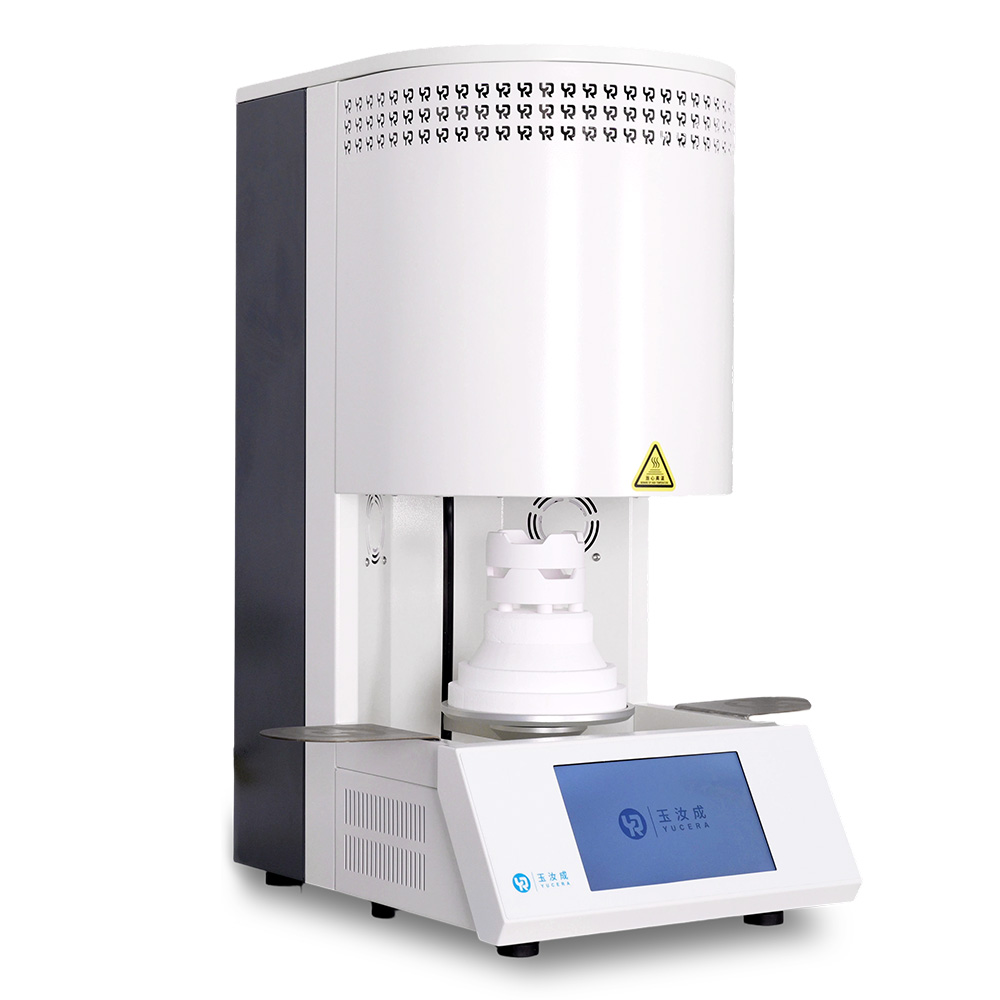
40-min cycle for 60 crowns, dual-layer crucible and 200°C/min heating.
learn more
High-speed LCD printer for guides, temporaries, models with 8K resolution.
learn more