


 中 文
中 文
EU MDR 2025 Regulations Impact on CAD/CAM Custom Devices in Eastern Europe Dental Market: Compliance Guide
2025-12-10
2026-09-10
In dental restorative dentistry, dental ceramic glaze paste is commonly used on the surfaces of porcelain-fused-to-metal crowns, all-ceramic crowns, porcelain veneers, inlays, and certain zirconia-based restorations. Its primary purpose is to improve the surface characteristics, optical properties, and clinical performance of dental restorations.
It should be noted that dental ceramic glaze paste is neither conventional toothpaste nor a material used to directly repair natural tooth enamel. It is mainly used during the fabrication and surface treatment of dental restorations.
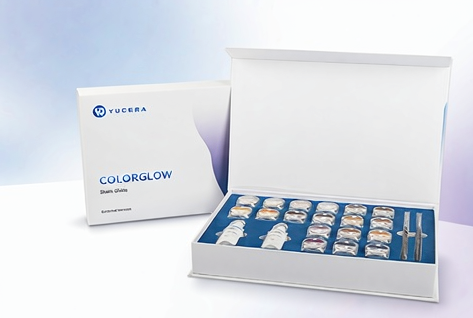
Dental ceramic glaze paste typically contains the following components:
The action of glaze paste on a dental restoration can be described in several stages.
The glaze paste is applied as a thin and uniform layer over the restoration surface. It can cover microscopic pores, scratches, and minor surface irregularities.
As water and other volatile components evaporate, the solid particles in the glaze paste gradually settle and adhere to the restoration surface.
When the recommended firing temperature is reached, the fluxes begin to form a liquid phase. Silica and other glass-forming components gradually develop a glass network. The molten glaze wets the restoration surface, flows, spreads, and fills microscopic surface defects.
After firing, the molten glaze cools and solidifies, forming a continuous, smooth, and dense glassy layer on the restoration surface.
Therefore, the fundamental working principle of dental ceramic glaze paste can be summarized as follows:
Through high-temperature melting, flow, leveling, and cooling-induced solidification, the glaze paste forms a glossy, protective glass-ceramic surface layer on the restoration.
The glaze layer is generally thin and is primarily intended to improve surface properties. It does not replace the structural strength of the restoration and cannot repair major internal cracks or defects in the substrate.
In other words, the overall strength of the restoration is mainly determined by the underlying material, such as zirconia, glass-ceramic, feldspathic porcelain, or another restorative substrate. The glaze paste primarily improves the surface condition and optical appearance.
After sintering, veneering, occlusal adjustment, or grinding, a restoration may contain microscopic pores, scratches, and irregular surface elevations. After firing, the glaze paste can cover or fill some of these microscopic defects, making the surface smoother and more uniform.
A reduction in surface roughness may help to:
However, in areas of occlusal contact, glazing does not necessarily replace mechanical polishing. For surfaces that are subjected to long-term occlusal loading, appropriate polishing may still be required according to the restorative material and the manufacturer’s instructions.
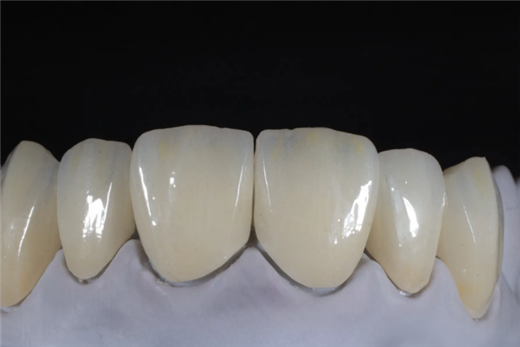
The glaze layer has optical properties similar to those of glass. After firing, it improves the reflection of light from the restoration surface, producing a more natural and clinically acceptable luster.
In anterior esthetic restorations, glazing may help improve:
When used together with stains, translucent glaze, or special-effect ceramics, it can also help reproduce subtle variations in natural tooth color, surface texture, and optical behavior.
Some dental ceramic glaze pastes contain coloring or shade-modifying components that can be used to adjust the final appearance of the restoration. They may help to:
However, the final optical result is affected by glaze thickness, firing temperature, and the number of firing cycles. Excessive application or inappropriate firing conditions may result in excessive saturation, a grayish appearance, excessive brightness, or abnormal translucency.
After melting, the glaze has a certain degree of flowability. It can enter and cover small depressions, pores, and fine scratches on the restoration surface, thereby improving surface continuity.
This may contribute to improvements in:
Nevertheless, glaze paste cannot reliably repair obvious cracks, large voids, or severe structural defects. If the restoration contains a major defect, remake or another corrective procedure may be necessary.
A dense glassy glaze layer can reduce the penetration of pigments and contaminants into microscopic surface pores, thereby helping to improve stain resistance.
The glaze layer may also provide a certain degree of resistance to the oral environment. Its long-term performance, however, depends on several factors, including:
Therefore, the glaze layer should not be regarded as a permanently unchanged protective coating. Over time, it may undergo wear, surface roughening, or localized loss.
Delamination and cracking of a glaze layer are rarely caused by a single factor. They are usually associated with a combination of material compatibility, processing conditions, firing parameters, and the functional environment of the oral cavity.
A mismatch in the coefficient of thermal expansion between the glaze layer and the underlying substrate is one of the major causes of glaze cracking and delamination.
During firing and clinical service, the restoration undergoes temperature changes. If the glaze and the substrate have different thermal expansion coefficients, they will contract to different extents during cooling.
For this reason, the dental glaze must be compatible with the specific restorative material. Glazes from different brands or material systems should not be mixed indiscriminately.
The firing schedule directly affects the degree of melting and the microstructure of the glaze layer.
This may result in:
This may cause:
Rapid heating may create temperature gradients within the restoration. Rapid cooling may generate thermal stress and lead to cracks in the glaze or substrate.
The glaze layer should be applied within an appropriate thickness range. Excessive thickness may lead to:
Conversely, a layer that is too thin or unevenly distributed may produce nonuniform gloss, inadequate surface coverage, and localized roughness.
Contaminants on the restoration surface can compromise the bond between the glaze and the substrate. Potential contaminants include:
These contaminants may create a weak interfacial layer between the glaze and the substrate, increasing the risk of localized delamination or peeling.
Therefore, the restoration should be thoroughly cleaned and dried before glaze application, in accordance with the requirements of the restorative material.
Improper surface preparation may also compromise glaze bonding. Potential problems include:
Glaze paste can modify the surface, but it cannot compensate for serious defects in the substrate. If the substrate already contains a crack, the glaze may only temporarily cover the defect, which may continue to propagate during clinical use.
A restoration is exposed to mastication, occlusal loading, and repeated thermal changes throughout its service life. Premature occlusal contacts, bruxism, clenching, or an inappropriate restoration design may cause excessive stress concentration in specific areas.
The following regions are particularly susceptible:
If the glaze is too thick and is not adequately supported by the underlying substrate, it may be more susceptible to cracking or delamination under occlusal loading.
A thicker glaze layer is not necessarily better. Sharp contours, abrupt changes in thickness, and inadequate substrate support can create stress concentration within the glaze.
An appropriate restoration design should:
Dental restorations may require several firing cycles during fabrication. Repeated firing may result in:
Therefore, the number of firing cycles and the firing temperature should be controlled according to the manufacturer’s instructions, and unnecessary refiring should be avoided.
The primary function of dental ceramic glaze paste is to form a smooth, dense, glassy surface layer on a dental restoration through high-temperature melting, flow, leveling, and cooling-induced solidification. This layer can improve the restoration’s gloss, shade, stain resistance, and surface cleanability. However, it does not provide the principal structural strength of the restoration.
Glaze cracking or delamination is generally associated with one or more of the following factors:
Therefore, producing a stable and durable dental glaze layer requires careful control of material compatibility, surface cleaning, uniform application, firing parameters, restoration design, and occlusal adjustment.

Dry & wet milling for zirconia, PMMA, wax with auto tool changer.
learn more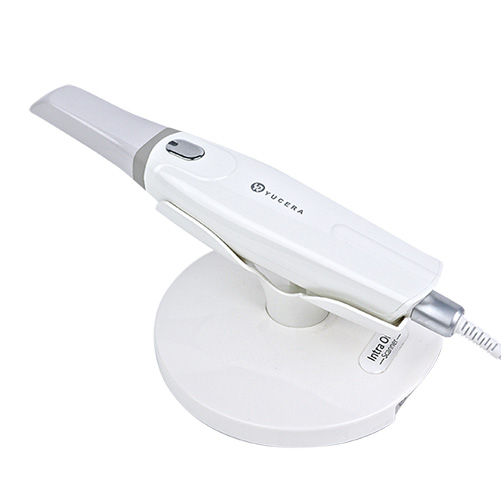
High-precision 3D scanning, AI calibration, full-arch accuracy.
learn more
40-min full sintering with 57% incisal translucency and 1050 MPa strength.
learn more
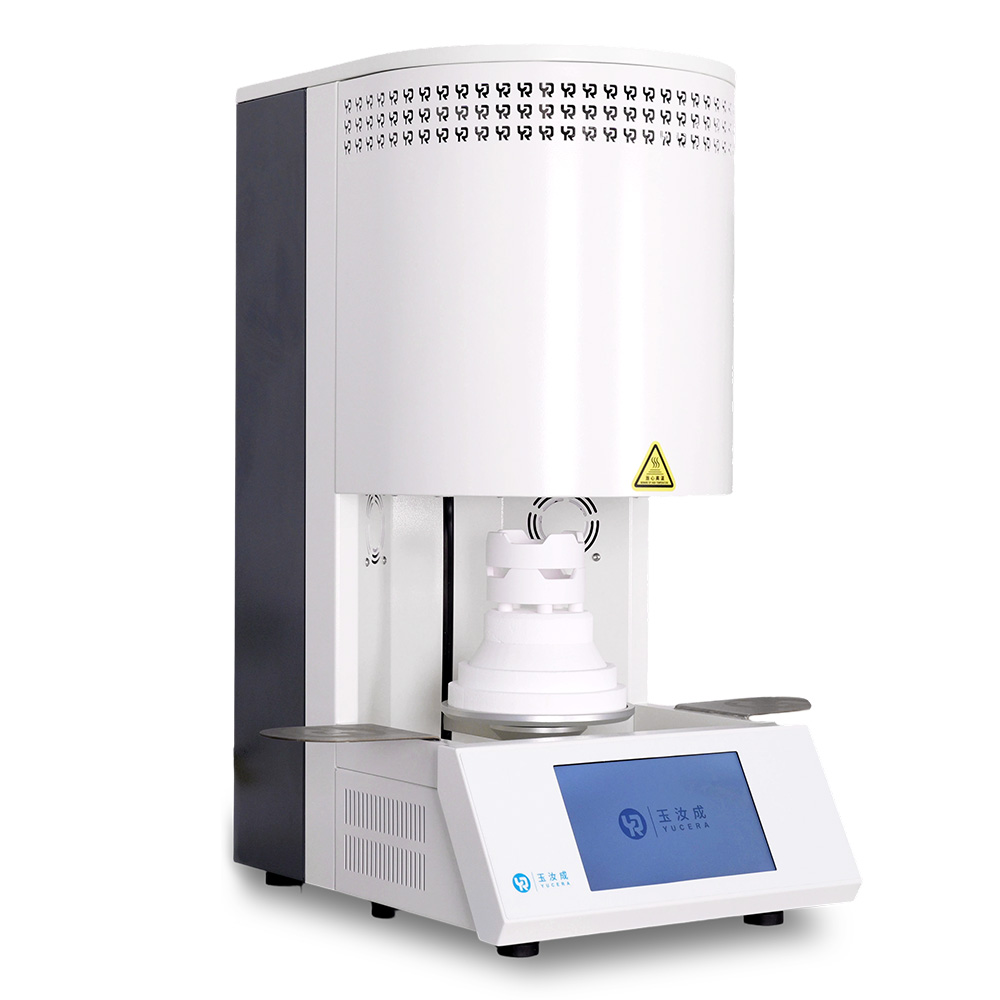
40-min cycle for 60 crowns, dual-layer crucible and 200°C/min heating.
learn more
High-speed LCD printer for guides, temporaries, models with 8K resolution.
learn more



2025-12-10
2026-03-14
2026-02-01


