中 文
中 文

What is the average price for dental implant surgery in Mexico
2025-04-21
2026-01-12
In dental CAD/CAM systems, the milling machine transforms digital designs into physical restorations like crowns, bridges, veneers, inlays, and implant abutments. At the center of this process lies the spindle—the high-speed rotating component that holds and drives the cutting tool. Often called the "heart" of the mill, the spindle determines machining efficiency, restoration quality, and long-term clinical success.
Modern dental mills feature spindles capable of 50,000 to 100,000 RPM, with many high-performance models reaching 80,000–100,000 RPM for demanding materials like zirconia and glass ceramics. Combined with micron-level accuracy (typically ±20–50 microns or better), these specifications directly influence surface finish, marginal fit, tool longevity, and overall restoration durability. This article examines the critical role of spindle speed and accuracy, supported by industry data and clinical insights, to help dental professionals optimize their workflows.
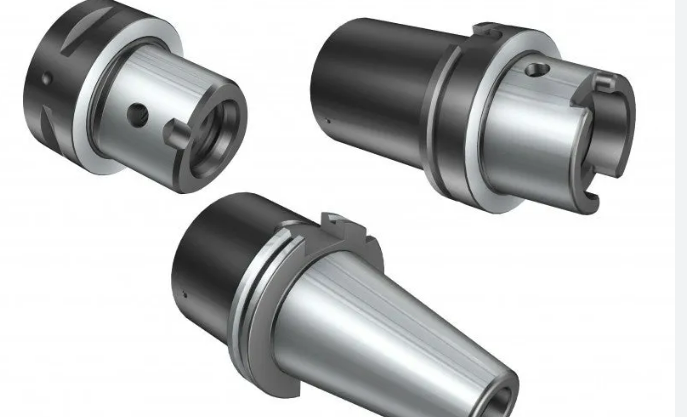
Spindle speed, measured in revolutions per minute (RPM), controls how quickly the tool rotates while removing material. In dental applications, typical ranges fall between 50,000 and 100,000 RPM, with premium systems achieving up to 100,000 RPM for efficient processing of hard materials.
High spindle speeds are essential for several reasons:
Clinical research on zirconia milling demonstrates that spindle speed significantly affects surface roughness. For example, higher speeds (around 60,000 RPM or more) deliver lower cutting forces and average Ra of approximately 1.61 µm in certain ceramics, while super-fast modes can increase roughness if not balanced with feed rates.
In practice, mills with 80,000 RPM spindles enable faster production of zirconia crowns—often in under 20 minutes—while maintaining quality suitable for same-day restorations.
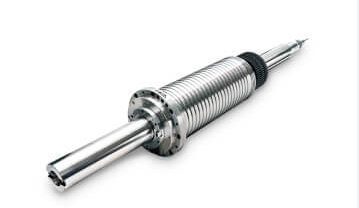
Accuracy refers to the spindle's ability to maintain precise tool positioning, typically measured in microns. Dental restorations demand tolerances of ±25–50 microns for marginal fit, as gaps larger than 100–120 microns increase risks of secondary caries, periodontal issues, and restoration failure.
High-precision spindles achieve this through:
Data from in vitro studies confirm that restorations with marginal discrepancies under 120 µm (achievable with precise spindles) show high clinical success rates. Poor accuracy leads to increased adjustments, remakes, and reduced longevity—crowns with ideal fit last 10–15+ years, while marginal issues shorten this significantly.
For glass ceramics and composites, precision ensures smooth, glossy surfaces that mimic natural teeth, enhancing aesthetics and patient satisfaction.
1. Surface Roughness and Aesthetics Higher spindle speeds, when optimized, reduce Ra values and improve glossiness. Research comparing milling parameters shows that speeds of 60,000+ RPM yield smoother zirconia surfaces (Ra ~0.76–1.61 µm) compared to lower speeds, minimizing plaque accumulation and improving biocompatibility.
2. Marginal Fit and Clinical Longevity Precision in the 20–50 micron range ensures seamless adaptation. Studies on zirconia crowns report marginal gaps under 120 µm as clinically acceptable, directly correlating with reduced microleakage and extended service life.
3. Tool Life and Operational Efficiency High-speed, low-vibration spindles extend tool life by reducing wear. Proper RPM minimizes heat and forces, allowing tools to last longer—critical for cost control in high-volume labs. Balanced parameters can cut tool replacement frequency by 30–50%.
4. Heat and Vibration Management Advanced spindles with air or liquid cooling and rigid designs limit heat buildup and vibration. Excessive vibration accelerates bearing wear, while controlled conditions support continuous operation without precision drift.
5. Overall Workflow Benefits Combining high RPM (80,000+) with micron accuracy enables faster milling without quality loss—ideal for chairside and lab environments. This supports same-day dentistry, reduces patient visits, and boosts practice efficiency.
While high-performance spindles offer advantages, they require proper setup: optimized feed rates, tool selection, and regular calibration. Overly aggressive speeds can increase roughness or chipping if mismatched with material properties. Regular maintenance, including vibration checks and bearing inspections, ensures sustained performance.
Future advancements, including AI-optimized paths and even higher RPM capabilities, promise further improvements in speed and precision.
The spindle is truly the heart of dental CAD/CAM milling machines. Spindle speeds of 50,000–100,000 RPM enable efficient, high-quality processing of demanding materials, while micron-level accuracy guarantees exceptional fit, aesthetics, and longevity. These factors directly translate to better clinical outcomes, fewer remakes, and higher patient satisfaction.
For dental labs and clinics prioritizing precision and efficiency, selecting a milling system with robust spindle technology is essential. In the competitive field of digital dentistry, the right spindle doesn't just mill restorations—it elevates the standard of care.

Dry & wet milling for zirconia, PMMA, wax with auto tool changer.
learn more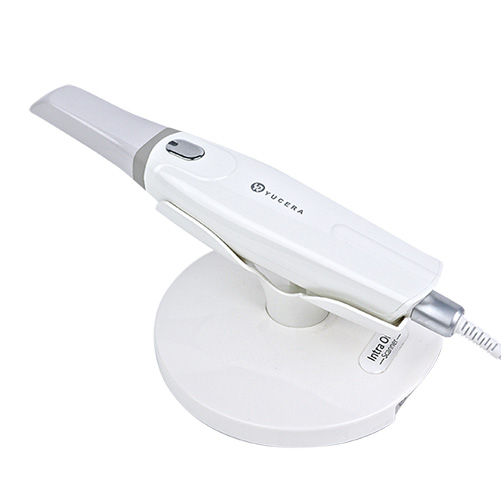
High-precision 3D scanning, AI calibration, full-arch accuracy.
learn more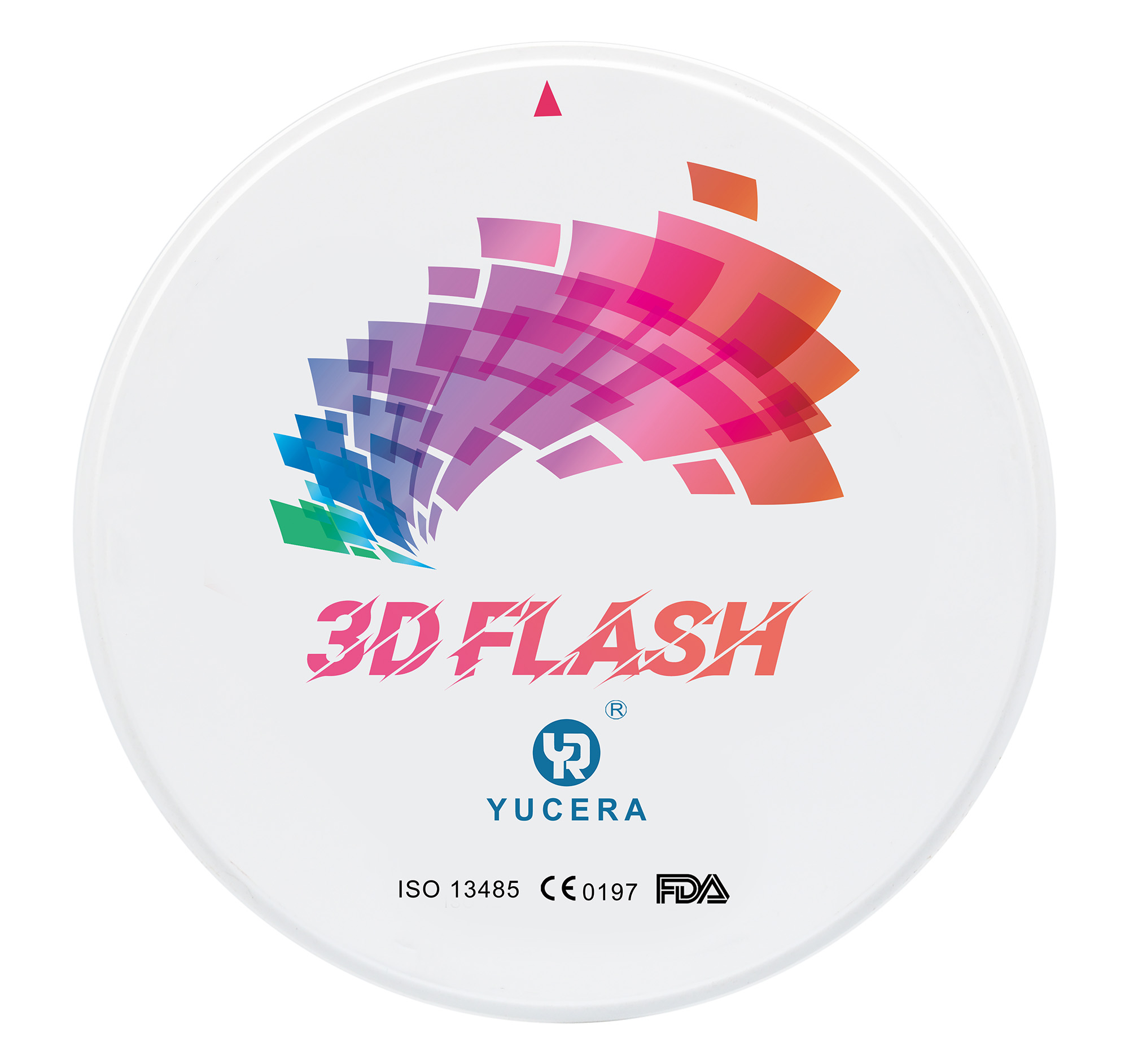
40-min full sintering with 57% incisal translucency and 1050 MPa strength.
learn more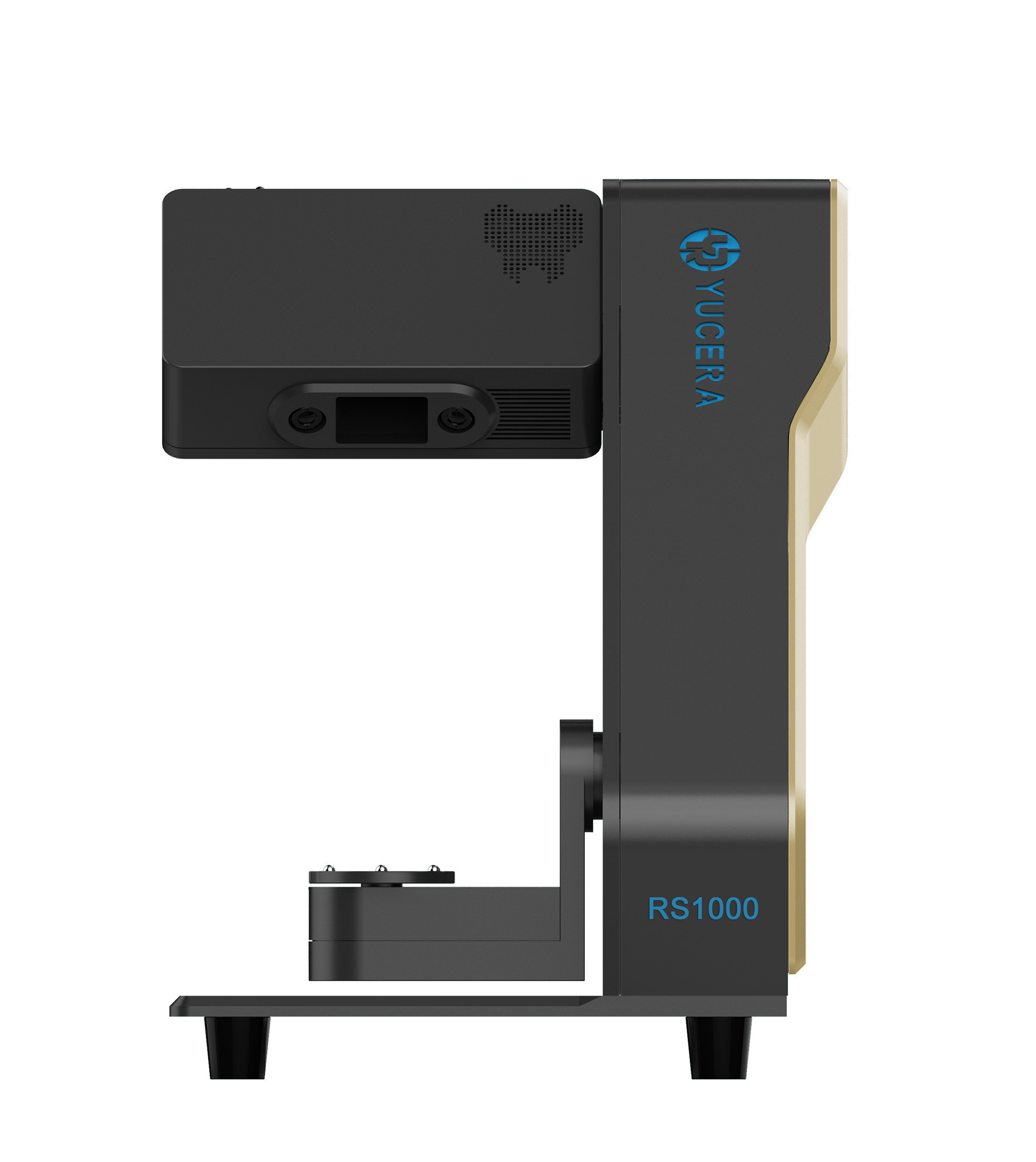
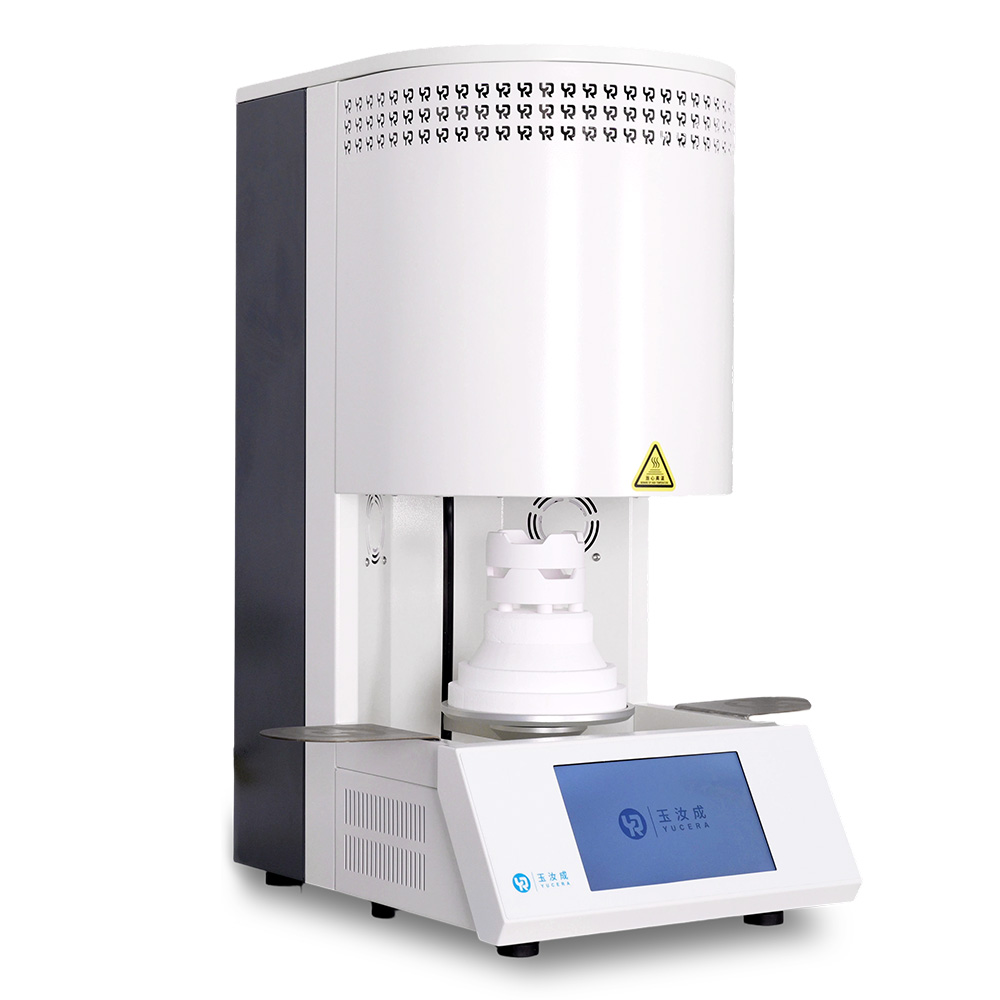
40-min cycle for 60 crowns, dual-layer crucible and 200°C/min heating.
learn more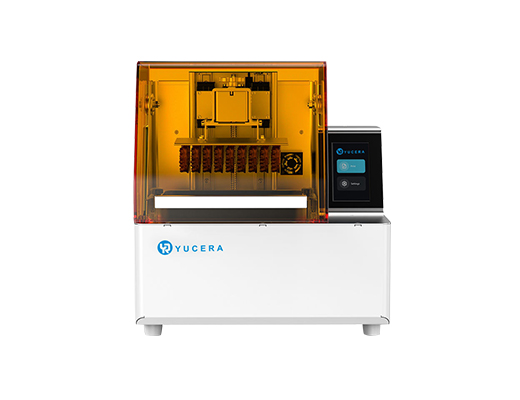
High-speed LCD printer for guides, temporaries, models with 8K resolution.
learn more