


 中 文
中 文
Demand for Zirconia Blocks in Eastern Europe's Dental Market: Growth Trends and Opportunities for 2025-2030
2025-12-03
2026-07-09
In restorative dentistry, achieving a natural-looking restoration is only part of the clinical goal. A successful restoration must also provide proper function, comfort, and long-term stability.
Whether restoring a single crown, bridge, implant-supported restoration, or veneer, accurate occlusal adjustment plays an essential role in ensuring harmonious contact between the restoration and the opposing dentition.
Dental articulating paper remains one of the most commonly used tools for evaluating occlusal contacts. Even with advanced CAD/CAM technologies, digital design software, and high-precision milling systems, final intraoral occlusal verification is still necessary.
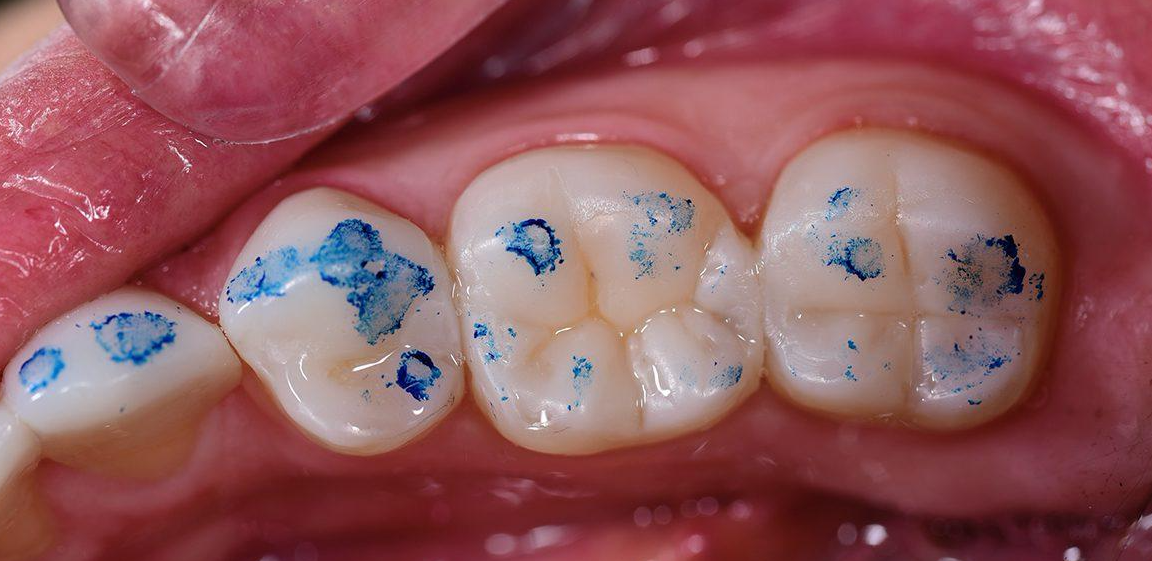
By creating visible marking patterns on occlusal surfaces, articulating paper helps clinicians identify premature contacts, uneven pressure distribution, and areas requiring adjustment.
Dental articulating paper is a thin marking material used to record contact points between opposing teeth or dental restorations.
When a patient bites or performs mandibular movements, pressure between the upper and lower surfaces transfers pigment from the paper onto the occlusal surface. These marks provide visual information about:
Different thicknesses and materials are available depending on the clinical application. Thin articulating films are commonly used for precise evaluation, while thicker papers may be used for initial contact detection.
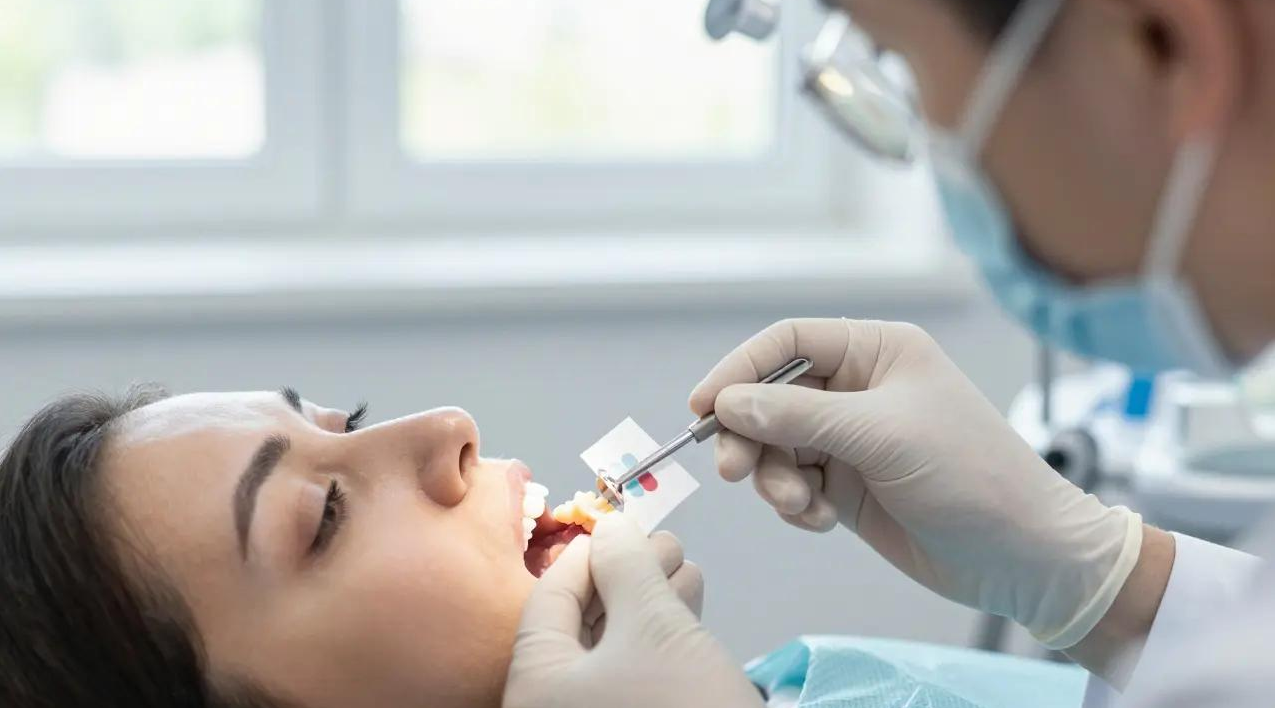
One of the most common issues after crown or bridge placement is excessive occlusal contact.
A restoration that is slightly too high may cause:
Articulating paper allows clinicians to quickly locate high-contact areas and adjust the restoration before final cementation.
Dental restorations are constantly exposed to chewing forces.
Improper occlusion can create concentrated stress points, which may affect:
For ceramic materials such as zirconia, accurate occlusal design helps distribute functional forces more evenly across the restoration.
Patients naturally adapt to their bite pattern. Even minor occlusal discrepancies may result in:
A proper occlusal adjustment process helps achieve a more comfortable functional result.
Digital dentistry has significantly improved restoration design and manufacturing.
The typical workflow includes:
Although CAD software can simulate occlusal contacts, actual patient conditions may differ because of:
Therefore, articulating paper remains an important final verification tool.
Zirconia restorations are widely used because of their strength, durability, and aesthetic options.
During clinical adjustment, dentists need to carefully evaluate:
After adjustment, proper polishing is important to maintain surface quality and reduce wear on opposing teeth.
Implant-supported restorations require careful occlusal management because implants do not have the same periodontal ligament response as natural teeth.
Occlusal evaluation helps clinicians:
Articulating paper is commonly used together with clinical examination methods to confirm appropriate contact patterns.
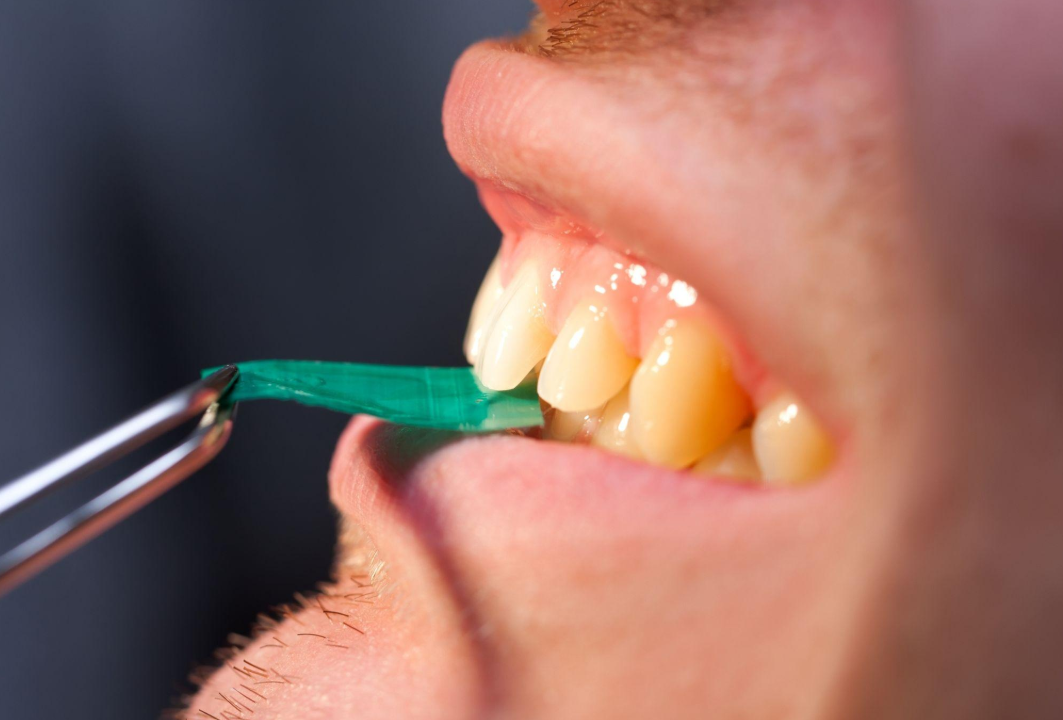
A complete occlusal evaluation usually includes both static and dynamic analysis.
Static analysis evaluates contacts when the patient closes into maximum intercuspation.
It helps identify:
Dynamic analysis evaluates tooth contacts during movements such as:
This helps detect:
For anterior restorations and complex rehabilitation cases, dynamic evaluation is particularly important.
Moisture can reduce marking clarity.
Before checking occlusion:
Different situations require different marking materials.
For example:
A thinner material can reduce the risk of creating false contacts.
Occlusal evaluation should not rely only on biting pressure.
Clinicians should also check:
This provides a more complete understanding of functional contacts.
After adjustment:
Multiple verification steps help achieve a balanced final result.
Modern CAD/CAM systems have improved restoration consistency through digital design and automated manufacturing.
High-quality restoration production depends on:
However, digital technology does not completely replace clinical evaluation.
The final restoration must still be verified under real oral conditions.
The combination of:
Digital design + Precision milling + Clinical occlusal adjustment
creates a more predictable restorative workflow.
With the development of digital dentistry, occlusal analysis is becoming increasingly integrated with digital workflows.
Future restorative procedures may combine:
However, physical verification methods such as articulating paper continue to provide practical clinical confirmation.
The most effective approach is not replacing traditional methods but combining digital technology with proven clinical techniques.
Dental articulating paper remains an essential tool in modern restorative dentistry. From conventional crowns to advanced CAD/CAM zirconia restorations, accurate occlusal evaluation helps improve restoration comfort, function, and longevity.
While digital dentistry provides improved design and manufacturing accuracy, final occlusal adjustment ensures that restorations perform successfully in real clinical environments.
By understanding the role of articulating paper and integrating it into a complete digital workflow, dental professionals can achieve more predictable and patient-focused restorative outcomes.

Dry & wet milling for zirconia, PMMA, wax with auto tool changer.
learn more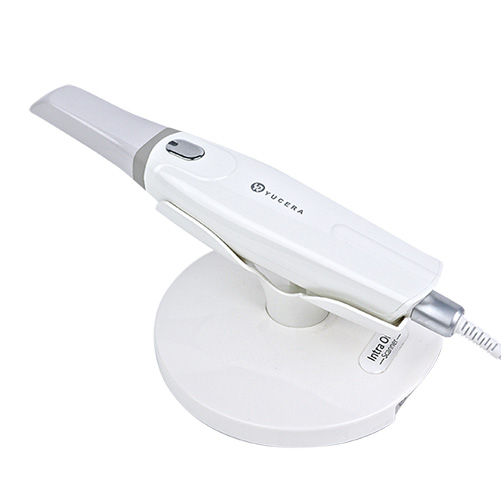
High-precision 3D scanning, AI calibration, full-arch accuracy.
learn more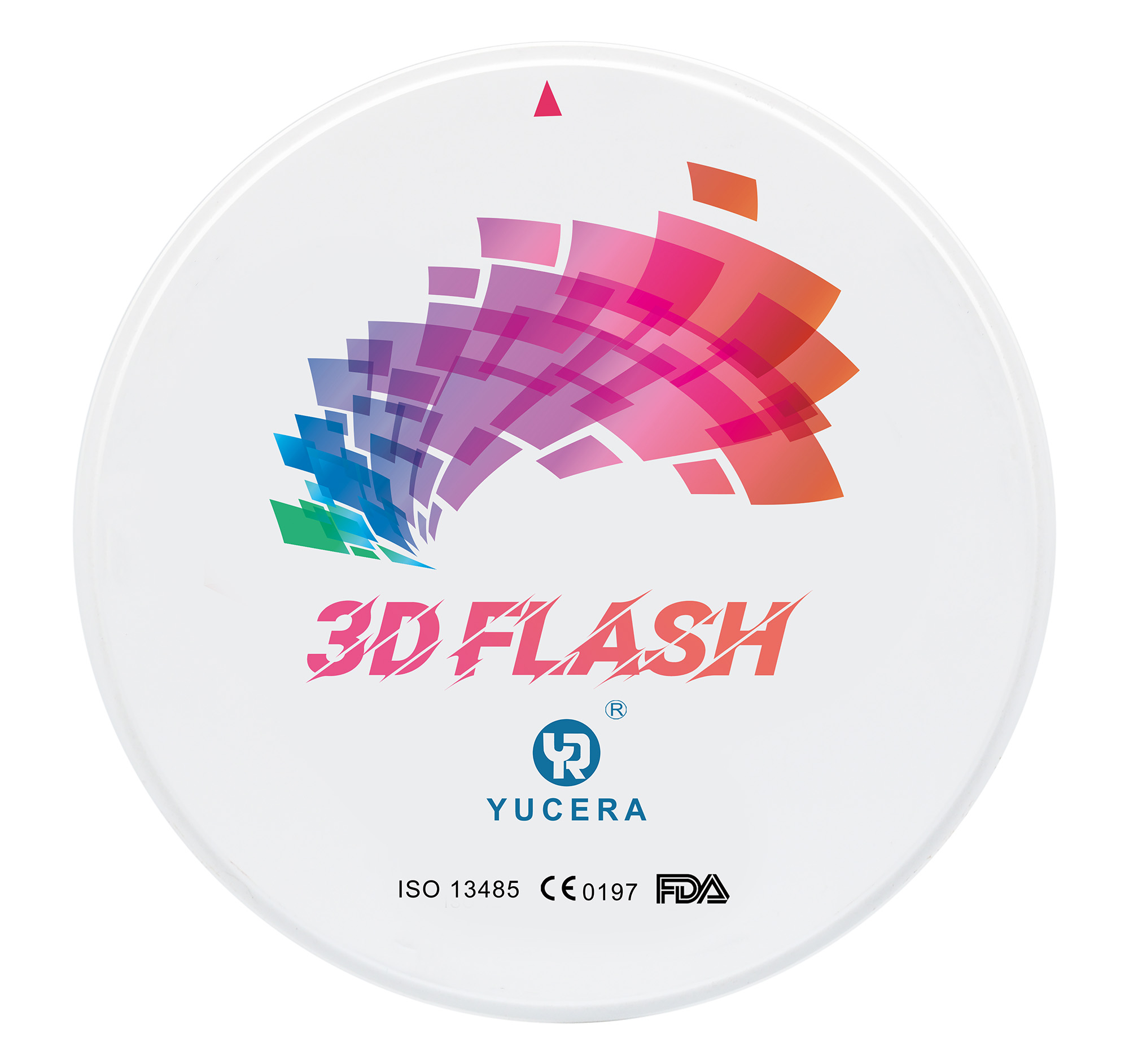
40-min full sintering with 57% incisal translucency and 1050 MPa strength.
learn more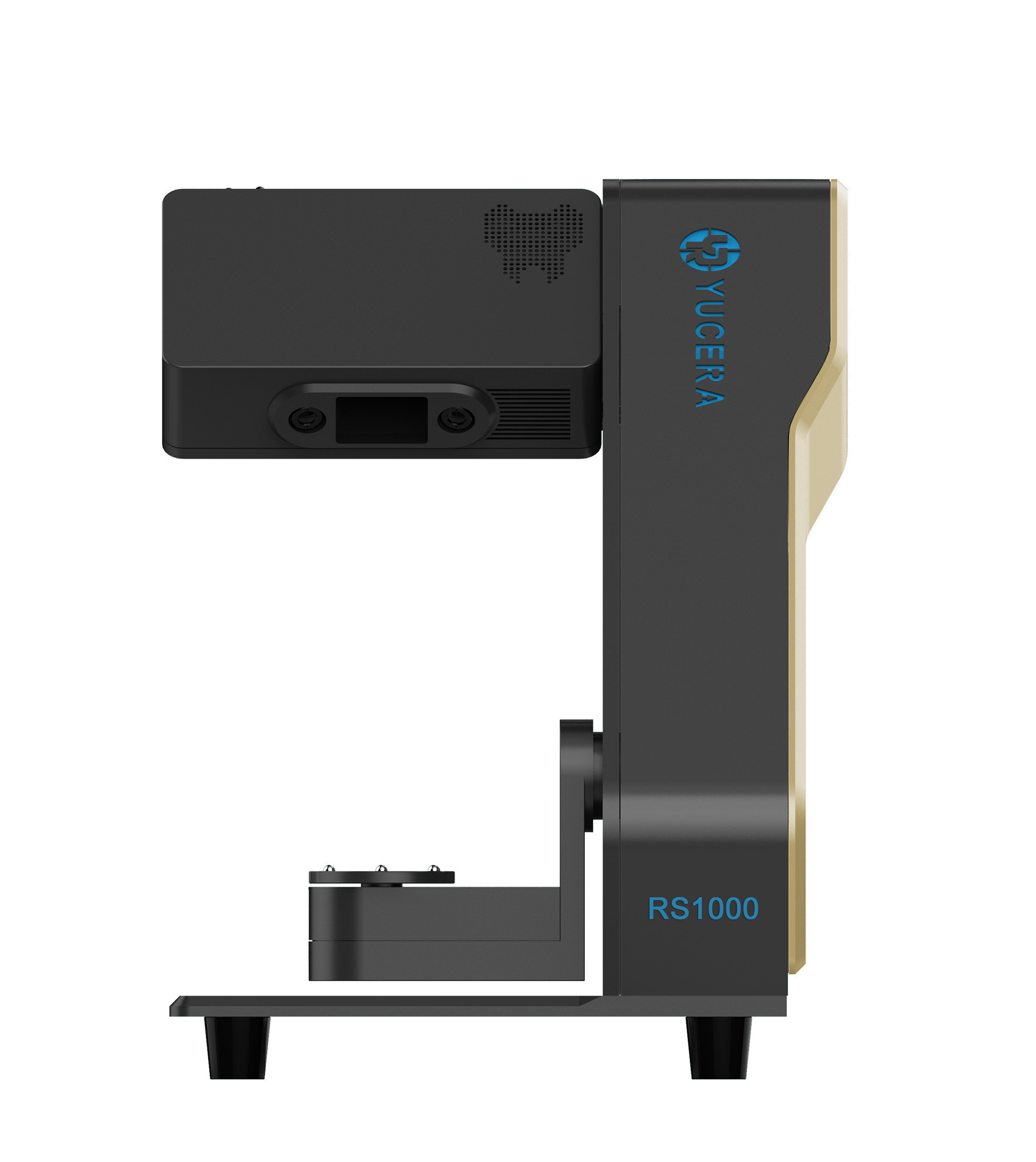
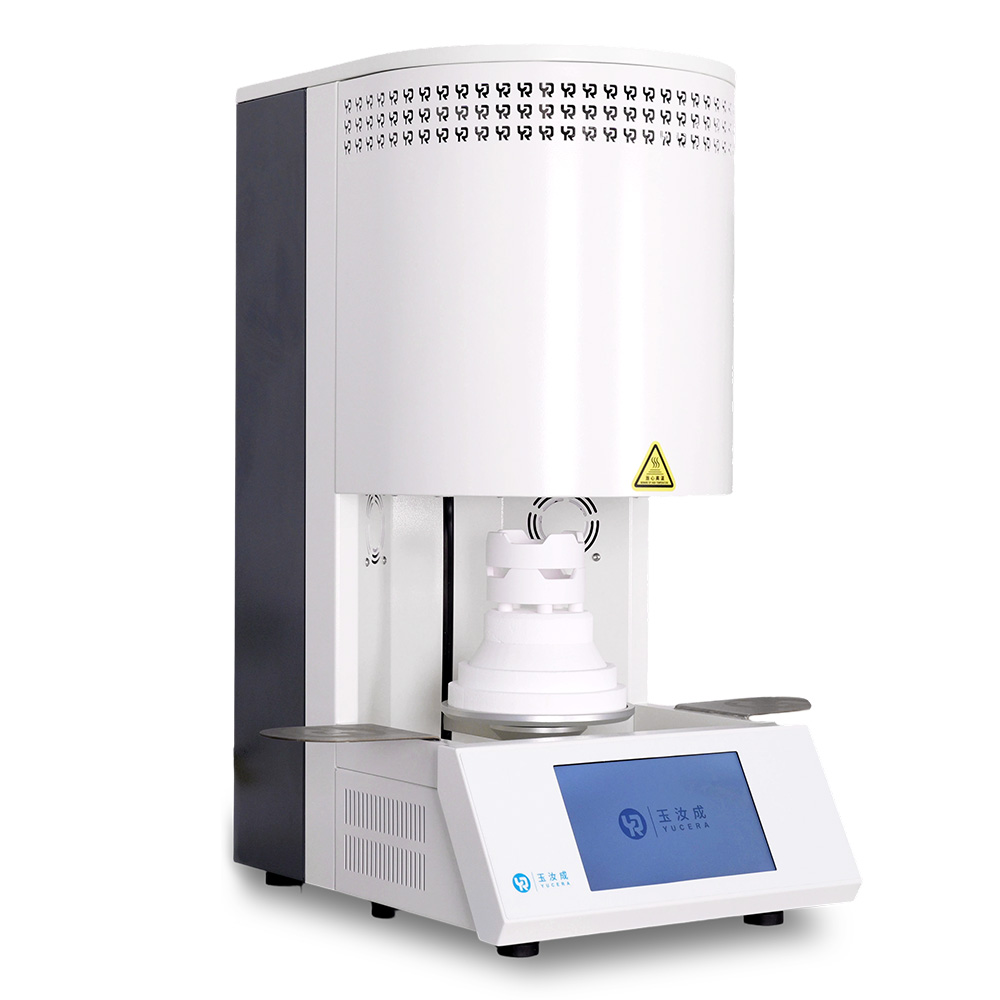
40-min cycle for 60 crowns, dual-layer crucible and 200°C/min heating.
learn more
High-speed LCD printer for guides, temporaries, models with 8K resolution.
learn more


2025-12-03

2024-09-24
2026-04-09


