中 文
中 文
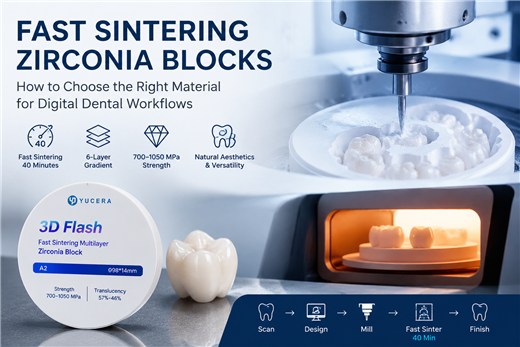
Fast Sintering Zirconia Blocks: How to Choose the Right Material for Digital Dental Workflows
2026-07-22
2026-06-07
Digital dentistry has transformed laboratory workflows. Two key technologies dominate: CAD/CAM milling and 3D printing. Both produce restorations from digital designs but use different methods. Milling removes material from a solid block, while 3D printing builds objects layer by layer.
Choosing the right technology depends on your lab’s workflow, restoration types, and production volume.
Milling is a subtractive process where restorations are carved from solid blocks using computer-controlled burs. Common materials include:
Milling delivers high precision, smooth surfaces, and strong permanent restorations, making it ideal for crowns, bridges, and implant frameworks.
Pros: High accuracy, strong materials, long-term durability
Cons: Higher investment, more material waste, limited batch scalability
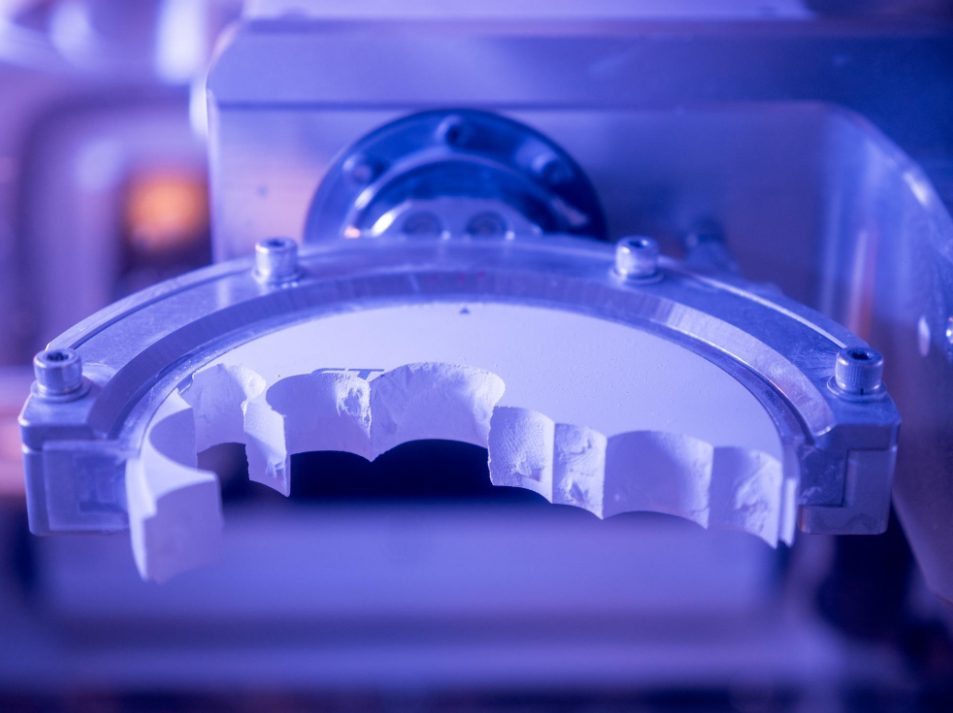
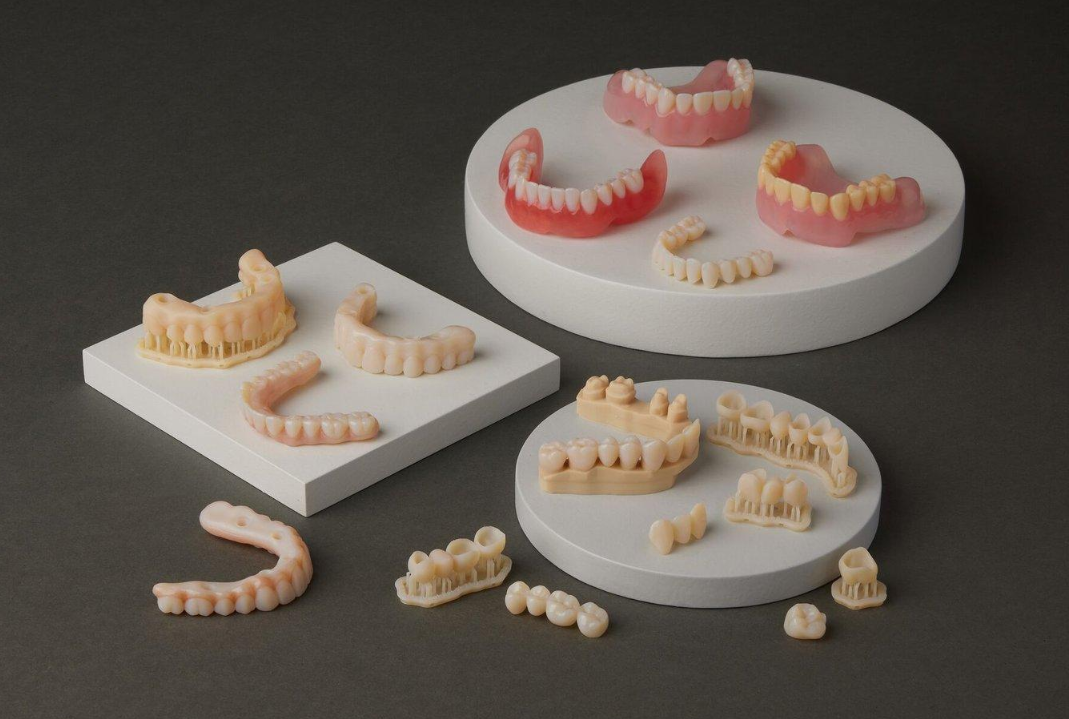
3D printing is additive, building objects layer by layer from resins. Applications include:
Printing allows complex geometries and efficient batch production, with less material waste compared to milling.
Pros: Lower cost, fast batch production, less waste
Cons: Limited permanent restoration materials, post-processing required
| Factor | Milling | 3D Printing |
|---|---|---|
| Accuracy | Excellent | Very Good |
| Material Options | Zirconia, PMMA, PEEK, Titanium | Resins |
| Production Speed | Fast for individual restorations | Fast for batch production |
| Material Waste | Higher | Lower |
| Strength | High | Moderate-High |
| Investment | Higher | Lower |
| Ideal For | Permanent restorations | Models, guides, splints |
Accuracy: Milling remains superior for high-strength restorations.
Material Flexibility: Milling supports more durable, permanent materials.
Production Efficiency: Printing excels in high-volume batches.
Material Waste: Printing is more efficient and sustainable.
Investment: 3D printing has lower entry costs; milling requires higher initial investment.
Many modern labs combine both technologies:
Hybrid workflows leverage the strengths of both approaches, maximizing flexibility and productivity.
You focus on zirconia crowns, bridges, or implants
Accuracy and long-term restoration quality are critical
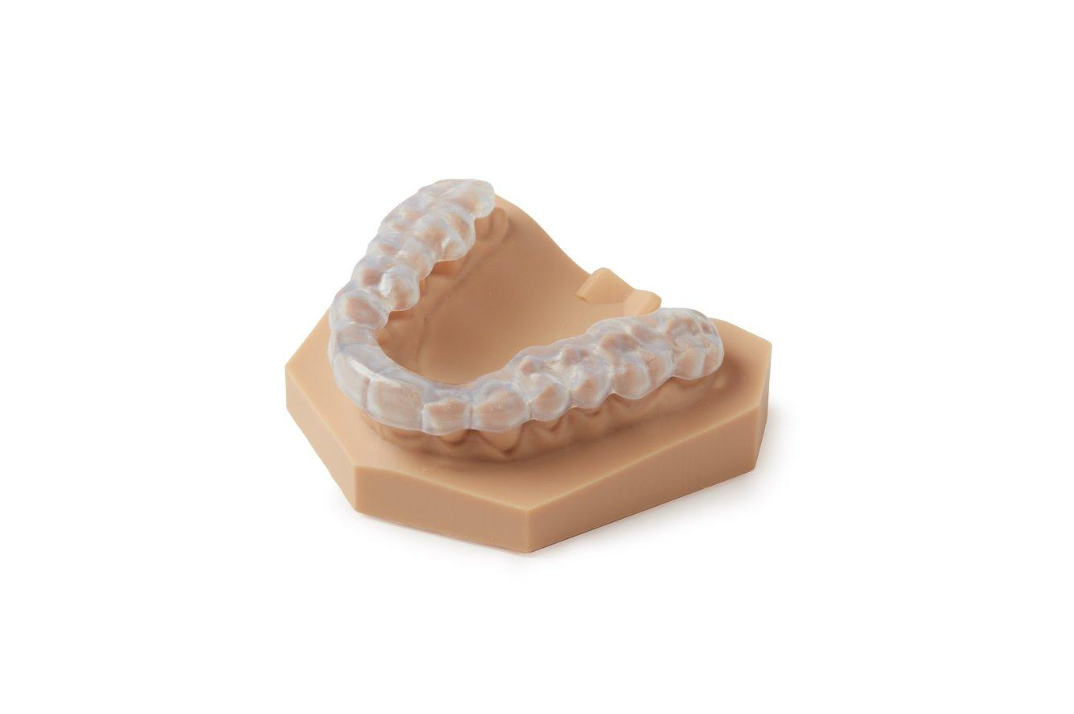
You produce models, guides, or splints
Batch production speed and lower investment matter
You want a full digital workflow
Your lab serves multiple dental specialties
You aim for maximum flexibility and future-proofing
Dental milling and 3D printing are complementary. Milling ensures durable, high-precision restorations, while printing improves efficiency for models and guides. Many labs achieve the best ROI by integrating both, creating a versatile and future-ready digital workflow.

Dry & wet milling for zirconia, PMMA, wax with auto tool changer.
learn more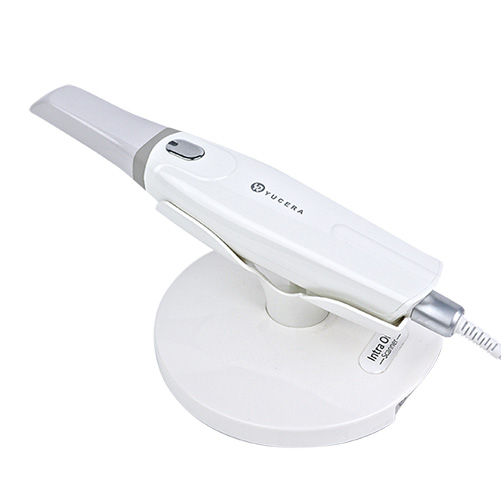
High-precision 3D scanning, AI calibration, full-arch accuracy.
learn more
40-min full sintering with 57% incisal translucency and 1050 MPa strength.
learn more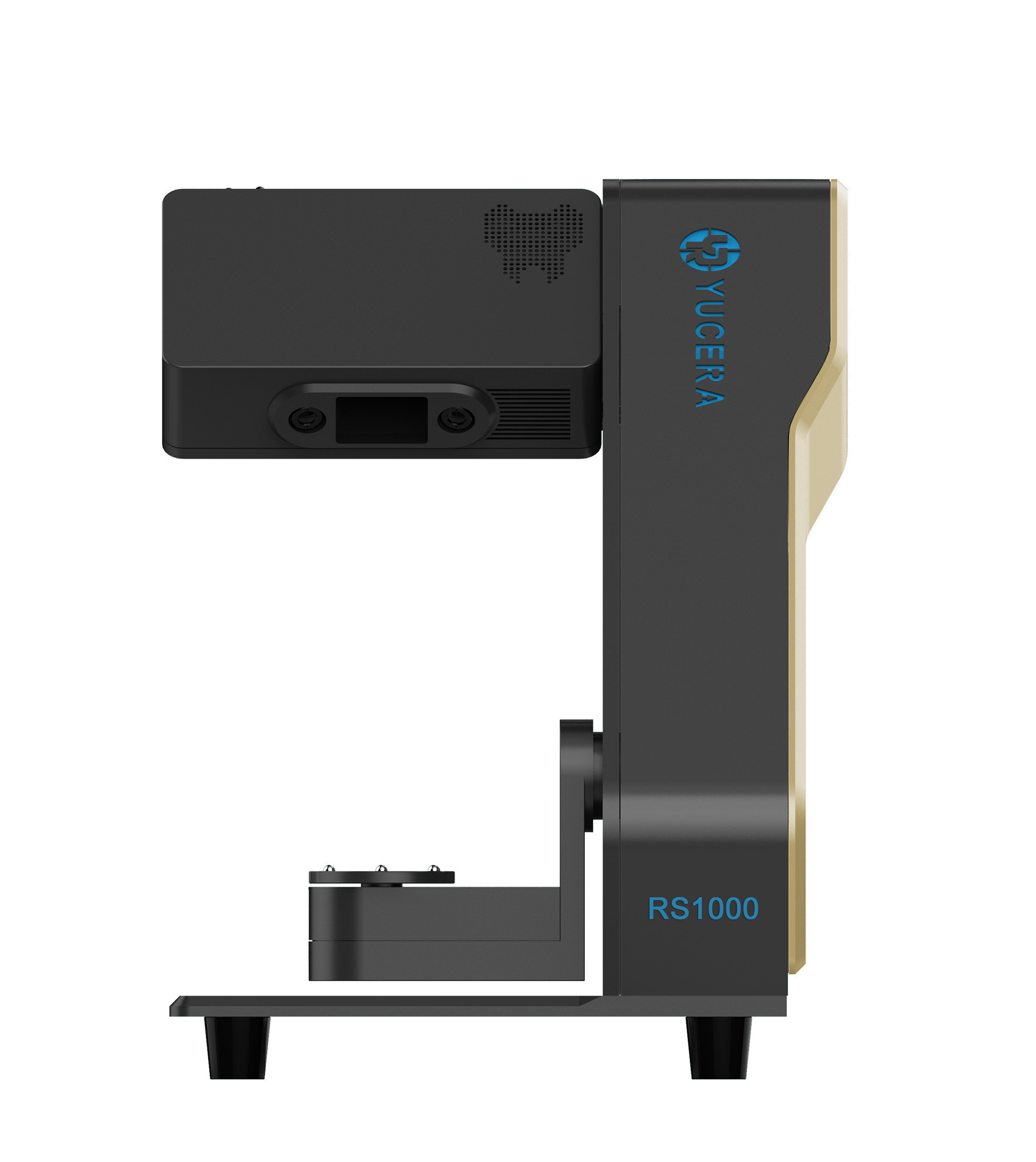
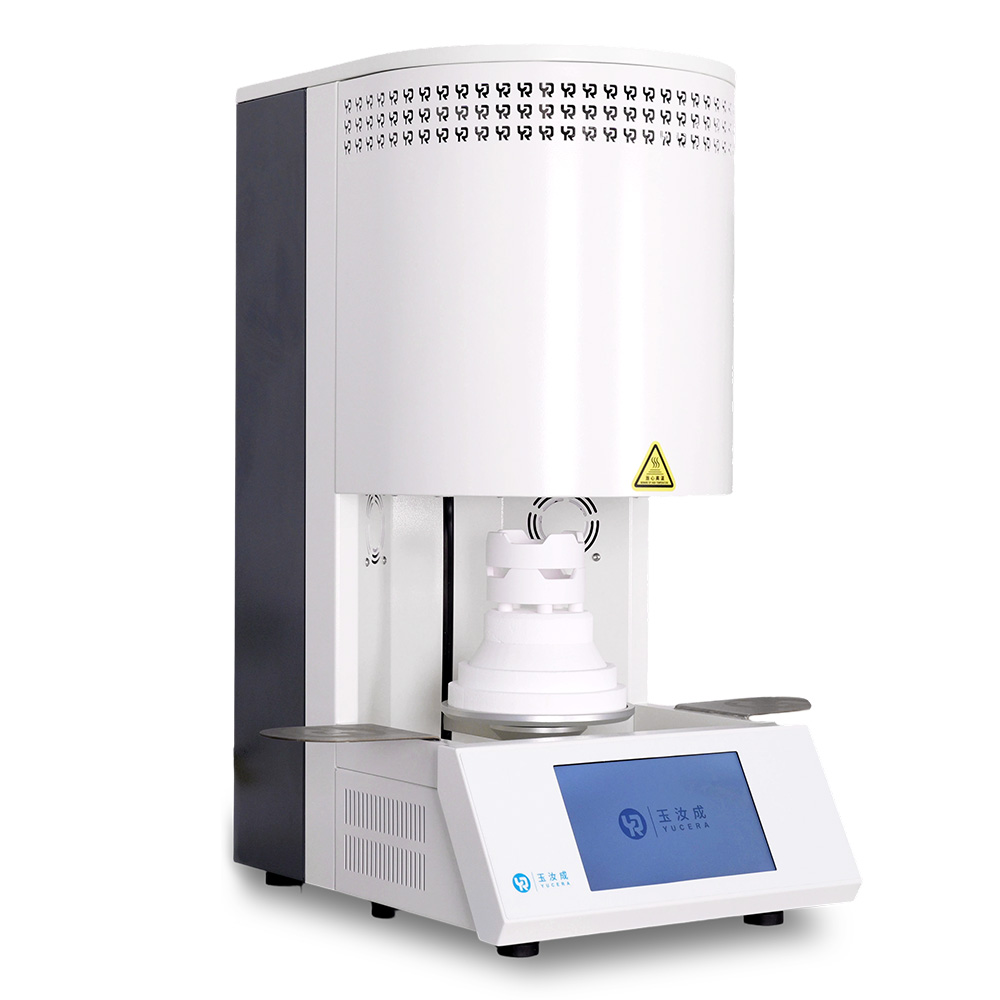
40-min cycle for 60 crowns, dual-layer crucible and 200°C/min heating.
learn more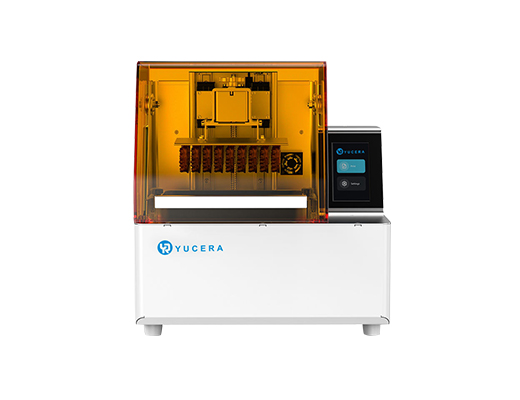
High-speed LCD printer for guides, temporaries, models with 8K resolution.
learn more