


 中 文
中 文
Best Dental Milling Machines for Zirconia in 2025: Top Picks for Labs
2025-11-06
2026-05-31
When dental laboratories evaluate milling materials, most attention is typically given to factors such as strength, translucency, shade systems, and material composition. While these characteristics are important, one critical factor is often overlooked: milling disc size selection.
Choosing the wrong milling disc size can affect material utilization, restoration nesting efficiency, machine compatibility, inventory management, and production costs. Surprisingly, many laboratories encounter workflow issues not because of the material itself, but because the selected disc dimensions do not align with their actual production requirements.
As digital dentistry continues to evolve, understanding how disc diameter, thickness, holder design, and restoration type interact within a CAD/CAM workflow has become increasingly important.
This article explores six common mistakes dental laboratories make when choosing milling disc sizes and how to avoid them.
In a modern CAD/CAM workflow, milling discs are not simply consumables. They directly influence:
Whether a laboratory mills zirconia, PMMA, wax, composite materials, or high-performance polymers, selecting the appropriate disc size helps ensure stable production and reduces unnecessary waste.
A larger disc does not automatically mean better productivity, and a smaller disc does not always result in lower costs. The optimal choice depends on restoration types, daily production volume, and milling equipment configuration.
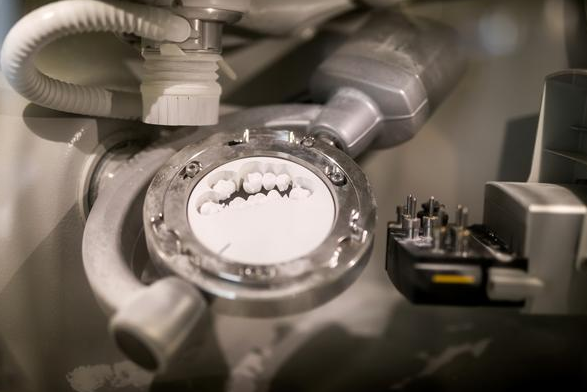
One of the most common misconceptions is that all 98 mm milling discs are interchangeable.
While 98 mm has become a widely adopted industry standard, compatibility involves more than diameter alone.
Additional factors include:
Even when two discs share the same diameter, differences in mounting structures may affect installation and machining stability.
Before purchasing materials, laboratories should verify compatibility between:
Failing to check these details can lead to installation issues, interrupted production, or reduced machining accuracy.
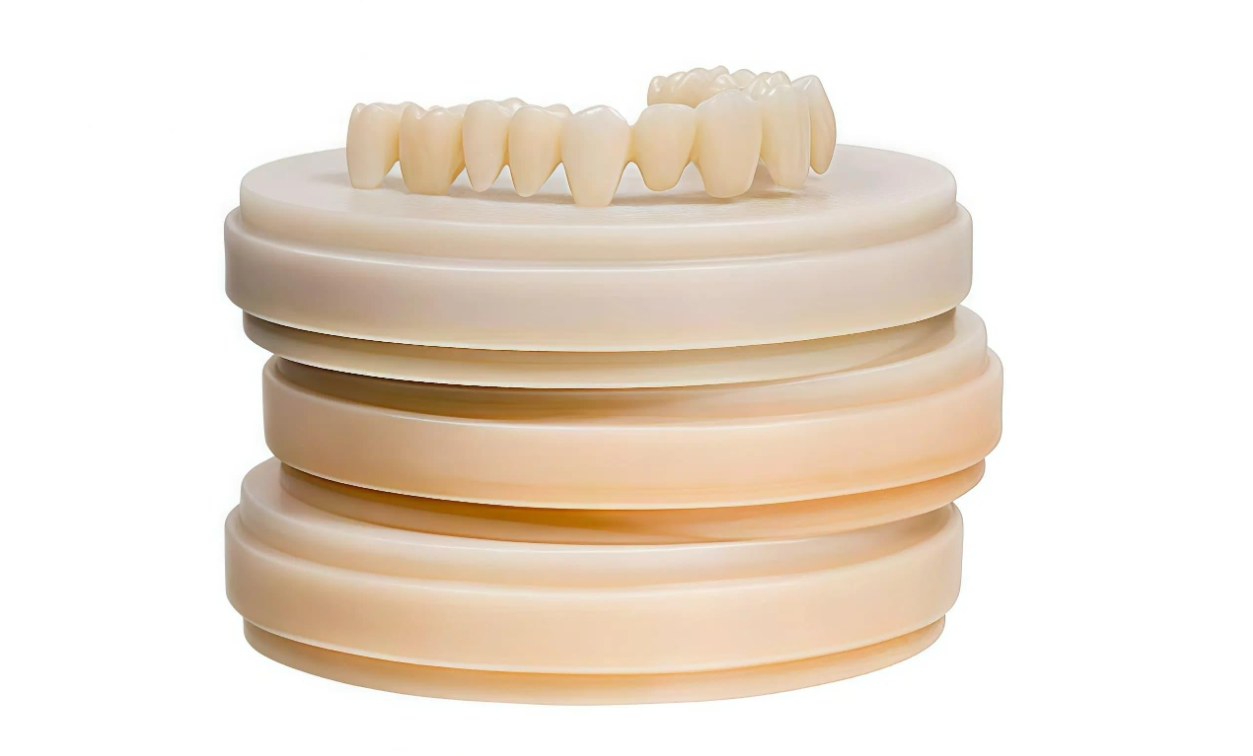
Diameter often receives the most attention during purchasing decisions, but disc thickness is equally important.
Typical disc thickness options include:
Each thickness supports different restoration requirements.
Suitable for:
More suitable for:
Laboratories producing complex restorations may experience nesting failures if disc thickness is insufficient for restoration height requirements.
Selecting disc thickness according to actual case distribution helps maximize productivity while minimizing waste.
Many laboratories compare material costs based solely on disc purchase price.
However, the more relevant metric is often material utilization.
For example, a lower-cost disc may appear economical initially but produce fewer restorations due to reduced nesting efficiency.
Factors affecting utilization include:
High-performing laboratories increasingly evaluate materials based on:
This approach provides a more accurate assessment of long-term operational costs.
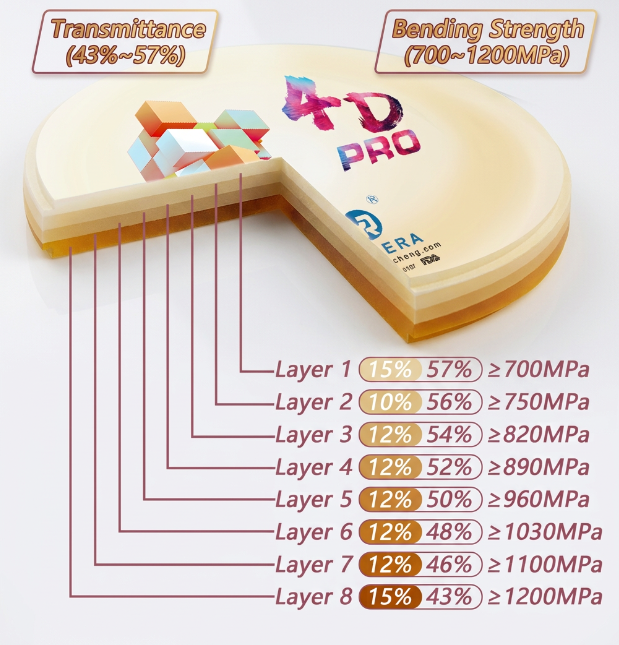
Multilayer zirconia has become widely adopted for aesthetic restorations because it combines color and translucency gradients within a single disc.
However, these materials introduce additional considerations during disc selection.
A multilayer disc typically contains:
The available gradient height varies depending on disc thickness and material design.
Laboratories sometimes focus solely on restoration dimensions while overlooking gradient positioning.
As a result, restorations may exhibit:
When working with multilayer materials, technicians should evaluate both restoration height and gradient structure to achieve optimal results.
Many laboratories purchase materials according to their current workload.
For example:
A laboratory primarily producing single crowns may stock only thinner discs.
However, digital dentistry continues to evolve rapidly, and treatment trends increasingly include:
As restoration complexity increases, previously sufficient disc inventories may become restrictive.
A balanced inventory strategy should consider both current production requirements and future growth opportunities.
Maintaining a reasonable mix of disc thicknesses allows laboratories to adapt more efficiently to changing case demands.
Disc size selection is closely connected to milling machine design.
The clamping system influences:
Differences in holder design may affect how much material around the disc perimeter can be utilized.
When laboratories upgrade milling equipment, previously purchased materials may not always provide the same level of compatibility or efficiency.
Before implementing new equipment or materials, technicians should review:
These factors contribute directly to workflow reliability and material performance.
Rather than selecting discs based solely on price or popularity, laboratories should evaluate their overall production environment.
Consider the following questions:
Single-unit restorations may require different disc thicknesses than full-arch frameworks.
Higher-volume laboratories may prioritize material utilization and nesting efficiency.
Zirconia, PMMA, wax, composite materials, and high-performance polymers may have different dimensional requirements.
Machine architecture influences compatibility and usable disc area.
Laboratories expecting growth in implantology or full-arch rehabilitation may benefit from broader inventory flexibility.
Answering these questions helps create a more strategic purchasing plan.
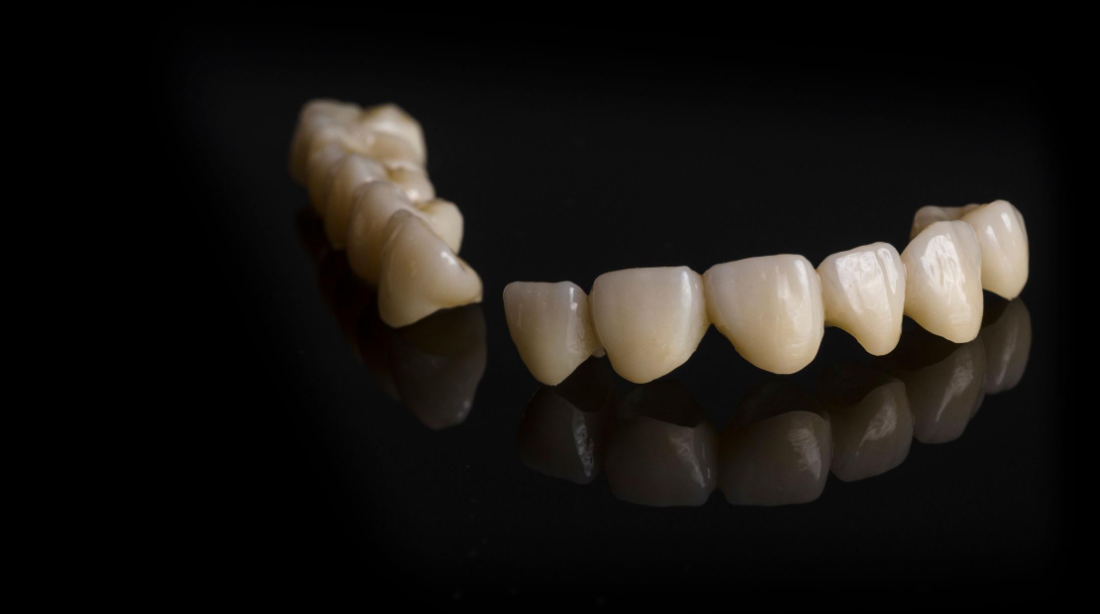
Successful laboratories often follow several practical guidelines:
Reducing unnecessary disc variations simplifies inventory management and purchasing.
Reviewing restoration categories over several months helps identify the most frequently required disc sizes.
Efficient nesting can improve utilization without increasing material costs.
Avoid selecting overly thick discs for simple cases or excessively thin discs for complex restorations.
Always confirm disc specifications with machine requirements to avoid production interruptions.
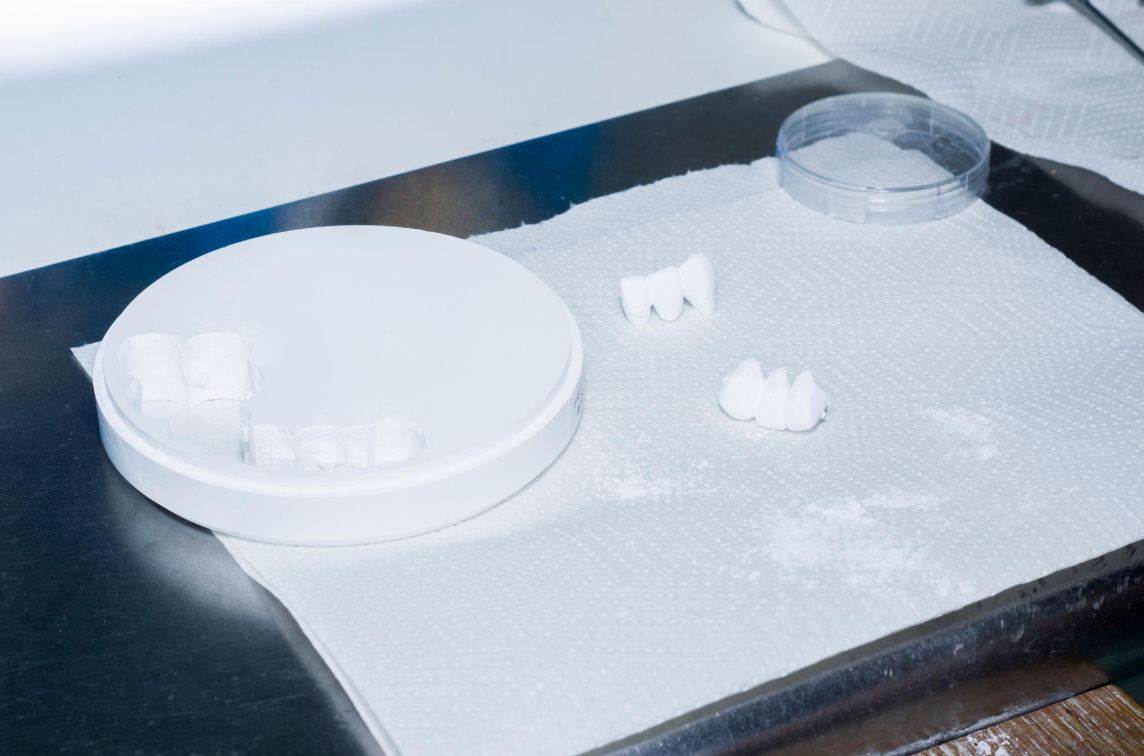
Milling disc selection plays a much larger role in laboratory productivity than many professionals realize. While material properties remain important, disc dimensions, thickness, compatibility, and utilization efficiency directly influence daily workflow performance.
The most common mistakes—including assuming all 98 mm discs are interchangeable, ignoring thickness requirements, overlooking multilayer structures, and neglecting machine compatibility—can lead to unnecessary waste and operational inefficiencies.
By evaluating restoration types, production goals, and equipment requirements together, dental laboratories can make more informed purchasing decisions and build a more efficient digital manufacturing workflow.
As CAD/CAM dentistry continues to advance, strategic material selection will remain a key factor in improving consistency, scalability, and long-term laboratory performance.

Dry & wet milling for zirconia, PMMA, wax with auto tool changer.
learn more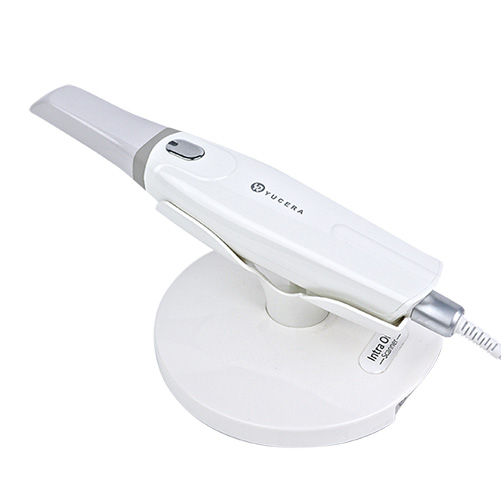
High-precision 3D scanning, AI calibration, full-arch accuracy.
learn more
40-min full sintering with 57% incisal translucency and 1050 MPa strength.
learn more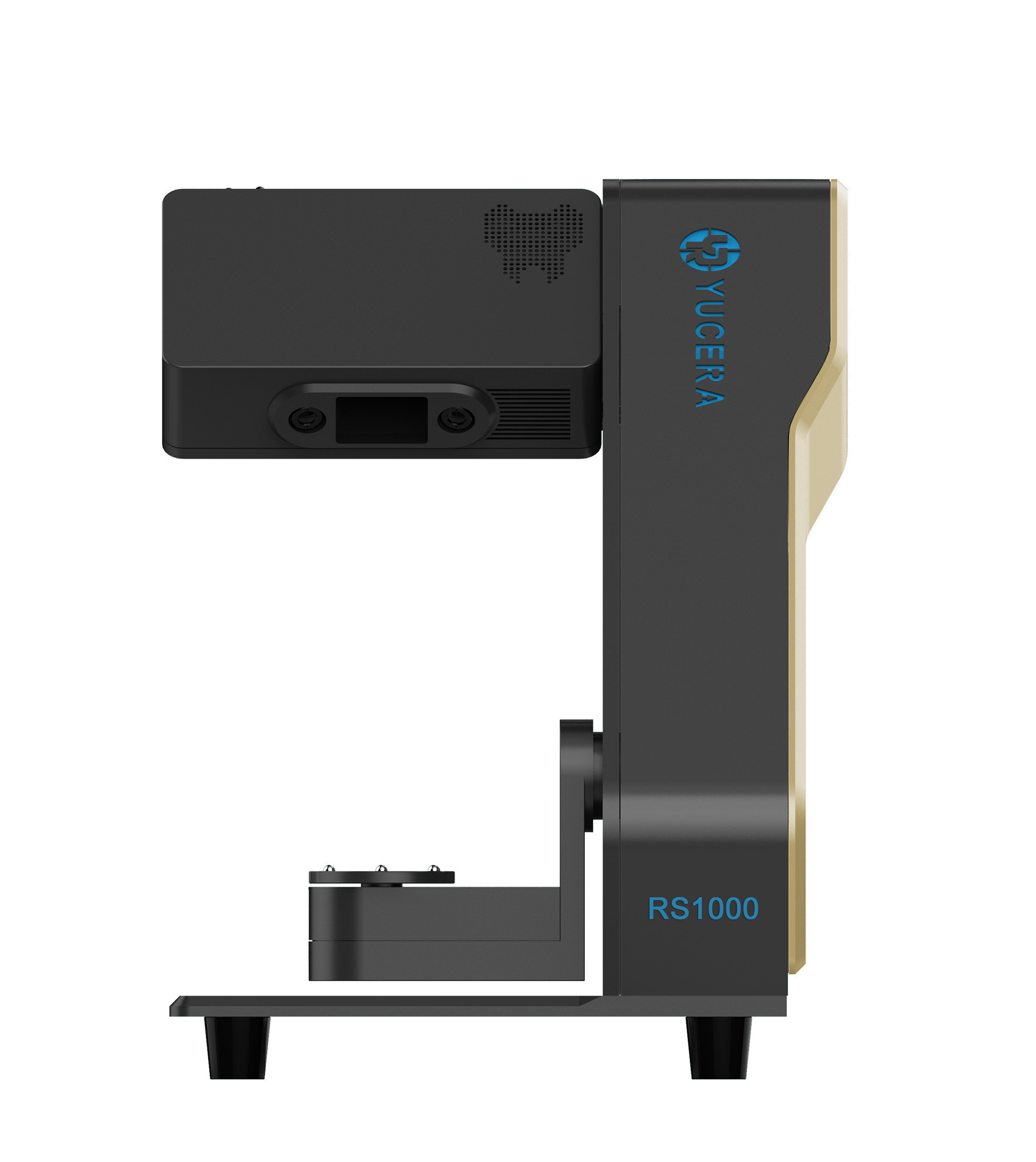
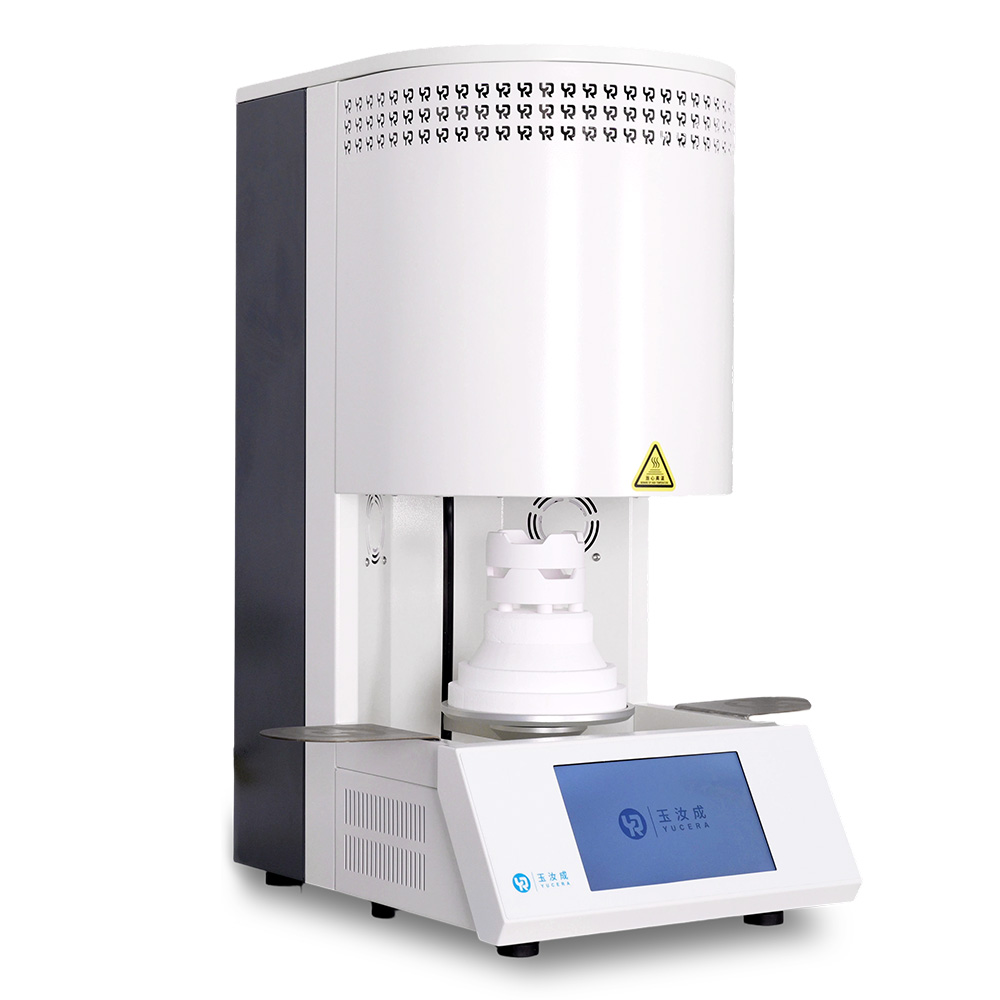
40-min cycle for 60 crowns, dual-layer crucible and 200°C/min heating.
learn more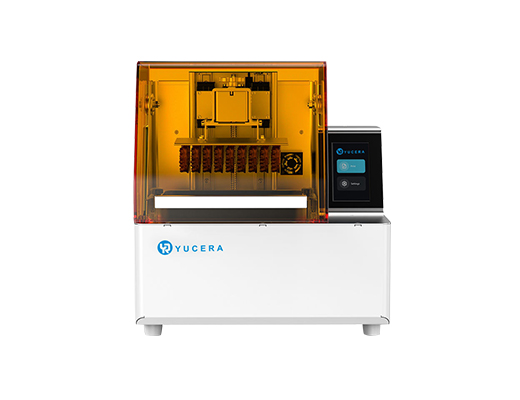
High-speed LCD printer for guides, temporaries, models with 8K resolution.
learn more


2025-11-06

2025-10-25
2026-03-21


