


 中 文
中 文
Overcoming High Costs and Learning Curves in Dental Milling Technology
2025-10-21
2025-12-27
As of 2025, the global dental CAD/CAM market is valued at approximately $3.1 billion, with projections reaching $7.48 billion by 2034 at a CAGR of 10.29%. This growth is driven by rising oral health issues affecting over 3.5 billion people worldwide and demand for quick, aesthetic solutions. Wet milling, which uses coolant to prevent material overheating, ensures precise, smooth finishes ideal for anterior aesthetics. Compared to traditional lab-based methods requiring 3-14 days, chairside wet milling compresses the timeline to 45-90 minutes per restoration, saving hours in clinical time and days in waiting.
The process begins with tooth preparation, removing decayed or damaged enamel to create space for the restoration. In chairside setups, this step takes 10-20 minutes, depending on complexity. Traditional methods might extend this due to impression waits, but digital integration allows immediate progression.
Step 2: Digital Scanning – Quick and Accurate Data Capture
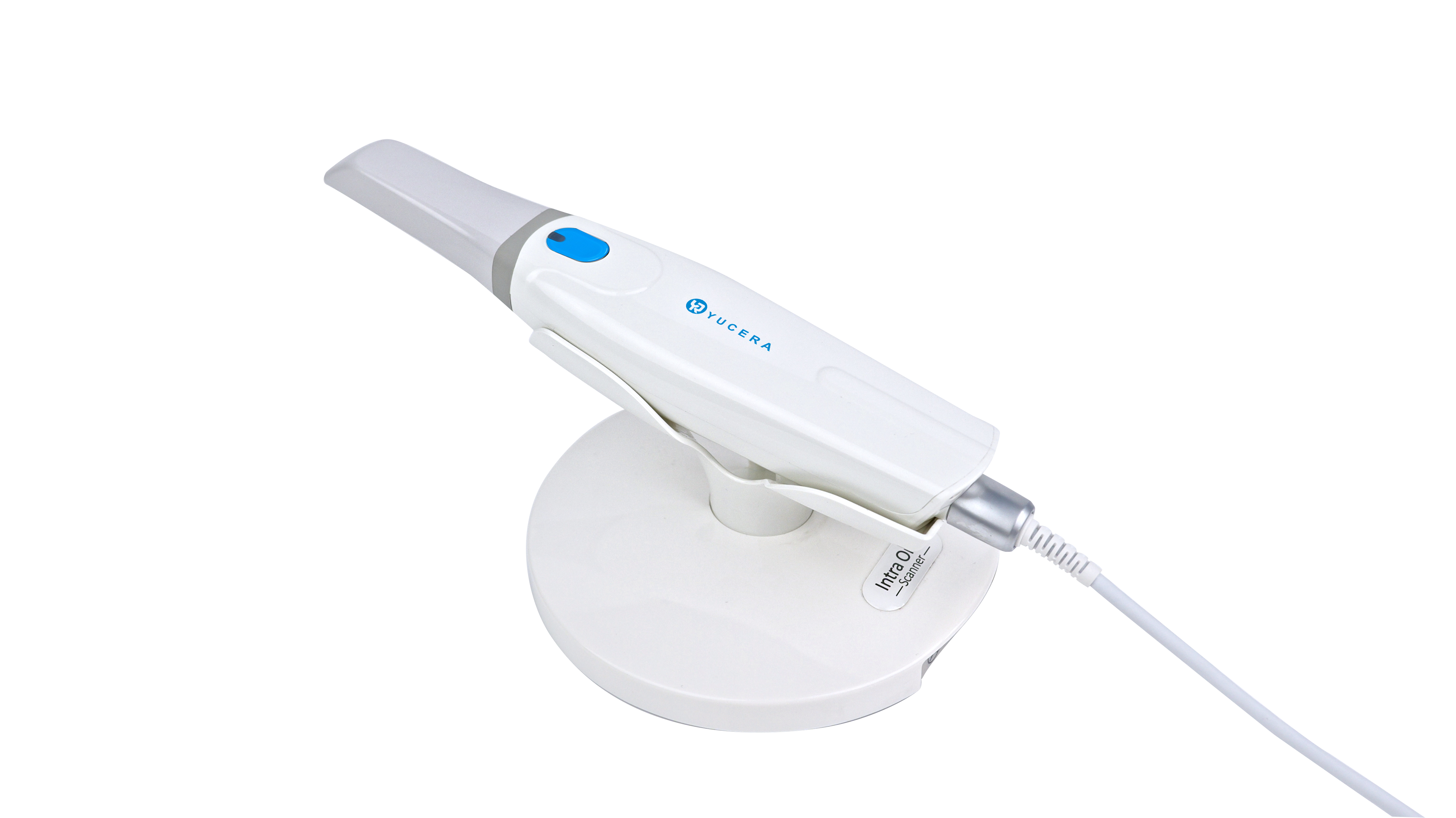
Intraoral scanners capture 3D images in 2-5 minutes for a single unit, far quicker than silicone impressions (10-15 minutes plus setting time). No physical models mean no shipping delays to labs, saving 1-3 days in conventional workflows.
Step 3: Computer-Aided Design (CAD) – Virtual Planning in Minutes
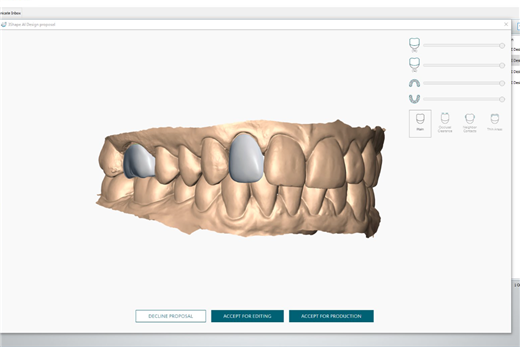
Load scan data into CAD software for virtual restoration design, taking 5-15 minutes. AI-assisted tools suggest optimal shapes, occlusion, and contours, cutting manual tweaks by half compared to analog wax-ups (30-60 minutes).
Step 4: Wet Milling – Precision Manufacturing On-Site
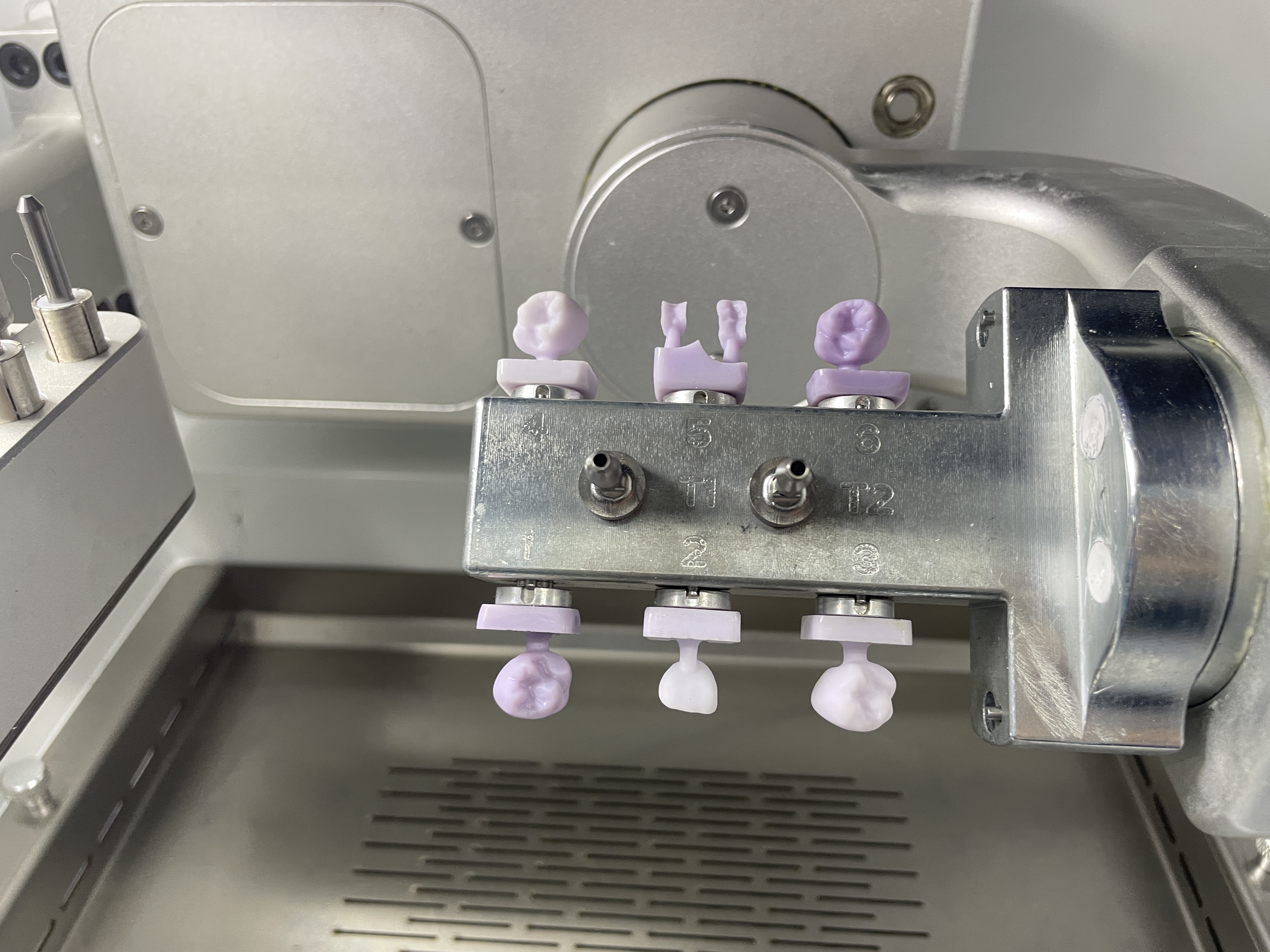
The core of time savings: Wet milling carves the restoration from a glass ceramic block in 8-15 minutes using 4- or 5-axis machines. Coolant prevents cracks, yielding smooth surfaces ready for minimal post-processing.
Compared to lab milling (plus shipping, 1-7 days), this in-office step saves days. Multi-block systems process up to 6 small units simultaneously, ideal for high-volume clinics in Asia-Pacific.
For lithium disilicate, crystallization in a compact furnace takes 9-20 minutes. Pre-crystallized blocks skip extended firing, reducing to polishing only (5 minutes).
Traditional ceramics require 6-8 hours of lab firing, making chairside a game-changer for same-day delivery. Quick cycles (around 15 minutes) suit busy North American practices.
Final try-in, occlusion adjustments, and adhesive cementation take 10-20 minutes. Digital previews reduce revisions, saving 5-10 minutes per case.
In conventional dentistry, this requires a second visit (another 30-60 minutes plus scheduling delays).

Dry & wet milling for zirconia, PMMA, wax with auto tool changer.
learn more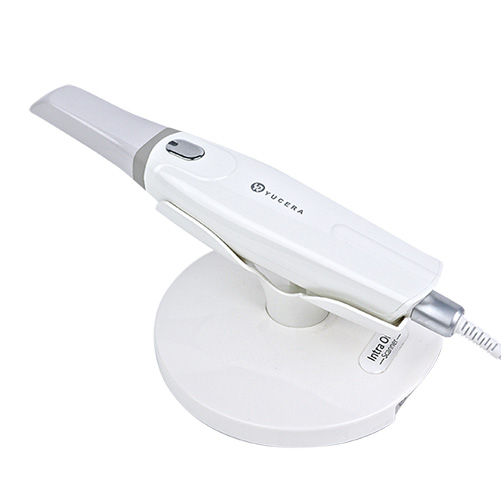
High-precision 3D scanning, AI calibration, full-arch accuracy.
learn more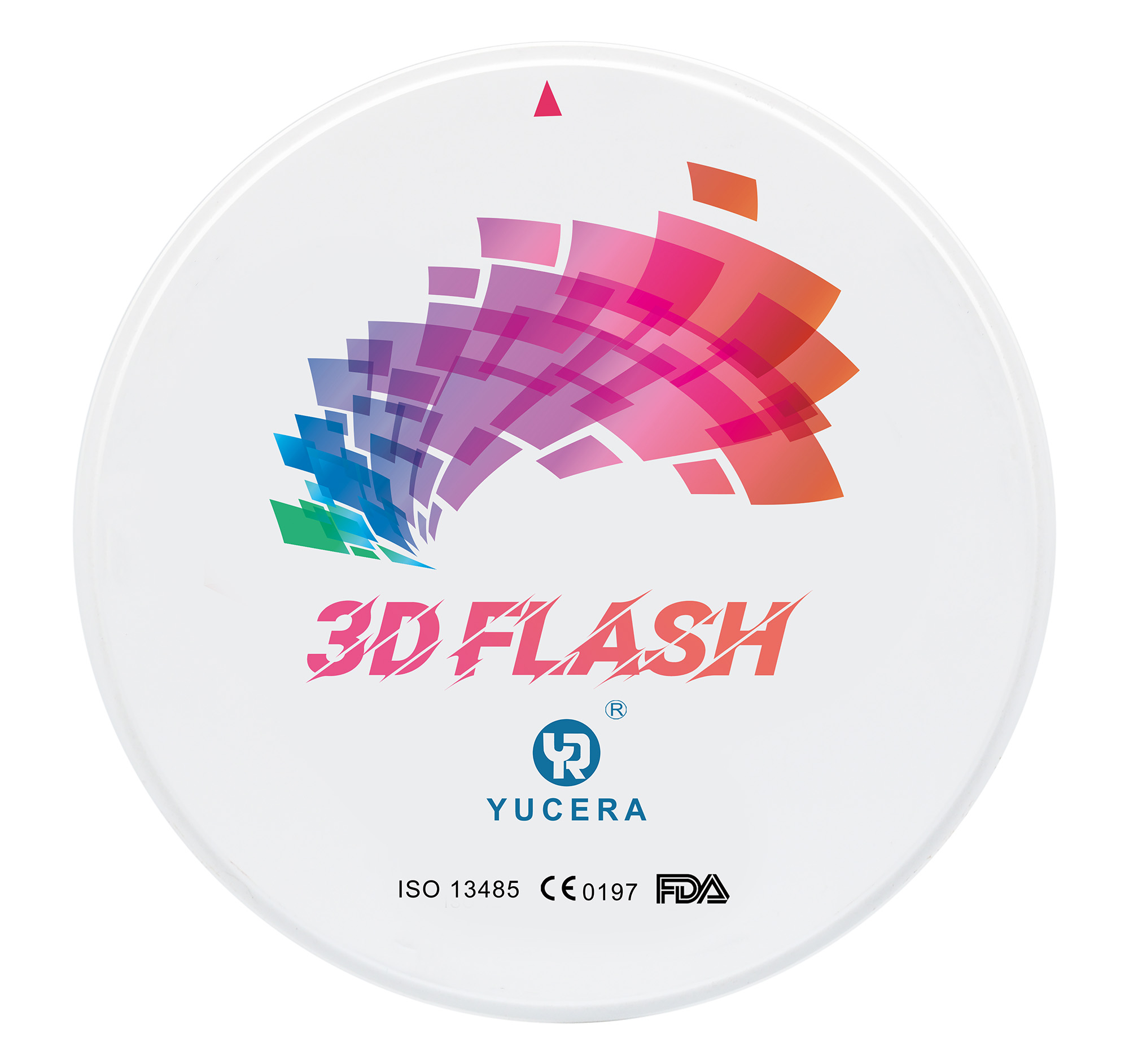
40-min full sintering with 57% incisal translucency and 1050 MPa strength.
learn more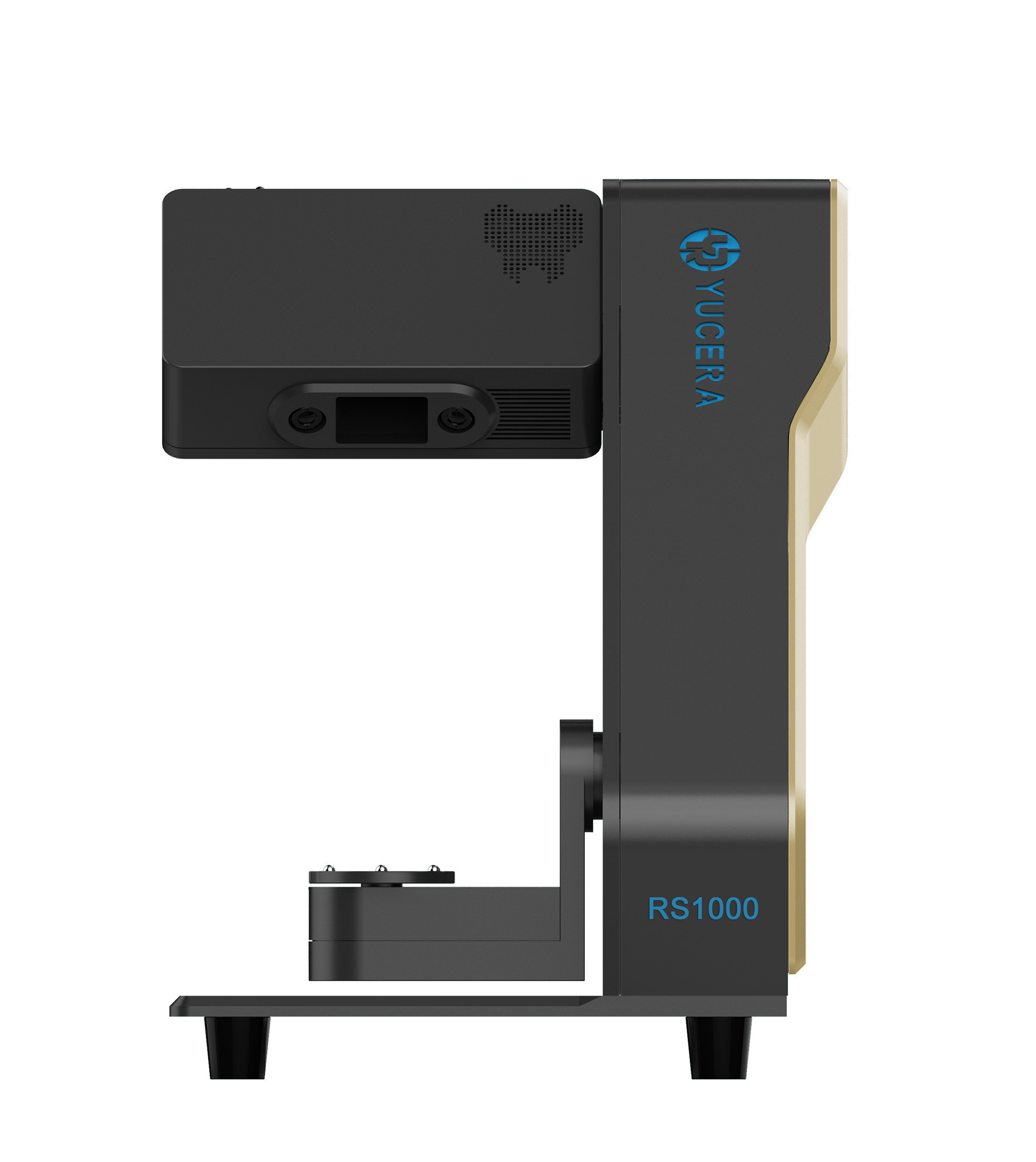
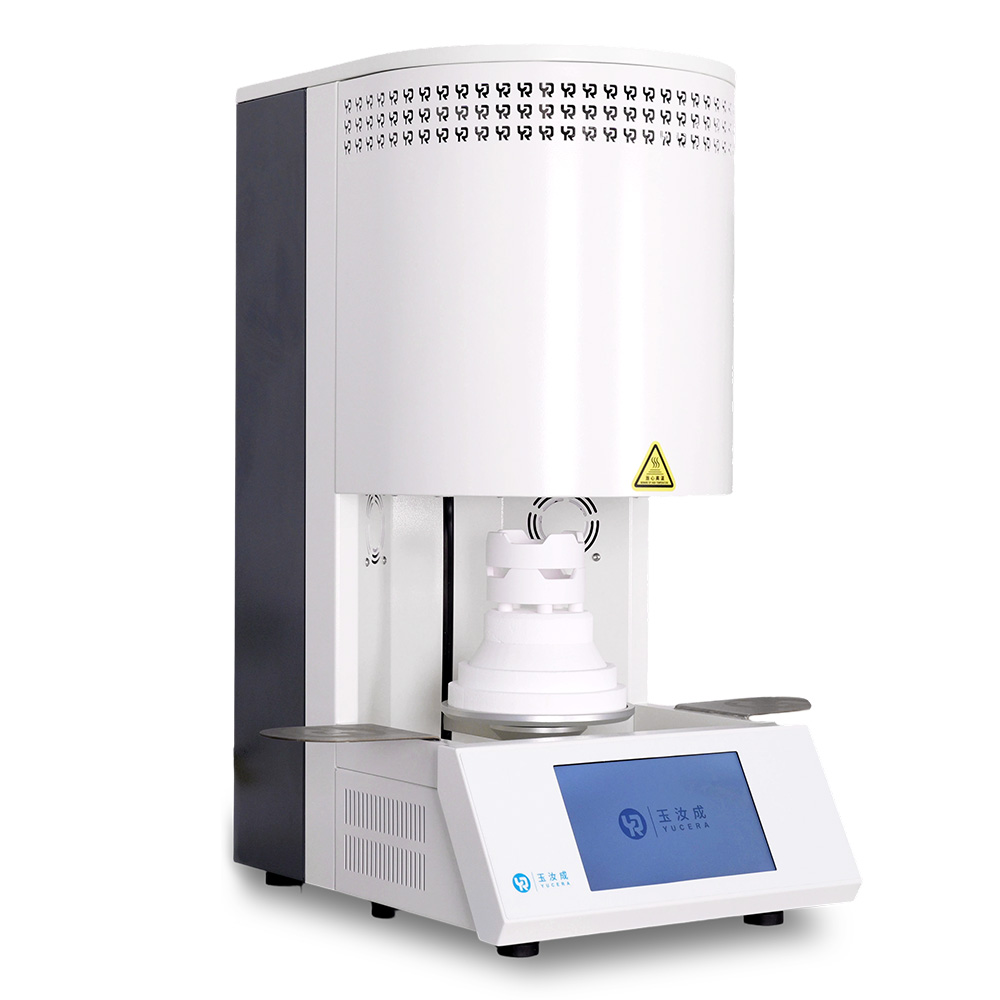
40-min cycle for 60 crowns, dual-layer crucible and 200°C/min heating.
learn more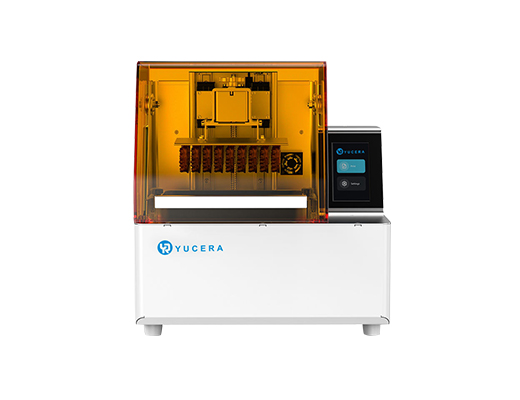
High-speed LCD printer for guides, temporaries, models with 8K resolution.
learn more


