中 文
中 文
The Evolution of Zirconia Sintering Furnaces: Driving Digital Dentistry
2026-07-19
2026-05-23
Welcome to our weekly customer feedback time.
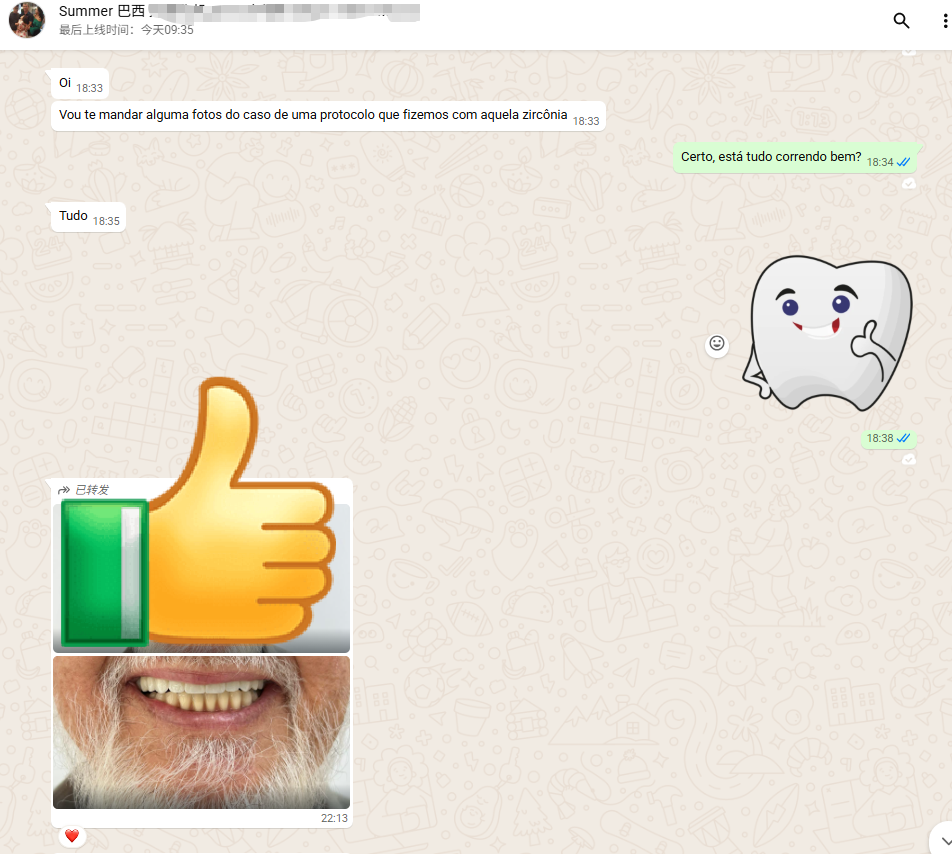
This week, we invited our sales representative Summer to share a recent customer case from Brazil. The customer selected our 4D multilayer zirconia block for a full-arch restoration project — one of the most popular applications for this material in digital dental laboratories today.
As one of our flagship zirconia products, the 4D multilayer zirconia has gained attention among dental labs and clinicians for its natural gradient effect and suitability for full-contour and full-arch restorations.
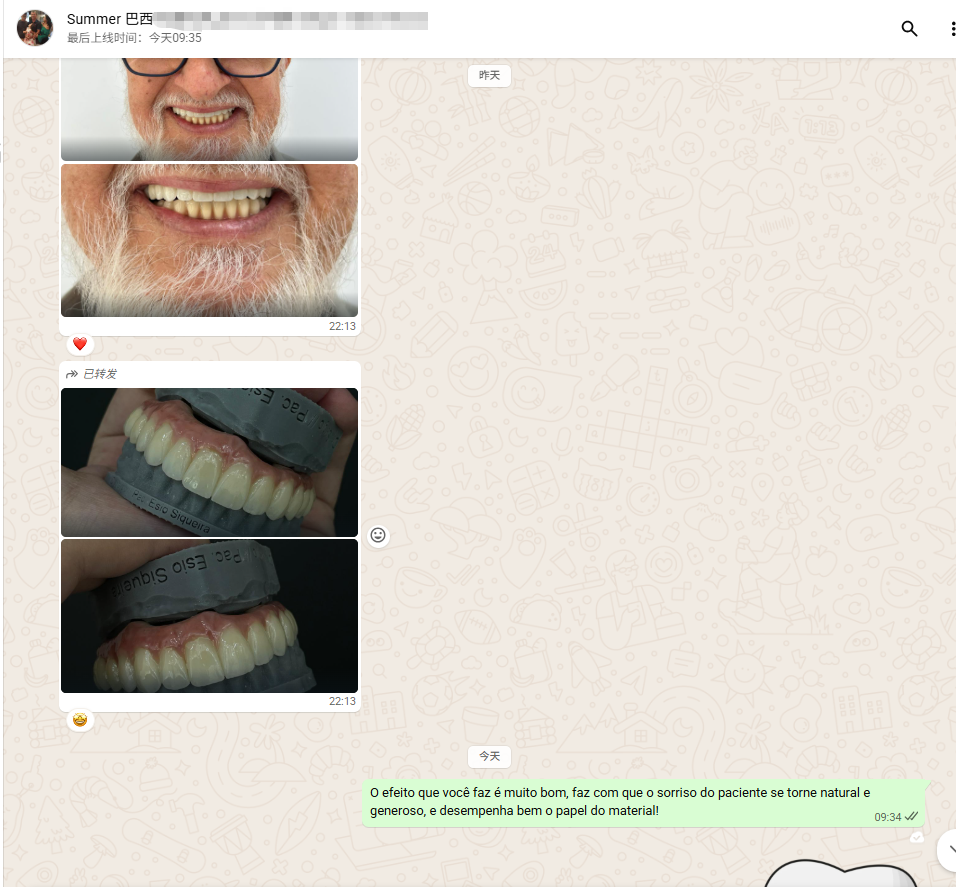
From the photos shared by the customer, we can clearly see the final restoration effect delivered to the patient. The overall smile appearance looks highly natural, with smooth shade transition and balanced translucency across the restoration.
Even our sales representative Summer could not help but praise the result:
“O efeito que voce faz e muito bom, faz com que o sorriso do paciente se torne natural egeneroso, e desempenha bem o papel do material!”
Of course, achieving such a well-balanced full-mouth implant restoration also relies heavily on the customer’s excellent clinical and technical skills.
The customer is a dental professional from Brazil specializing in aesthetic restorative cases and implant-supported restorations. In this case, the restoration focused on achieving:
For full-mouth implant restorations, laboratories and clinicians often face challenges related to excessive opacity, unnatural cervical transition, or inconsistent translucency after sintering. Therefore, material selection becomes especially important in achieving a more lifelike result.
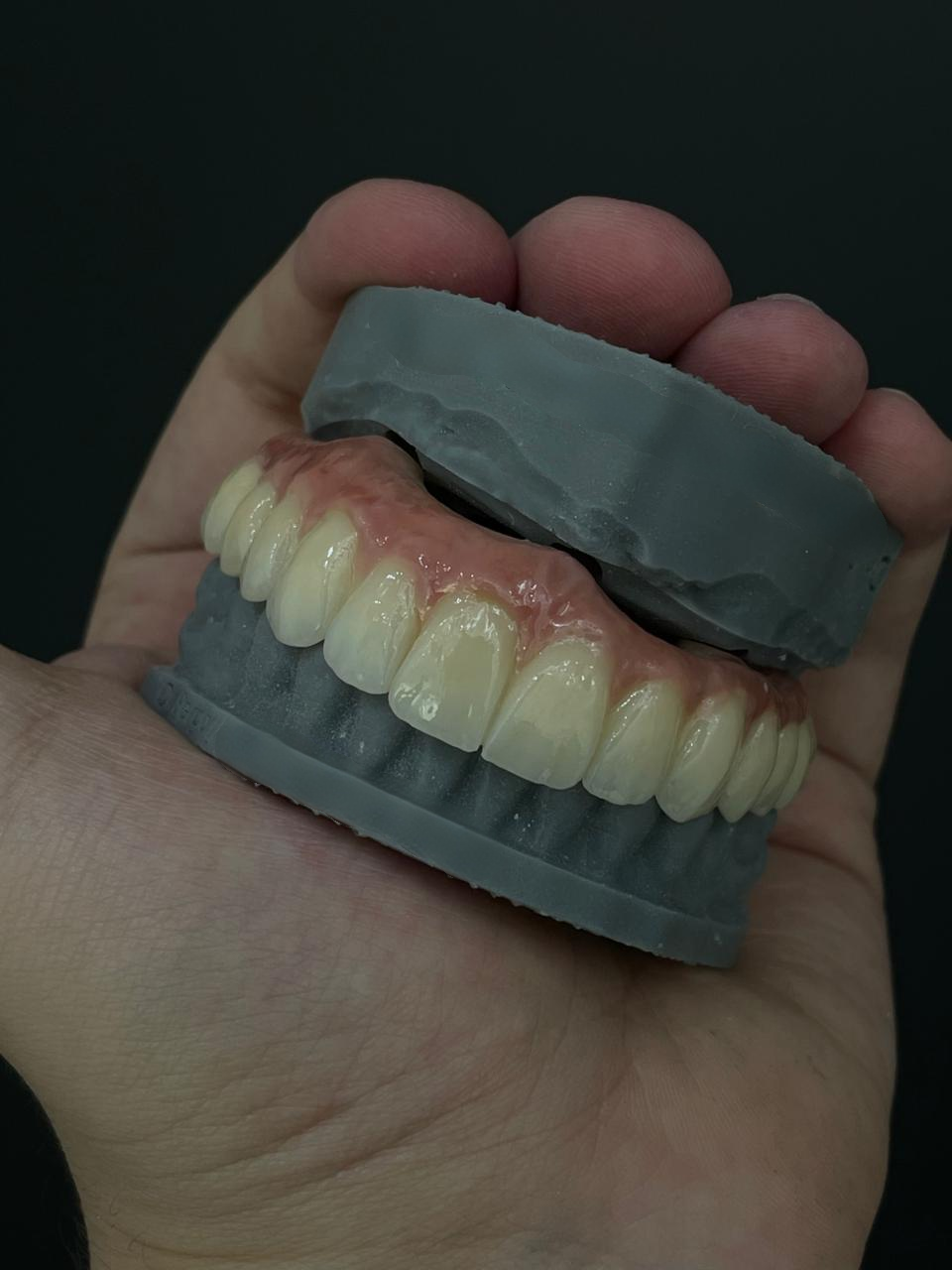
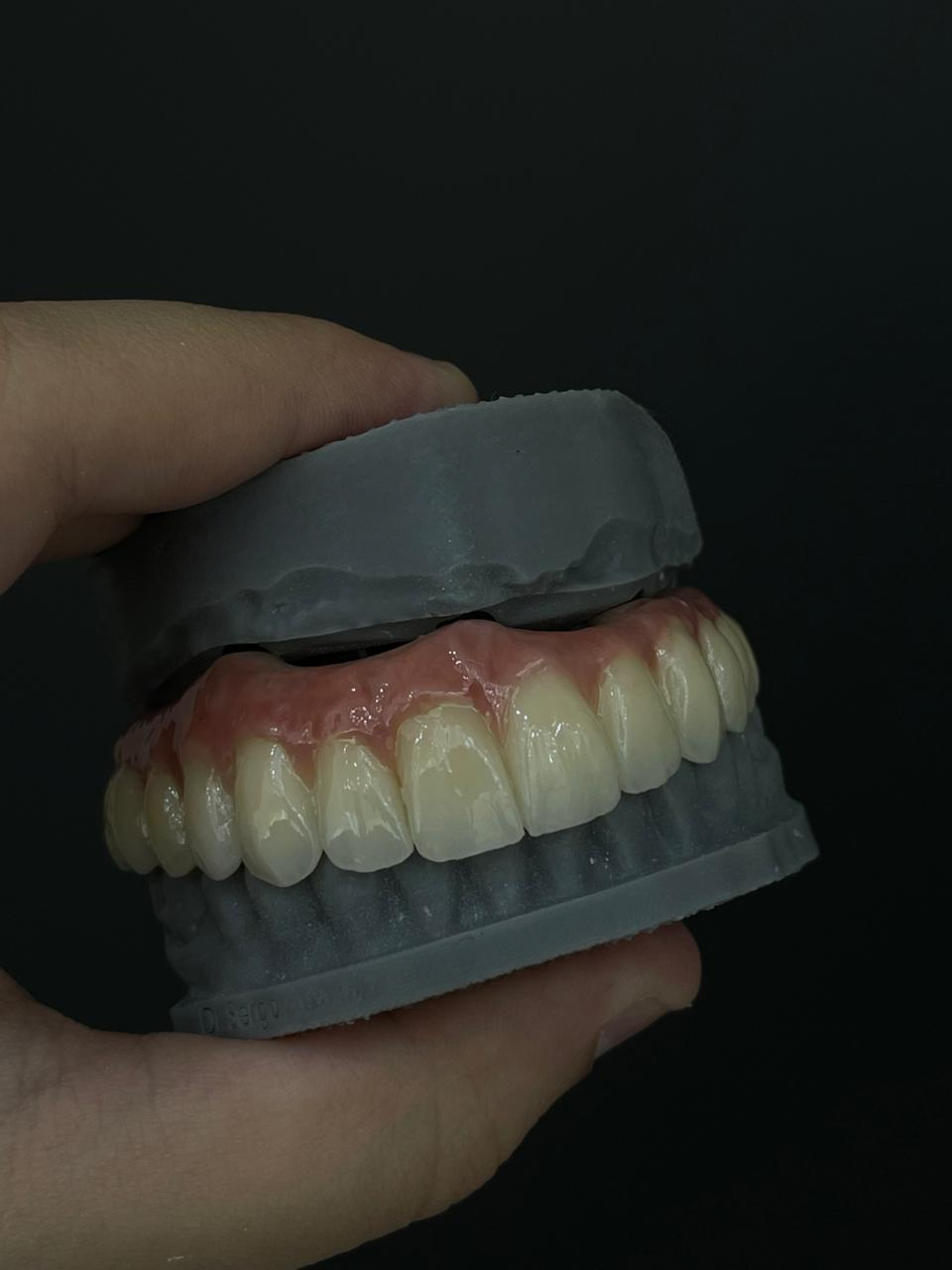
Our 4D multilayer zirconia block is specifically designed for high-aesthetic zirconia restorations that require both strength and natural visual performance.
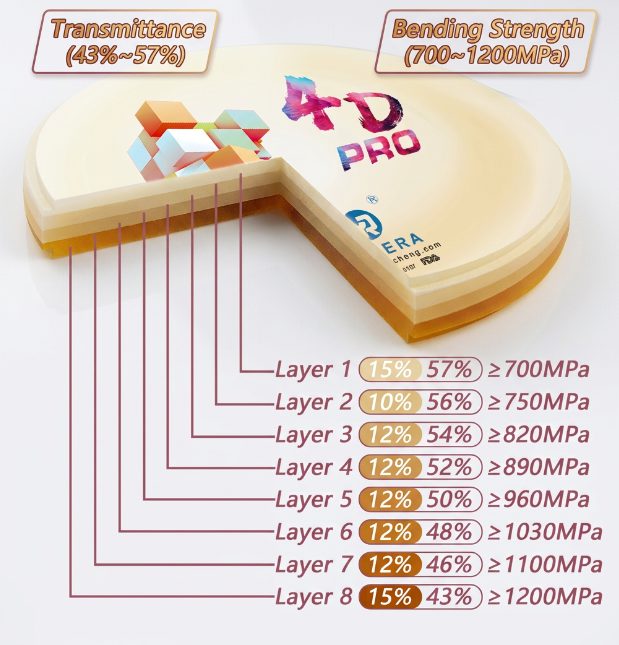
Unlike conventional monochrome zirconia materials, this product achieves gradual transition in three important dimensions:
The material features a natural multilayer color transition from cervical to incisal areas, helping reduce manual staining adjustments during restoration production.
The translucency gradually changes from 43% to 57%, allowing the restoration to simulate natural tooth light transmission more effectively across different tooth regions.
The flexural strength ranges from 700 MPa to 1200 MPa, balancing anterior aesthetics and posterior mechanical support within the same restoration structure.
To achieve this effect, the zirconia block is manufactured using:
This multilayer architecture helps improve the visual integration of the restoration while maintaining the mechanical properties required for full-arch and implant-supported cases.
After completing the restoration, the customer shared positive feedback regarding both the milling performance and final aesthetic effect of the zirconia material.
According to the customer, the material demonstrated:
The final restoration showed a natural smile effect while maintaining the structural requirements needed for daily functional use.
For dental laboratories and clinicians working on aesthetic full-arch restorations, material consistency and natural gradient performance remain key considerations.
This customer case from Brazil demonstrates how multilayer zirconia materials can support more natural-looking restorations when combined with skilled clinical design and precise digital workflows.
We would also like to thank our customer for sharing this excellent case and clinical photos with us. We look forward to seeing more outstanding restorative work from dental professionals around the world.

Dry & wet milling for zirconia, PMMA, wax with auto tool changer.
learn more
High-precision 3D scanning, AI calibration, full-arch accuracy.
learn more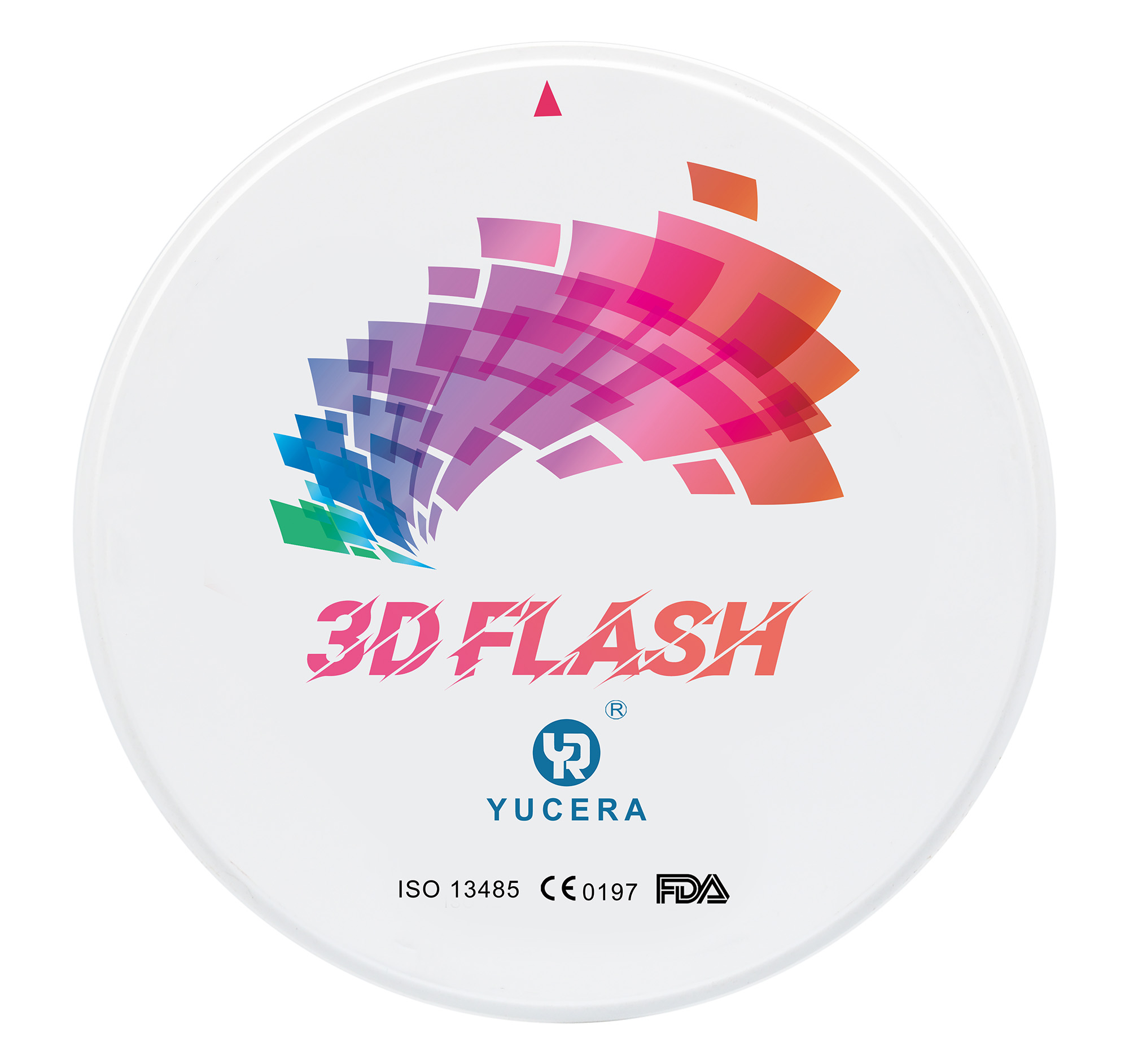
40-min full sintering with 57% incisal translucency and 1050 MPa strength.
learn more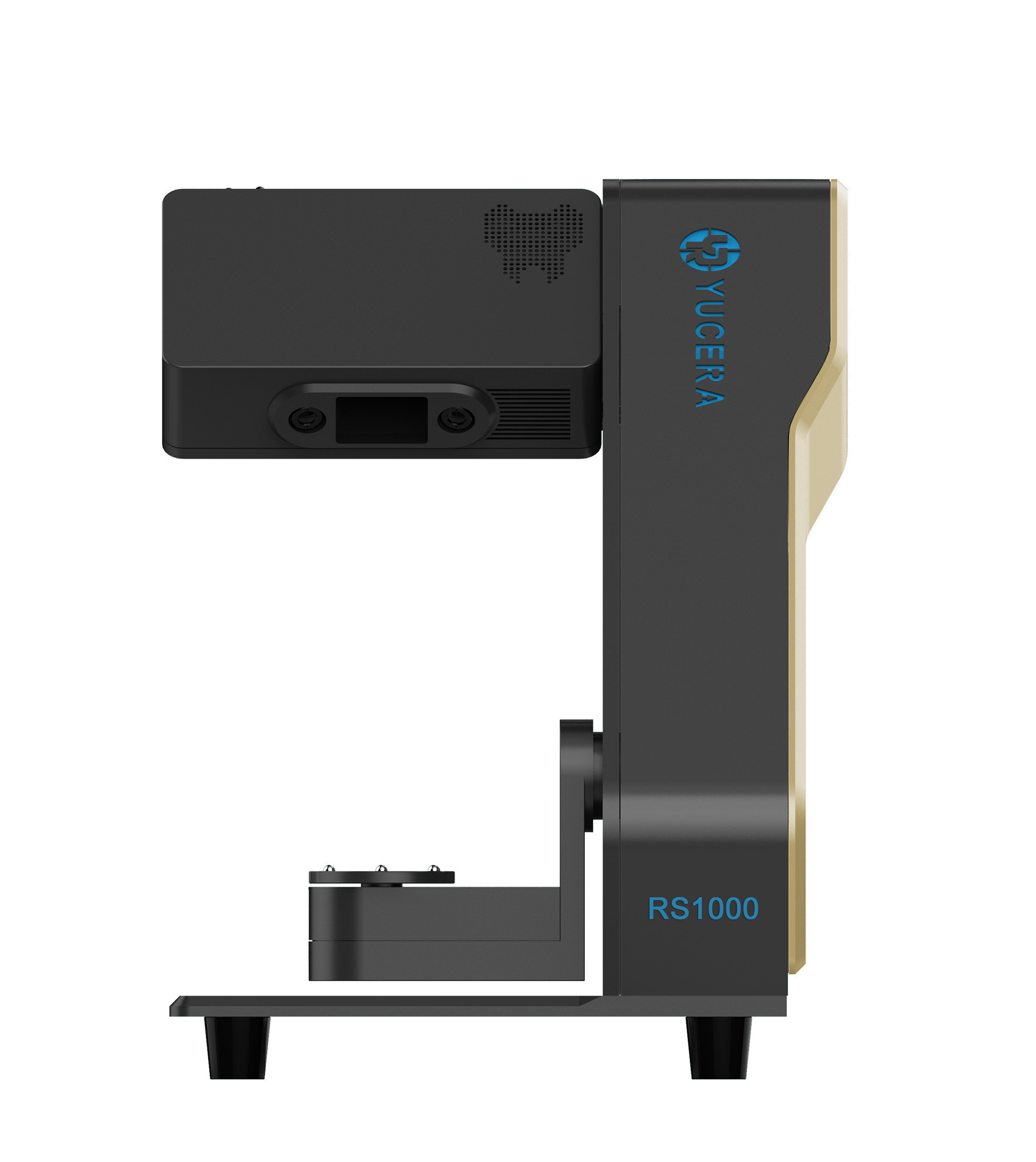
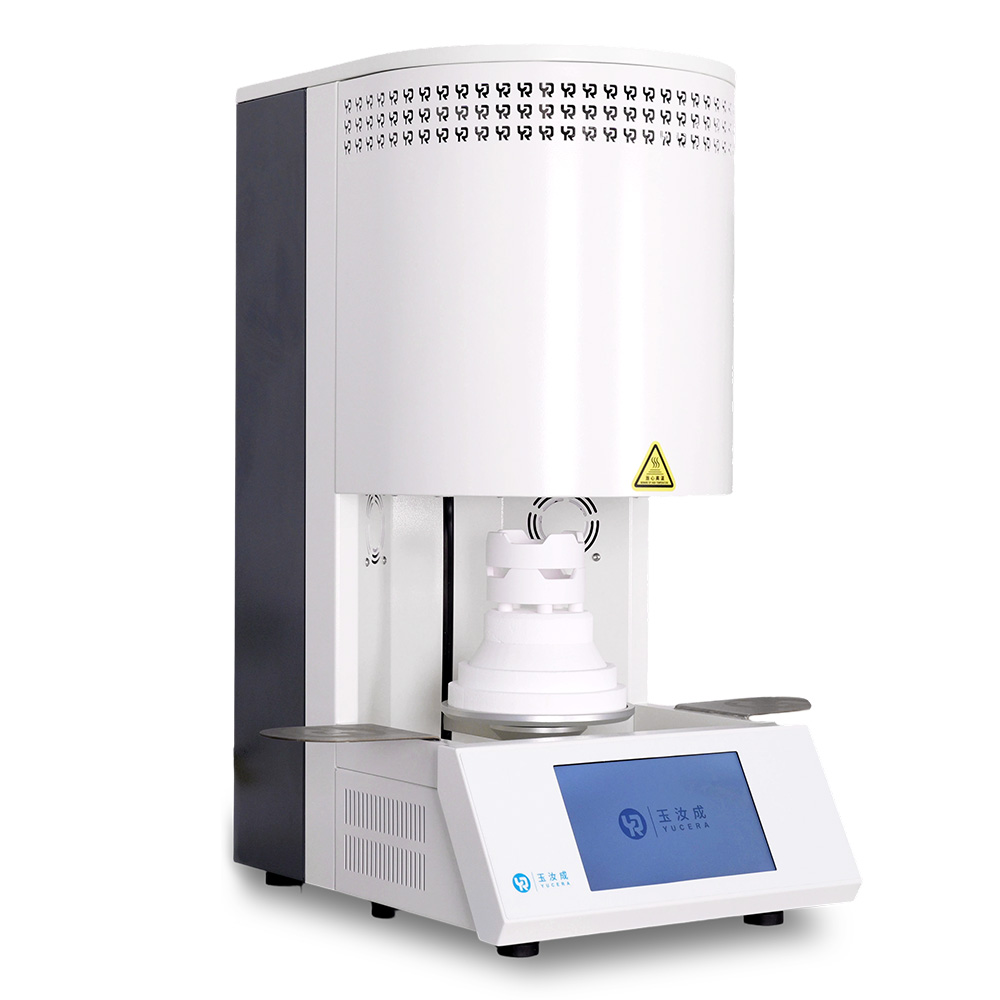
40-min cycle for 60 crowns, dual-layer crucible and 200°C/min heating.
learn more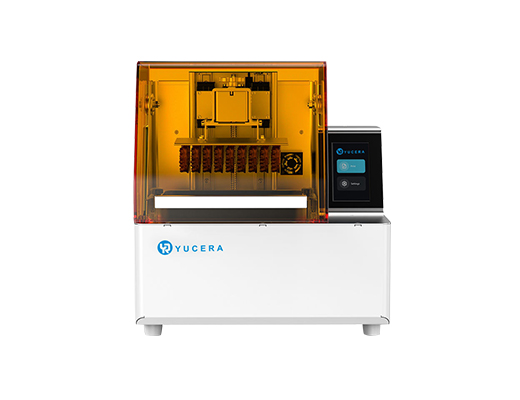
High-speed LCD printer for guides, temporaries, models with 8K resolution.
learn more