中 文
中 文
How Sintering Furnaces Drive the Rise of Superior Dental Aesthetics in Eastern Europe
2026-01-22
2026-01-08
Brazil's dental sector is rapidly digitizing, with the digital dentistry market valued at nearly USD 462 million in recent years and continuing to expand through 2030. CAD/CAM systems, intraoral scanners, and digital workflows now enable precise, efficient restorations like same-day crowns and aesthetic prosthetics. Yet, the shift from traditional manual techniques—hand wax-ups, physical impressions, and layered porcelain—to digital CAD/CAM presents significant training challenges for Brazilian dentists.
In urban hubs like São Paulo and Rio de Janeiro, where private clinics drive aesthetic demand, many practitioners struggle with the transition. Older dentists accustomed to analog methods face the steepest learning curve, while younger professionals adapt faster but still encounter gaps in practical skills. This article examines the real pain points, supported by industry trends and global parallels applicable to Brazil's context.
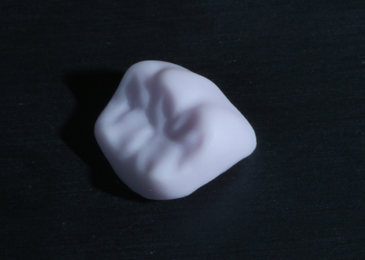
Traditional dentistry relies on tactile skills honed over years: sculpting wax, reading physical models, and manually adjusting restorations. CAD/CAM demands dual competency—clinical knowledge plus software proficiency, scanning accuracy, and design manipulation. Reports indicate over 35% of dental professionals globally report difficulty mastering CAD/CAM due to its complex learning curve, with similar patterns in emerging markets like Brazil.
The transition involves:
Many Brazilian dentists describe the initial phase as overwhelming, requiring 3–12 months of consistent practice to achieve proficiency comparable to traditional workflows. Surveys from similar regions show over 40% of practitioners face challenges in mastering the technology, with the learning curve steeper for those with 10+ years of analog experience.
In São Paulo and Rio, where aesthetic restorations dominate, the learning curve delays full CAD/CAM adoption. Many start with simple cases (single crowns) before progressing to bridges or multi-unit designs. Clinics report 20–40% fewer remakes once proficient, but the interim period involves trial-and-error.
Patient expectations add pressure: Brazilians seek natural, efficient smiles, pushing dentists toward digital but exposing gaps during the transition. Successful adopters combine self-study, peer mentoring, and short intensive courses.
As Brazil's National Oral Health Policy and Digital Health Strategy promote integration, more resources emerge to support training.
The learning curve from traditional to CAD/CAM in Brazil remains a major hurdle in 2026, driven by time constraints, skill gaps, and psychological barriers. Yet, with persistence, the rewards—faster workflows, superior precision, and patient satisfaction—are substantial. Brazilian dentists who invest in targeted training bridge the gap, positioning their practices at the forefront of digital dentistry in Latin America.

Dry & wet milling for zirconia, PMMA, wax with auto tool changer.
learn more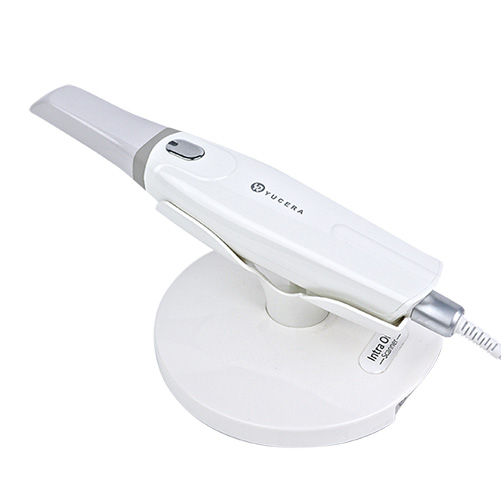
High-precision 3D scanning, AI calibration, full-arch accuracy.
learn more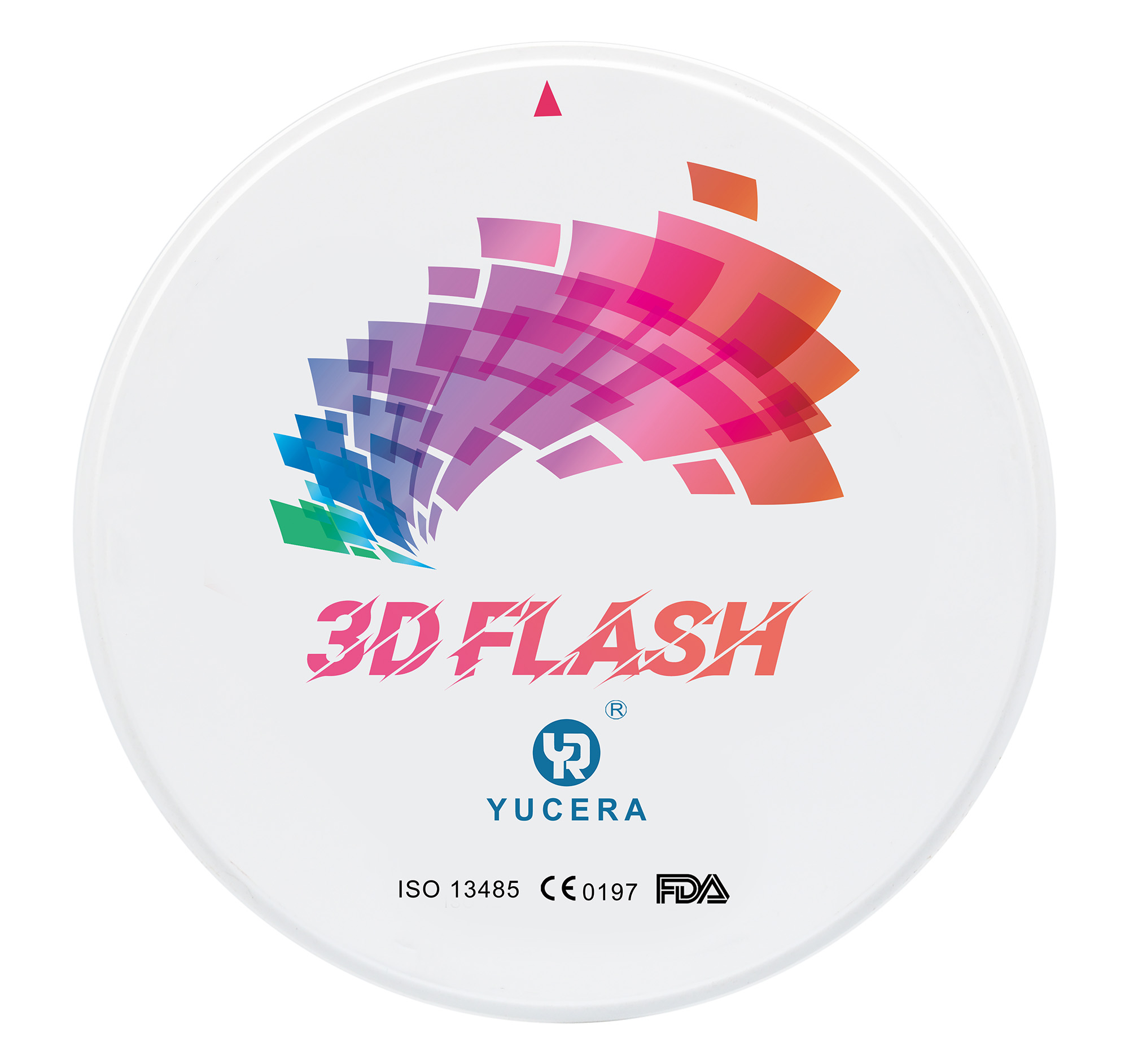
40-min full sintering with 57% incisal translucency and 1050 MPa strength.
learn more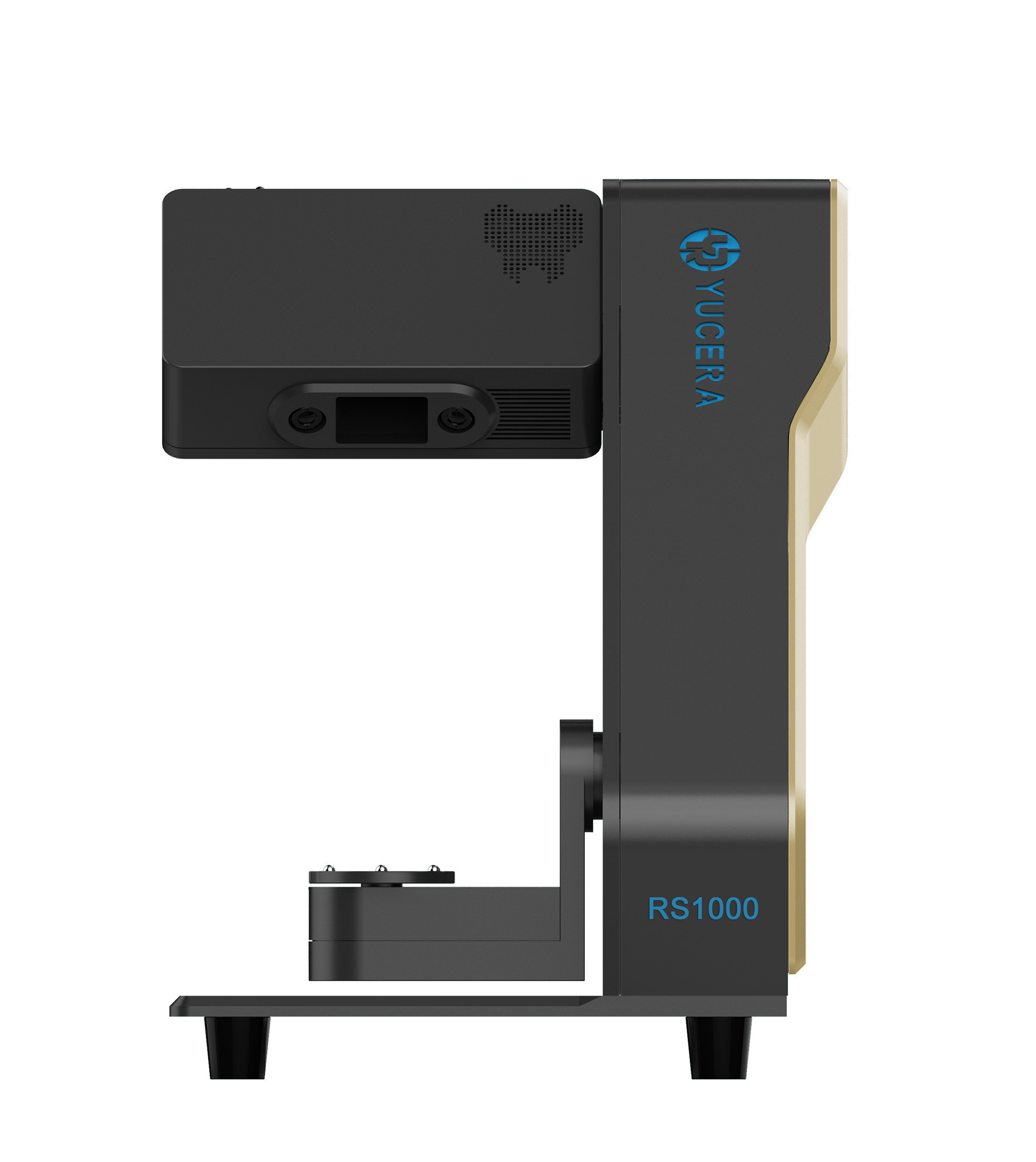
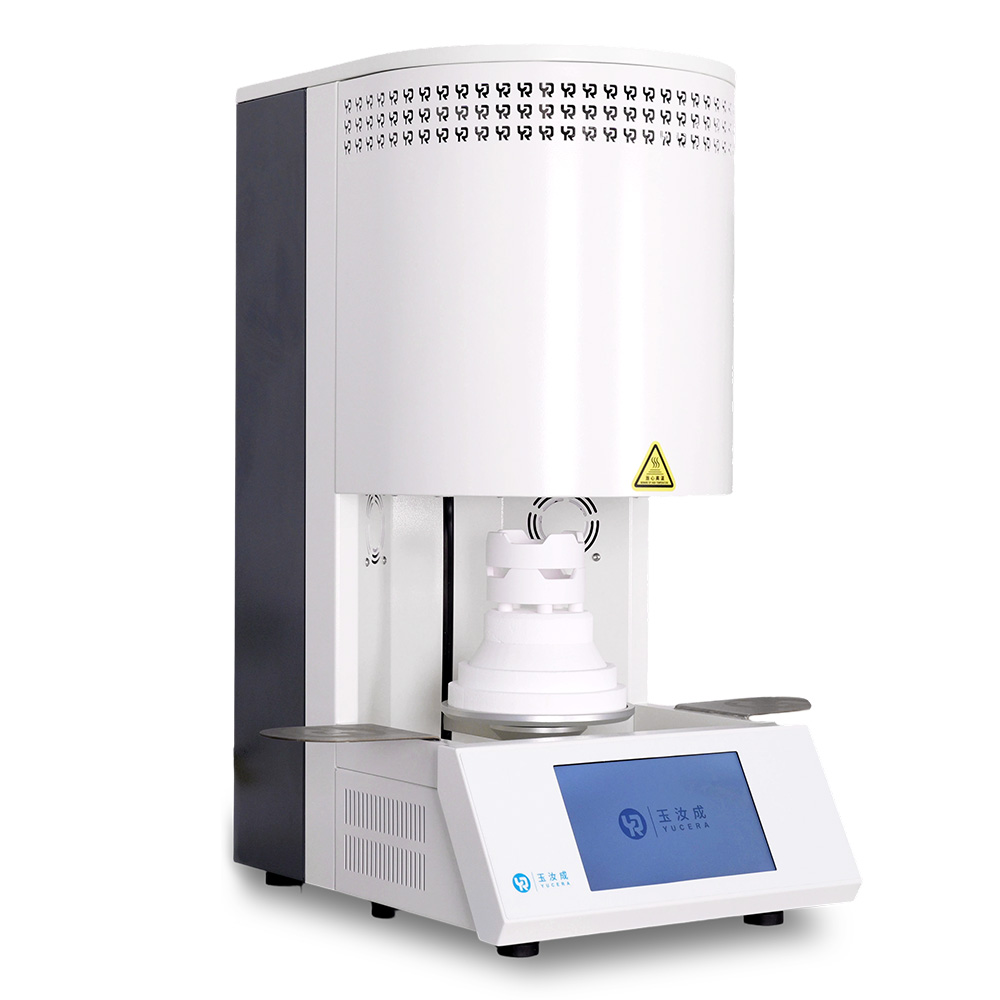
40-min cycle for 60 crowns, dual-layer crucible and 200°C/min heating.
learn more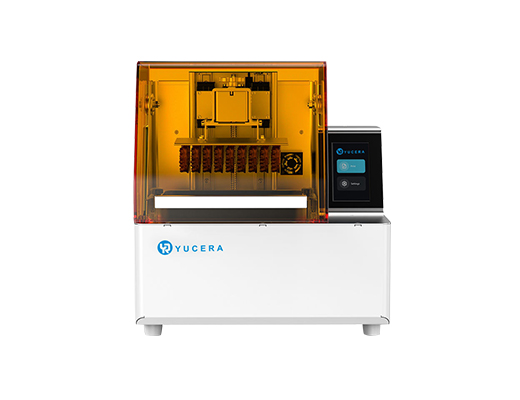
High-speed LCD printer for guides, temporaries, models with 8K resolution.
learn more