中 文
中 文
Digital Dentistry Workflow Optimization with CAD/CAM in 2025
2025-10-07
2026-06-29
In modern dental CAD/CAM workflows, material selection plays a critical role in determining the accuracy, efficiency, and success of prosthetic fabrication. Among the most commonly used materials in dental laboratories are PMMA (Polymethyl Methacrylate) and wax. Although both materials are widely used in digital dentistry, they serve very different purposes and are applied in distinct stages of the workflow. Understanding the differences between PMMA and wax helps dental technicians and laboratories improve production efficiency and achieve more predictable clinical outcomes.
PMMA is a high-performance acrylic material commonly used in dental CAD/CAM milling systems. It is known for its stability, strength, and excellent machinability.
In dental applications, PMMA is primarily used for:
One of the key advantages of PMMA is its dimensional stability after milling. Unlike traditional materials, PMMA maintains its shape without significant distortion, making it highly reliable for precision restorations.
It is also available in multilayer and pre-shaded forms, allowing better aesthetic integration with natural dentition.
Wax has been used in dentistry for decades, long before the introduction of CAD/CAM systems. In digital workflows, wax is mainly used as a modeling material rather than a final restorative material.
Typical applications of wax include:
Wax is valued for its ease of carving and shaping. However, it is thermally sensitive and mechanically weak, which limits its use in final or functional restorations.
In CAD/CAM milling, wax is typically used for indirect fabrication processes where the wax pattern is later replaced by metal or ceramic through casting techniques.
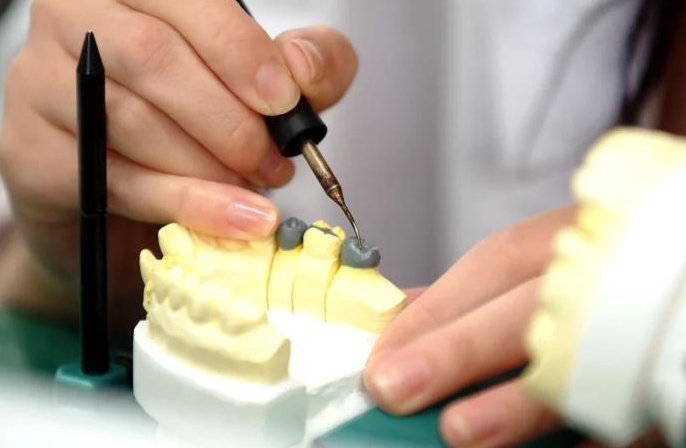
Although PMMA and wax may appear similar in appearance during the design phase, their physical and clinical behaviors are fundamentally different.
PMMA is a rigid thermoplastic material with high structural stability. It is designed to withstand milling forces and maintain accuracy after processing.
Wax, on the other hand, is a low-melting-point material that becomes soft under heat and pressure. It is designed for temporary modeling rather than functional use.
PMMA performs very well in CAD/CAM milling machines. It produces smooth margins and accurate restorations with minimal chipping.
Wax is easier to mill due to its softness, but it is prone to deformation, especially in warm environments or during handling.
PMMA offers excellent dimensional stability over time, making it suitable for long-term provisional restorations.
Wax is unstable and may warp or distort after milling, especially under temperature changes.
PMMA can be directly used in the oral environment for temporary restorations.
Wax is not suitable for intraoral use and is only intended for laboratory modeling.
Understanding where each material fits into the dental workflow is essential for efficient production.
PMMA is widely used in restorative dentistry, particularly in:
Its durability allows patients to use PMMA restorations for extended periods while final restorations are being fabricated.
Wax is mainly used in the early stages of prosthetic design, including:
Wax acts as a blueprint for final restorations rather than a functional material.
Selecting between PMMA and wax depends entirely on the stage of treatment and the intended use of the restoration.
In summary, PMMA is a functional restorative material, while wax is a diagnostic and modeling material.
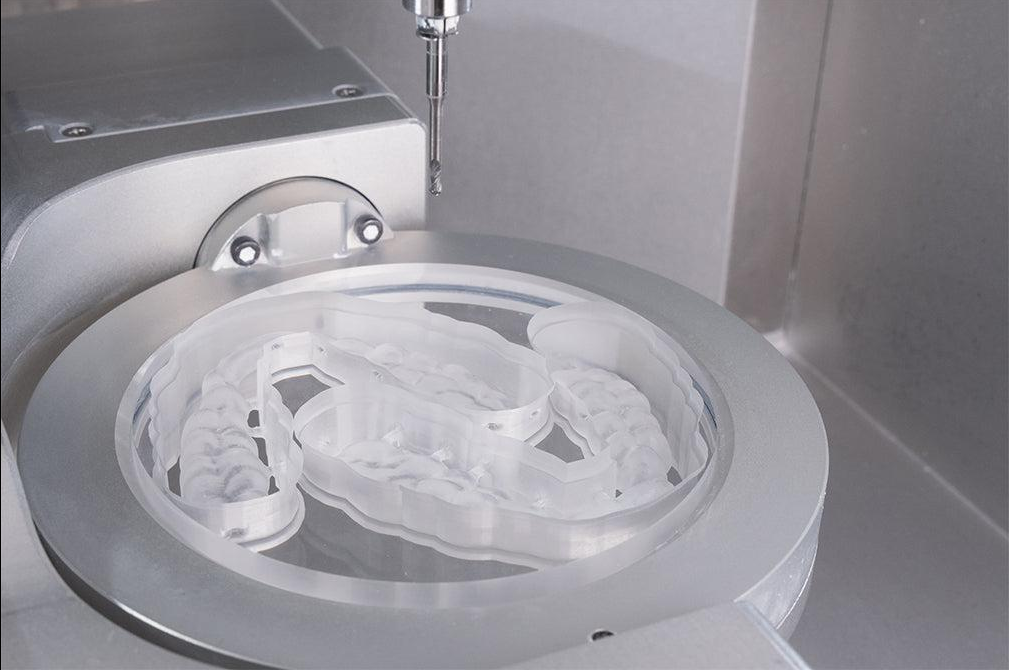
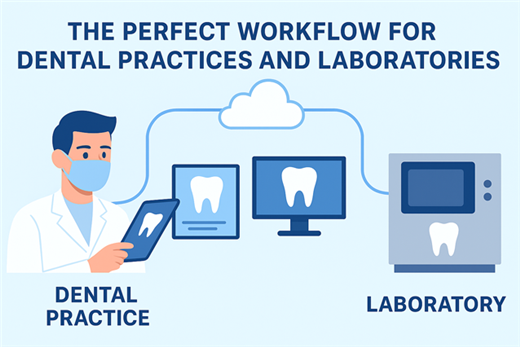
In modern CAD/CAM systems, both PMMA and wax play complementary roles in the digital workflow.
A typical workflow may include:
The integration of both materials allows dental laboratories to achieve higher efficiency and flexibility in production.
From a laboratory management perspective, PMMA and wax contribute differently to productivity.
PMMA reduces the need for multiple fabrication steps when temporary restorations are required. It enables direct use after milling and polishing.
Wax improves design flexibility in early-stage modeling but requires additional steps for casting or replacement.
Therefore, selecting the correct material at the right workflow stage significantly impacts turnaround time and production cost.
PMMA and wax are both essential materials in dental CAD/CAM workflows, but they serve completely different purposes.
PMMA is a functional, durable material designed for temporary restorations and clinical use, while wax is a modeling material used primarily for design, planning, and casting procedures.
Understanding their differences allows dental laboratories to optimize workflow efficiency, improve restoration quality, and reduce production errors.
Choosing the right material is not about preference—it is about selecting the correct tool for each stage of the digital dental workflow.

Dry & wet milling for zirconia, PMMA, wax with auto tool changer.
learn more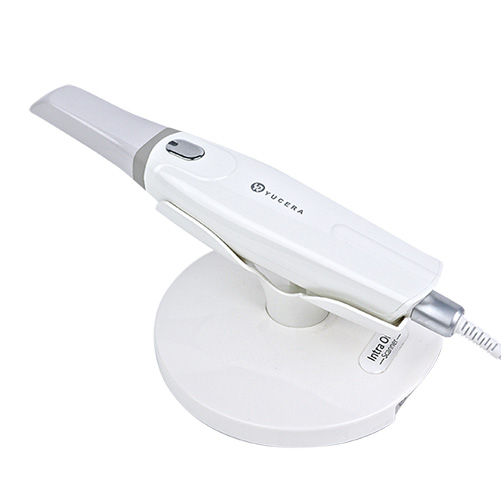
High-precision 3D scanning, AI calibration, full-arch accuracy.
learn more
40-min full sintering with 57% incisal translucency and 1050 MPa strength.
learn more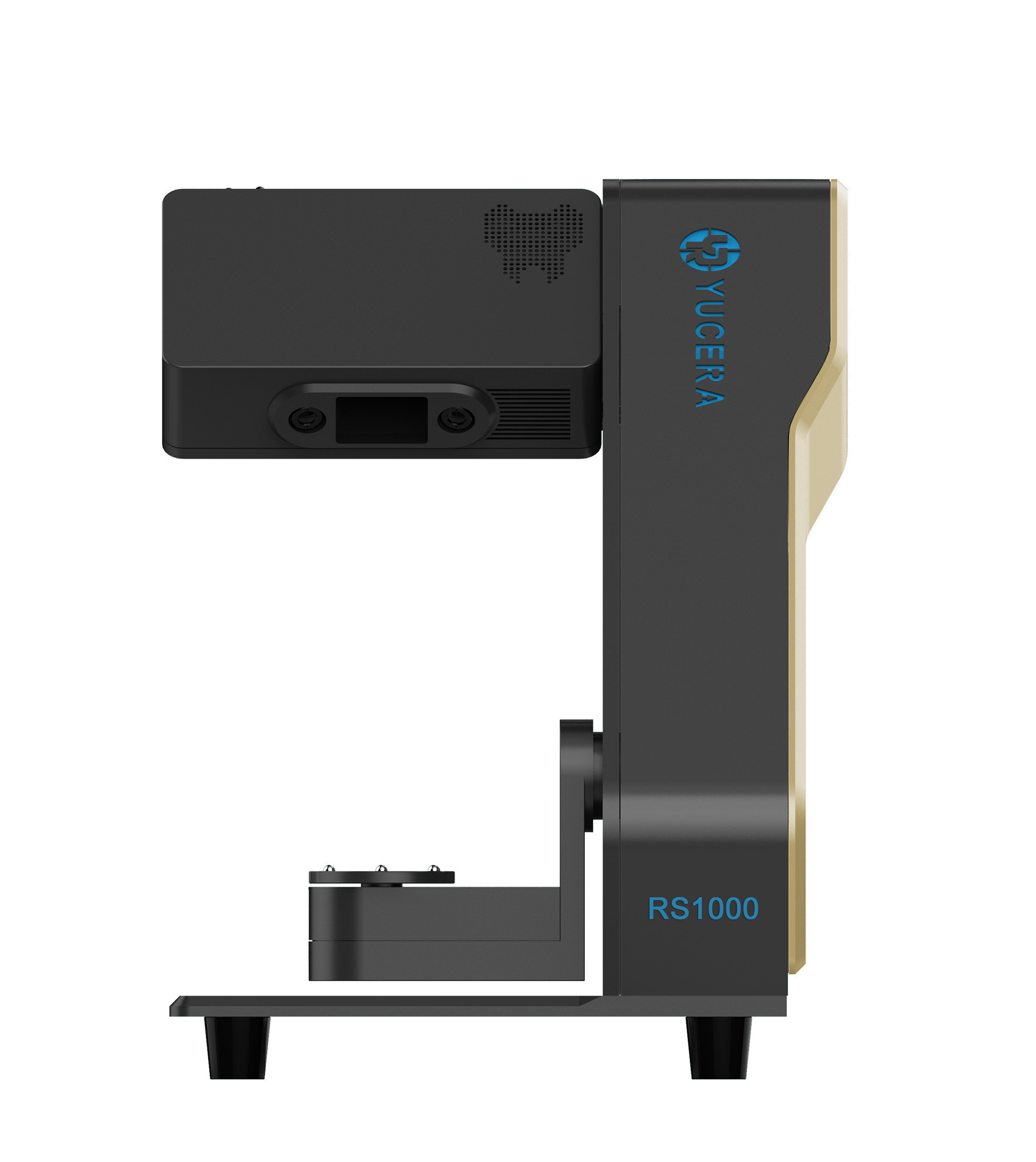
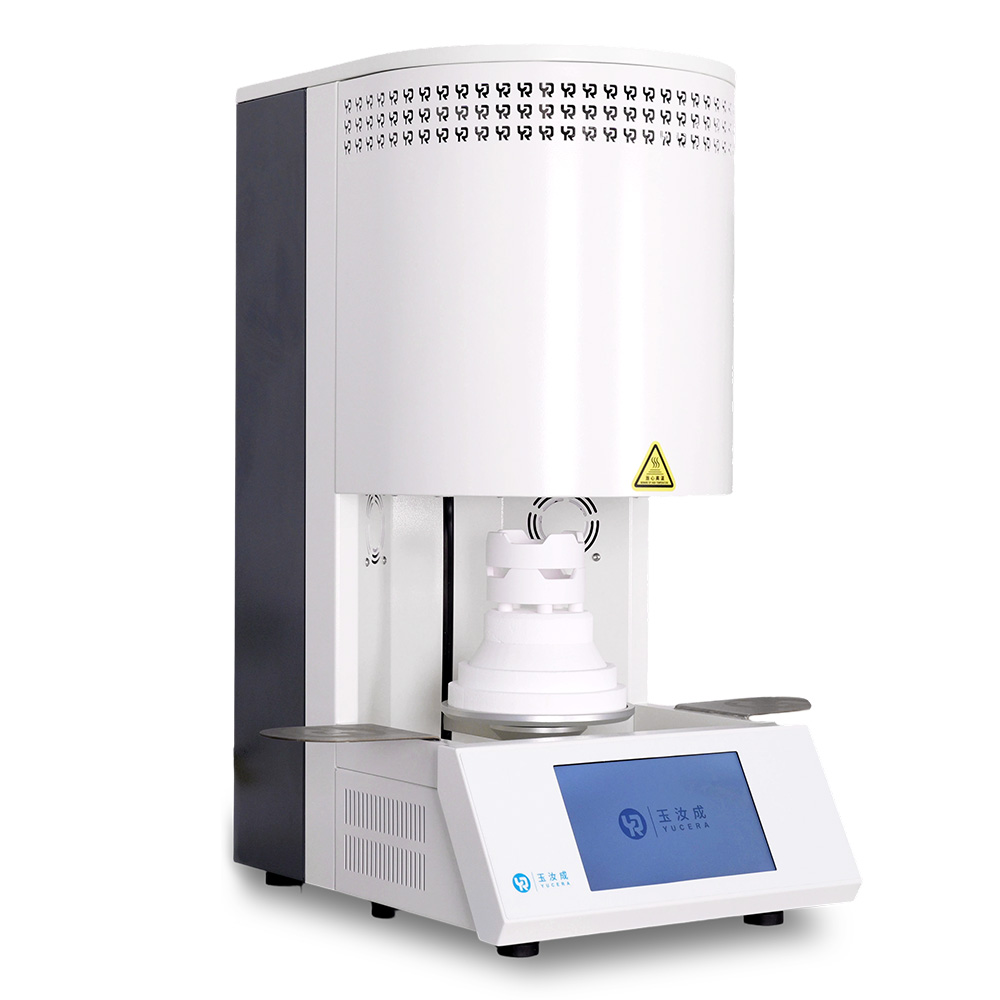
40-min cycle for 60 crowns, dual-layer crucible and 200°C/min heating.
learn more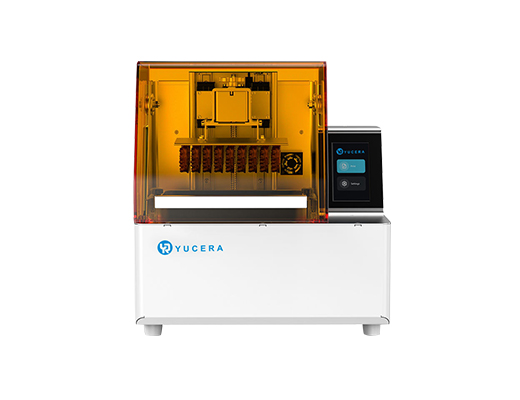
High-speed LCD printer for guides, temporaries, models with 8K resolution.
learn more