


 中 文
中 文

Zirconia Material Matching Tips for UK CAD/CAM Milling: Reduce Rework Rate 2026
2026-02-27
2026-04-03
In 2026, automated post-processing workstations have become the cornerstone of scalable dental additive manufacturing. These integrated systems create a fully closed-loop workflow—from build platform removal through automated washing, drying, and curing—transforming labor-intensive manual steps into hands-off, repeatable processes. Labs report manual labor reductions of 50–75% (with some workflows approaching 70–80%), dramatically higher throughput, improved part consistency, and enhanced safety by minimizing exposure to uncured resin and solvents. This evidence-based guide details the technology, performance data, implementation benefits, and best practices for high-volume production of crowns, models, aligners, surgical guides, and monolithic restorations.
Post-processing has long been the bottleneck in resin 3D printing (vat photopolymerization and material jetting). Manual cleaning with IPA or solvents, followed by separate UV curing, is messy, inconsistent, time-consuming, and poses health risks. Automated stations integrate agitation-based washing, rinsing, drying, and multi-wavelength UV/thermal curing into compact, software-controlled units, delivering customer-ready biocompatible parts with minimal intervention.
Modern stations follow a seamless sequence:
The entire process is software-driven: material-specific validated parameters are automatically applied, ensuring traceability for regulatory compliance in dental applications. Some compact desktop units complete the full workflow in under 30 minutes, while high-volume systems handle 150+ models per cycle.
These closed-loop designs minimize human touchpoints, reduce variability, and maintain consistent surface quality, dimensional accuracy, and material properties.
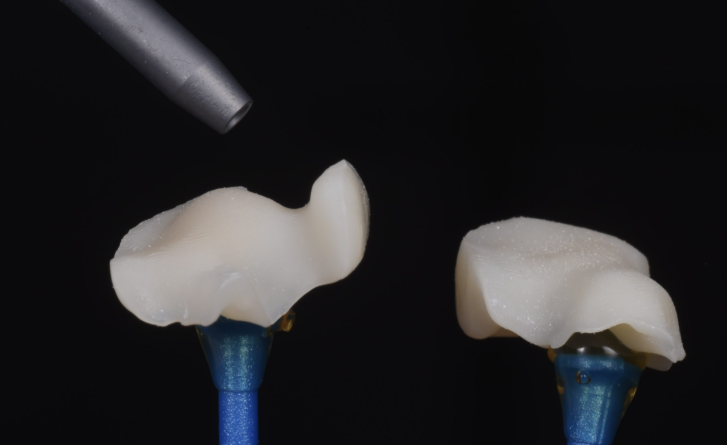
Real-world implementations demonstrate transformative efficiency:
Studies on post-processing parameters confirm that optimized automated washing and curing enhance biocompatibility (higher cell viability), maintain flexural strength/modulus within ISO standards, and improve accuracy (lower RMSE in trueness/precision for denture bases and aligners). Over-washing or inconsistent manual methods can degrade properties; automated control avoids these pitfalls.
Automated closed-loop processing ensures:
For biocompatible applications like surgical guides, aligners, and permanent restorations, traceability and repeatable cycles are critical for regulatory compliance.
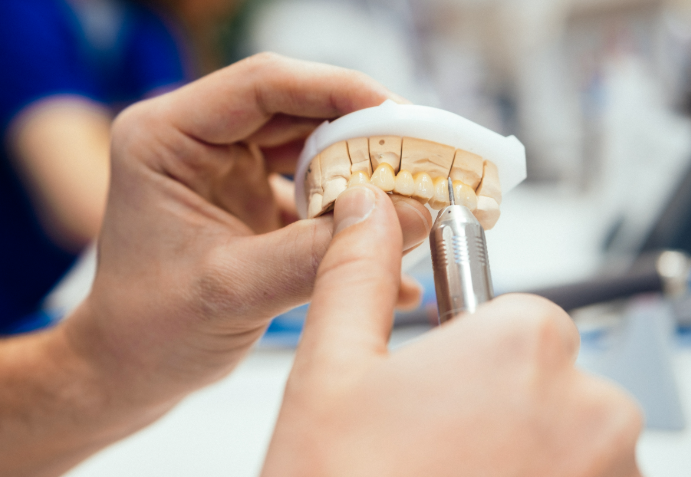
Typical Integrated Workflow:
Best Practices:
Case Selection: Ideal for high-volume production of models, aligners, crowns, bridges, surgical guides, and monolithic/multi-material prosthetics. Labs scaling beyond 50–100 units daily see the fastest ROI.
While initial investment is higher than manual setups, ROI is typically achieved within months through labor savings and increased capacity.
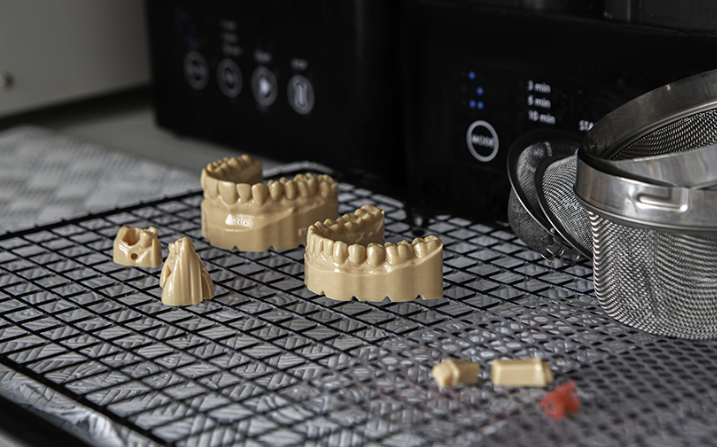
Advances include nitrogen-purged curing for oxygen-sensitive resins, multi-station fleets with predictive maintenance, and tighter integration with robotic cells for fully autonomous production. Bio-compatible material libraries continue to expand, with stations offering broader wavelength and thermal control for next-generation nano-composites and permanent restorations.
Automated post-processing workstations in 2026 have eliminated the last major bottleneck in dental resin 3D printing. The print-to-wash-to-cure closed-loop delivers finished, biocompatible parts with 50–75% less manual labor, dramatically higher throughput, superior consistency, and enhanced safety. Labs adopting these systems achieve scalable, lights-out production while maintaining or improving clinical quality across models, aligners, guides, and restorations.

Dry & wet milling for zirconia, PMMA, wax with auto tool changer.
learn more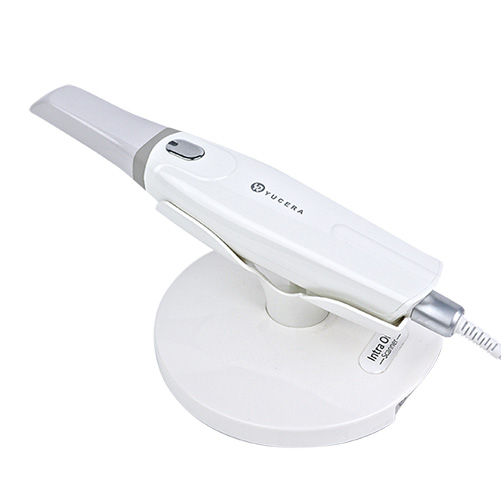
High-precision 3D scanning, AI calibration, full-arch accuracy.
learn more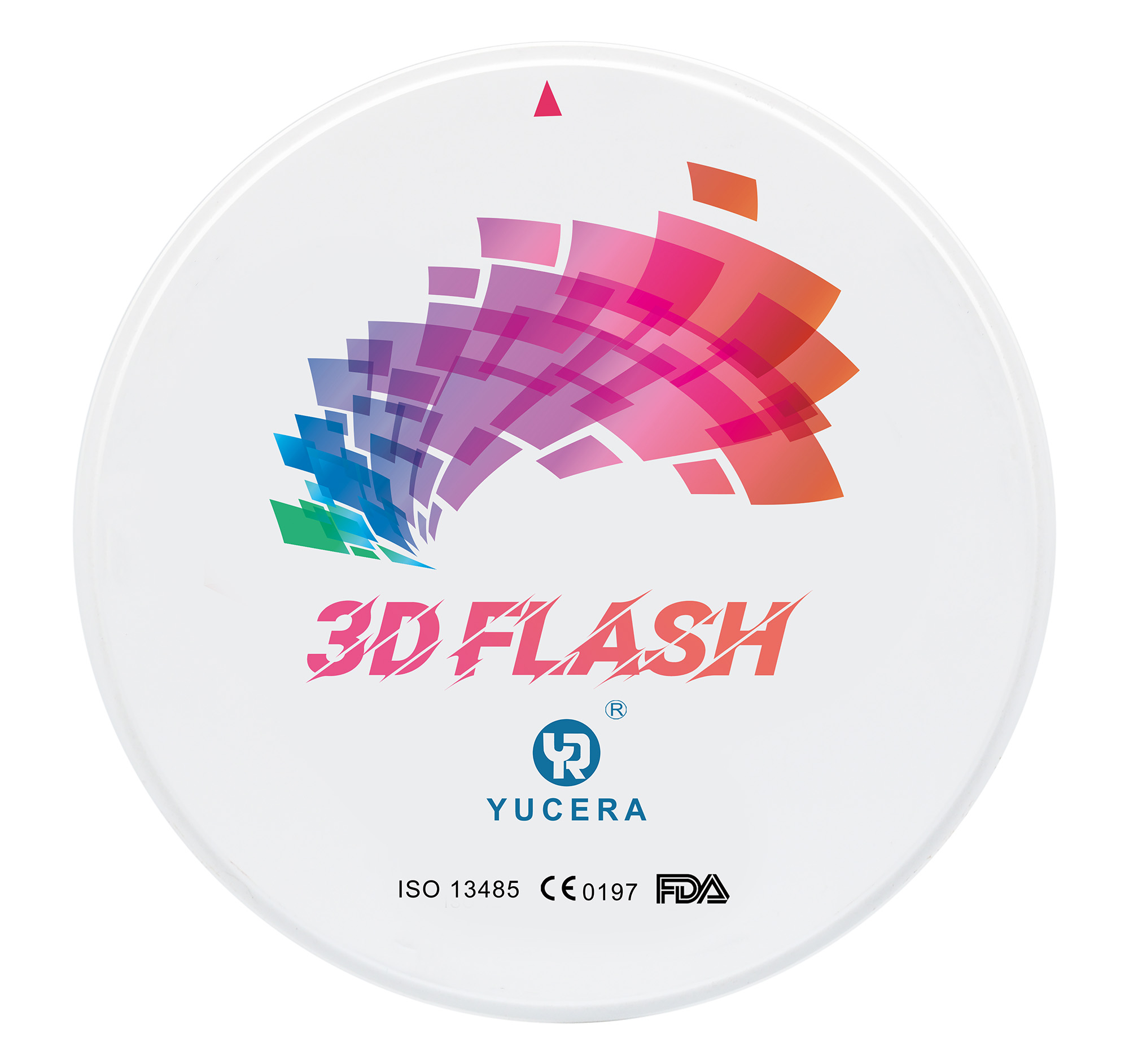
40-min full sintering with 57% incisal translucency and 1050 MPa strength.
learn more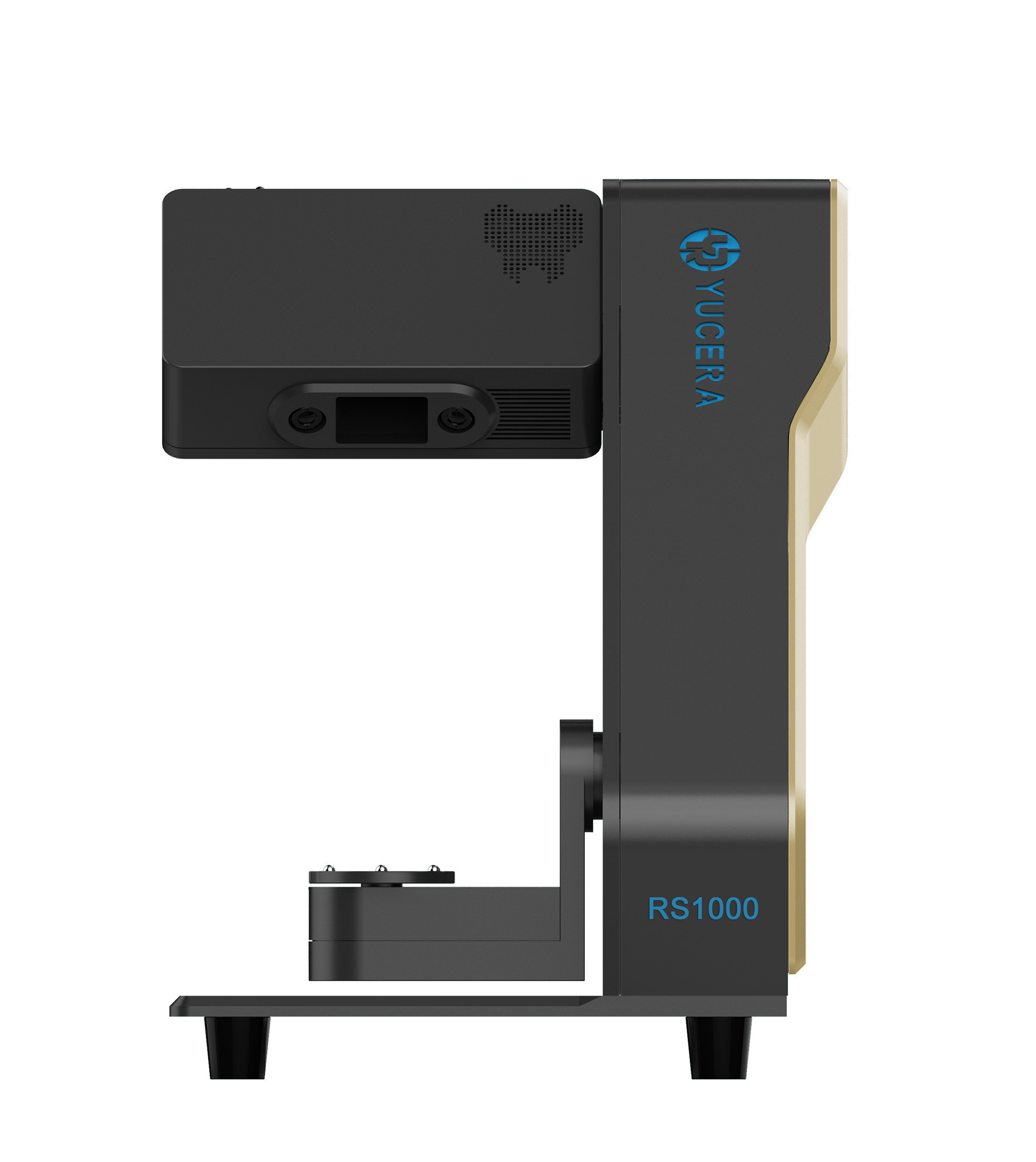
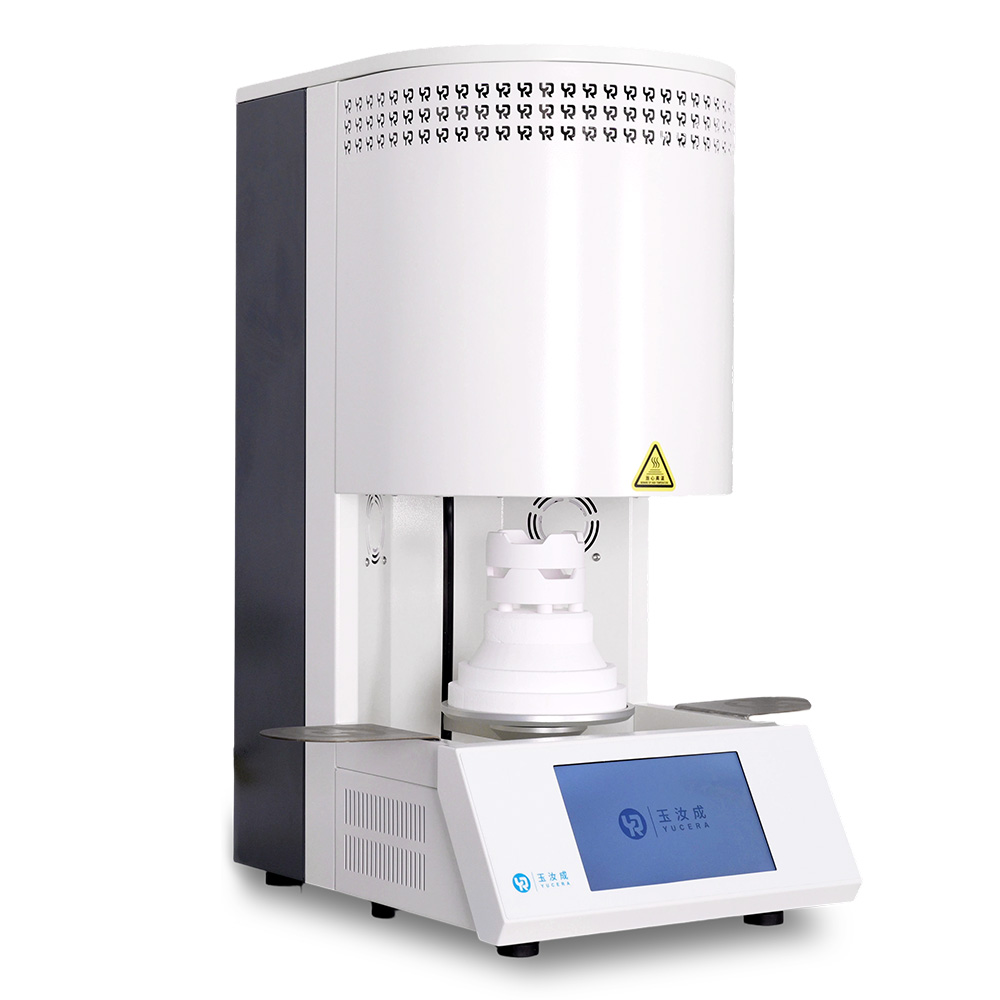
40-min cycle for 60 crowns, dual-layer crucible and 200°C/min heating.
learn more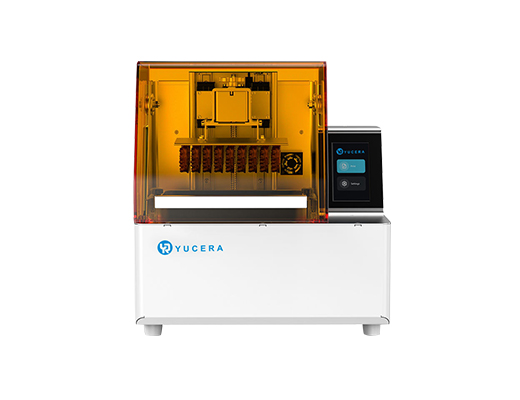
High-speed LCD printer for guides, temporaries, models with 8K resolution.
learn more


