中 文
中 文
Real User Feedback on Dental Milling Machine Performance: Speed, Precision, and Stability in Daily Use
2026-06-27
2026-05-28
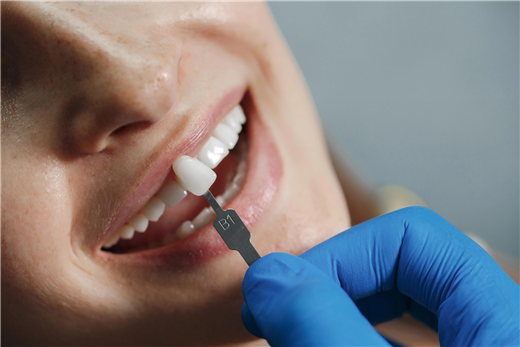
As patient expectations continue to rise in Europe and North America, anterior restorations are no longer evaluated solely by fit or function. Patients increasingly expect restorations to blend naturally into their smile, with realistic translucency, smooth shade transition, and harmonious surface texture.
However, many dental laboratories still encounter recurring anterior zirconia aesthetic problems, particularly in cases involving monolithic restorations. Common issues include:
Although zirconia offers excellent mechanical properties and CAD/CAM compatibility, achieving natural anterior aesthetics remains a material and workflow challenge.
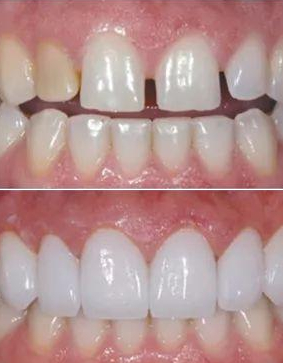
One major reason behind shade mismatch is the use of monolayer zirconia materials with uniform internal color distribution.
Natural teeth are not monochromatic. Their appearance changes gradually from the cervical region to the incisal edge, with different levels of saturation and translucency. When restorations are fabricated from single-tone materials, even accurate staining may struggle to reproduce these optical variations.
For anterior crowns, veneers, and short-span bridges, laboratories increasingly prefer multilayer zirconia materials designed to simulate natural shade gradients.
Even when the correct zirconia shade is selected, inconsistencies during sintering may alter the final appearance.
Factors influencing post-sintering shade include:
For example, uneven heating inside the sintering chamber may result in minor shade inconsistencies, especially in highly aesthetic anterior cases where small color differences are more visible.
This is why many laboratories establish standardized sintering protocols for anterior zirconia restorations.
Anterior teeth naturally transmit light. However, certain zirconia materials prioritize mechanical strength by increasing crystalline density, which may reduce light transmission.
As a result, restorations may appear overly opaque under clinical lighting or natural daylight.
This issue is particularly noticeable in:
When translucency is insufficient, restorations may appear “flat” or artificial despite acceptable fit and morphology.
In anterior applications, dental laboratories often seek a balance between aesthetics and mechanical reliability.
Materials designed for anterior restorations typically combine:
For example, multilayer zirconia materials with 43%–57% translucency and 700–1050 MPa flexural strength are often selected for anterior crowns and short-span restorations, where both appearance and structural support are required.
These values help laboratories balance optical performance and long-term restoration reliability without sacrificing CAD/CAM efficiency.
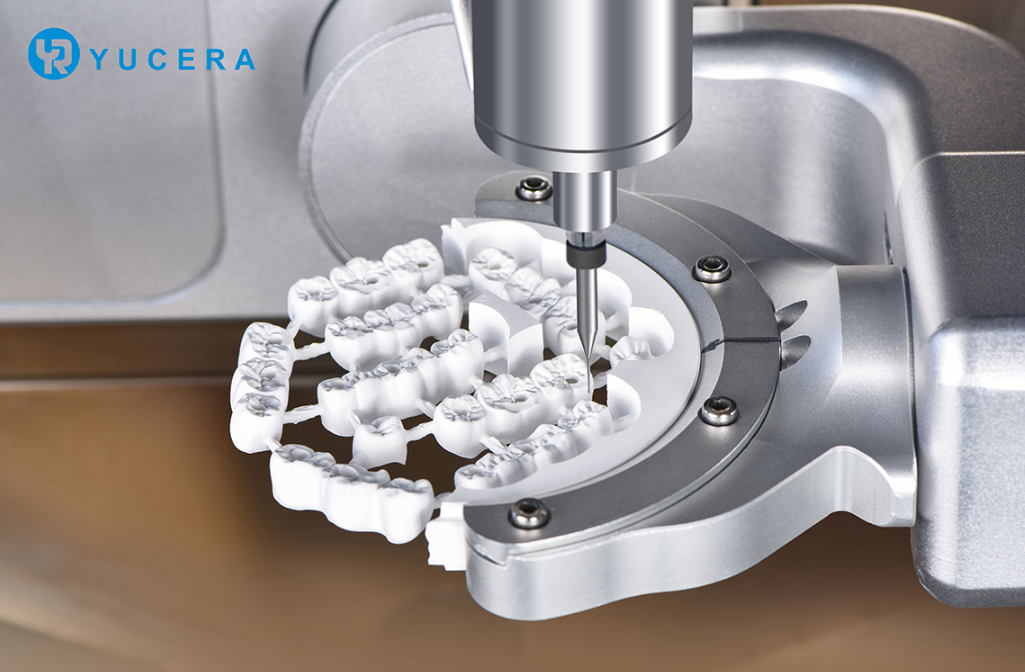
Compared with layered porcelain restorations, full contour zirconia restoration workflows reduce the risk of porcelain chipping and minimize variability caused by manual layering.
Because the restoration is milled from a single zirconia structure, laboratories can achieve more repeatable production quality.
This approach is especially beneficial in digital dental workflows requiring:
Modern multilayer zirconia is increasingly engineered to mimic the natural transition found in human teeth.
Features commonly used in anterior zirconia materials include:
A smoother transition between cervical and incisal areas helps reduce abrupt color contrast.
Gradual translucency distribution allows restorations to appear more lifelike under multiple lighting environments.
Anterior restorations require sufficient support while maintaining a refined aesthetic appearance.
This explains why multilayer zirconia has become increasingly common in anterior cosmetic restorations.
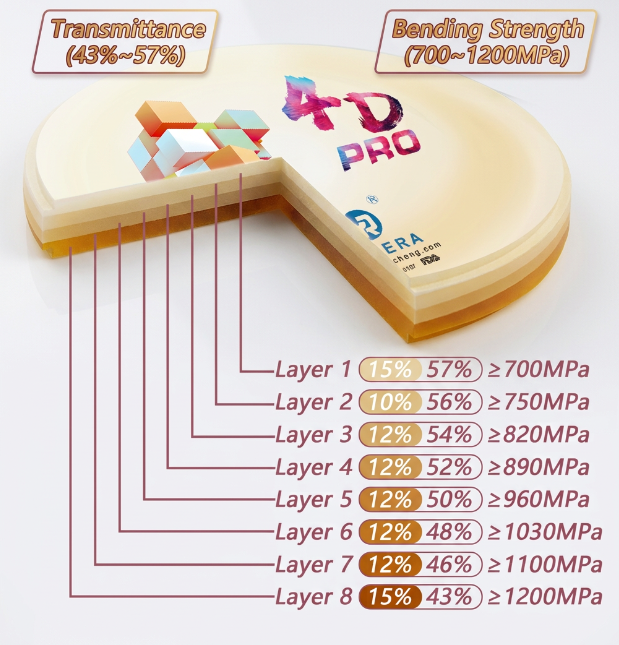
When selecting zirconia materials for anterior restorations, many laboratories in Europe and North America evaluate several practical factors.
Not every zirconia material is intended for highly aesthetic anterior cases.
For veneers, anterior crowns, and short-span bridges, laboratories typically prioritize materials optimized for:
Most laboratories prefer materials compatible with Ø98 mm CAD/CAM disc systems, allowing integration with standard milling workflows.
Workflow consistency is particularly important for laboratories processing multiple aesthetic cases daily.
Stable post-sintering results help reduce manual correction and remake risk.
Therefore, laboratories often value materials with more predictable optical behavior after firing.
From shade mismatch to low translucency, anterior zirconia restorations continue to present unique challenges for dental laboratories.
However, material development and digital workflows are helping laboratories improve aesthetic outcomes. Through the use of full contour zirconia restoration workflows, multilayer zirconia materials, and controlled sintering processes, laboratories are increasingly able to create restorations that better resemble natural dentition.

Dry & wet milling for zirconia, PMMA, wax with auto tool changer.
learn more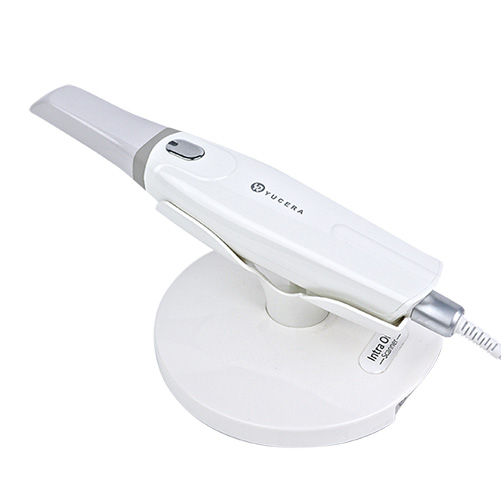
High-precision 3D scanning, AI calibration, full-arch accuracy.
learn more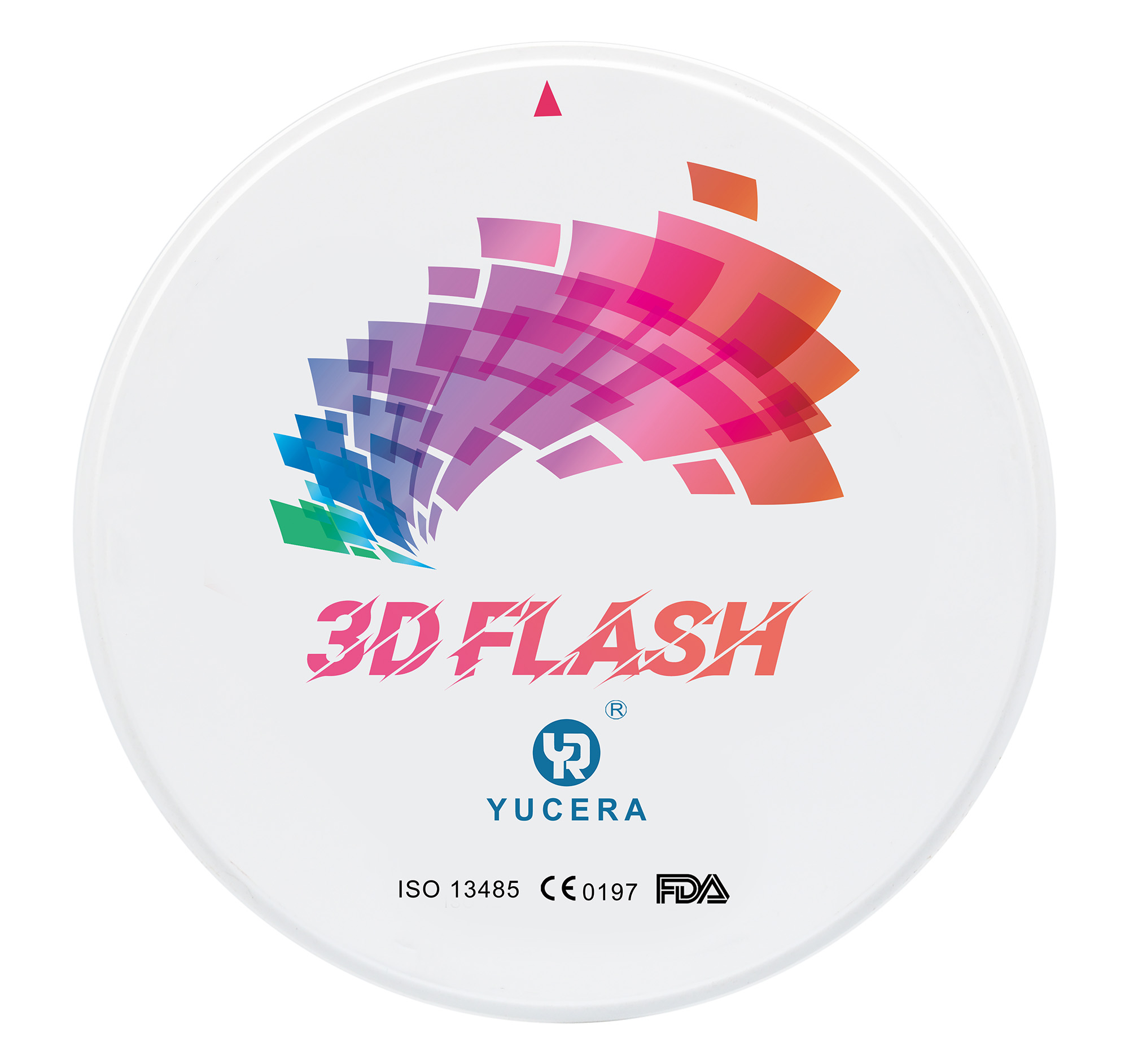
40-min full sintering with 57% incisal translucency and 1050 MPa strength.
learn more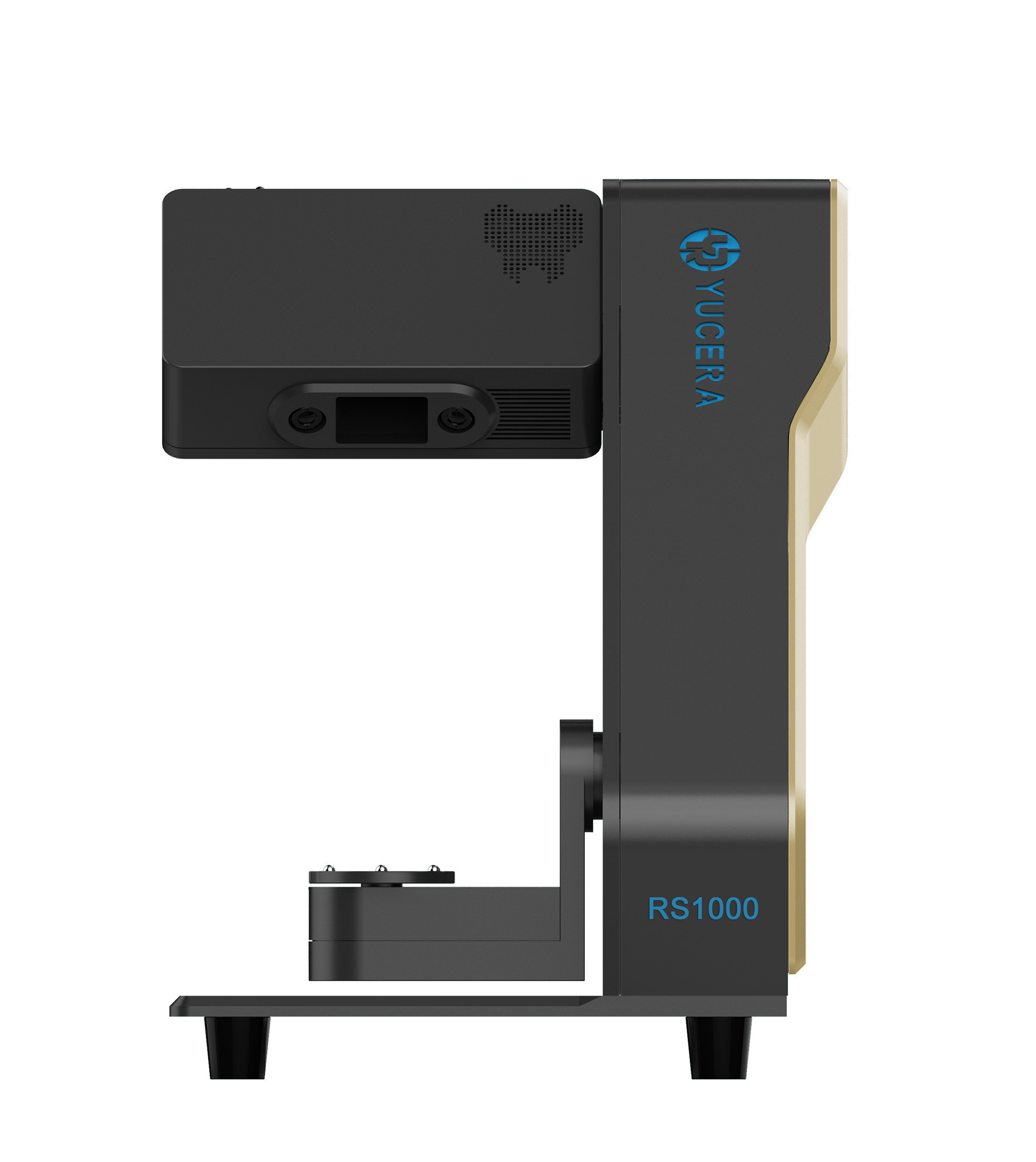
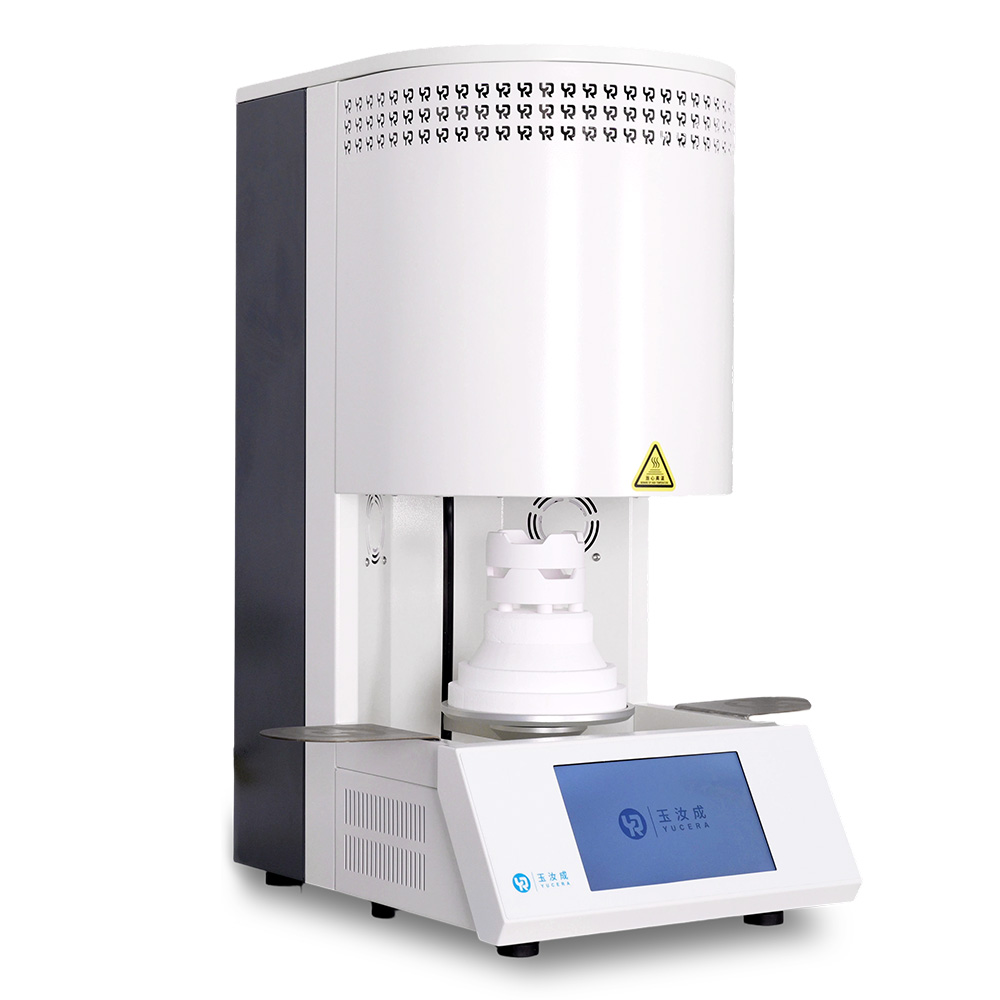
40-min cycle for 60 crowns, dual-layer crucible and 200°C/min heating.
learn more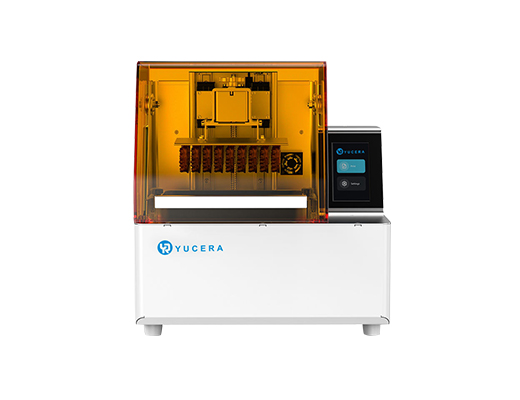
High-speed LCD printer for guides, temporaries, models with 8K resolution.
learn more