中 文
中 文

Zirconia Dental Bridges: Comprehensive Guide on Benefits, Costs, and Comparisons
2024-07-20
2026-05-16
In modern CAD/CAM dental milling centers, zirconia has become the dominant material for crowns, bridges, and full-arch restorations due to its strength, durability, and biocompatibility. However, despite advancements in digital workflows, zirconia shade inconsistency remains one of the most frequently reported challenges in dental laboratories.
Shade mismatch does not only affect aesthetics; it directly influences clinical acceptance, remake rates, and workflow efficiency. Even when digital design and milling are precise, the final restoration may still show visible color deviation compared to the intended shade guide.
This issue is typically not caused by a single factor but results from the interaction of material properties, processing parameters, and sintering behavior.
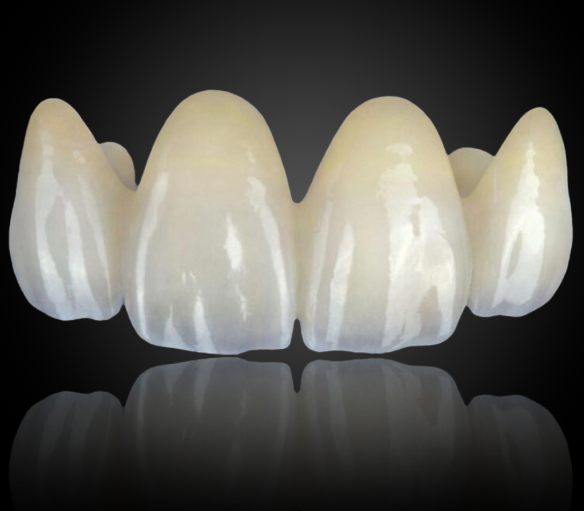
Zirconia shade consistency refers to the ability of a material to maintain stable optical properties throughout the entire CAD/CAM production chain, including milling, sintering, and post-processing.
In dental milling centers, shade variation can occur at multiple stages:
Each stage contributes to the final optical outcome, making process control essential for predictable aesthetics.
Modern zirconia blocks often use multilayer gradient structures to replicate natural tooth anatomy. These layers vary in translucency and chroma from cervical to incisal regions.
If restoration positioning is not properly aligned within the block during nesting, the transition between layers may not correspond to anatomical zones, leading to visible shade mismatch.
Zirconia is highly sensitive to thickness variations. A small change in restoration thickness can significantly alter light transmission behavior.
When CAD design does not properly compensate for material translucency, anterior restorations may appear either too opaque or too translucent compared to adjacent teeth.
Sintering is a critical stage where zirconia undergoes densification and phase transformation. Temperature uniformity within the furnace directly impacts chromatic stability.
Even slight deviations in heating curves or cooling rates may result in inconsistent shade outcomes across different restorations within the same batch.
Tool wear, feed rate, and spindle stability can introduce microstructural variations on the zirconia surface before sintering. These variations may not be visible immediately but can affect final optical properties after sintering.
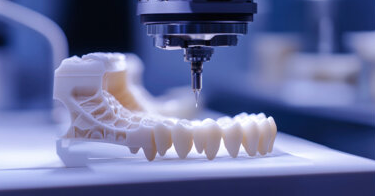
To reduce zirconia shade inconsistency, dental laboratories must focus on process standardization across the entire workflow.
Key optimization strategies include:
Workflow standardization reduces variability and improves predictability of final restorations.
Material selection plays a central role in controlling aesthetic outcomes in CAD/CAM dentistry.
High-performance zirconia materials designed for shade stability typically feature:
These material characteristics help minimize dependency on manual adjustments and reduce variability across different operators and labs.
When zirconia shade inconsistency is effectively controlled, dental labs benefit from:
For dental technicians, this translates into more stable production cycles and fewer clinical corrections.
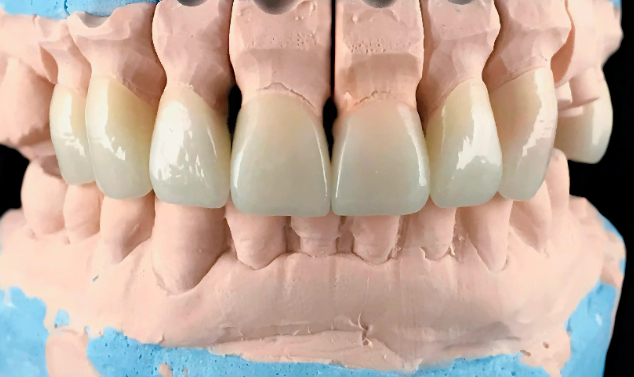
Zirconia shade inconsistency in CAD/CAM dental milling workflows is a multi-factor technical challenge influenced by material structure, design parameters, milling accuracy, and sintering stability. By implementing standardized workflows and selecting appropriately engineered zirconia materials, dental laboratories can significantly improve aesthetic consistency and restore predictability in digital dentistry.

Dry & wet milling for zirconia, PMMA, wax with auto tool changer.
learn more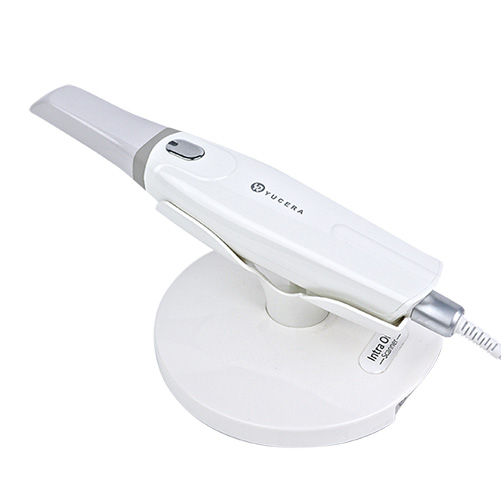
High-precision 3D scanning, AI calibration, full-arch accuracy.
learn more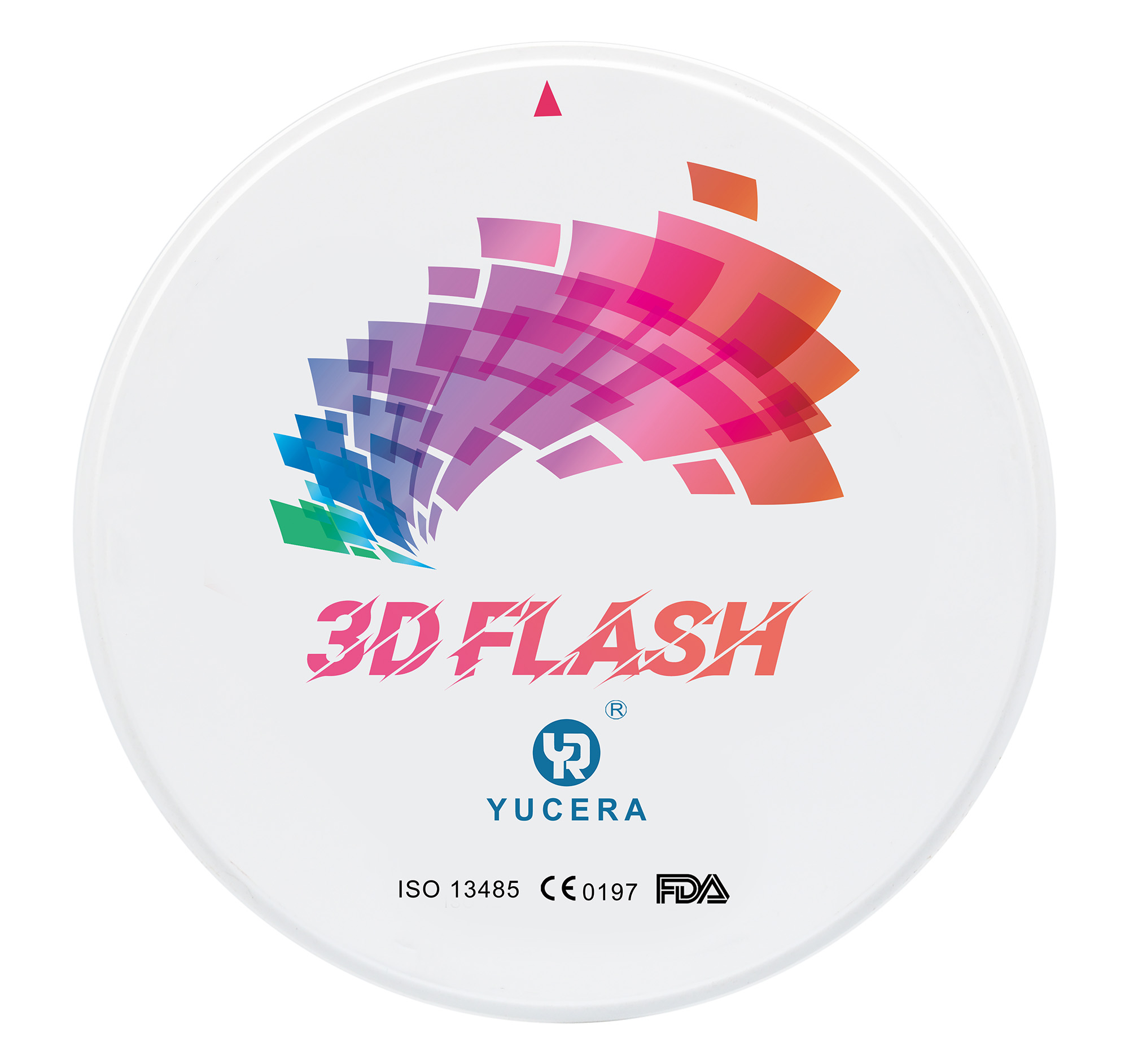
40-min full sintering with 57% incisal translucency and 1050 MPa strength.
learn more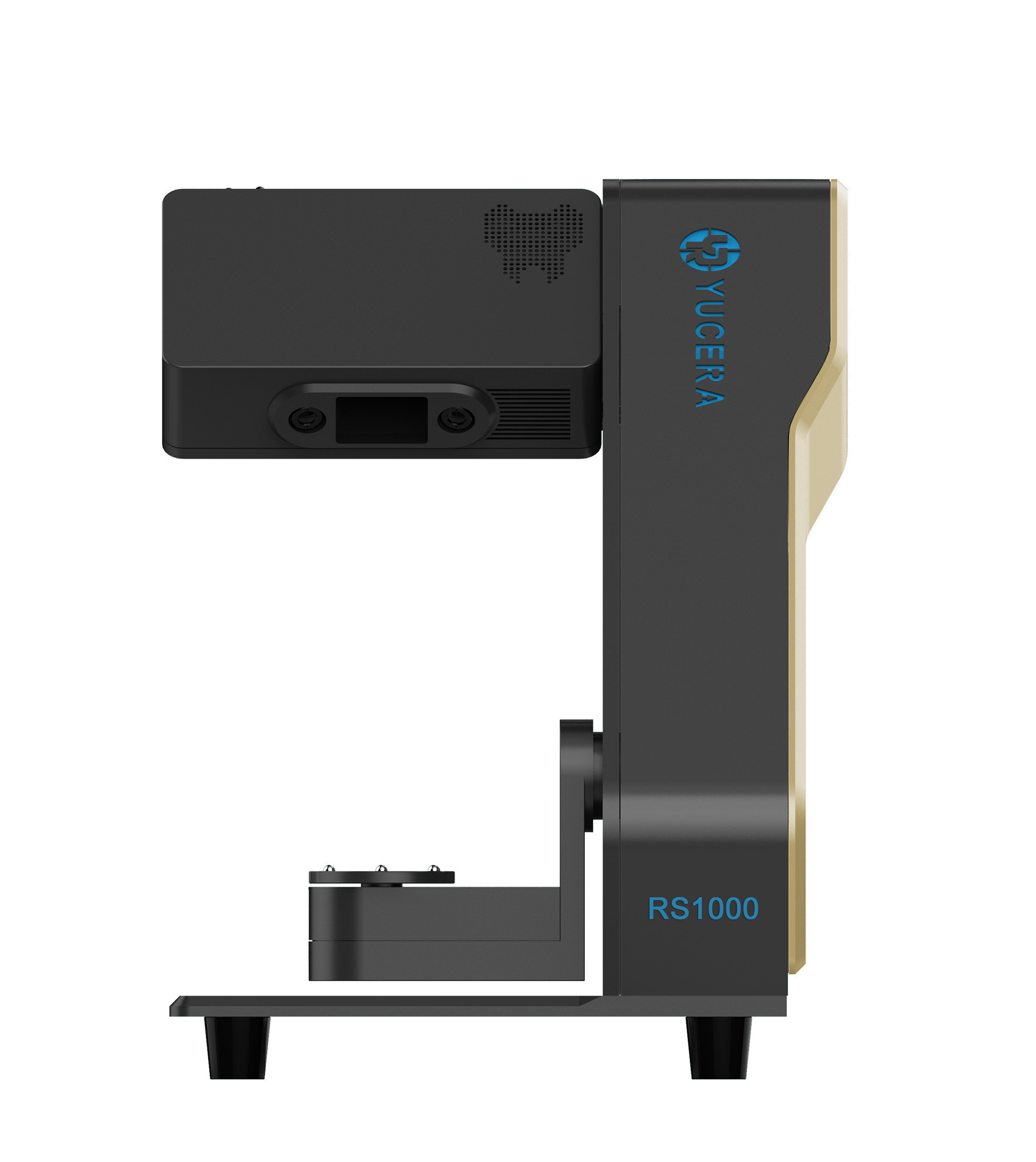
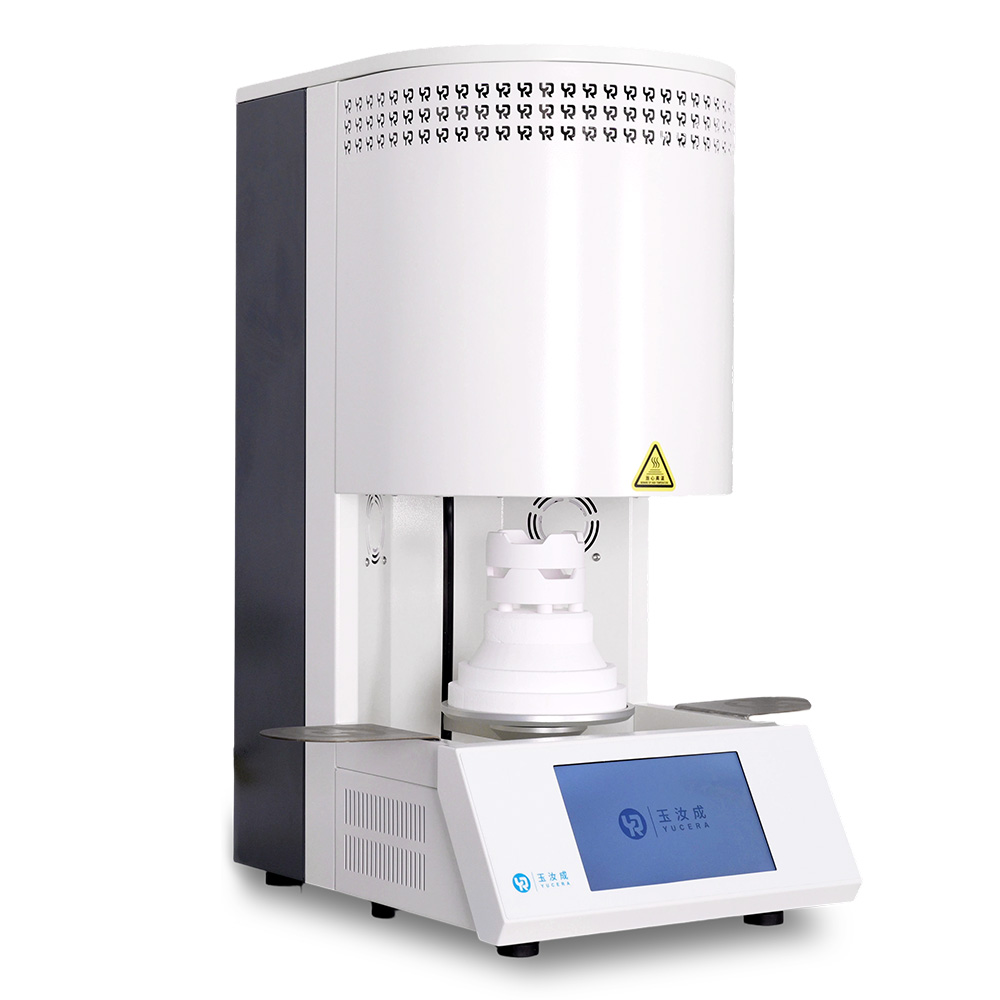
40-min cycle for 60 crowns, dual-layer crucible and 200°C/min heating.
learn more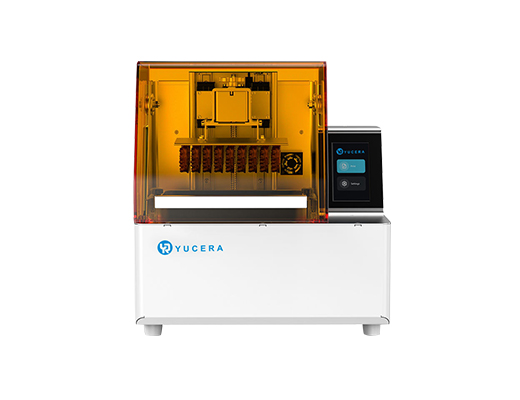
High-speed LCD printer for guides, temporaries, models with 8K resolution.
learn more