


 中 文
中 文
How to Optimize CAD/CAM Workflows to Reduce Chairside Time for South American Dentists 2026 – Brazil, Argentina, Chile
2026-02-22
2026-04-02
In 2026, additive manufacturing has ushered in the permanent restoration era for nano-composite resins. High-filler 3D-printable resins reinforced with nano-ceramic particles now deliver flexural strengths of 100–230 MPa and fracture resistance exceeding 1000 N in crown form—closing the historical gap with milled zirconia while offering unmatched speed, precision, and cost efficiency. This evidence-based guide examines the mechanical advancements, clinical performance, and practical protocols that position nano-composite resins as a viable alternative for single crowns, onlays, and select short-span restorations in the esthetic and posterior zones.
Traditional subtractive zirconia remains the benchmark for high-load durability with flexural strengths of 900–1500 MPa. Yet 3D-printed nano-composites—incorporating 50–70% ceramic or glass fillers—have evolved from provisional-only materials to permanent solutions approved for long-term use. Vat photopolymerization (DLP/SLA) combined with optimized post-curing now yields monolithic restorations with superior marginal fit (<50 μm) and reduced chair time, making same-day permanent dentistry a reality.
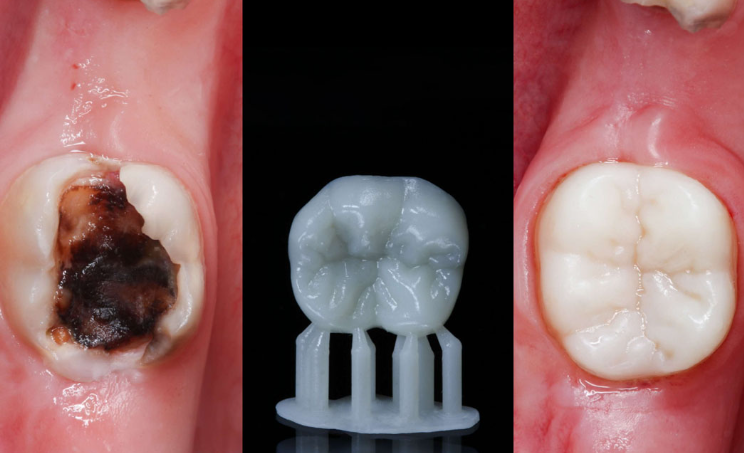
Modern 3D-printable nano-composite resins integrate micro- and nano-scale ceramic fillers (silica, zirconia, or hybrid particles) into a photopolymer matrix. This reinforcement addresses early limitations in mechanical performance:
These gains stem from higher filler loading, silanization, and refined printing parameters (orientation at 0°–45° optimizes strength). While still below zirconia’s peak values, the resins’ lower modulus provides better stress distribution to dentin, reducing root fracture risk in conservative preps.
Recent in-vitro and emerging clinical studies validate permanent viability:
Subgroup analysis favors nano-composites for anterior/premolar zones and patients with metal sensitivities or thin biotypes, where zirconia’s opacity or gray show-through may compromise esthetics.
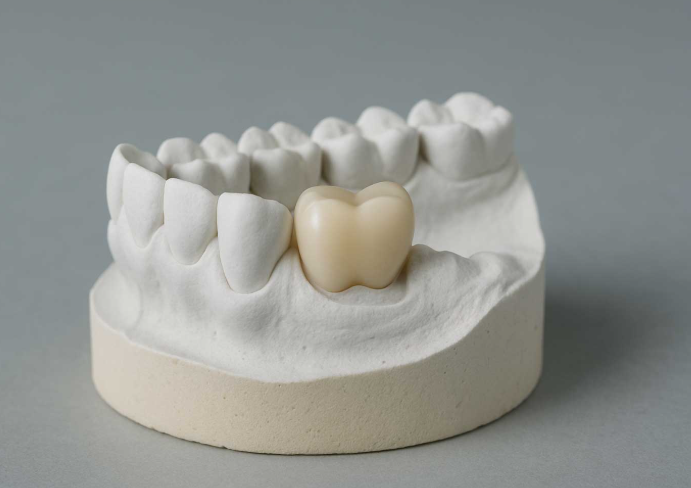
The full digital additive pathway eliminates wax-ups and casting:
Ideal Indications:
Contraindications & Mitigation:
Digital occlusal analysis, virtual try-ins, and annual polishing extend longevity. Patient education on maintenance further boosts outcomes.
While zirconia retains superiority in extreme posterior loads, nano-composite resins now handle the majority of single-tooth permanent needs with comparable or better overall performance in esthetic and conservative scenarios.
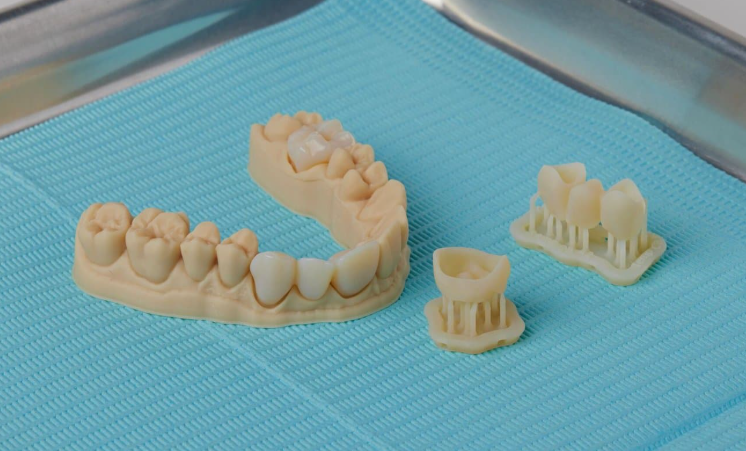
Nanoparticle reinforcement (niobium, zirconia, silica), bioactive additives, and hybrid printing technologies continue to push mechanical limits. AI-optimized designs and faster post-curing promise sub-30-minute permanent crowns. Long-term clinical trials will further define indications as survival data mature beyond 5 years.
The 2026 resin 3D printing era marks a paradigm shift: nano-composite resins have evolved into reliable permanent restorations, with mechanical properties approaching those required for everyday clinical success and, in targeted metrics, rivaling zirconia’s practical performance. Superior fit, rapid production, esthetic excellence, and conservative tooth preservation make them the go-to for modern digital practices.

Dry & wet milling for zirconia, PMMA, wax with auto tool changer.
learn more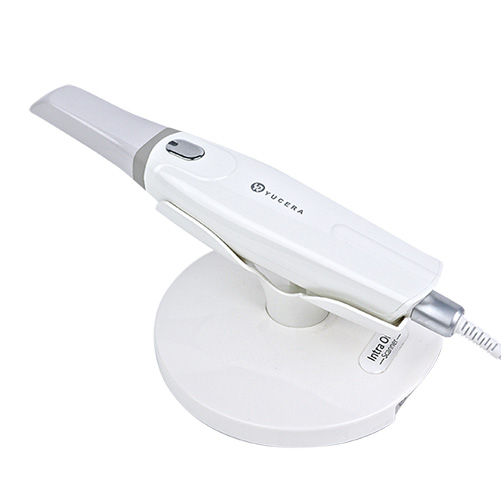
High-precision 3D scanning, AI calibration, full-arch accuracy.
learn more
40-min full sintering with 57% incisal translucency and 1050 MPa strength.
learn more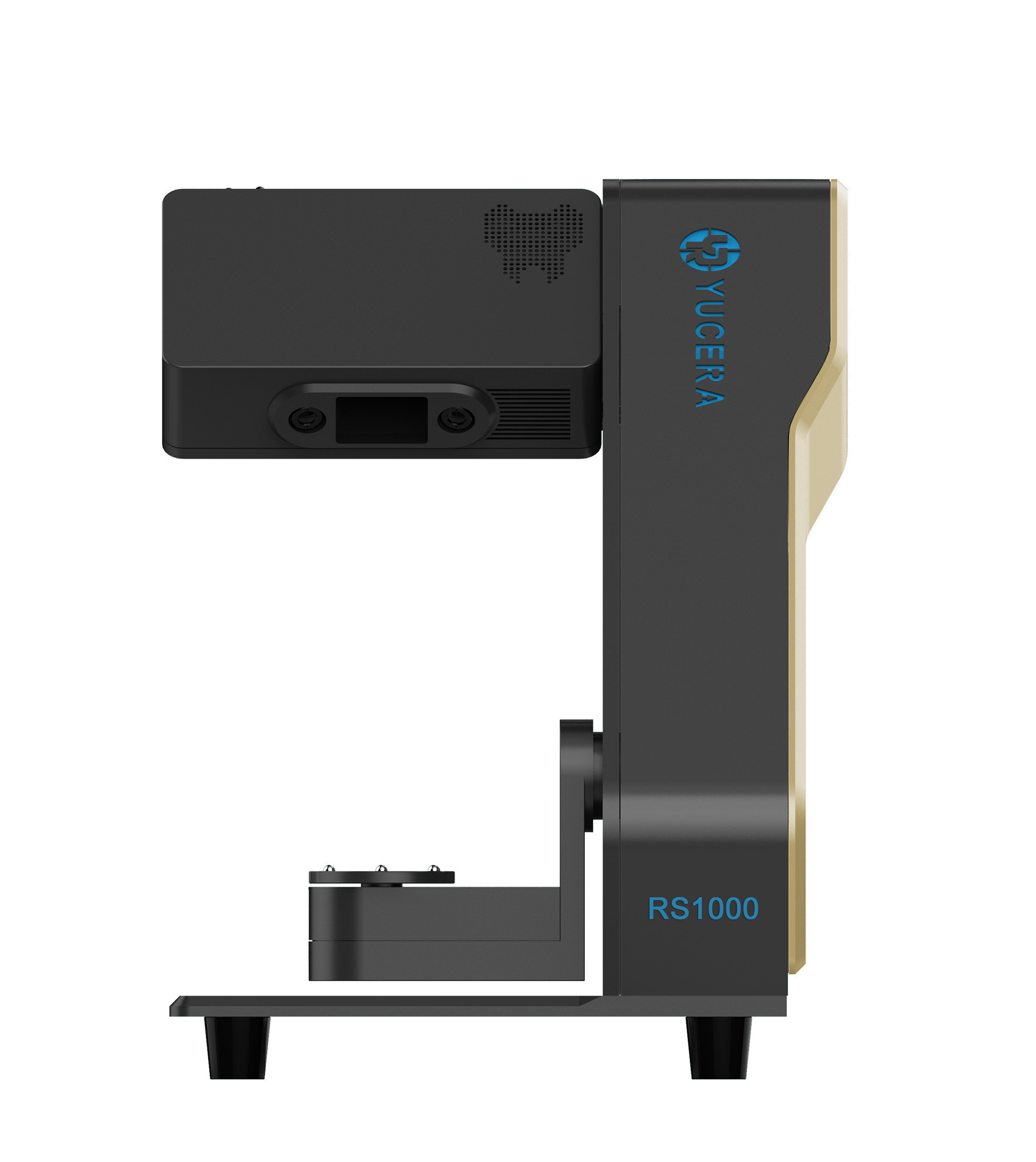
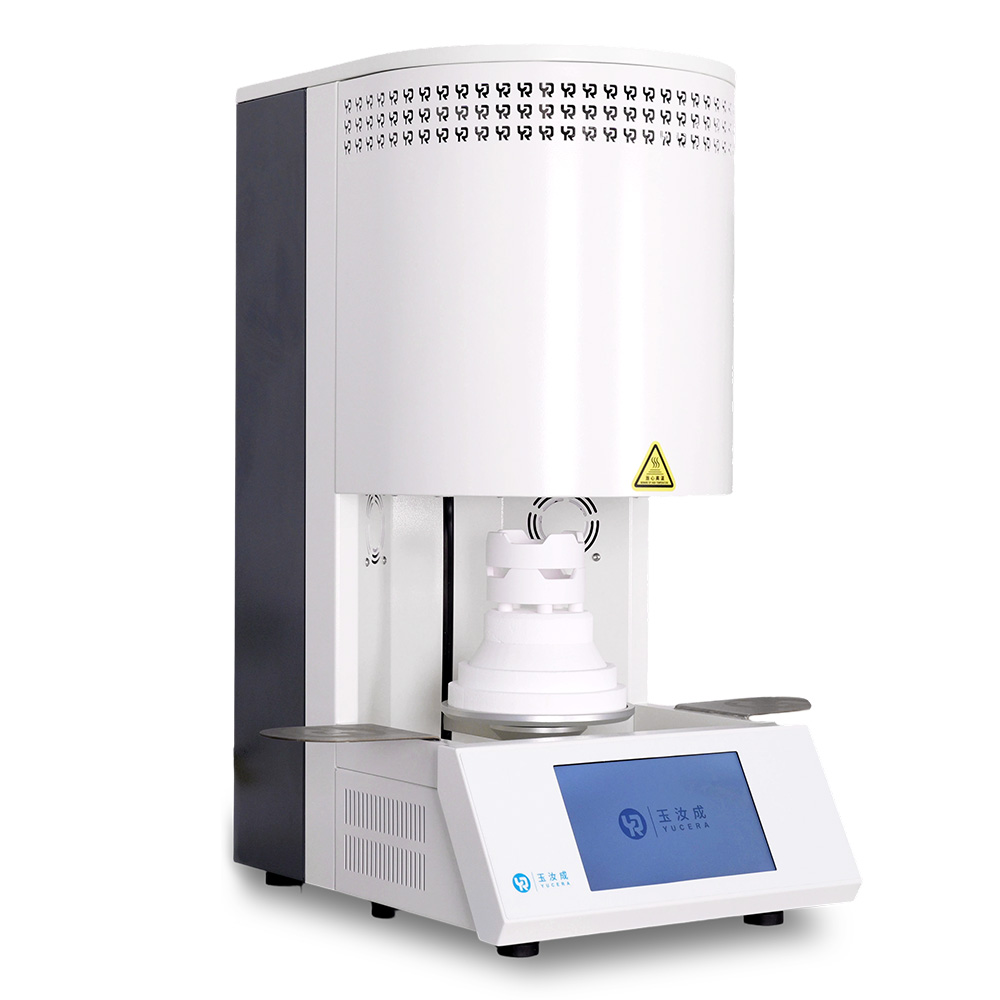
40-min cycle for 60 crowns, dual-layer crucible and 200°C/min heating.
learn more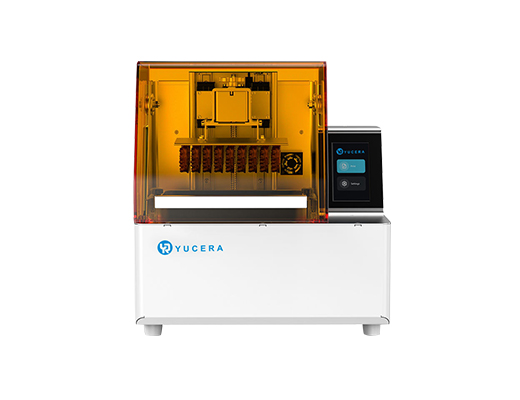
High-speed LCD printer for guides, temporaries, models with 8K resolution.
learn more


2026-02-22
2025-09-28

2024-12-05


