中 文
中 文
All-Ceramic Metal-Free Restorations (Especially Full Zirconia) in Brazil: How Long Will Dominance Last in Cosmetic Dentistry Market in 2026?
2026-01-09
2026-04-14
The Nordic region (Sweden, Denmark, Norway, and Finland) stands out as one of Europe’s most digitally advanced dental markets in 2026. Strong public healthcare systems, high technician wages, strict EU Medical Device Regulation (MDR) standards, and a cultural emphasis on precision, sustainability, and patient comfort accelerate the shift from analogue to full digital workflows.
Europe’s dental CAD/CAM segment is projected to reach approximately USD 0.89 billion in 2026, contributing a significant share to the global market valued around USD 2.6–2.9 billion that year. Within the Nordics, adoption of intraoral scanners, CAD design software, milling machines, and sintering solutions continues to rise, driven by demands for faster, more accurate restorations and same-day or next-day prosthetics.
This article analyses overall market size and growth drivers, then breaks down country-specific differences in Sweden, Norway, and Denmark to help dental labs, clinics, and decision-makers align investments with local realities.
Europe’s broader dental market is expected to grow steadily, with the CAD/CAM portion benefiting from double-digit momentum in key sub-segments like intraoral scanners and milling systems. The global dental CAD/CAM market is forecasted to expand at a CAGR of 9–11% through the late 2020s, with Europe maintaining a mature yet innovative position.
In the Nordics, growth is supported by:
Key growth drivers include the transition to chairside and in-lab digital workflows, integration of AI-assisted design, and the need for efficient production of high-aesthetic zirconia and hybrid restorations. EU MDR compliance further pushes labs toward reliable, documented digital systems that ensure traceability and quality.
These drivers create a fertile environment for CAD/CAM adoption, with particular strength in laboratory milling and integrated scanning-to-sintering solutions.
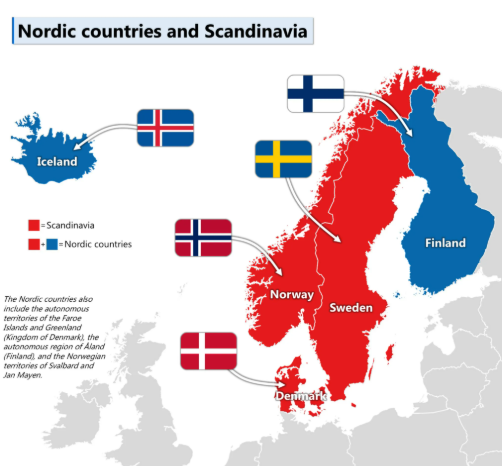
While the Nordics share many similarities, each country shows nuanced priorities shaped by healthcare structure, geography, economy, and patient expectations.
Sweden Sweden’s large population and well-developed public-private dental care system make it the biggest Nordic CAD/CAM market by volume. Labs here handle high volumes of crown-and-bridge work alongside growing implant cases. Demand focuses on high-throughput milling and seamless clinic-lab data sharing. Key traits: Strong emphasis on cost-efficiency due to competitive reimbursement environments; early adoption of open-architecture software for flexibility. Swedish labs often prioritise machines that support fast turnaround for urban clinics in Stockholm, Gothenburg, and Malmö. Sustainability is a major purchasing factor, aligning with national green goals.
Norway Norway stands out for the highest labour costs and remoteness in some regions (fjords, northern areas). This drives strong interest in compact, highly automated systems that support unmanned or low-staff overnight runs. Demand leans toward reliable, low-maintenance equipment with excellent remote diagnostics and fast regional spare-parts support. Norwegian clinics and labs place extra value on precision for complex implant cases and high-aesthetic anterior restorations, where patient expectations for natural results are very high. Oil-driven economy supports investment in premium digital solutions.
Denmark Denmark excels in design innovation and aesthetic dentistry, with many labs known for high-end zirconia and layered restorations. The market shows balanced adoption of both chairside CAD/CAM in clinics and advanced in-lab milling. Danish buyers often emphasise user-friendly software interfaces, excellent colour matching capabilities, and integration with popular intraoral scanners. Compact footprints suit smaller urban practices, while strong focus on patient comfort accelerates same-day restoration workflows. Denmark’s central location within the Nordics also positions some labs as regional service providers.
Common vs Differentiated Needs Summary
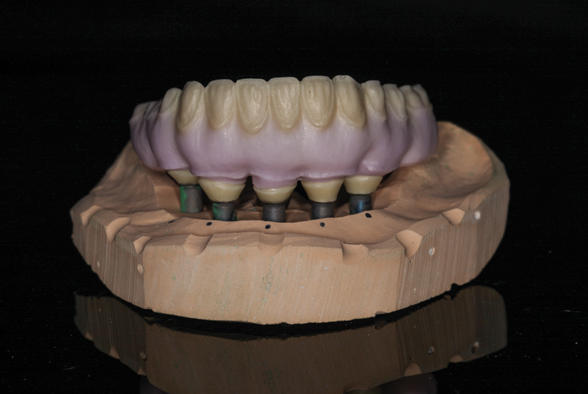
Labs and clinics investing in CAD/CAM should evaluate equipment against three pillars:
Choosing systems that align with country-specific needs can deliver 20–30% labour cost reductions, lower remake rates, and improved capacity without expanding headcount.
In 2026, the Nordic dental CAD/CAM market offers robust growth potential within Europe’s maturing digital dentistry landscape. While overall market size reflects steady expansion driven by demographics, efficiency pressures, and regulatory standards, success depends on understanding subtle country differences — from Sweden’s volume-driven needs to Norway’s automation priorities and Denmark’s aesthetic focus.

Dry & wet milling for zirconia, PMMA, wax with auto tool changer.
learn more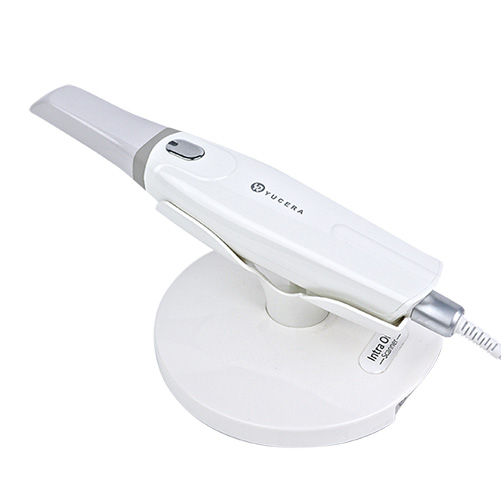
High-precision 3D scanning, AI calibration, full-arch accuracy.
learn more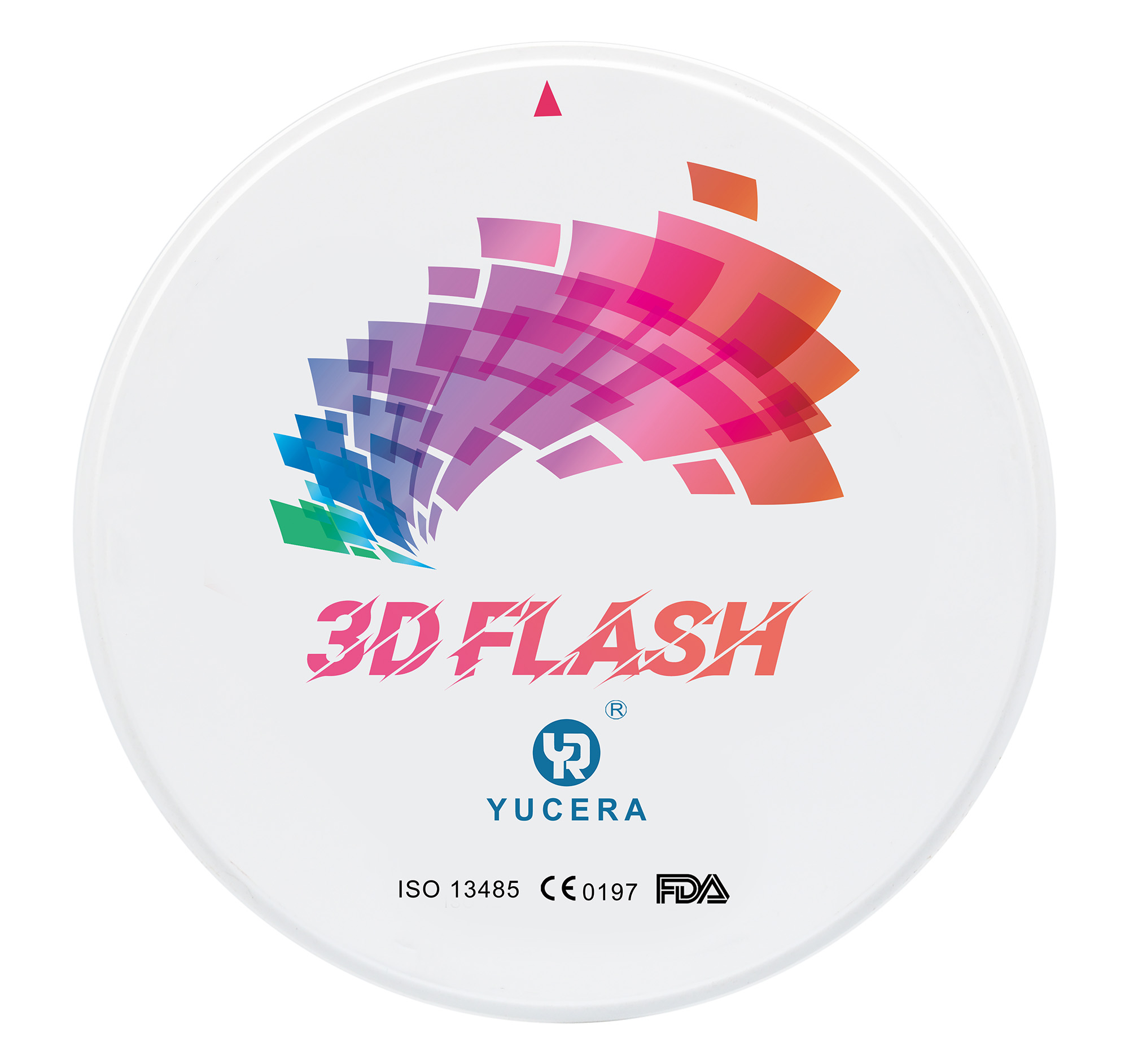
40-min full sintering with 57% incisal translucency and 1050 MPa strength.
learn more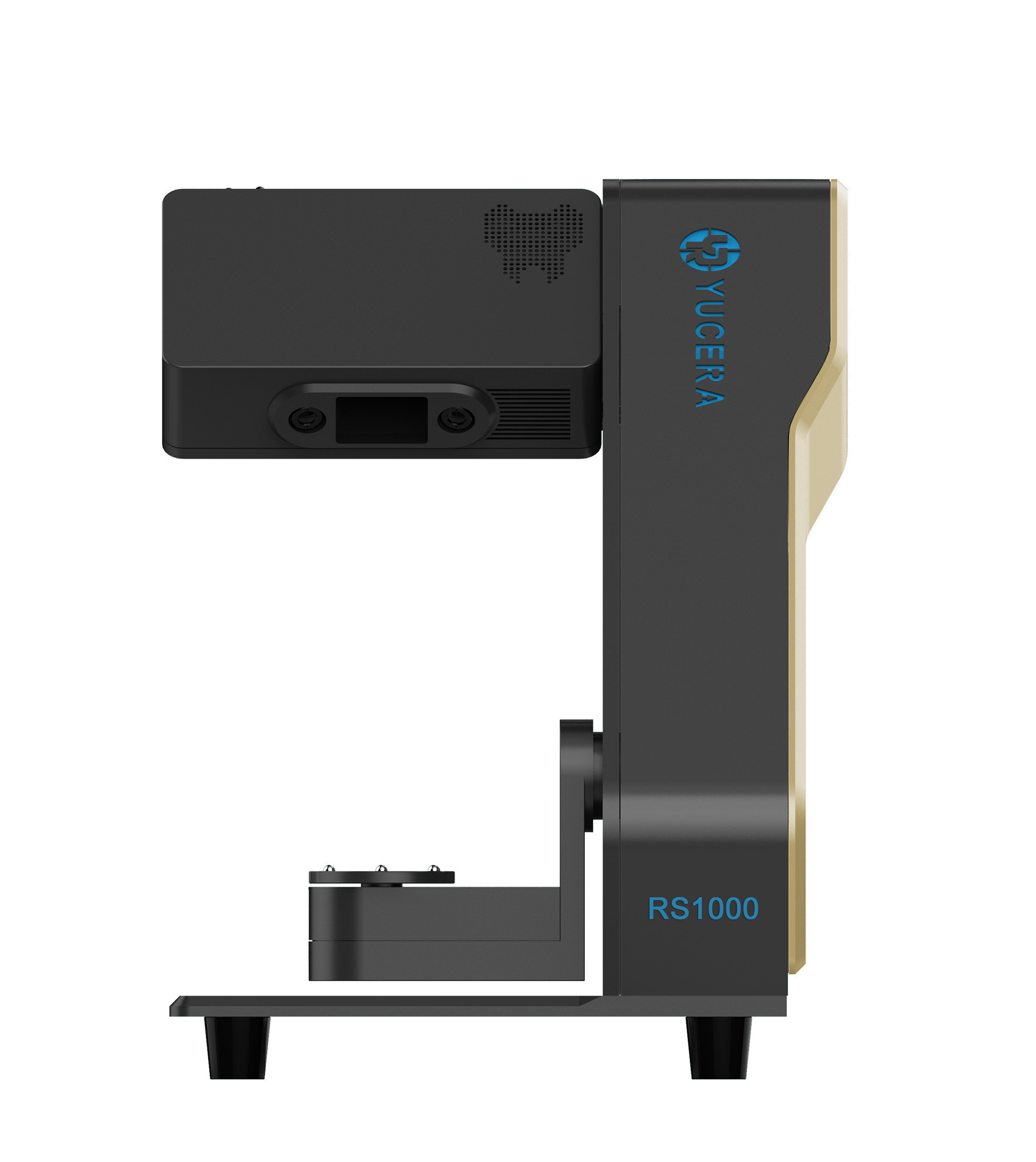
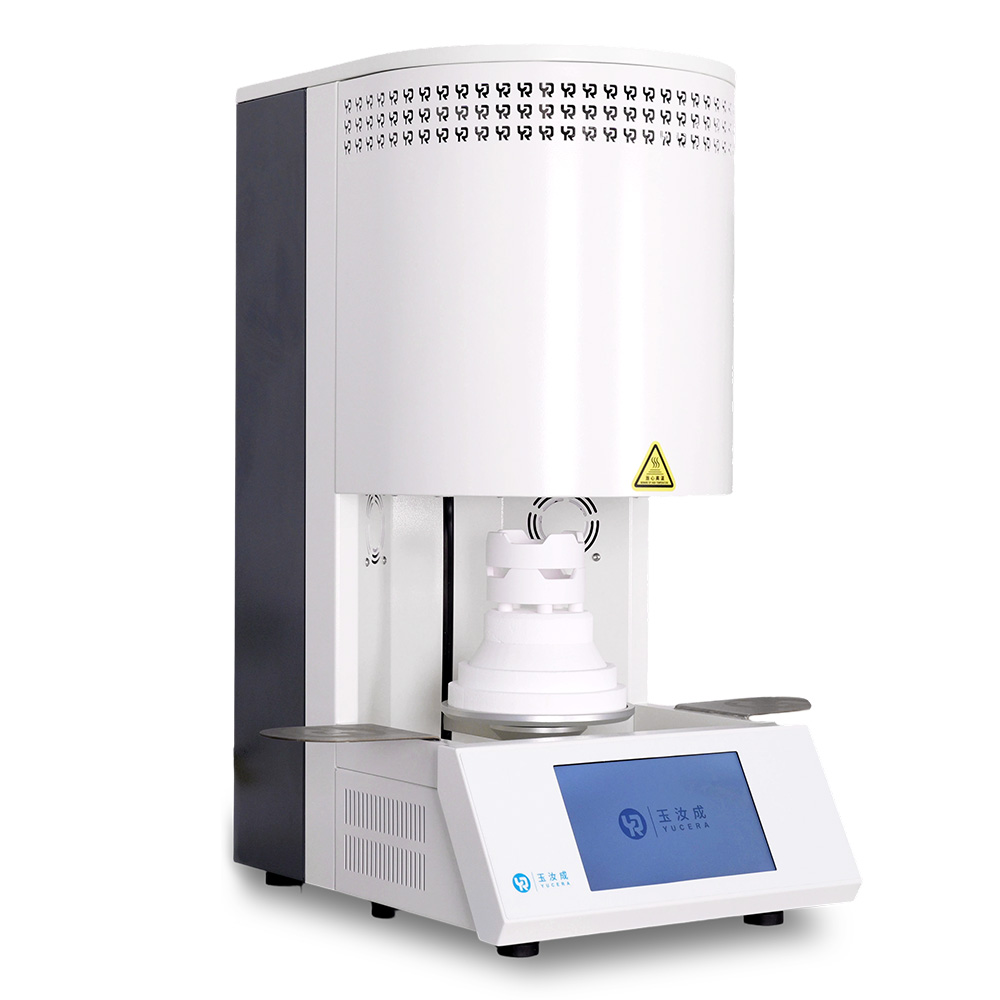
40-min cycle for 60 crowns, dual-layer crucible and 200°C/min heating.
learn more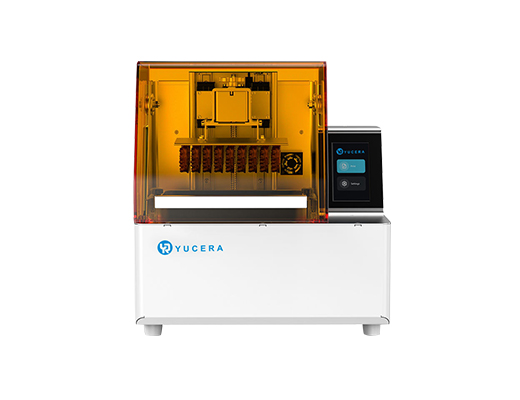
High-speed LCD printer for guides, temporaries, models with 8K resolution.
learn more