中 文
中 文
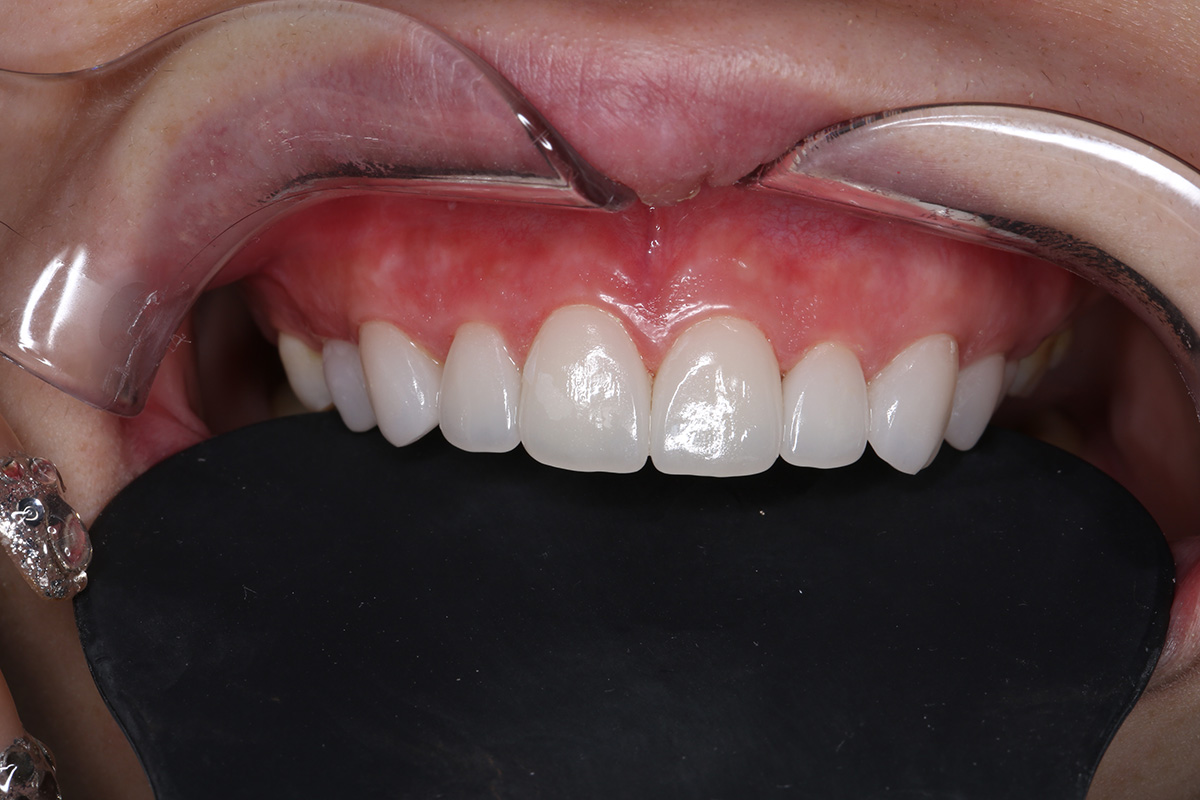
Reference guide for denture crown and bridge restorations
2025-02-20
2026-04-07
The Eastern Europe dental equipment market is poised for steady expansion in 2026. Regional demand benefits from economic recovery, increased public and private investment in oral healthcare, and accelerating digital adoption in clinics and labs. Russia remains the dominant player, accounting for a significant share, while Poland, Czech Republic, Romania, and Hungary show robust activity in both private and public sectors.
Key characteristics include a high proportion (around 78%) of small and medium-sized clinics and laboratories seeking balanced quality and affordability. Digital penetration is rising but still lags behind Western Europe, creating substantial growth potential for entry-level CAD/CAM systems, intraoral scanners, and reliable basic equipment.
Core opportunities stem from policy shifts — including Russia’s import substitution strategy and customs adjustments — alongside EU subsidies in member states that favour cost-effective digital solutions. Rising living costs push buyers toward value-driven purchases that deliver stable performance without premium pricing.
This article analyses 2026 procurement trends, decodes policy impacts, and offers practical high-value solutions to help clinics, labs, and distributors capitalise on the market while avoiding common pitfalls.
Regional differences shape procurement priorities:
Policy impacts are significant. In Russia, GOST certification is often required alongside compliance considerations. EU Eastern countries follow CE marking under MDR, with support for digital upgrades. Buyers must navigate batch optimisation to manage customs costs effectively.
Common pain points include limited budgets, balancing quality with price, and ensuring adequate after-sales support in diverse geographic settings
Category 1: Entry-level digital equipment (strongest demand) Core items include entry-level CAD/CAM systems, portable intraoral scanners, and basic design software. Selection priorities: Stable accuracy (error rate ≤5%), user-friendly operation, compatibility with local zirconia and PMMA materials, and pricing that keeps total investment accessible (CAD/CAM systems generally under premium thresholds). These solutions suit Russia’s small labs and Poland’s private clinics.
Category 2: Basic dental equipment (grassroots mainstay) Standard dental chairs, high-speed handpieces, and disinfection cabinets. Criteria: Durability (≥5 years service life), straightforward maintenance with locally available parts, energy efficiency, and compliance with regional safety standards (CE or GOST as applicable).
Category 3: Cost-effective mid-range equipment Semi-automated systems and small sintering furnaces. Focus on balanced speed (single crown around 10 minutes or less), some automation to reduce manual work, and solid support — priced 30-50% below top-tier brands while delivering reliable results for urban private practices.
Reminder: Avoid extremely low-priced options that often lead to frequent breakdowns and higher lifetime costs. Real-world feedback shows many buyers later regret such choices due to downtime and maintenance burdens.
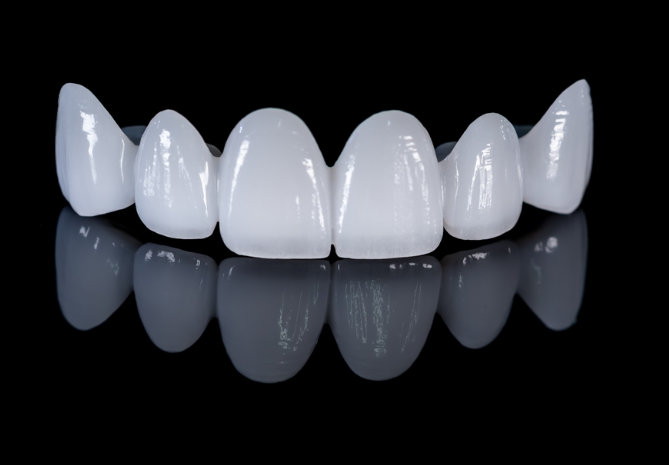
Solution 1: Entry-level digital transformation package (ideal for small clinics/labs) Includes entry-level CAD/CAM + portable scanner + basic software + initial training. Advantage: Package pricing significantly lower than separate purchases; enables basic crown and simple bridge production. Perfect for first-time digital adopters in Russia and Poland.
Solution 2: Grassroots basic equipment batch plan (for public institutions and chains) Multiple dental chairs + handpieces + disinfection units + spare parts kit + maintenance support. Advantage: Batch discounts (15-20%), reduced per-unit cost, and lower downtime risk. Suited to rural Russia and Romanian public clinics.
Solution 3: Policy-compliant cost-effective package CE/GOST-certified equipment with compliance guidance and technical cooperation options. Advantage: Eligibility for EU subsidies or Russian policy preferences; optimised batching to manage customs efficiently.
Solution 4: After-sales support matching plan Local or regional technical consultation, spare parts availability (3-7 day delivery), preventive maintenance, and software updates.
A small Moscow lab (8 staff, ~400 units/month, focused on crowns and bridges) relied on outdated manual processes, resulting in low output and high labour demands.
They selected an entry-level digital package ( CAD/CAM + portable scanner) that met GOST requirements and aligned with customs optimisation strategies.
Results after 4 months:
The lab gained efficiency and competitiveness without overspending, illustrating how policy-aware, value-focused choices deliver tangible gains in the 2026 market.
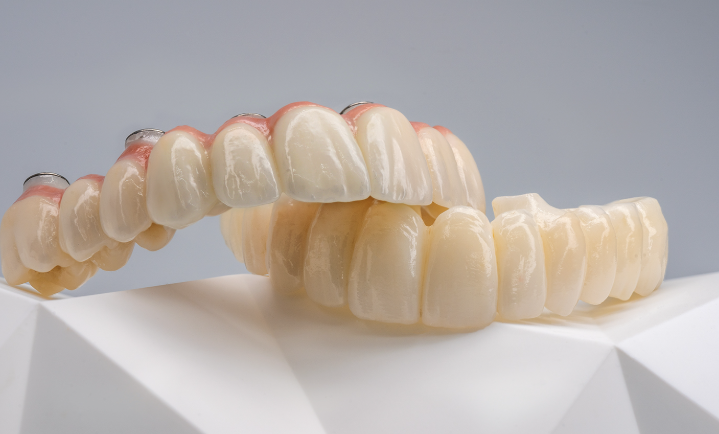
2026 represents a pivotal year for the Eastern Europe dental equipment market. Growth is fuelled by digital transformation among SMEs, grassroots expansion, and policy-driven upgrades. Success hinges on balancing compliance, quality, and affordability — choosing “high quality at a reasonable price” rather than simply the cheapest option.
By focusing on entry-level digital tools, policy-compliant packages, and reliable support, buyers and distributors can reduce costs, boost efficiency, and strengthen competitiveness in a recovering yet opportunity-rich market.

Dry & wet milling for zirconia, PMMA, wax with auto tool changer.
learn more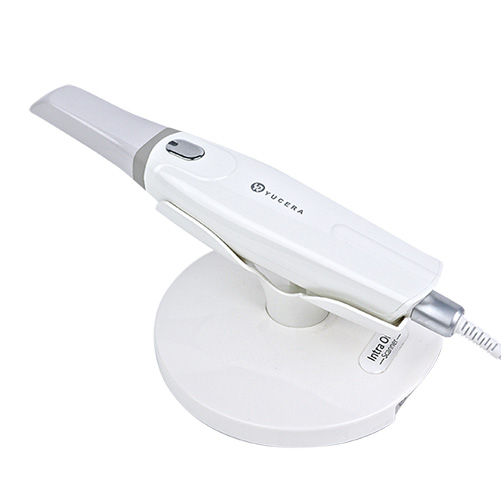
High-precision 3D scanning, AI calibration, full-arch accuracy.
learn more
40-min full sintering with 57% incisal translucency and 1050 MPa strength.
learn more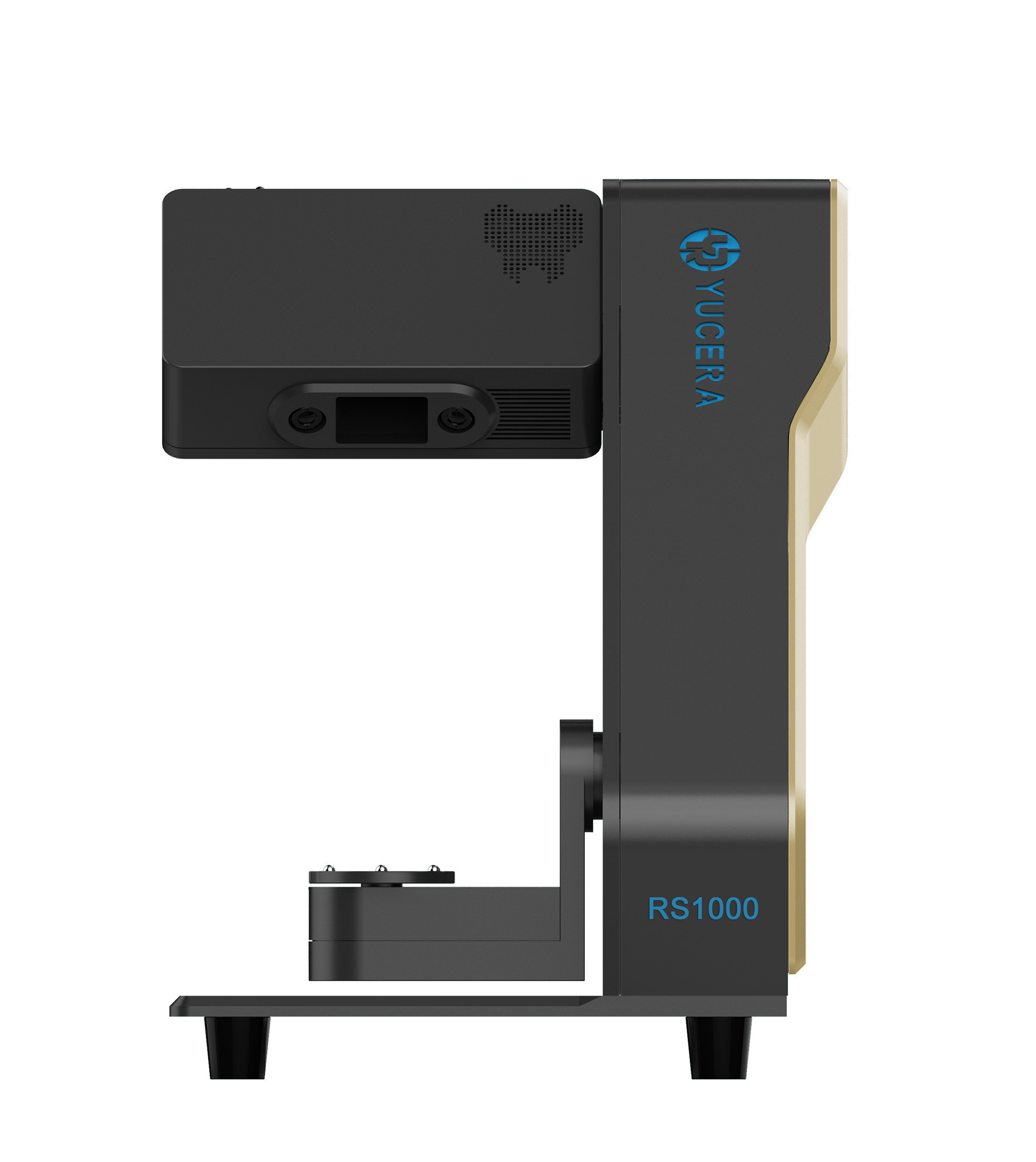
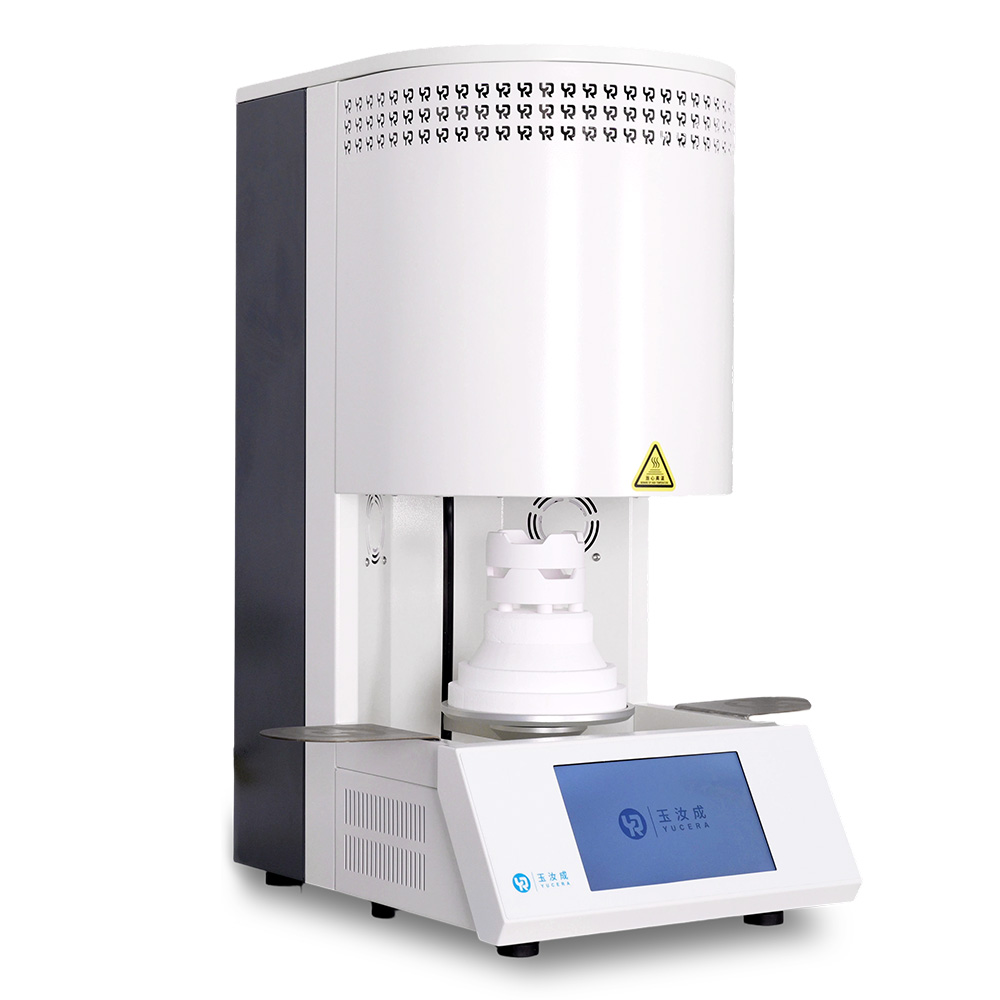
40-min cycle for 60 crowns, dual-layer crucible and 200°C/min heating.
learn more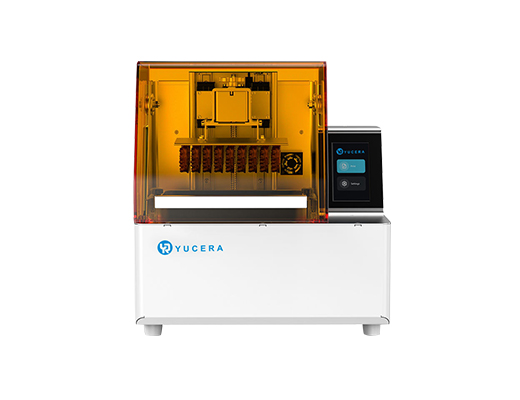
High-speed LCD printer for guides, temporaries, models with 8K resolution.
learn more