中 文
中 文
Why Understanding Dental Materials Is Crucial For Every Dentist
2025-04-13
2026-04-12
In 2026, Eastern European dental laboratories and clinics are under pressure to deliver aesthetic, durable zirconia restorations while controlling costs. Glaze paste plays a critical role in the final step of CAD/CAM workflows — providing surface protection, natural gloss, stain resistance, and custom characterisation.
However, many labs still struggle with poor glaze performance: premature chipping of the glaze layer, rapid discoloration, uneven gloss, or weak bonding to the zirconia substrate. These issues are more pronounced in Eastern Europe due to budget constraints, variable equipment quality, and regional factors like temperature fluctuations and dietary habits.
This guide provides a practical, no-nonsense framework for selecting high-value glaze pastes that deliver reliable results without overspending. It focuses on key performance criteria, common failure modes of low-quality products, and actionable selection tips tailored to Eastern European labs in Poland, Russia, Romania, Hungary, and neighbouring markets.
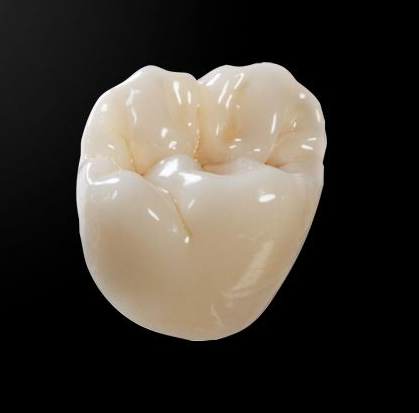
Zirconia remains the dominant material for monolithic and layered restorations in the region because of its strength and cost-effectiveness. The final glaze layer is responsible for:
Low-quality or mismatched glaze pastes often fail within 1–3 years, leading to remake requests, patient dissatisfaction, and higher long-term costs. Industry observations in 2026 show that labs using suboptimal glazes experience 2–3× higher remake rates for aesthetic issues compared to those using properly selected products.
Budget pressure in Eastern Europe frequently leads to the purchase of inexpensive glazes, but this “save now, pay later” approach usually increases overall expenses through rework, lost chair time, and damaged reputation.
1. Premature chipping or delamination Cheap glazes often have poor thermal expansion matching with zirconia or insufficient bonding strength. In regions with large seasonal temperature swings (common in Eastern Europe), this mismatch causes internal stress and glaze layer failure, especially on occlusal surfaces.
2. Rapid discoloration and staining Inferior glazes have porous or poorly formed surfaces that absorb pigments from coffee, red wine, tobacco, and hard water — all prevalent in the region. Discoloration can appear within months, forcing early replacement.
3. Uneven gloss and unnatural appearance Low-quality pastes may produce overly shiny or dull surfaces that do not mimic natural tooth enamel. They can also create a “plastic-like” look that patients notice immediately.
4. Increased abrasion and wear Poorly formulated glazes wear faster than opposing enamel or restorations, leading to loss of anatomy, rough surfaces, and plaque accumulation.
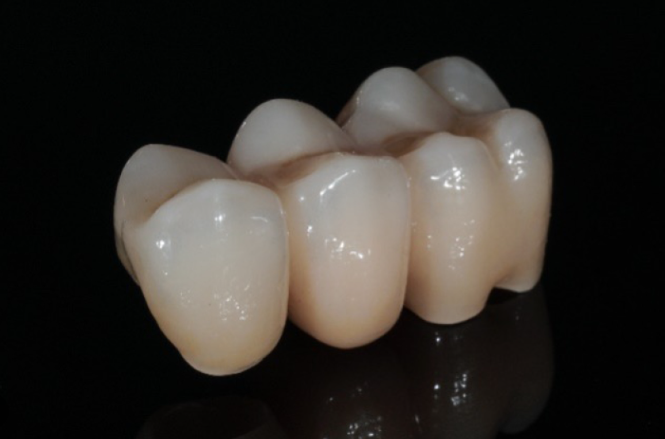
When evaluating glaze pastes for CAD/CAM zirconia, focus on these performance factors rather than price alone:
1. Compatibility with zirconia substrates Choose glazes specifically formulated for zirconia (not universal ceramics). Look for proven thermal compatibility to prevent cracking or delamination during firing and in the mouth.
2. Stain resistance and colour stability High-quality glazes form a dense, low-porosity surface that resists extrinsic staining. Test data from long-term simulations show premium glazes maintain ΔE (colour difference) values below 2.0 even after simulated years of use, while cheap options often exceed 5.0–8.0.
3. Gloss retention and wear resistance The glaze should provide natural enamel-like gloss that lasts. Good products maintain surface smoothness after brushing and chewing cycles, while inferior ones roughen quickly, increasing plaque retention.
4. Firing behaviour and ease of use Select pastes with predictable firing schedules (typically 750–850°C) that work reliably in standard lab furnaces common in Eastern Europe. Easy application (good flow, no running) and minimal shrinkage are essential for consistent results.
5. Cost-effectiveness over lifecycle Calculate total cost per restoration, not just purchase price. A slightly more expensive glaze that reduces remakes by even 5–10% usually delivers better ROI within months.
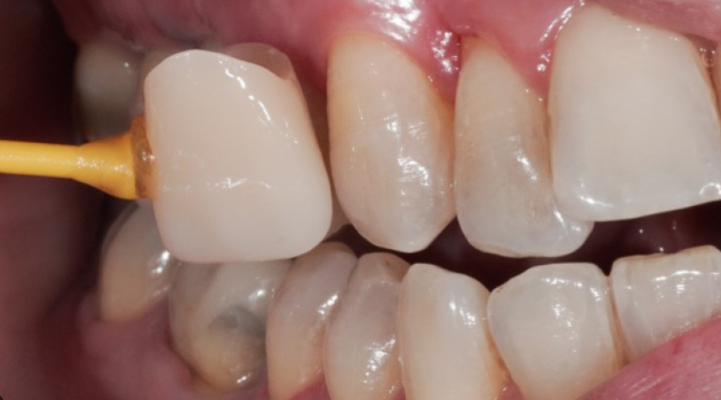
Once selected, proper application maximises performance:
Labs that follow these steps typically see remake rates for glazing-related issues drop below 2–3%.
In the cost-sensitive yet quality-demanding Eastern European dental market, glaze paste selection is a strategic decision, not just a consumable purchase. By focusing on compatibility, stain resistance, gloss retention, and overall value rather than lowest upfront price, labs can deliver durable, aesthetic restorations that reduce remakes, satisfy clinics and patients, and protect profitability.
High-value glaze pastes may cost slightly more initially, but they consistently deliver lower total ownership costs through better performance and fewer failures.
Ready to optimise your CAD/CAM glazing workflow? Download our free 2026 Eastern Europe Glaze Paste Selection Checklist — includes evaluation criteria, trial protocols, and cost-comparison templates tailored for regional labs.
Secondary CTA: Contact our technical team for personalised recommendations based on your zirconia materials, equipment, and production volume.

Dry & wet milling for zirconia, PMMA, wax with auto tool changer.
learn more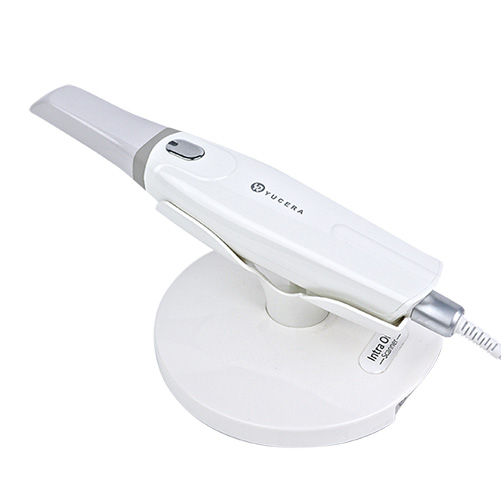
High-precision 3D scanning, AI calibration, full-arch accuracy.
learn more
40-min full sintering with 57% incisal translucency and 1050 MPa strength.
learn more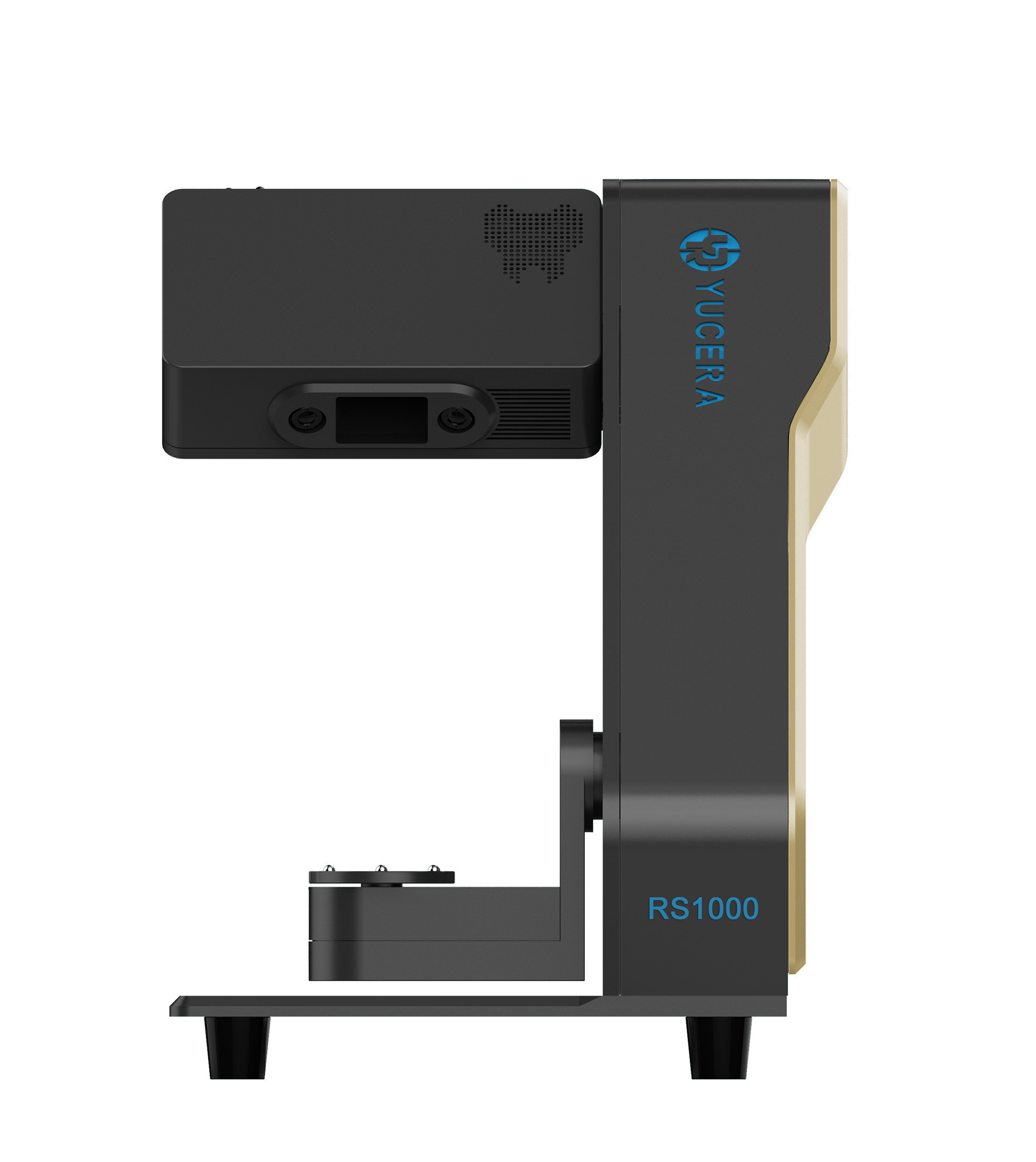
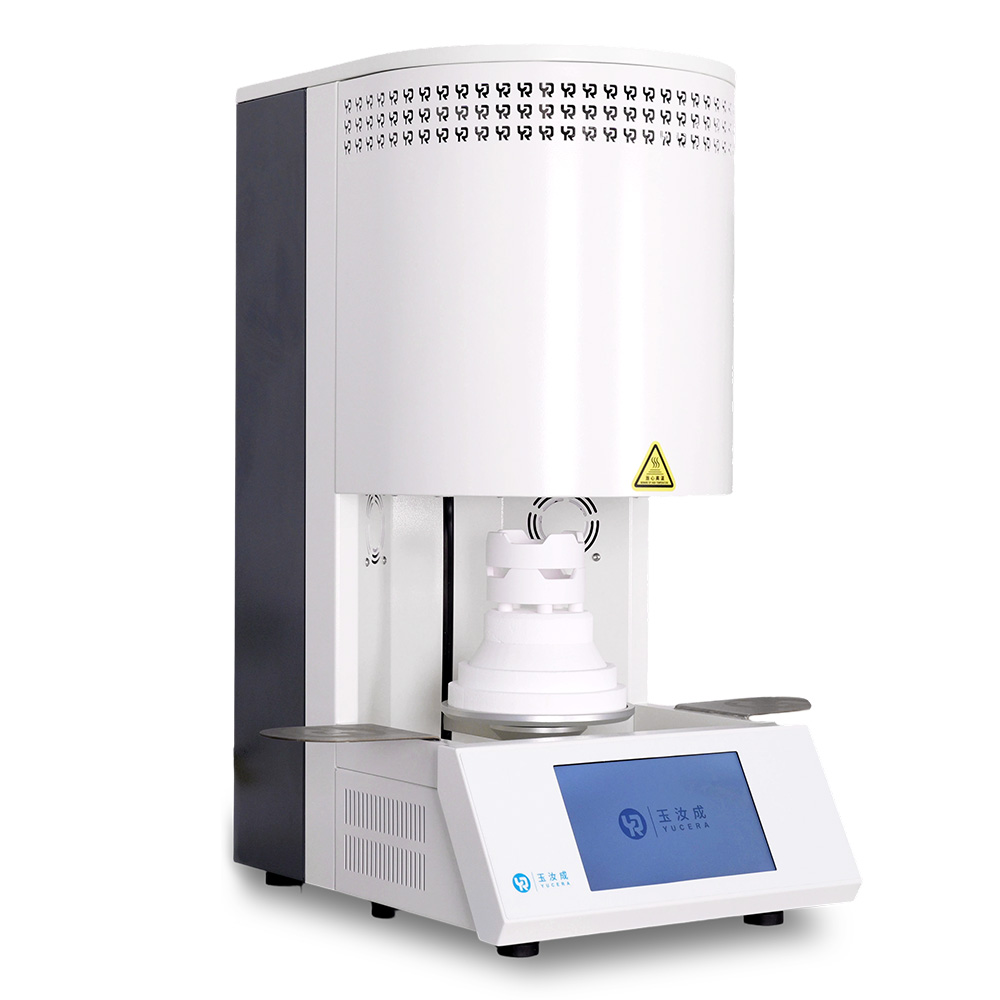
40-min cycle for 60 crowns, dual-layer crucible and 200°C/min heating.
learn more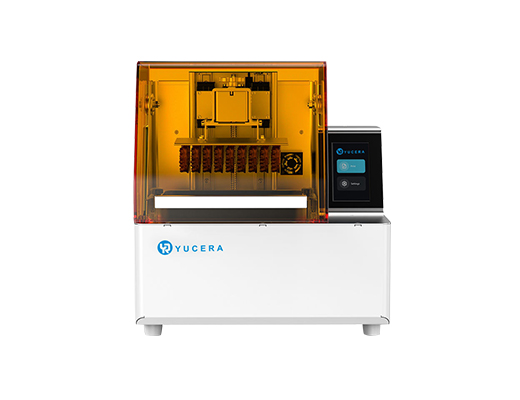
High-speed LCD printer for guides, temporaries, models with 8K resolution.
learn more