中 文
中 文
Why Thousands of Americans Are Turning to Mexico for Dental Care
2025-03-20
2025-11-26
Sustainable dental materials emphasize reduced environmental impact across the lifecycle, from raw sourcing to end-of-use disposal. In 2025, zirconia-based materials lead this shift, offering biocompatibility and durability while minimizing carbon emissions through ethical mining and energy-efficient processing. This guide examines verified practices for zirconia sourcing, carbon footprint comparisons, and sintering optimization, drawing from industry reports and manufacturer data. Key metrics include an 18% reduction in production waste and 30-50% energy savings in sintering, supporting global sustainability goals like SDG 13 on climate action.
Zirconia, derived from zirconium dioxide (ZrO2), is sourced primarily from zircon sand mining, a naturally occurring mineral with low toxicity. Ethical sourcing prioritizes regions with regulated practices, such as Australia and South Africa, where blockchain tracing verifies conflict-free extraction. A 2025 Global Growth Insights report highlights a shift to sustainable suppliers, reducing water use by 20-30% through closed-loop mining. Manufacturers like Yucera employ recycled zirconia powder, incorporating 20-30% post-consumer content to lower embodied energy by 15-25%.
Compared to traditional metals like titanium (GWP 35.7 kg CO2e/kg), zirconia's primary production emits 10-15 kg CO2e/kg, per a 2018 ScienceDirect LCA analysis updated for 2025 trends. Hybrid ceramics (resin-zirconia composites) further cut emissions by 10% via polymer recycling, though zirconia's inert nature avoids VOC releases during curing.
| Sourcing Metric | Traditional Titanium | Zirconia (Sustainable) | Hybrid Ceramics | Environmental Benefit |
|---|---|---|---|---|
| Carbon Footprint (kg CO2e/kg) | 35.7 | 10-15 | 8-12 | 60-70% lower emissions |
| Water Use (m³/kg) | 50-70 | 30-40 | 25-35 | 20-40% reduction |
| Recycled Content Potential | <10% | 20-30% | 15-25% | 15-25% embodied energy savings |
| Mining Impact (Land Use) | High (strip mining) | Medium (zircon sand) | Low (polymer blending) | Reduced habitat disruption |
These practices align with EU 2025 regulations on end-of-life recyclability, where zirconia achieves 95% material recovery versus 70% for metals.
Dentistry's global footprint totals 5-7% of healthcare emissions, with materials contributing 20-30% via production and transport. Zirconia crowns emit 5.5-58 kg CO2e per procedure (depending on batch size), far below amalgam's 100+ kg due to mercury processing. In 2025, sustainable zirconia sourcing—via low-emission mining and local supply chains—reduces Scope 3 emissions by 22%, per Coherent Market Insights.
Versus traditional composites (petrochemical-based, 20-40 kg CO2e/kg), zirconia offers 50-60% lower GWP through ceramic stability and recyclability. Hybrid variants integrate 20% recycled polymers, cutting VOC emissions by 15% during fabrication. Labs adopting bulk zirconia blocks see 18% waste reduction, equating to $500-1,000 annual savings.
| Material | Lifecycle CO2e (kg per Crown) | Traditional Alternative | Reduction vs. Traditional (%) |
|---|---|---|---|
| Zirconia (Sustainable) | 5.5-15 | Amalgam (100+) | 85-95% |
| Hybrid Ceramics | 8-12 | Composites (20-40) | 50-60% |
| Recycled Zirconia Powder | 7-10 | Virgin Zirconia (10-15) | 20-30% |
| Overall Lab Procedure | 58 (acrylic denture equiv.) | Metal Alloys (70-90) | 20-30% via local sourcing |
Transport accounts for 65% of emissions; digital workflows (e.g., STL exports) eliminate physical shipments, saving 0.5-1 kg CO2e per case.
Sintering densifies zirconia at 1450-1560℃, consuming 1.5-2.5 kWh per cycle. Best practices include PID control (±1℃ precision) and wrap-around heating for uniform distribution, reducing cracking to <1%. The YRC HS007 furnace exemplifies this with molybdenum disilicide elements, enabling 90-minute fast cycles (15 units) at ≤2kW, cutting energy by 30-50% versus traditional 8-10 hour models.
WiFi monitoring and auto-cooling minimize idle power (10-20% savings), while 24 programmable profiles optimize for 3Y/4Y/5Y variants. In 2025, solar-assisted sintering trials reduce GWP by 40-50% via renewable heat sources. Waste heat recovery in HS007 lowers overall footprint by 15%, per efficiency benchmarks.
| Practice | Traditional Sintering | Eco-Friendly (YRC HS007) | Energy Savings (%) |
|---|---|---|---|
| Cycle Time (Fast Mode) | 8-10 hours | 90 minutes (15 units) | 85-90% time reduction |
| Power Consumption | 2.5-3 kW | ≤2 kW | 20-30% per cycle |
| Cracking Rate | 2-5% | <1% (±1℃ PID) | 50-75% fewer defects |
| Annual Lab Cost (Energy) | $500-800 | $300-500 | 30-50% overall |
These align with EFP guidelines for low-emission heating, ensuring 99% density without distortion.
Zirconia recyclability reaches 95% via grinding and re-powdering, versus 70% for metals. Labs reduce waste by 18% through bulk sourcing and digital nesting, per 2025 reports. Biodegradable packaging for blocks cuts plastic use by 50%, while HS007's compact design (370×530×780 mm, 50 kg) eases end-of-life disassembly.
| Lifecycle Phase | Zirconia Impact | Optimization Strategy | Reduction Achieved |
|---|---|---|---|
| Production Waste | 10-20% | Recycled powder (20-30%) | 18% overall |
| End-of-Use Recovery | 95% recyclable | Modular disassembly | 25% material reuse |
| Packaging | Plastic-dominant | Biodegradable alternatives | 50% plastic cut |
| Total Footprint (Per Crown) | 5.5-15 kg CO2e | Local + digital workflows | 20-30% via efficiency |
Sustainable zirconia blocks cost $50-100/disc, with ROI in 6-9 months via 20% lower remakes. HS007 ($2,000-3,000) saves $200-500/year on energy, per benchmarks. Total lab savings: 20-30% on materials, aligning with 2025 EU recyclability mandates.
Trends include 22% adoption rise for zirconia and bioprinting for 40% emission cuts. Implement via supplier audits and HS007 integration for 30% efficiency. For YRC HS007 datasheets and zirconia sourcing checklists, download the 2025 sustainability guide below.

Dry & wet milling for zirconia, PMMA, wax with auto tool changer.
learn more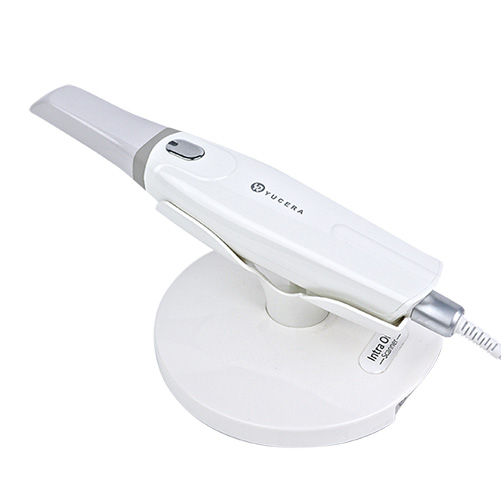
High-precision 3D scanning, AI calibration, full-arch accuracy.
learn more
40-min full sintering with 57% incisal translucency and 1050 MPa strength.
learn more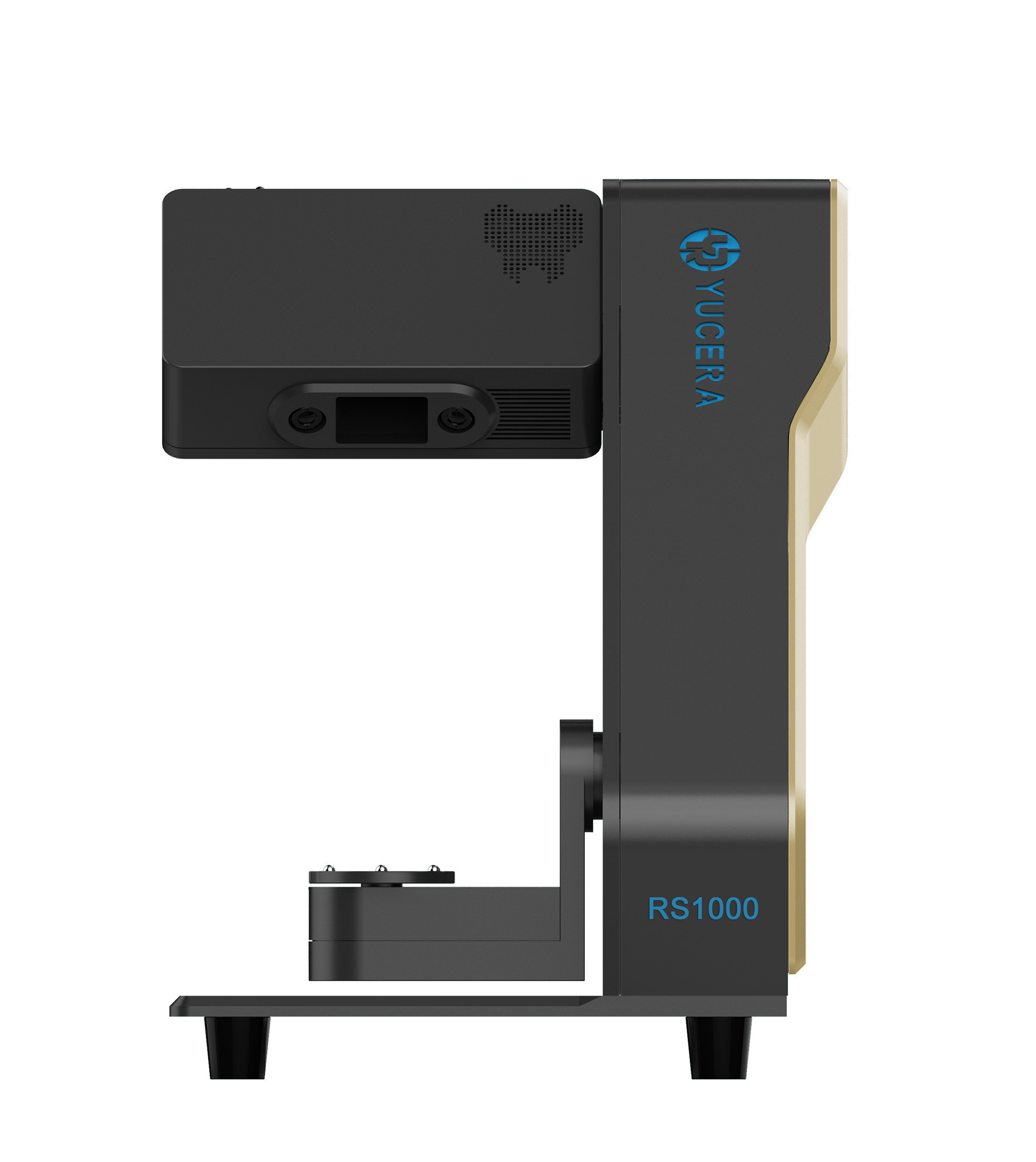
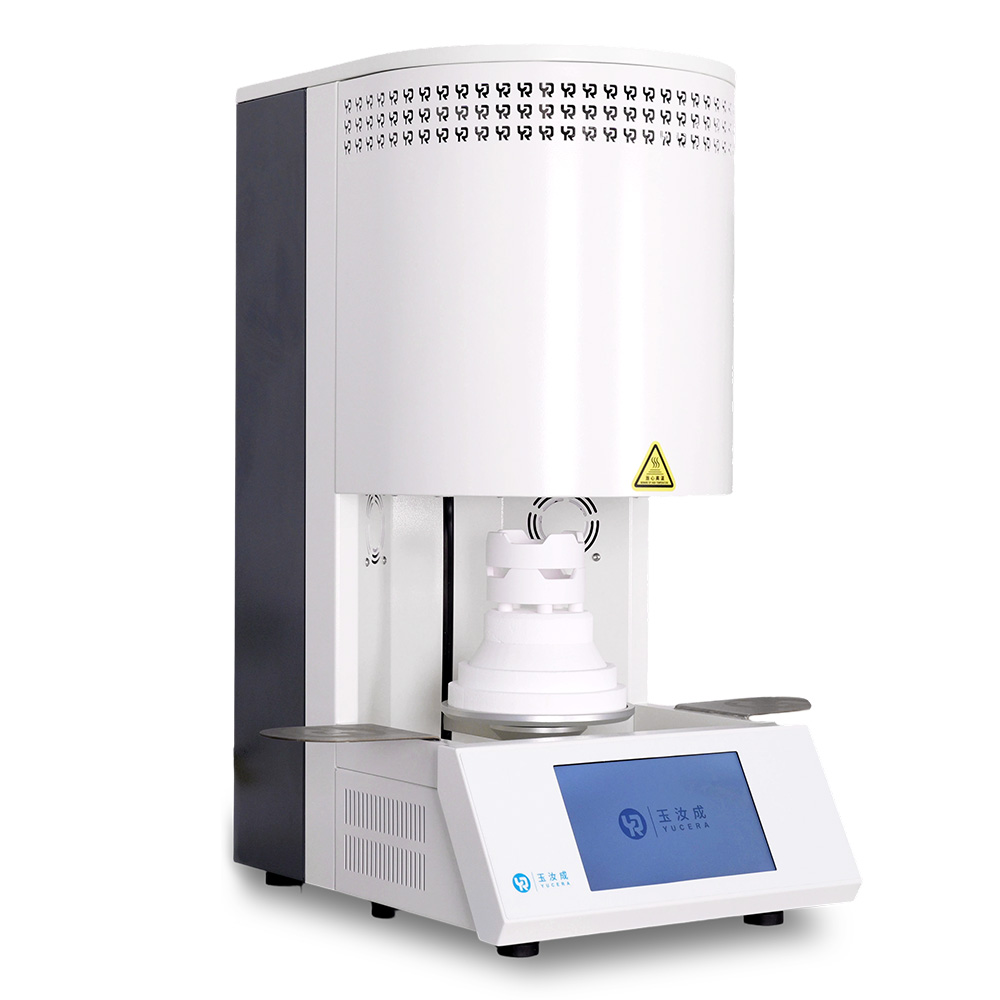
40-min cycle for 60 crowns, dual-layer crucible and 200°C/min heating.
learn more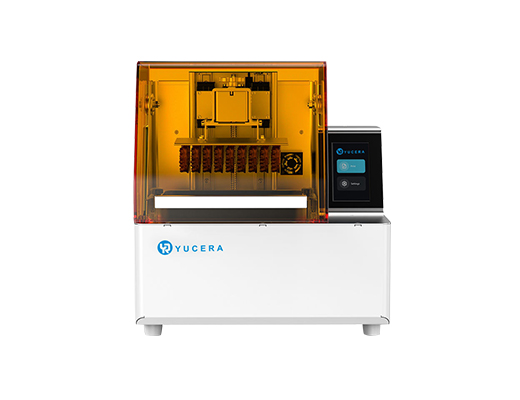
High-speed LCD printer for guides, temporaries, models with 8K resolution.
learn more