


 中 文
中 文
Tetracycline-Stained Teeth & Ceramic Veneer Rehabilitation: Clinical FAQ from a Real Case
2026-07-10
2026-08-24
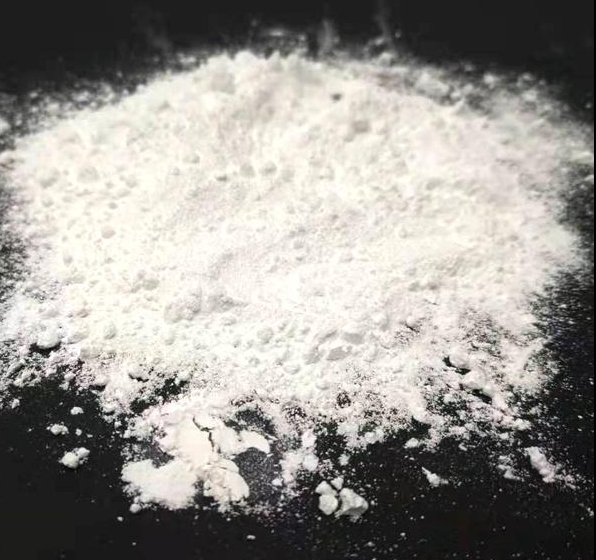
In modern digital dentistry, zirconia restorations are not milled from fully dense ceramic blocks. Instead, dental laboratories use pre-sintered zirconia blanks, also known as partially sintered zirconia or soft zirconia blocks, which are specifically designed for CAD/CAM machining.
Unlike fully sintered zirconia, which has extremely high hardness and is difficult to machine, pre-sintered zirconia has a porous structure with lower density. This allows dental milling machines to efficiently shape crowns, bridges, and other restorations with minimal tool wear.
During the manufacturing process, zirconia powder is compacted and partially sintered to create a machinable blank. After milling, the restoration undergoes a final high-temperature sintering process, where the material reaches its full density, strength, and optical properties.
The shrinkage of zirconia during sintering is not a defect or manufacturing problem. It is a natural result of the densification process.
Pre-sintered zirconia contains a significant amount of internal porosity. During high-temperature sintering, zirconia particles undergo atomic diffusion, causing particles to bond together and eliminate internal voids.
The main changes include:
The pre-sintered zirconia structure contains microscopic pores between zirconia particles. During sintering, these pores gradually close as the material becomes denser.
Before sintering, zirconia particles are only loosely connected. As temperature increases, particles move closer together and form stronger bonds, reducing the overall volume.
At high temperatures, zirconia grains grow and the ceramic structure becomes more compact, resulting in the final high-strength ceramic material.
The shrinkage rate of zirconia depends on the material formulation and manufacturing process, but typical values are:
| Parameter | Typical Range |
|---|---|
| Linear shrinkage | 15%–22% |
| Common compensation value | Around 18%–21% |
| Volumetric shrinkage | Approximately 40%–50% |
It is important to understand that linear shrinkage is different from volume shrinkage.
For example:
If zirconia shrinks approximately 20% in each direction:
Therefore, CAD software must enlarge the restoration before milling:
1 ÷ 0.80 = 1.25
This means the restoration needs approximately 25% enlargement compensation.
Common conversion examples:
However, dental laboratories should always follow the manufacturer's recommended shrinkage compensation factor, because different zirconia materials and production batches may have slightly different shrinkage characteristics.
Incorrect shrinkage compensation can directly affect restoration accuracy.
Distortion is one of the most common problems in zirconia sintering.
If zirconia restorations show excessive occlusal discrepancies after sintering, possible causes include:
Solutions:
Although zirconia shrinkage is unavoidable, it is highly predictable when the correct workflow is followed.
Dental laboratories should focus on three key factors:
Never estimate shrinkage manually. Always use the value provided by the zirconia manufacturer and ensure the CAM software settings match the material.
A stable sintering furnace with uniform temperature control is essential for achieving consistent results.
Important factors include:
Proper support during sintering helps minimize deformation, especially for:
Zirconia shrinkage during sintering is a natural part of the ceramic densification process. Pre-sintered zirconia contains internal porosity, and high-temperature sintering removes these pores to create a dense, strong, and durable dental restoration.
With the correct shrinkage compensation factor, accurate CAD/CAM parameters, stable sintering conditions, and proper restoration support, zirconia shrinkage can be precisely controlled.
For dental laboratories, understanding zirconia shrinkage is not only about preventing errors — it is the foundation for achieving predictable accuracy, excellent fit, and long-term restoration performance.

Dry & wet milling for zirconia, PMMA, wax with auto tool changer.
learn more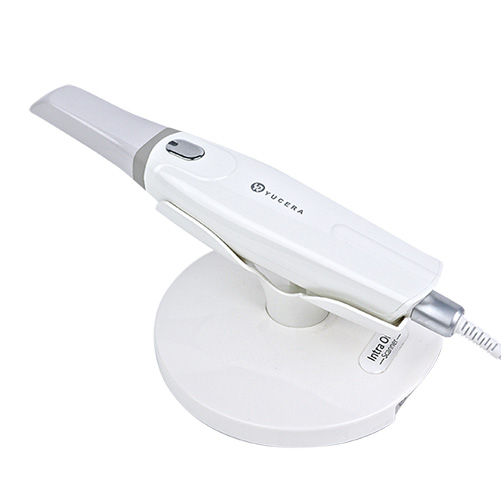
High-precision 3D scanning, AI calibration, full-arch accuracy.
learn more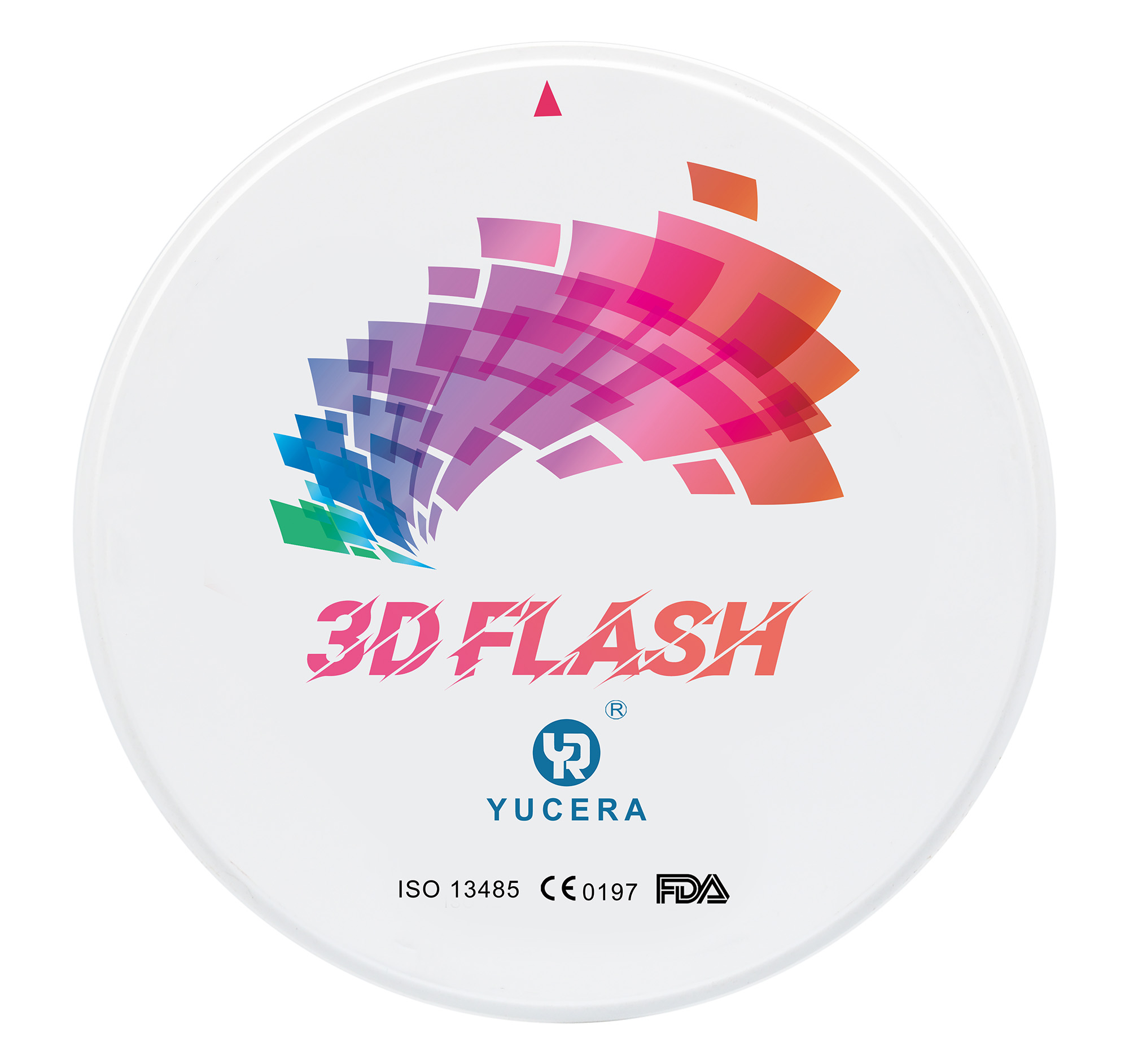
40-min full sintering with 57% incisal translucency and 1050 MPa strength.
learn more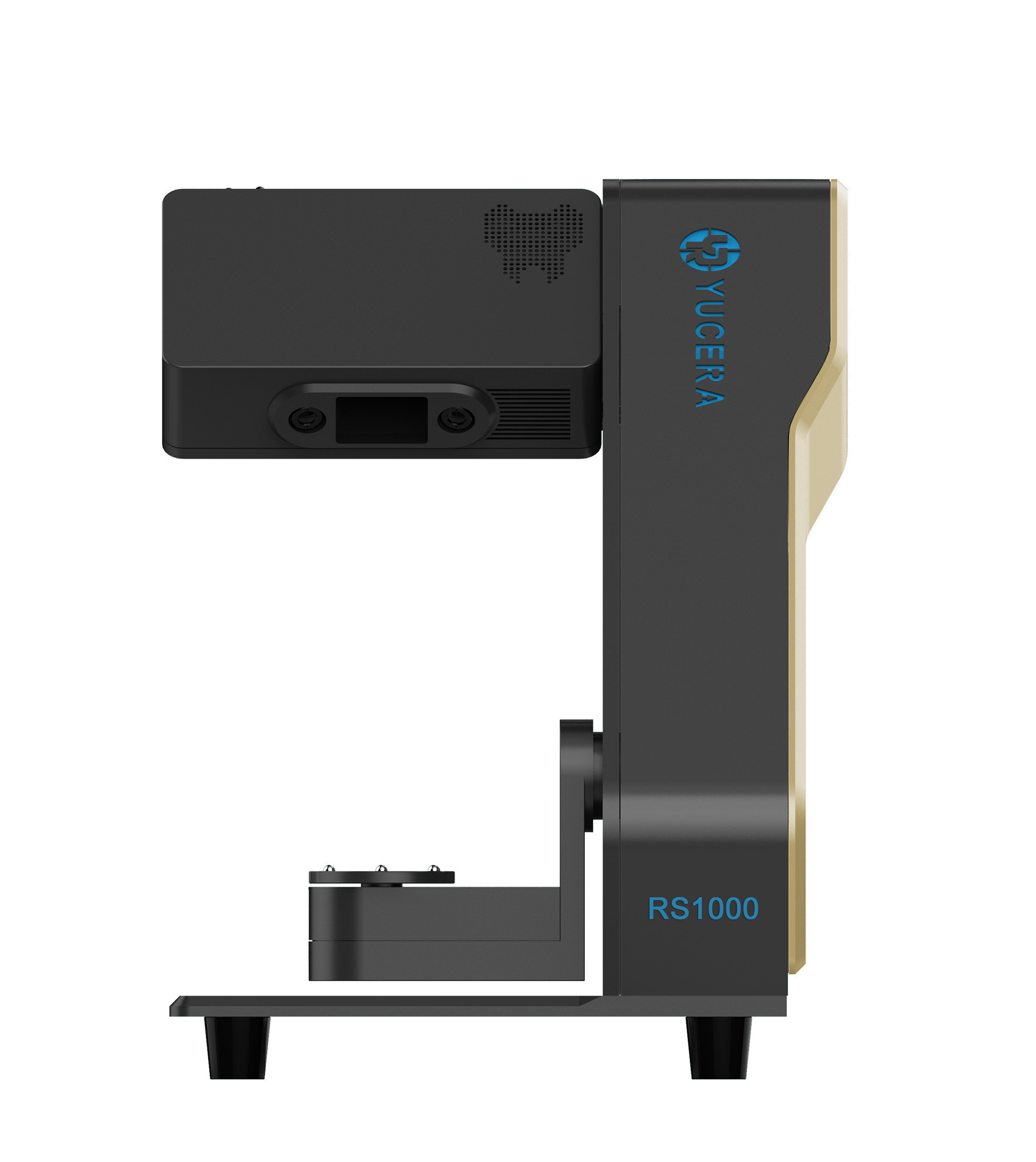
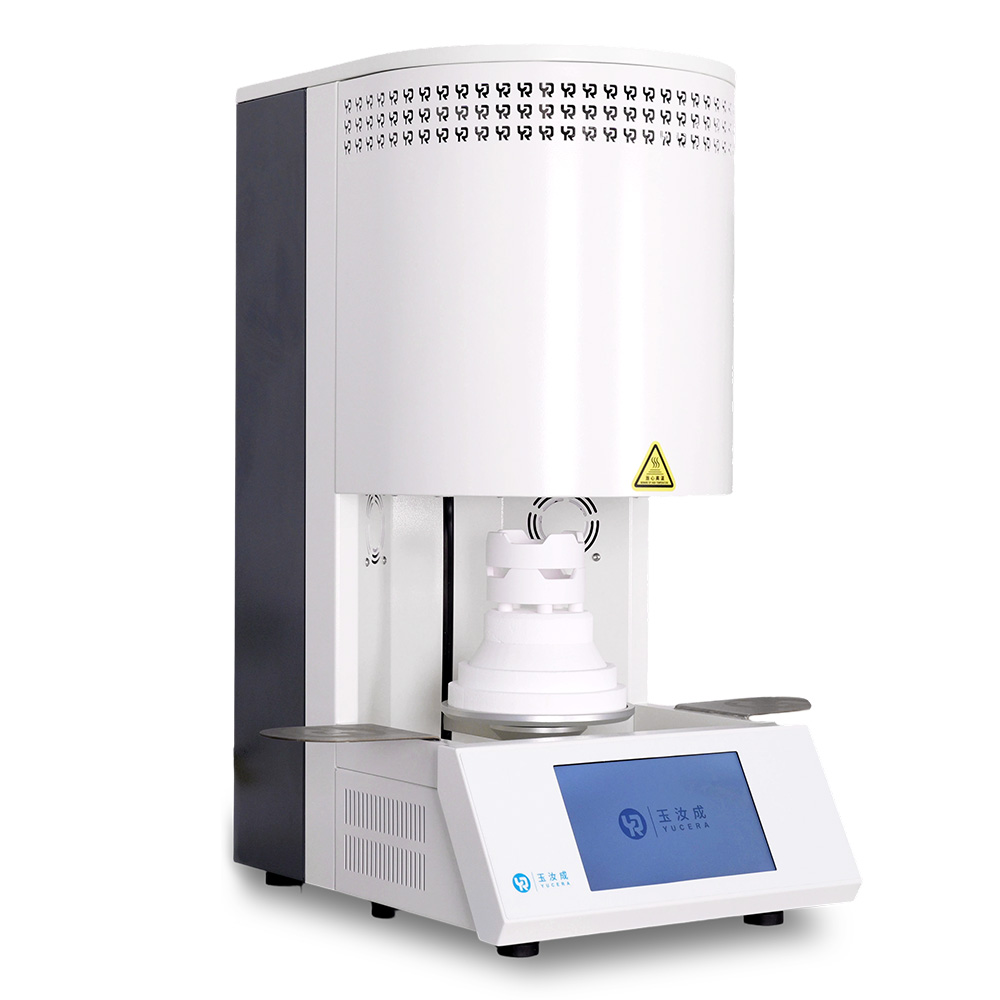
40-min cycle for 60 crowns, dual-layer crucible and 200°C/min heating.
learn more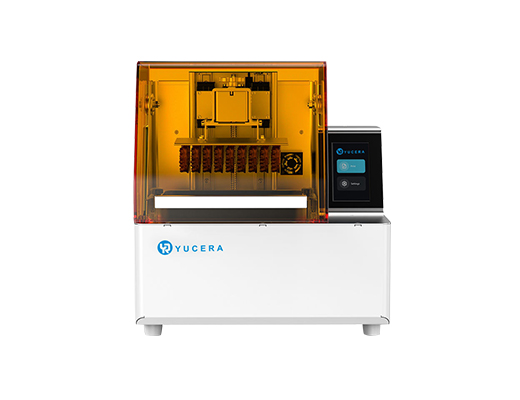
High-speed LCD printer for guides, temporaries, models with 8K resolution.
learn more


2026-07-10
2025-12-20
2026-02-15


