中 文
中 文
High Translucency vs Standard Zirconia Blocks: Adaptation Recommendations for Dental CAD/CAM Restoration Scenarios
2026-02-01
2026-03-09
In the world of digital dentistry, CAD/CAM zirconia has become the gold standard for crowns, bridges, and implant restorations. Its exceptional strength (up to 1,200 MPa flexural) and natural aesthetics make it ideal for high-load posterior cases. Yet one often-overlooked step in the workflow quietly determines success or failure: drying the milled zirconia restoration before sintering.
Pre-sintered zirconia blocks are intentionally porous (typically 45–50% porosity) to allow easy milling. This same porosity makes them highly absorbent to moisture from coolant during wet milling, saliva during try-ins, or coloring liquids. Without proper drying, that trapped water becomes a hidden enemy during the high-temperature sintering process (1,450–1,550°C).
Drying isn’t optional—it’s the invisible key step that protects accuracy, strength, and longevity. Skipping or rushing it triggers three major risks that can ruin even the most precisely milled restoration. Let’s explore why it matters and how to avoid costly failures.
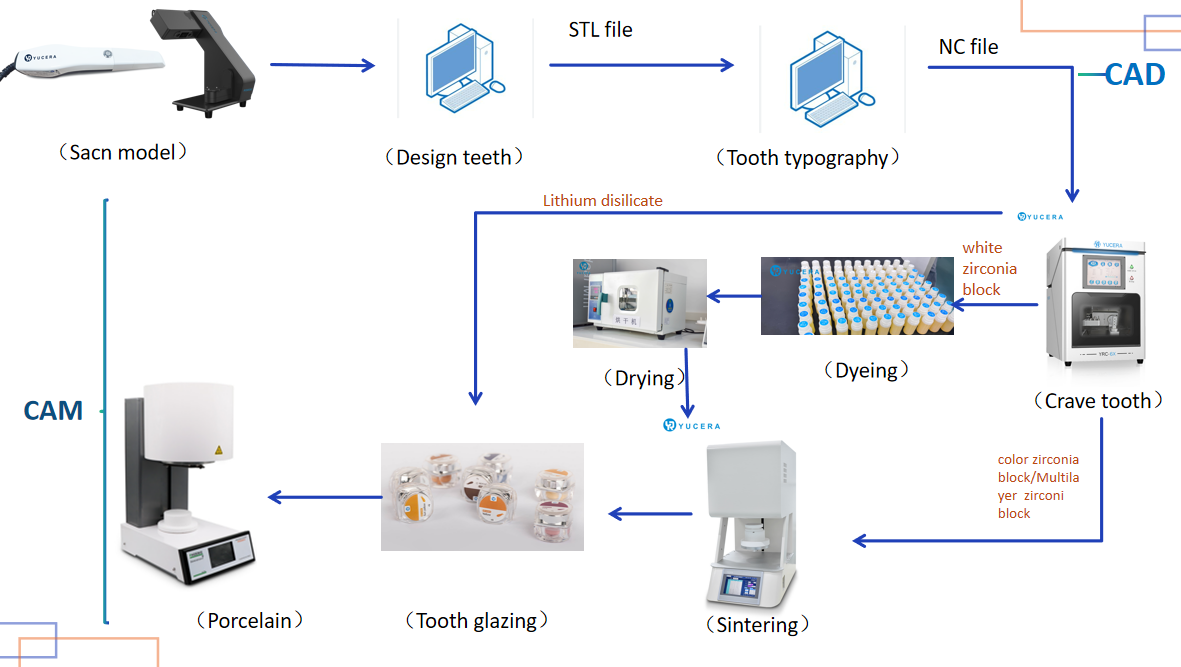
After design and milling, zirconia restorations are still in their “green” or pre-sintered state. At this stage, the material is soft enough for precise machining but contains microscopic pores that readily absorb water. During sintering, the restoration undergoes ~20–25% linear shrinkage as particles densify into a fully crystalline structure (>99% density).
Moisture inside these pores does not simply evaporate gently. As temperatures rise rapidly (often 5–15°C per minute in modern fast-sintering cycles), water turns to steam. This creates sudden internal pressure spikes that the still-soft material cannot withstand.
Proper drying protocols—typically 80–100°C for 30–120 minutes in a dedicated dryer, infrared lamp, or a low-temperature pre-hold in the sintering furnace—remove >95% of residual moisture. Many labs add a 10–15 minute pre-dry hold at 150–200°C in the furnace itself. For wet-milled restorations or those soaked in coloring liquids, this step becomes even more critical, as extra liquid increases moisture content by 2–5%.
The result of correct drying? Uniform shrinkage, flawless densification, and restorations that fit precisely with minimal adjustment.
Trapped moisture generates steam pressure that exceeds the material’s green-state strength, causing micro-cracks or outright fractures. These often appear as hairline cracks in connectors of bridges or along thin walls of crowns.
Lab reports and technician forums consistently identify inadequate drying as the top cause of post-sintering cracks, especially in multi-unit bridges or fast-sinter cycles (under 2 hours). Even invisible micro-cracks can propagate under occlusal load, leading to early clinical failure. One common observation: restorations dried improperly show cracking rates that can increase dramatically compared to properly dried controls.
The steam effect is immediate—pressure builds fastest between 100–300°C, long before full densification. Result: wasted time, material, and remakes.
Uneven moisture evaporation causes differential shrinkage during the sintering phase. Areas with more residual water shrink irregularly, leading to warping, marginal gaps, or occlusal inaccuracies.
Clinically, this manifests as restorations that no longer seat properly or require excessive chairside adjustment—defeating the precision advantage of CAD/CAM. Studies on sintering variables show that moisture-related distortion can increase marginal gaps by 20–50 microns, pushing them outside the clinically acceptable <100-micron range.
For long-span bridges or implant-supported restorations, even slight warping compromises passive fit and increases stress on abutments or implants.
Residual moisture interferes with particle densification, leaving microscopic voids or pores in the final sintered structure. This reduces final density, lowering flexural strength and fracture toughness by 10–20% in affected areas.
Porosity also affects light transmission and color stability. Trapped steam can cause localized discoloration, bubbles, or surface defects that require grinding or reglazing—adding extra lab time and compromising the monolithic aesthetic that makes zirconia popular.
In high-translucency zirconia generations (4Y and 5Y), these defects are particularly visible and can lead to patient dissatisfaction or premature replacement.
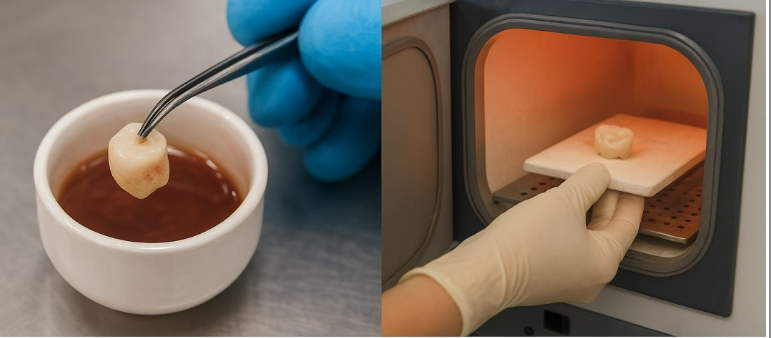
Implementing a reliable drying routine is straightforward and pays dividends:
Following manufacturer-recommended cycles for your specific zirconia type ensures optimal results without guesswork.
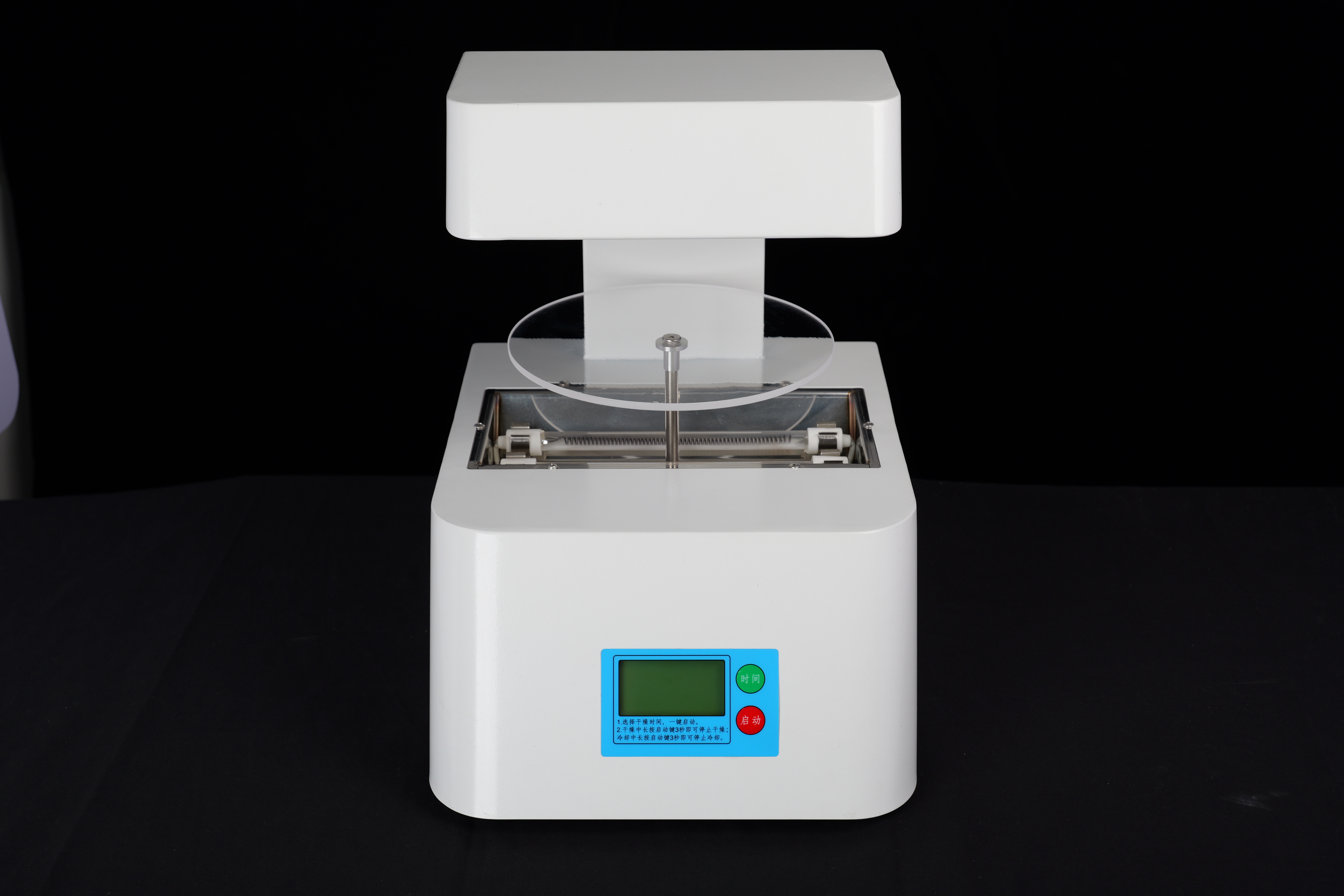
Zirconia drying before sintering may be invisible on the final restoration, but its absence is painfully obvious in cracks, remakes, and compromised longevity. By eliminating the three major risks—cracking from steam pressure, distortion affecting fit, and porosity reducing strength—aesthetics—proper drying guarantees the full performance that zirconia promises.
In today’s high-efficiency CAD/CAM labs, where same-day or next-day delivery is expected, this 30–60 minute step is one of the highest-ROI processes available. Practices and labs that treat drying as a non-negotiable protocol see fewer failures, happier clinicians, and more predictable outcomes.

Dry & wet milling for zirconia, PMMA, wax with auto tool changer.
learn more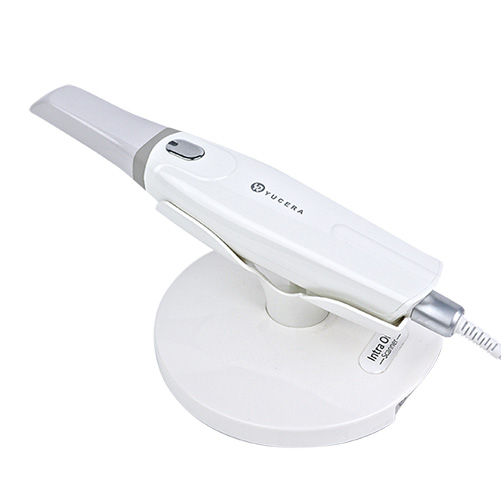
High-precision 3D scanning, AI calibration, full-arch accuracy.
learn more
40-min full sintering with 57% incisal translucency and 1050 MPa strength.
learn more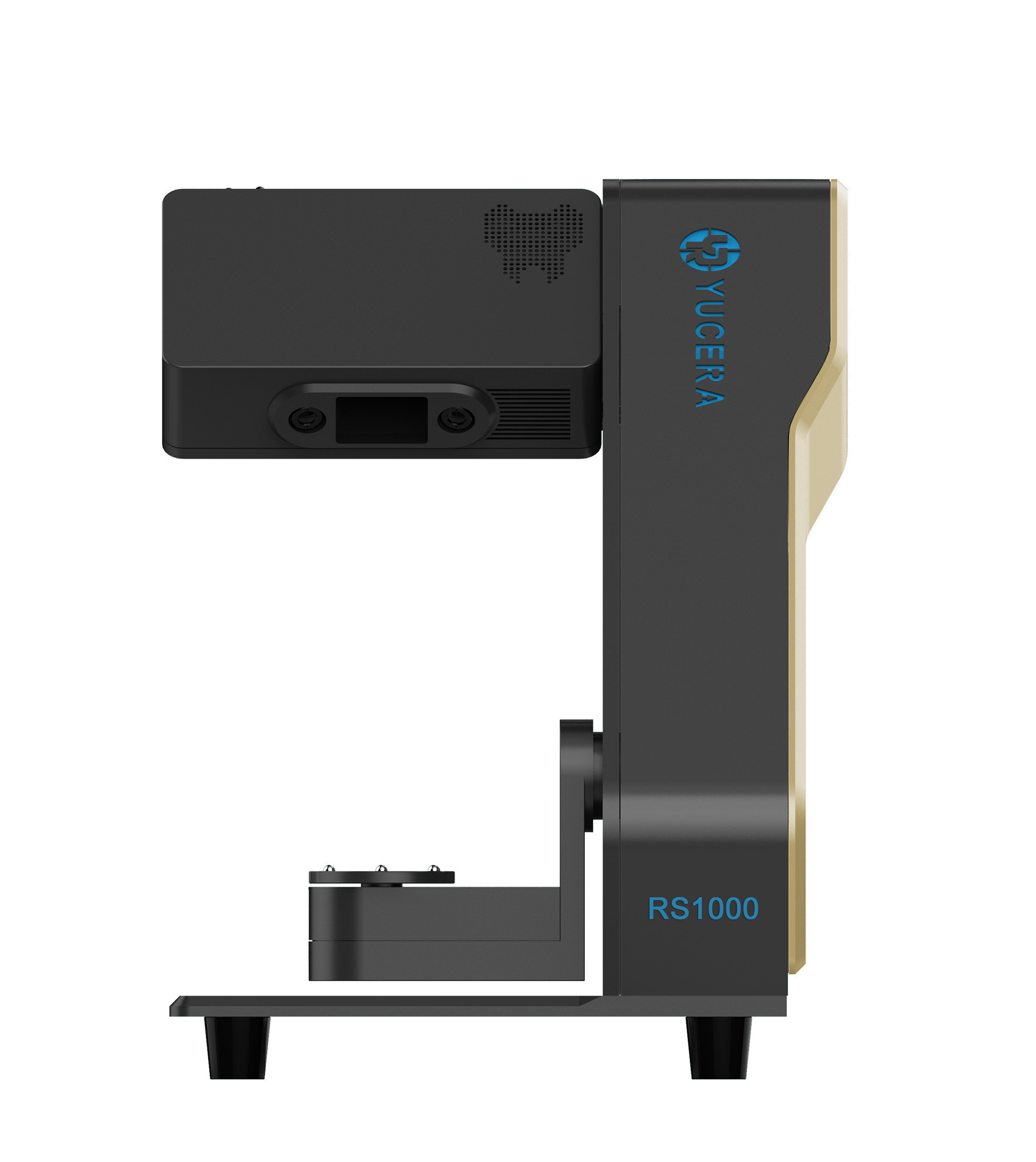
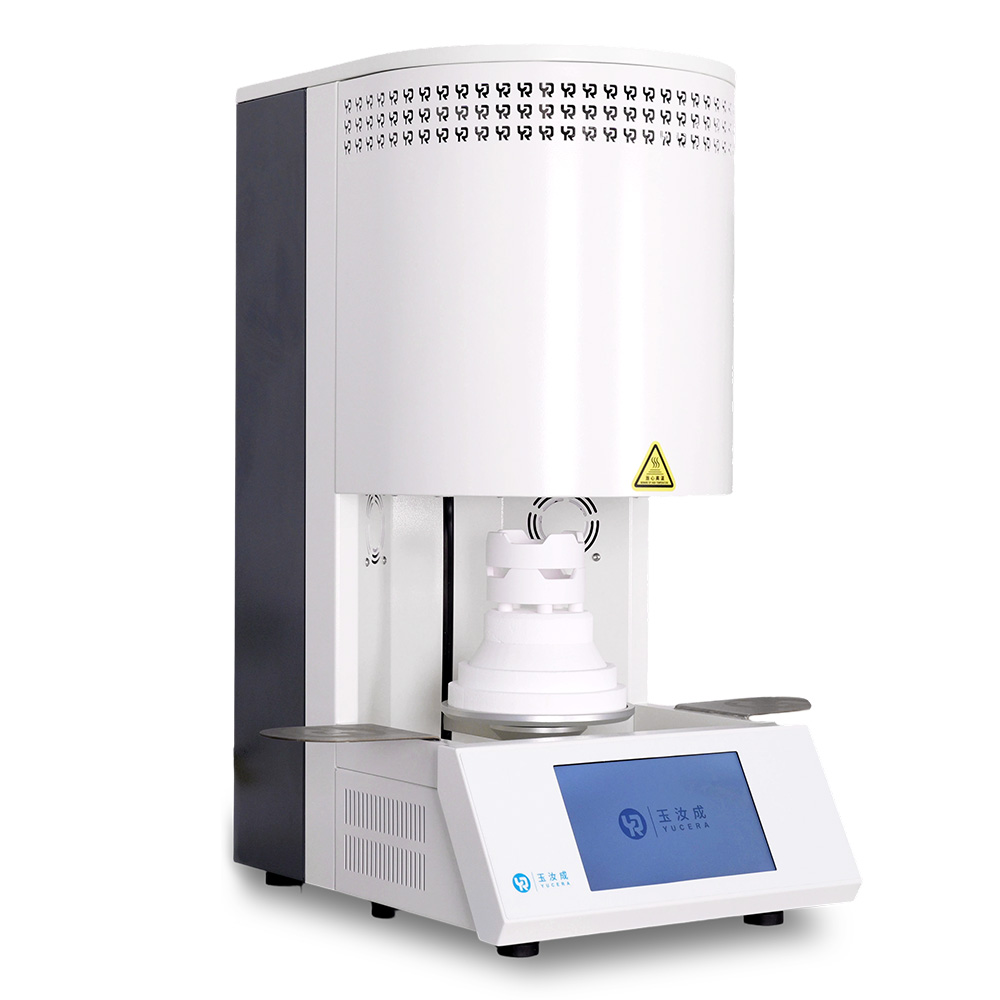
40-min cycle for 60 crowns, dual-layer crucible and 200°C/min heating.
learn more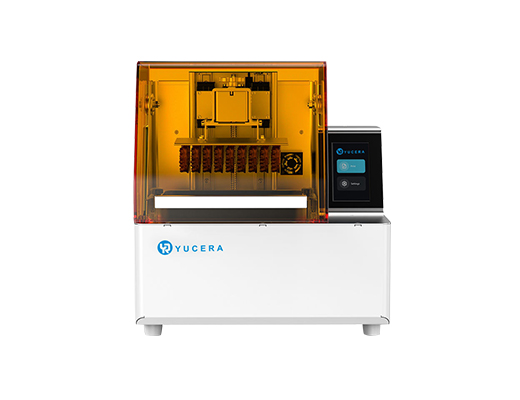
High-speed LCD printer for guides, temporaries, models with 8K resolution.
learn more