


 中 文
中 文
Single Layer vs Multilayer Zirconia in Brazil: Which Dominates the Aesthetic Dental Restoration Market in 2026?
2026-01-04
2026-03-11
Monolithic zirconia delivers unmatched strength and efficiency in CAD/CAM workflows, yet achieving consistent, lifelike shade and high translucency remains one of the biggest challenges for dental technicians. The most common causes of uneven staining, white spots, and dull translucency? Residual moisture after applying coloring liquids.
Pre-sintered zirconia is 45–50% porous and readily absorbs water-based or alcohol-based coloring liquids. If this moisture is not removed completely and evenly before sintering, steam pressure, pigment migration, and incomplete densification create visible defects that lead to remakes.
A dedicated zirconia dryer (controlled low-temperature oven or infrared unit) is the single most effective tool to lock in pigments, ensure uniform color, and preserve natural translucency. This practical 2026 technician guide provides proven protocols, exact temperatures and times, a drying reference table, and troubleshooting checklist used in high-volume labs.
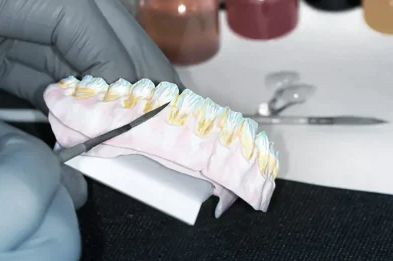
Coloring liquids contain metal salts in solvent carriers. After dipping (10–60 seconds) or brushing, the porous zirconia holds excess liquid. Placing wet restorations directly into a sintering furnace (ramp rates up to 15–23°C/min) causes rapid boiling between 100–300°C. This leads to:
Controlled drying at 80–100°C evaporates solvents gently, stabilizes pigments on pore walls, and equalizes moisture distribution. Independent lab observations and manufacturer guidelines confirm that proper pre-drying reduces shade variation by 30–50% and virtually eliminates white-spot incidence.
A dedicated dryer solves all three by providing gradual, uniform heat and airflow.
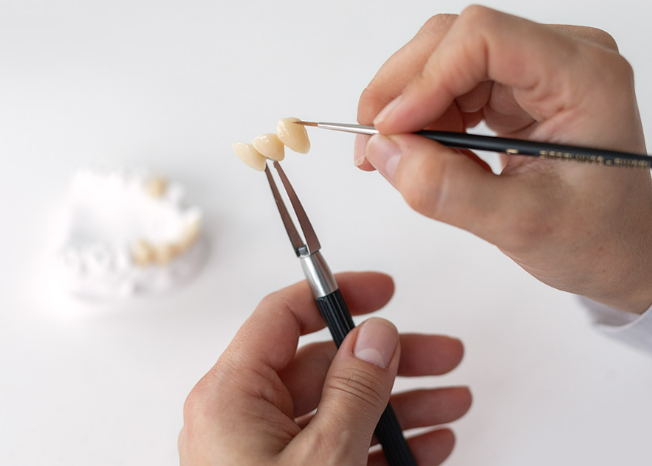
Follow this repeatable sequence for consistent results:
| Restoration Type | Thickness | Coloring Intensity | Dryer Temperature | Recommended Time | Notes |
|---|---|---|---|---|---|
| Single crowns | Thin | Light–Medium | 80–90°C | 30–45 min | Standard cases |
| Single crowns | Thick | Heavy/Deep | 90–100°C | 45–60 min | Multiple dips |
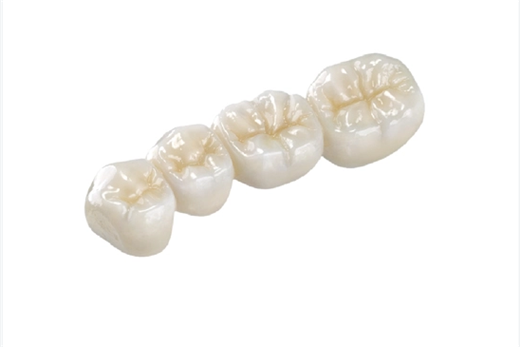
| 3–4 unit bridges | Medium | Medium | 90°C | 60–75 min | Extended for connectors |
| Full-arch / long-span | Thick | Heavy | 90–100°C | 75–90 min | Add 10 min at 150°C final hold |
| Ultra-translucent anterior | Thin | Light | 80–85°C | 45–60 min | Protects highest translucency |
Pro tips:
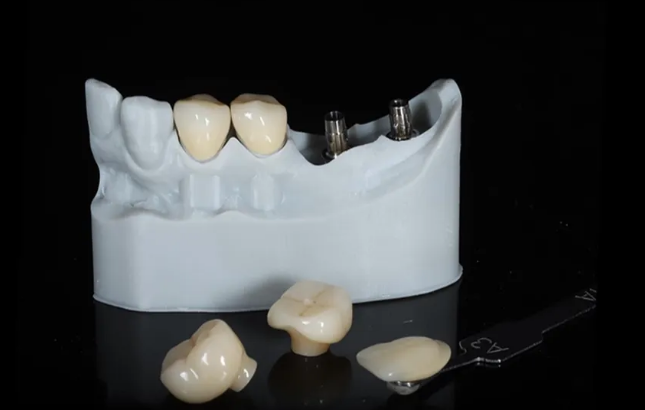
Using a zirconia dryer correctly turns unpredictable coloring into repeatable, high-aesthetic results. By following the protocols above – especially the 80–100°C controlled drying phase – technicians eliminate the three most common defects and deliver monolithic zirconia that matches shades accurately, displays natural translucency, and requires minimal chairside adjustment.
In today’s competitive digital dentistry environment, where same-day or next-day monolithic restorations are expected, this 30–90 minute step delivers one of the highest returns on investment in the entire CAD/CAM workflow.

Dry & wet milling for zirconia, PMMA, wax with auto tool changer.
learn more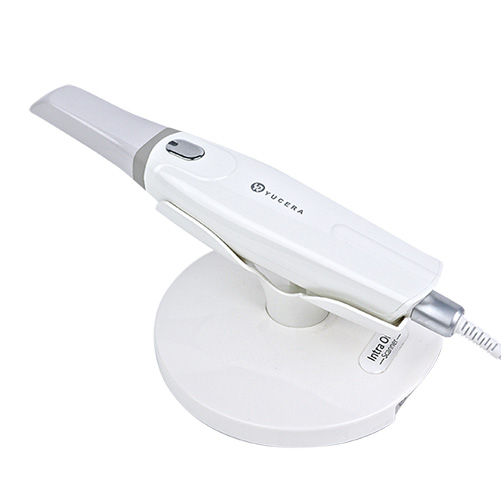
High-precision 3D scanning, AI calibration, full-arch accuracy.
learn more
40-min full sintering with 57% incisal translucency and 1050 MPa strength.
learn more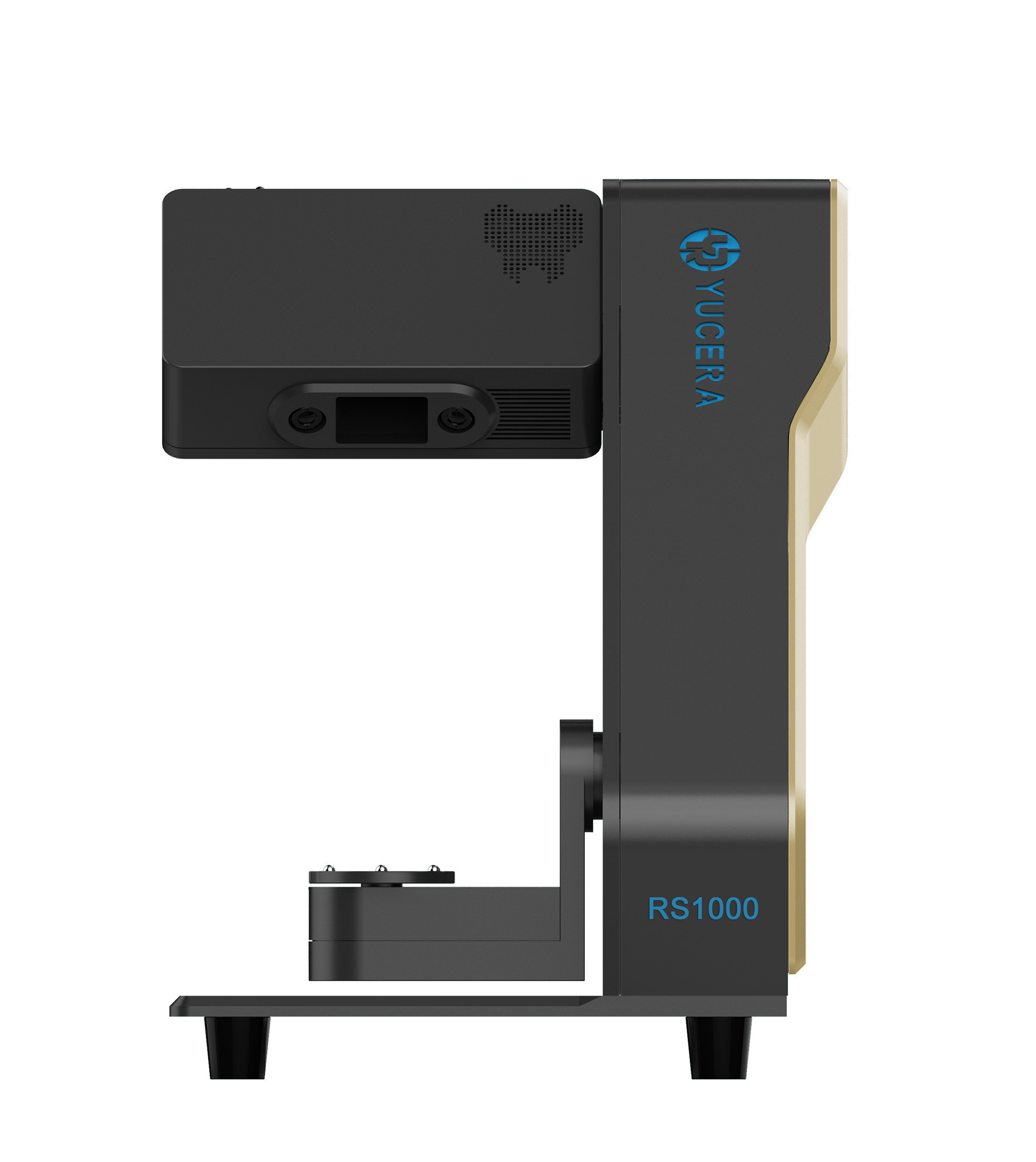
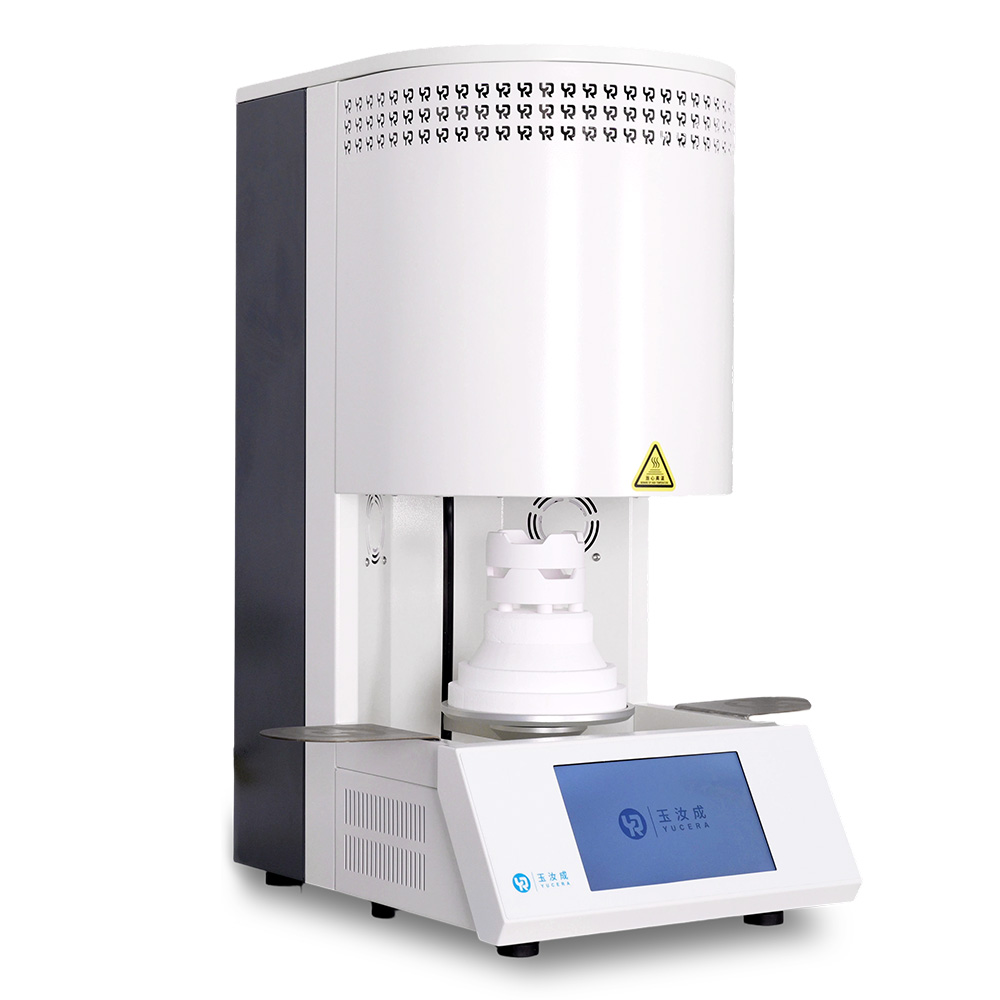
40-min cycle for 60 crowns, dual-layer crucible and 200°C/min heating.
learn more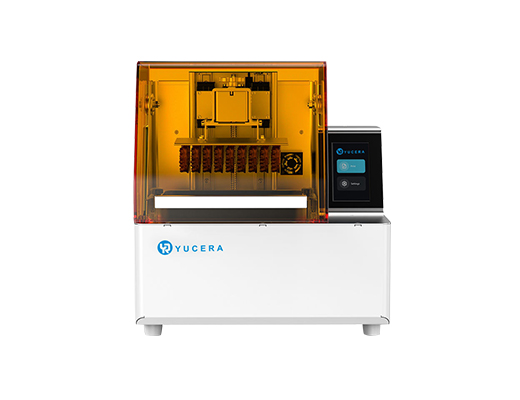
High-speed LCD printer for guides, temporaries, models with 8K resolution.
learn more


2026-01-04

2025-11-26

2024-12-03


