


 中 文

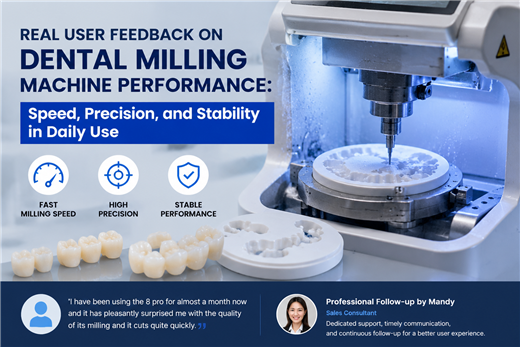
Real User Feedback on Dental Milling Machine Performance: Speed, Precision, and Stability in Daily Use
2026-06-27
2026-10-12
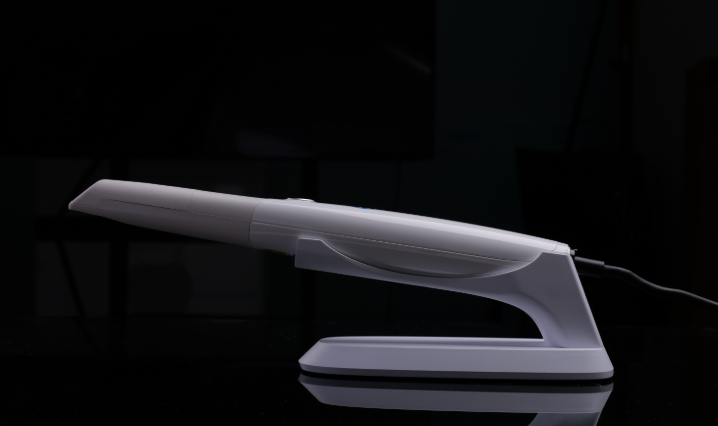
Fogging of scanner tips is a common challenge in intraoral scanning. The oral cavity is warm and humid, while the optical window of an intraoral scanner may be relatively cool. When humid air contacts the cooler surface, condensation can occur and interfere with optical data acquisition.
A heating system helps maintain the optical window at a suitable temperature and reduce condensation. But how fast should it heat, and how uniform should the temperature be?
There is currently no universal international standard specifying the heater power, warm-up time, or temperature uniformity of an intraoral scanner. Therefore, heating performance should be evaluated based on warm-up speed, temperature uniformity, thermal stability, and continuous anti-fogging performance.
The basic principle is simple:
Warm, humid oral environment + cooler optical surface → condensation → fogging
The purpose of the heating system is not simply to make the scanner tip hotter. Instead, it should maintain the optical window at an appropriate and stable temperature to reduce condensation during scanning.
A complete heating system therefore involves several components:
Heating element
Temperature sensor
Heat-transfer structure
Temperature control system
These components work together to maintain a stable thermal condition.
For clinical use, the most meaningful parameter is not how quickly the heating element reaches a certain temperature, but how quickly the optical window of the scanner tip reaches a stable anti-fogging condition.
As an engineering reference:
Within 30 seconds: a reasonable target for basic clinical requirements
Around 15–20 seconds: can provide a more responsive chairside experience
After warm-up, the system should quickly reach a stable temperature rather than fluctuate significantly
These values are engineering reference targets, not mandatory industry standards.
Fast heating alone does not guarantee effective anti-fogging.
If the heating element concentrates heat in one area, the center of the optical window may become warm while the edges remain relatively cool. Condensation may then occur in these cooler areas.
Therefore, the key question is not only:
How high is the temperature?
It is also:
How evenly is heat distributed across the effective anti-fogging area of the scanner tip?
For engineering evaluation, a temperature difference of approximately ≤5°C across the effective heating area can be used as a practical reference. A difference of around ≤3°C may indicate better thermal uniformity.
Again, these are reference values rather than universal clinical standards.
One important point is that the temperature of the heating element does not necessarily represent the temperature of the optical window.
A system can be considered as three thermal stages:
Heating element → Scanner tip → Optical window
Heat-transfer efficiency depends on the internal structure, materials, heating-element position, and thermal pathway.
Therefore, evaluating only the maximum heater temperature does not provide a complete picture of anti-fogging performance. The temperature of the optical window or effective anti-fogging area is more relevant.
A reliable heating system should use temperature feedback.
The basic control process is:
Temperature sensing → Control → Heating adjustment → Temperature sensing
This closed-loop approach allows the system to respond to changes in temperature and avoid problems such as insufficient heating, excessive heating, or large temperature fluctuations.
For engineering evaluation, maintaining steady-state temperature fluctuations at approximately ±2°C can be used as a reference target.
Higher heater power does not automatically mean better anti-fogging performance.
The actual result also depends on:
Heating-element position
Heat-transfer path
Optical-window design
Material thermal conductivity
Temperature sensor position
Control-system response
Ambient temperature and humidity
Simply increasing heater power may create localized overheating while other areas remain too cool.
A better approach is to combine:
Appropriate heating power + uniform heat distribution + accurate temperature sensing + closed-loop control
The goal of an intraoral scanner heating system is not to achieve the highest possible temperature. It is to maintain the optical window of the scanner tip at a uniform, stable, and appropriate temperature to minimize condensation during scanning.

Dry & wet milling for zirconia, PMMA, wax with auto tool changer.
learn more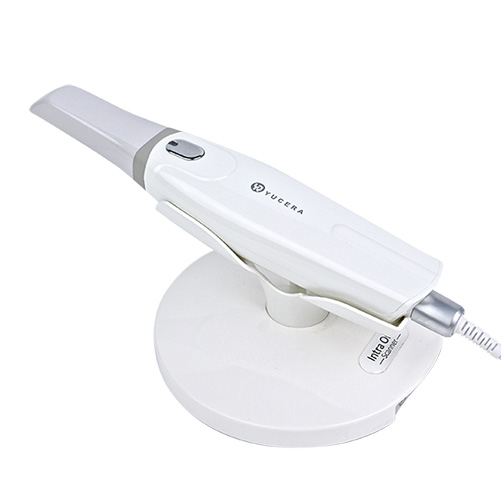
High-precision 3D scanning, AI calibration, full-arch accuracy.
learn more
40-min full sintering with 57% incisal translucency and 1050 MPa strength.
learn more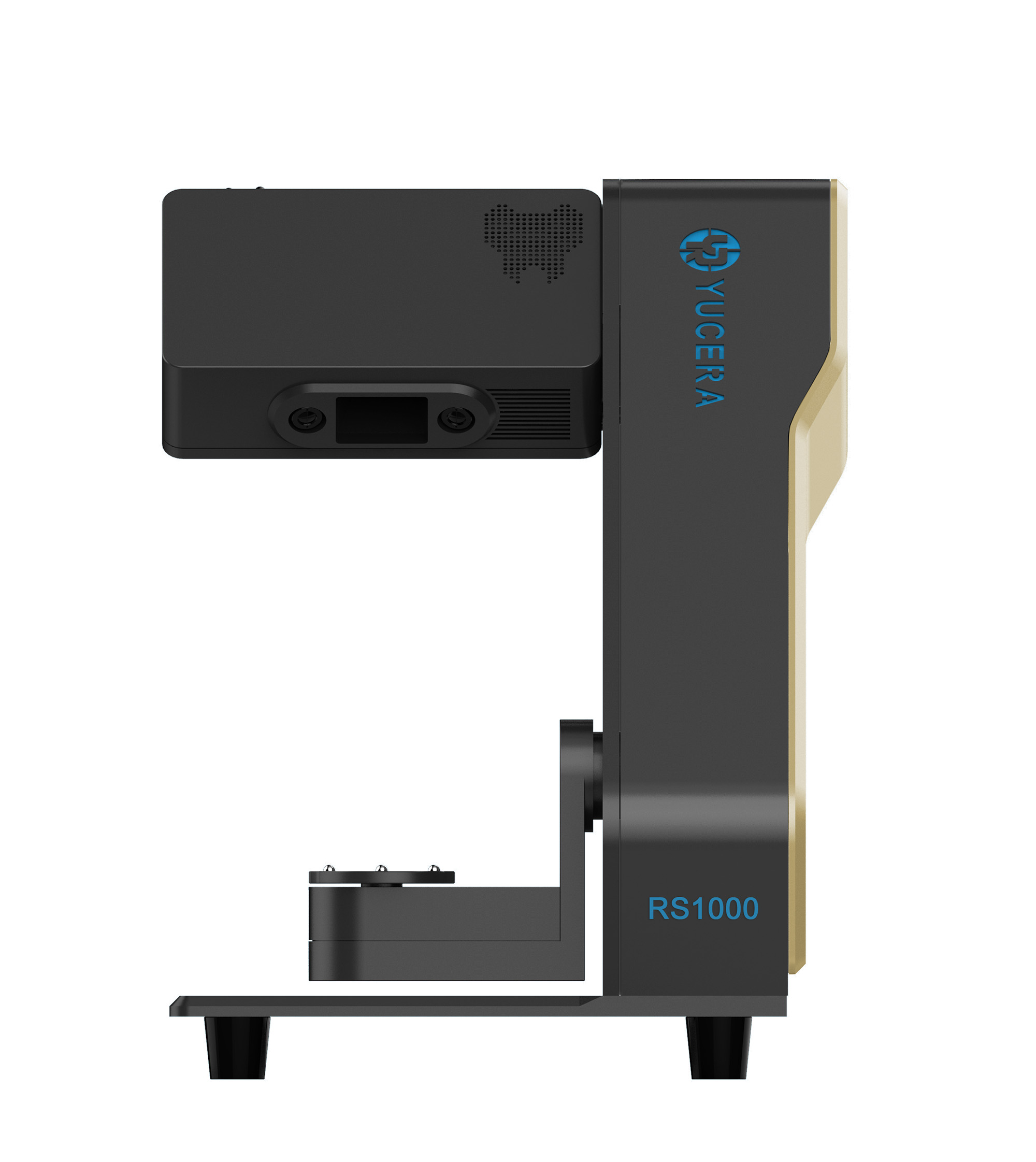
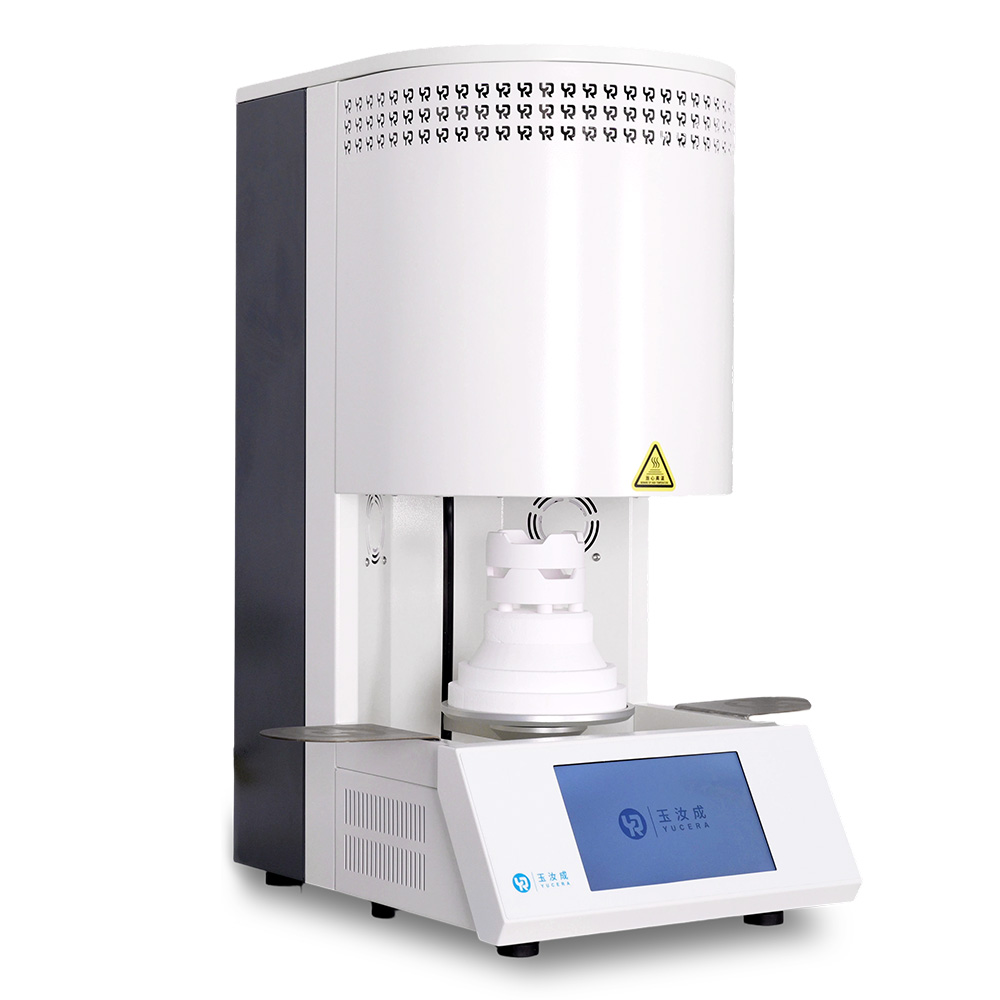
40-min cycle for 60 crowns, dual-layer crucible and 200°C/min heating.
learn more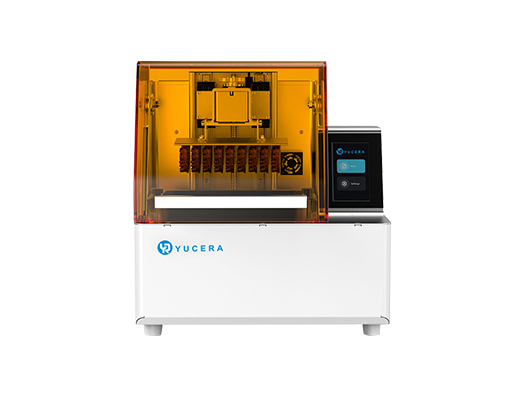
High-speed LCD printer for guides, temporaries, models with 8K resolution.
learn more


