


 中 文
中 文
Remote Monitoring Sintering Furnace: The Rise of Cloud Technology in Eastern European Dental Clinics
2026-01-21
2026-03-13
Zirconia-based restorations dominate modern digital dentistry for their strength, aesthetics, and efficiency. Yet clinicians and labs frequently encounter frustrating failures: porcelain chipping, framework cracking, and marginal leakage leading to discoloration, secondary caries, or debonding.
While occlusion, cementation, and design get blamed, one upstream factor often escapes scrutiny: inadequate pre-sintering drying. Residual moisture from milling coolant, saliva during try-in, or coloring liquids trapped in the porous pre-sintered zirconia (45–50% porosity) creates steam pressure during furnace ramp-up. This pressure damages the material microstructure long before clinical use—setting the stage for later failures.
This 2026 guide traces how poor drying contributes to these three common issues, backed by lab observations and clinical patterns, and provides actionable root-cause checks and prevention steps.
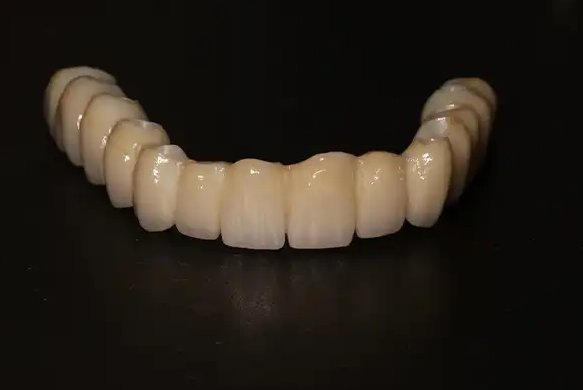
Pre-sintered zirconia is intentionally porous for easy milling. Moisture enters pores easily. During sintering (1,450–1,550°C with ramps up to 15–23°C/min), water turns to steam between 100–300°C. The green-state material lacks strength to withstand this internal pressure, leading to:
These defects reduce fracture toughness, promote crack propagation under occlusal load, and compromise marginal integrity. Even if the restoration looks perfect post-sintering, hidden flaws manifest clinically over months to years.
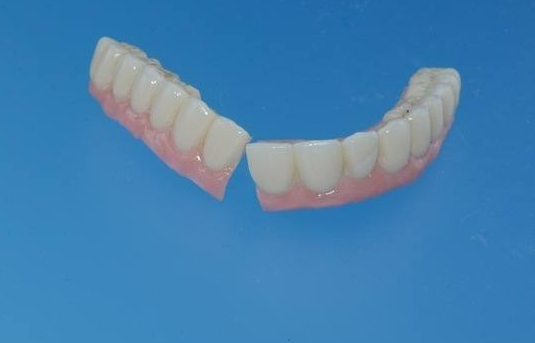
Chipping (veneer fracture) is the most reported zirconia failure, with rates historically 5–15% in layered cases. Inadequate drying contributes by:
Lab evidence shows that restorations with rushed drying exhibit higher incidence of cohesive chipping in veneering ceramic, as steam-induced defects act as stress concentrators. Clinically, chips often occur at incisal edges or functional cusps—areas already under tension.
Fixes:
Framework cracks (in the zirconia core) appear as hairline lines in connectors or thin walls, sometimes only after cementation or months of function. Inadequate drying triggers this via:
High-volume labs report connector fractures drop dramatically when drying protocols are standardized. Fast-sinter cycles (under 2 hours) amplify the risk if moisture isn't fully removed early.
Fixes:
Open or compromised margins allow bacterial ingress, leading to leakage, gingival discoloration, sensitivity, or secondary caries. Inadequate drying contributes indirectly but powerfully:
Clinical studies link moisture-related densification issues to increased marginal discrepancies and long-term periodontal complications.
Fixes:
Lab Side (Source Check):
Clinical Side (Failure Analysis):
Inadequate pre-sintering drying isn't a minor oversight—it's a root cause amplifier for chipping, cracking, and marginal leakage in zirconia restorations. By creating microstructural weaknesses early, it reduces fracture resistance, bond reliability, and marginal seal—issues that appear clinically long after delivery.
Implementing standardized drying (80–100°C, 45–90 min depending on case type, plus verification) eliminates most moisture-related defects. Labs see remake rates drop; clinicians enjoy fewer failures and happier patients.
In 2026's high-expectation digital workflows, treat pre-sintering drying as non-negotiable quality insurance. Master it, document it, train your team—and turn potential failures into predictable, durable success

Dry & wet milling for zirconia, PMMA, wax with auto tool changer.
learn more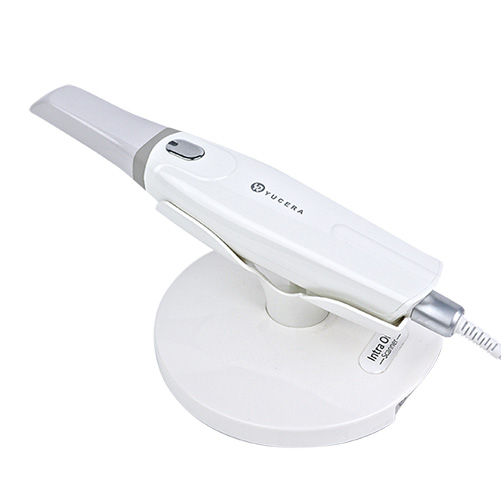
High-precision 3D scanning, AI calibration, full-arch accuracy.
learn more
40-min full sintering with 57% incisal translucency and 1050 MPa strength.
learn more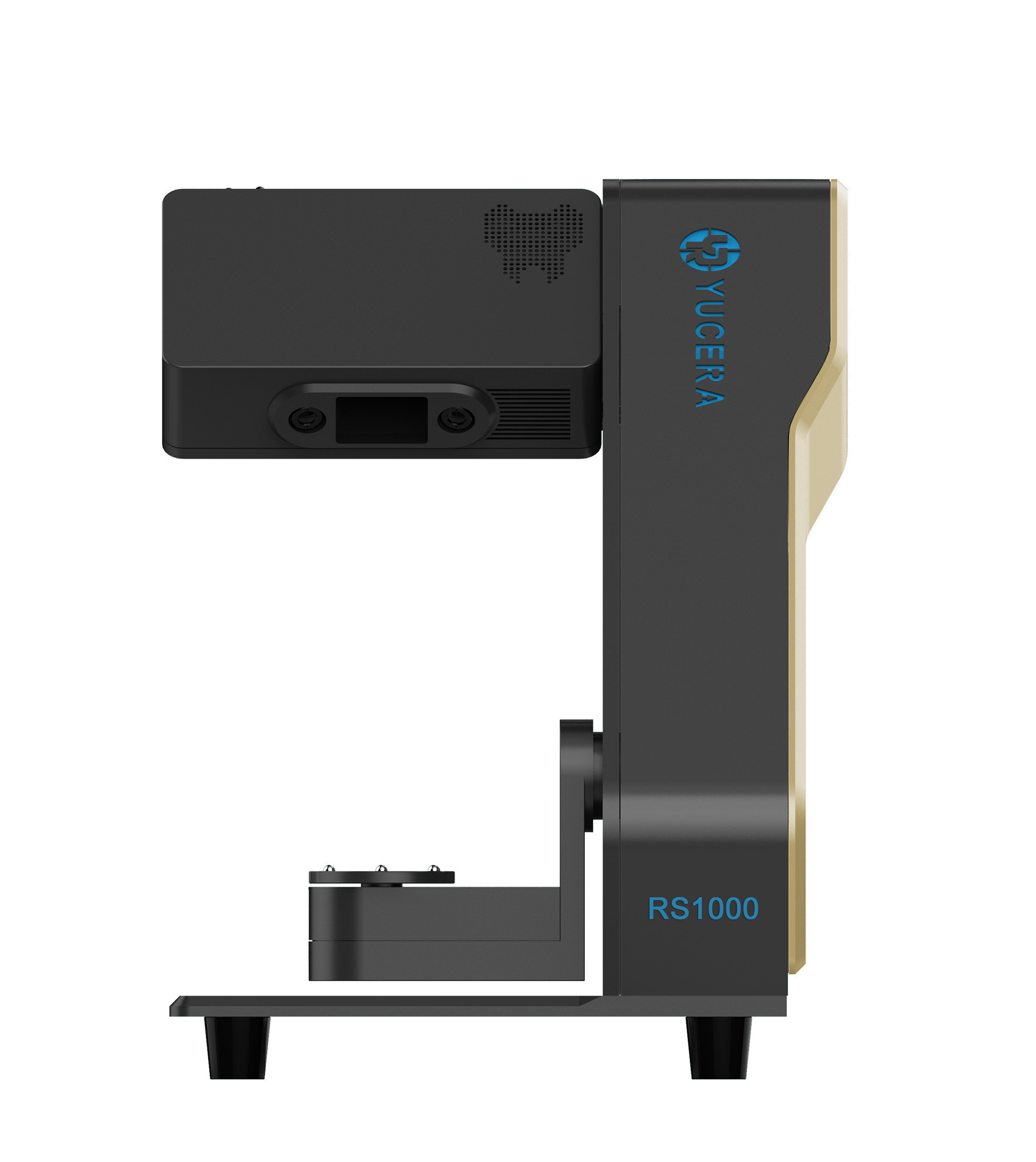
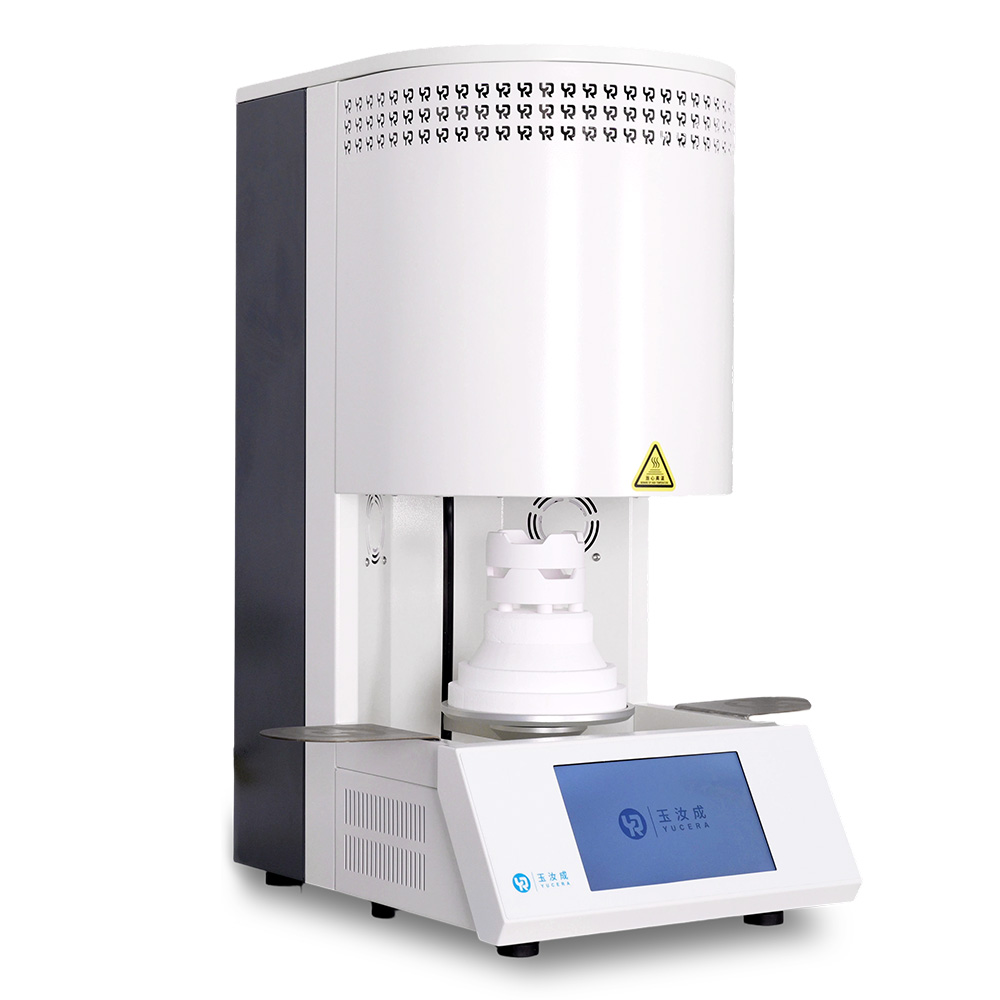
40-min cycle for 60 crowns, dual-layer crucible and 200°C/min heating.
learn more
High-speed LCD printer for guides, temporaries, models with 8K resolution.
learn more


