中 文
中 文

How to Pick a Great Dental Engraving and Milling Machine
2024-11-12
2026-03-05
In 2026, Dutch dental practices and laboratories—especially in Amsterdam, Rotterdam, Utrecht, and The Hague—widely adopt CAD/CAM for aesthetic and functional restorations. Glass ceramic (primarily lithium disilicate) and zirconia dominate due to digital workflows, high intraoral scanner penetration (>60–70% in private settings), and patient demand for natural, durable, metal-free options. Supplementary insurance covers premium restorations, boosting cosmetic cases in urban areas.
Both materials offer excellent biocompatibility, low plaque affinity, and CAD/CAM compatibility. Selection depends on location (anterior vs posterior), occlusal load, aesthetics, and preparation design. Glass ceramic excels in translucency for visible zones; zirconia provides superior strength for high-load areas. Survival rates exceed 95% at 5–10 years for both in appropriate indications, with pooled CAD/CAM ceramic survival around 96% (94–98% CI) across studies.
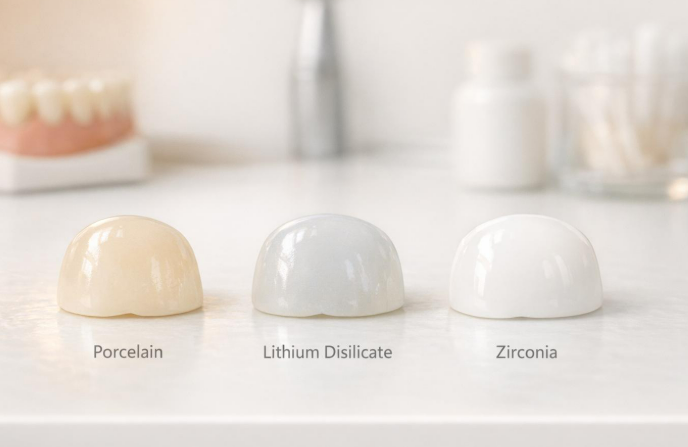
The Netherlands emphasizes digital dentistry, minimally invasive techniques, and sustainability under EU regulations. Private clinics handle most aesthetic work, with CAD/CAM enabling same-day or efficient lab production. Glass ceramic suits anterior/premolar smile makeovers; zirconia handles posterior crowns, bridges, and bruxism cases. High adoption of open systems supports both materials in labs across regions.
Flexural Strength Glass ceramic (lithium disilicate): 360–500 MPa (typically 350–450 MPa), suitable for anterior and moderate-load premolars when adhesively bonded. Zirconia: 900–1500 MPa (3Y-TZP standard), 500–900 MPa for high-translucency 4Y/5Y variants. Ideal for posterior high-stress zones.
Translucency and Aesthetics Glass ceramic: High translucency parameter (TP 15–25 at 1 mm), excellent fluorescence, opalescence, and enamel-like light transmission. Multi-layer blocks mimic dentin-enamel gradients for seamless blending. Zirconia: Lower TP in standard (4–10), improved in high-translucency (9–29). Multi-layered 4Y/5Y variants approach glass ceramic aesthetics but remain more opaque without veneering.
Fracture Toughness and Wear Glass ceramic: 2–3 MPa·m¹/², good wear resistance on opponents when polished. Zirconia: 4–10 MPa·m¹/², lower antagonist wear due to hardness and polishability.
Bonding and Preparation Glass ceramic: Etchable (HF acid + silane), strong adhesive bonding doubles effective strength. Requires 1–1.5 mm reduction. Zirconia: Non-etchable, relies on mechanical retention or MDP primers. Minimal preparation (0.5–1 mm), conservative.
Meta-analyses and cohort studies show high reliability:
In direct comparisons (5-year data): Zirconia ~94%, glass ceramic ~89–90% cumulative survival (no significant difference in many cohorts). Zirconia trends better mechanically in posterior/implant cases; glass ceramic superior esthetically in anterior.
Both achieve marginal integrity <150 μm with optimized CAD/CAM milling. Complications include chipping (higher in veneered zirconia historically, lower in monolithic) and secondary caries (similar).
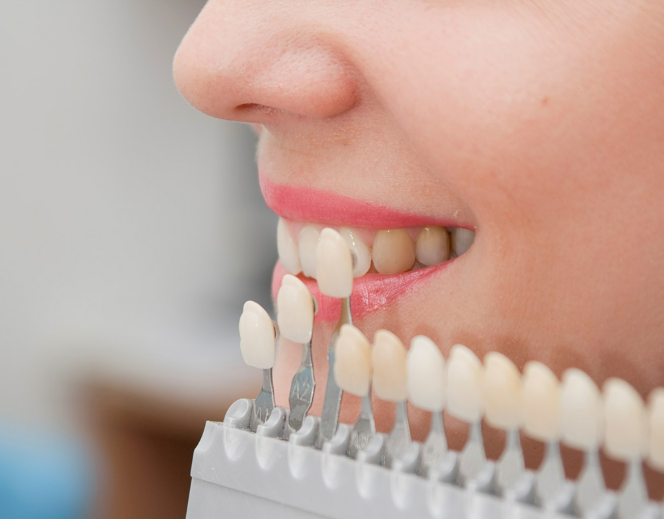
Anterior Restorations (Incisors, Canines) Prefer glass ceramic for unmatched translucency, natural halo, and shade matching. Ideal for veneers (0.3–1 mm), crowns, and smile design. High patient acceptance in cosmetic-focused Amsterdam/Rotterdam clinics.
Zirconia (high-translucency 4Y/5Y) viable for anterior if strength prioritized (e.g., bruxism), but less lifelike without characterization.
Posterior Restorations (Premolars, Molars) Zirconia preferred for high occlusal forces, bruxism, and bridges (up to 3–4 units in 3Y/4Y). Monolithic designs reduce chipping risk.
Glass ceramic suitable for premolars or low-load molars with adhesive bonding; avoid in heavy bruxers.
Veneers and Partial Coverage Glass ceramic dominates (survival >96% long-term for lithium disilicate). Minimally invasive, enamel-preserving.
Zirconia veneers short-term or technique-sensitive; limited long-term data.
Implant-Supported Zirconia for abutments/crowns due to strength and soft-tissue compatibility. Glass ceramic for anterior esthetics on implants.
Preparation and Workflow Tips
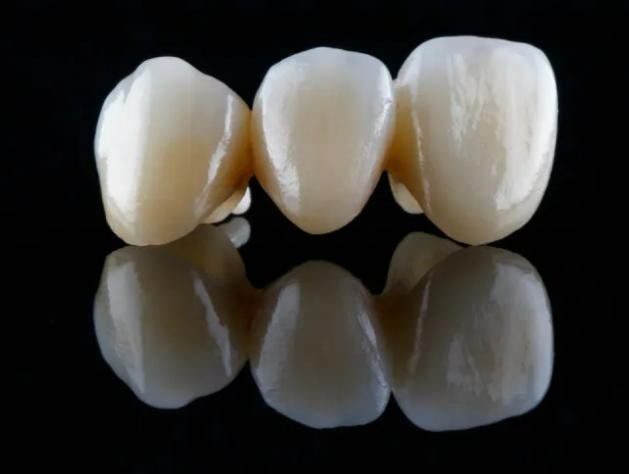
Glass Ceramic Advantages: Superior optics, adhesive potential, conservative prep. Limitations: Lower strength; technique-sensitive bonding. Zirconia Advantages: Exceptional durability, minimal wear, efficiency in monolithic. Limitations: Reduced translucency in standard; higher opacity in some cases.
Best practices: Assess occlusion, habits, and esthetics. Use try-ins/digital mockups. Bond glass ceramic adhesively; prime zirconia with MDP. Regular calibration ensures fit.
Advancements like graded zirconia (3Y–5Y layers) and AI-optimized designs will blur lines, offering strength-translucency balance. Continued CAD/CAM growth (European CAGR 8–10%) and focus on minimally invasive care favor both materials.
For Dutch CAD/CAM restorations in 2026, glass ceramic leads anterior/premolar aesthetics with lifelike translucency and high survival (>95–98%). Zirconia dominates posterior/high-load zones with superior strength (900–1500 MPa) and reliability (94–97%). Selection balances esthetics, function, and patient factors—glass ceramic for visible, natural smiles in Amsterdam/Rotterdam; zirconia for durable posteriors nationwide.
Clinicians embracing evidence-based criteria achieve predictable, patient-pleasing outcomes in the Netherlands' advanced digital landscape. Both materials set high standards for modern restorative excellence.

Dry & wet milling for zirconia, PMMA, wax with auto tool changer.
learn more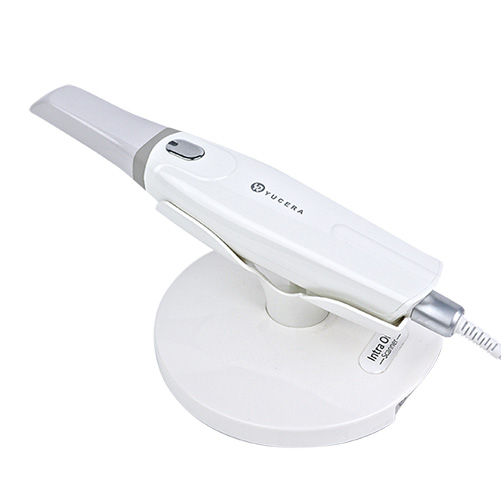
High-precision 3D scanning, AI calibration, full-arch accuracy.
learn more
40-min full sintering with 57% incisal translucency and 1050 MPa strength.
learn more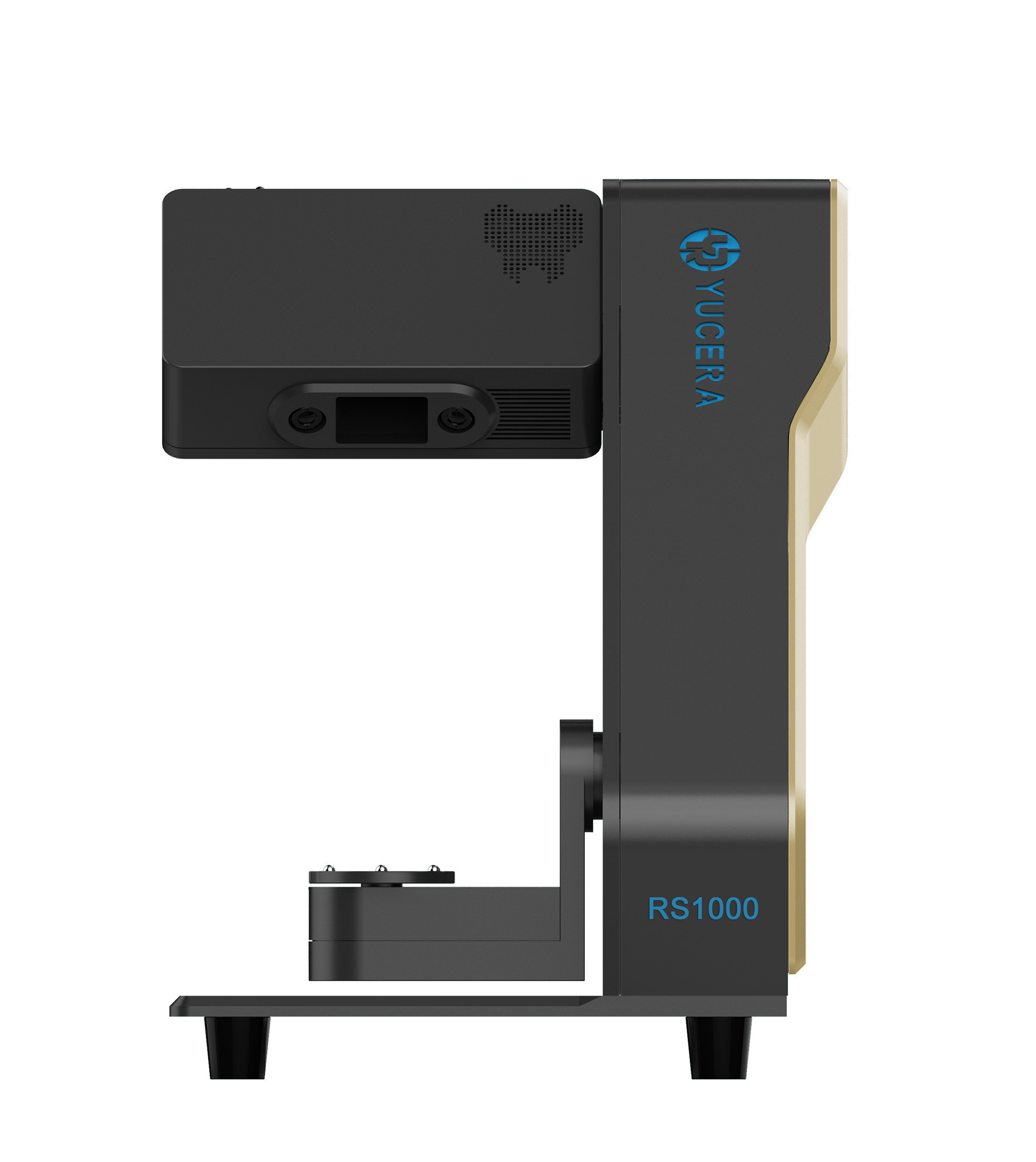
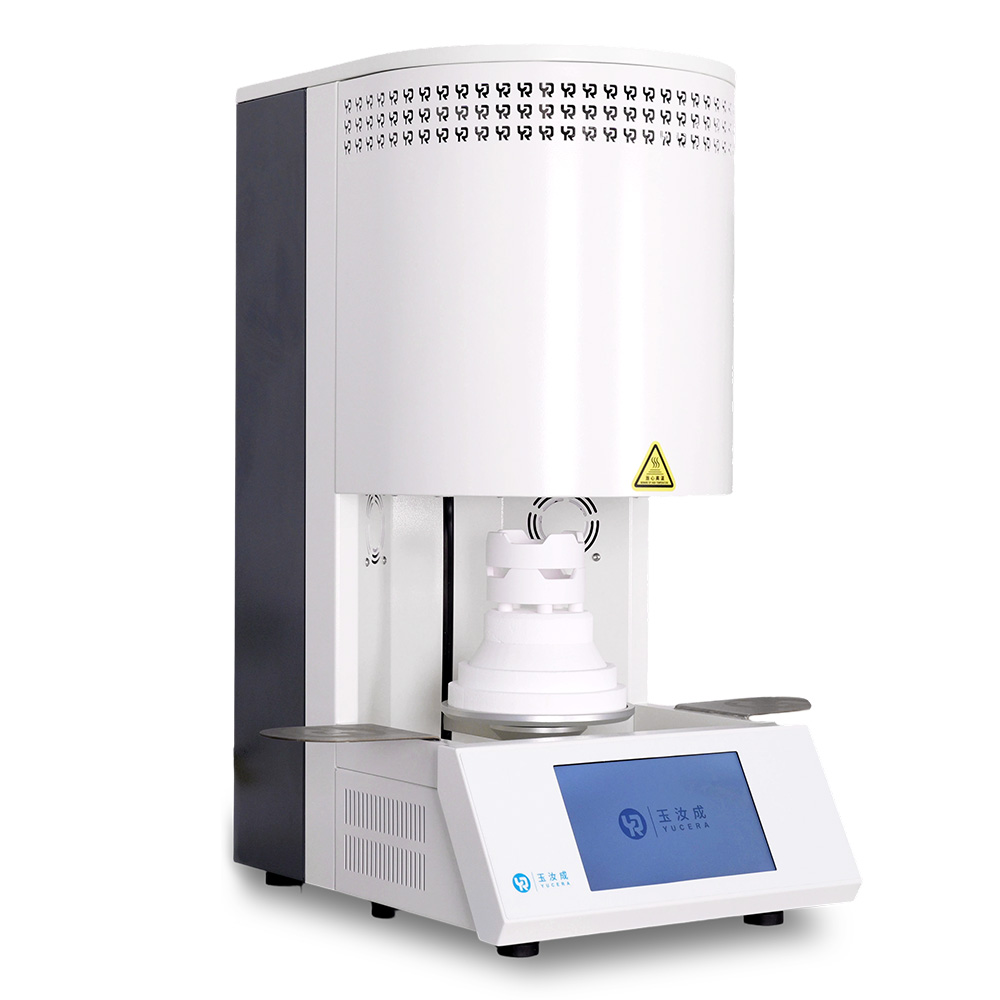
40-min cycle for 60 crowns, dual-layer crucible and 200°C/min heating.
learn more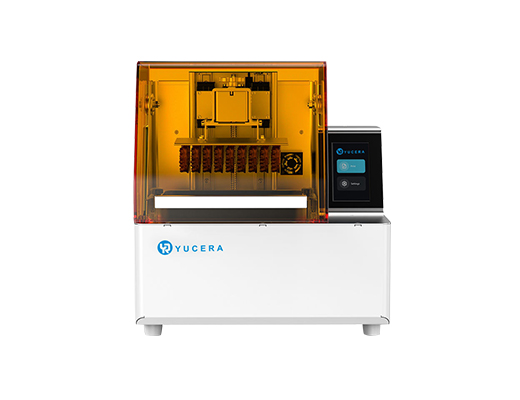
High-speed LCD printer for guides, temporaries, models with 8K resolution.
learn more