中 文
中 文

High-Speed Dental Lab Scanners in 2025: YRC RS600 & RS1000 Specs for Implant and Ortho Workflows
2025-11-24
2026-03-06
In March 2026, private dental clinics across the Netherlands—particularly in Amsterdam, Rotterdam, Utrecht, and The Hague—embrace CAD/CAM glass ceramic (primarily lithium disilicate) as a cornerstone for aesthetic anterior and premolar restorations. With digital adoption accelerating and supplementary insurance covering premium procedures for ~84% of residents, clinics seek solutions that balance high-quality, natural-looking results with profitability. Glass ceramic delivers superior translucency, strength (360–500 MPa), and survival rates >95–98% at 10 years, while optimized workflows reduce costs compared to traditional lab methods or alternatives like zirconia in visible zones.
The Dutch dental devices market supports this shift, valued at ~USD 96–101 million in 2025–2026 and growing at 5–6% CAGR toward USD 133 million by 2031. CAD/CAM systems drive efficiency, with chairside and hybrid models enabling same-day crowns, veneers, and inlays. Private practices capitalize on cosmetic demand, inbound tourism in urban centers, and minimally invasive trends, making glass ceramic a cost-effective choice for high-margin aesthetic cases.
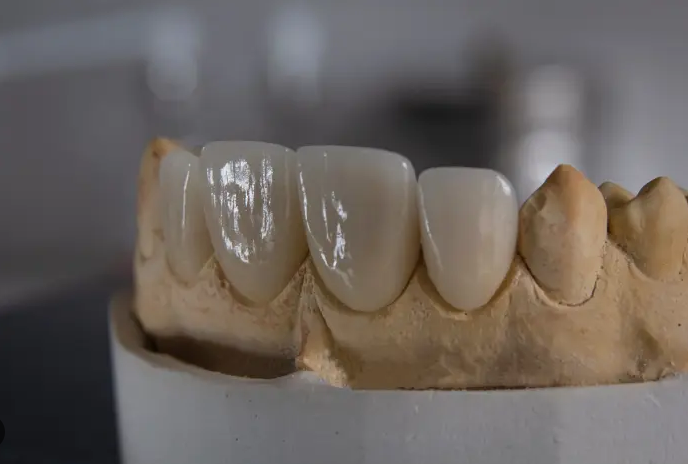
Private clinics dominate premium restorations, as basic NHS-equivalent care limits complex aesthetics. Supplementary plans fund veneers, crowns, and smile designs, fueling demand in cities. Digital penetration exceeds 60–70% for intraoral scanners and CAD/CAM units, reducing reliance on external labs. Key drivers include ageing populations, cosmetic awareness, and EU regulations favoring biocompatible, mercury-free materials.
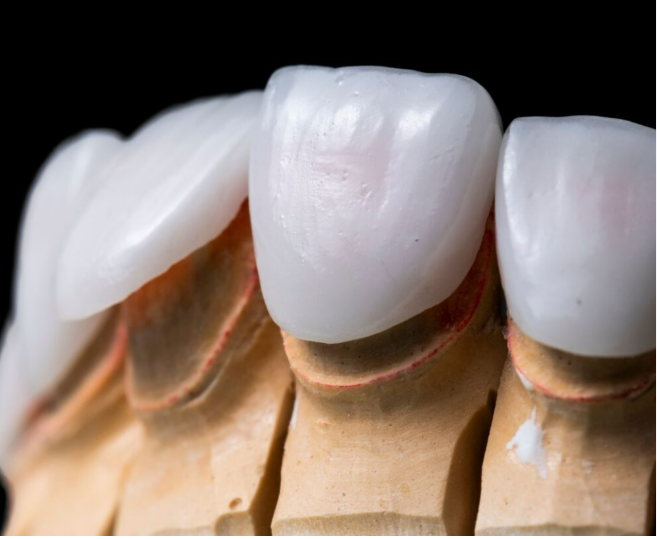
Glass ceramic fits perfectly: conservative preparations preserve tooth structure, adhesive bonding enhances durability, and optical properties (TP 15–25) match enamel for lifelike results without veneering. Clinics achieve ROI through fewer appointments, lower lab fees, and patient satisfaction leading to referrals.
Glass ceramic provides strong value in private settings:
Compared to traditional lab-fabricated restorations, CAD/CAM glass ceramic lowers expenses by bypassing shipping, multiple visits, and provisional fabrication.
Chairside milling stands out for cost-effectiveness in private Dutch clinics:
Clinics in high-volume areas like Amsterdam report 4–15 minute milling per unit, enabling multiple cases daily. Initial investment recoups via increased throughput and margins on aesthetic procedures.
For smaller or mixed practices, hybrid approaches offer affordability:
These strategies suit Utrecht/Rotterdam clinics blending restorative and cosmetic work.
Dutch private clinics implement targeted tactics:
These yield 20–40% savings per case versus traditional methods, with higher patient retention.
Initial CAD/CAM investment and training pose barriers, offset by long-term savings and financing options. Bonding sensitivity requires protocols; occlusion assessment avoids overload failures.
Clinics mitigate via phased rollout: start with scanners, add milling, integrate hybrids.
Dutch private clinics will benefit from AI design optimization, faster milling, and hybrid printing/milling. European digital dentistry CAGR ~8–10% supports continued investment. Glass ceramic remains cost-effective for aesthetics, with survival >95% ensuring reliability.
In 2026, CAD/CAM glass ceramic delivers cost-effective, high-quality solutions for Dutch private dental clinics. Through chairside same-day workflows, hybrid models, optimized parameters, and strategic case selection, practices in Amsterdam, Rotterdam, Utrecht, and beyond reduce expenses, boost efficiency, and meet rising aesthetic demands.
With market growth, proven durability (survival >95–98%), and superior optics, glass ceramic enables profitable, patient-pleasing restorations. Private clinicians adopting these solutions position themselves competitively in the Netherlands' advanced, digitally driven dental landscape—driving sustainability, satisfaction, and success.

Dry & wet milling for zirconia, PMMA, wax with auto tool changer.
learn more
High-precision 3D scanning, AI calibration, full-arch accuracy.
learn more
40-min full sintering with 57% incisal translucency and 1050 MPa strength.
learn more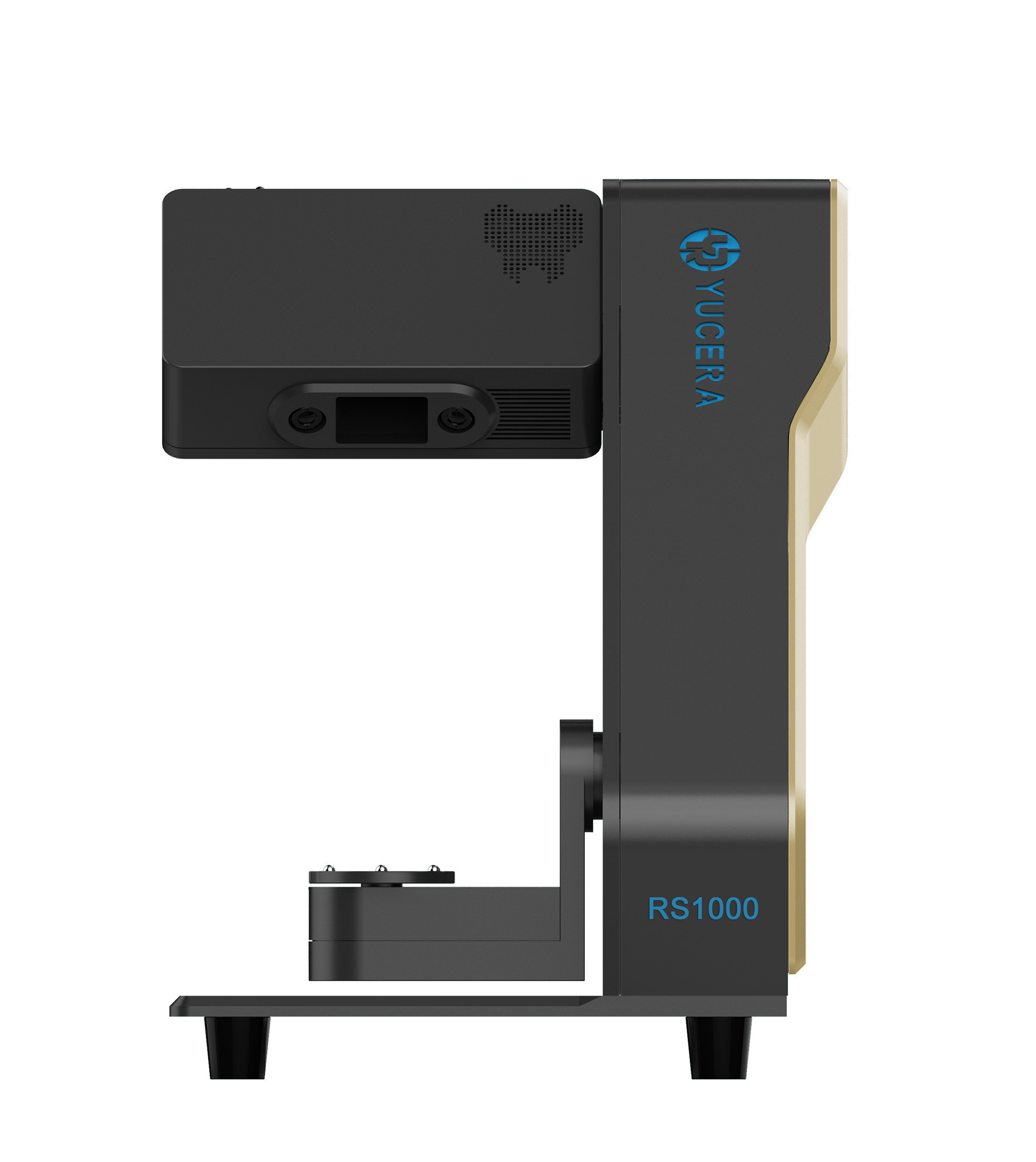
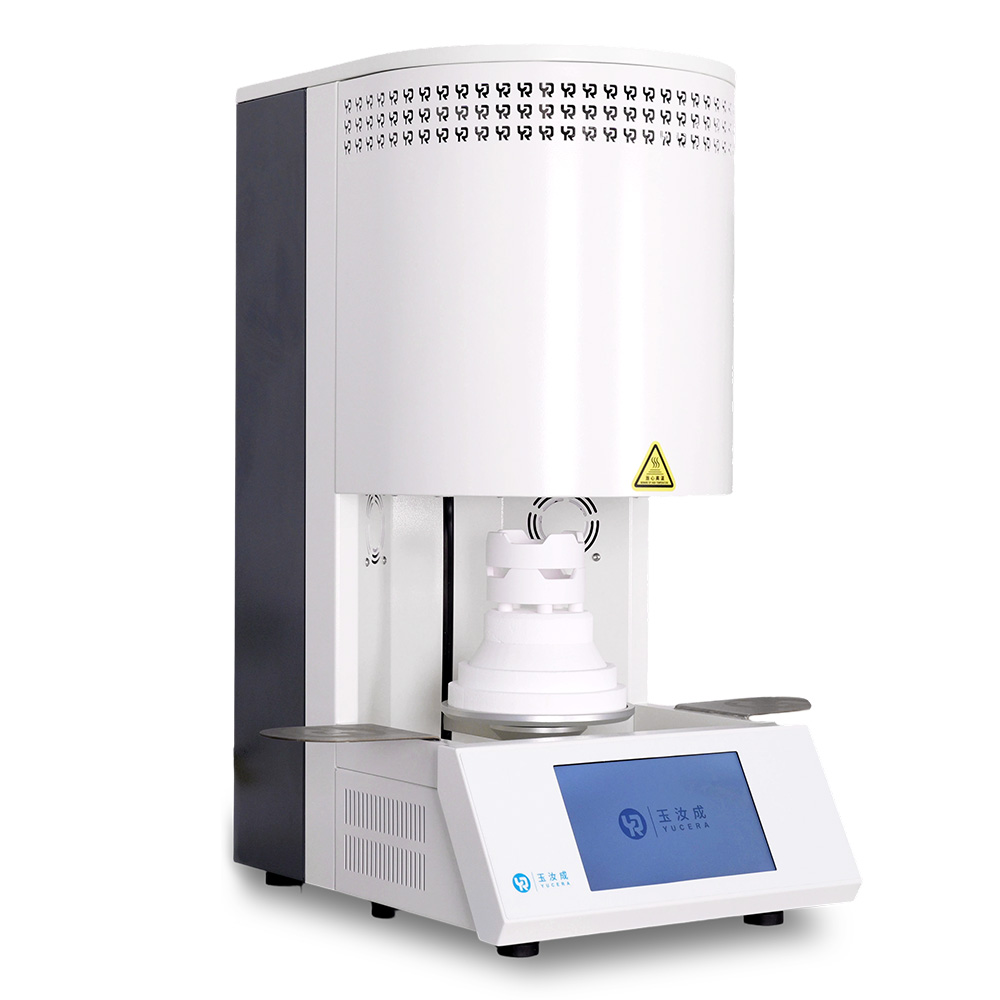
40-min cycle for 60 crowns, dual-layer crucible and 200°C/min heating.
learn more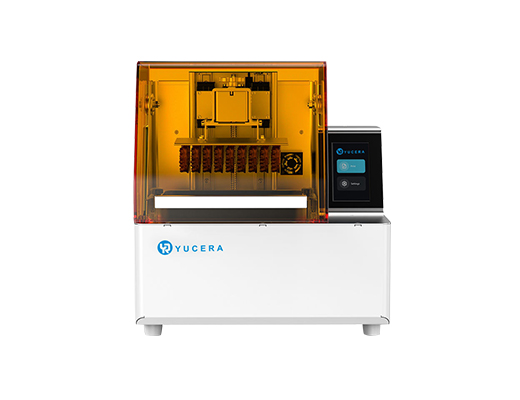
High-speed LCD printer for guides, temporaries, models with 8K resolution.
learn more