中 文
中 文

Cracking the Code 2: Essential FAQ About YRC-8 Pro Dry and Wet Integrated Milling Machine.
2026-02-03
2026-03-03
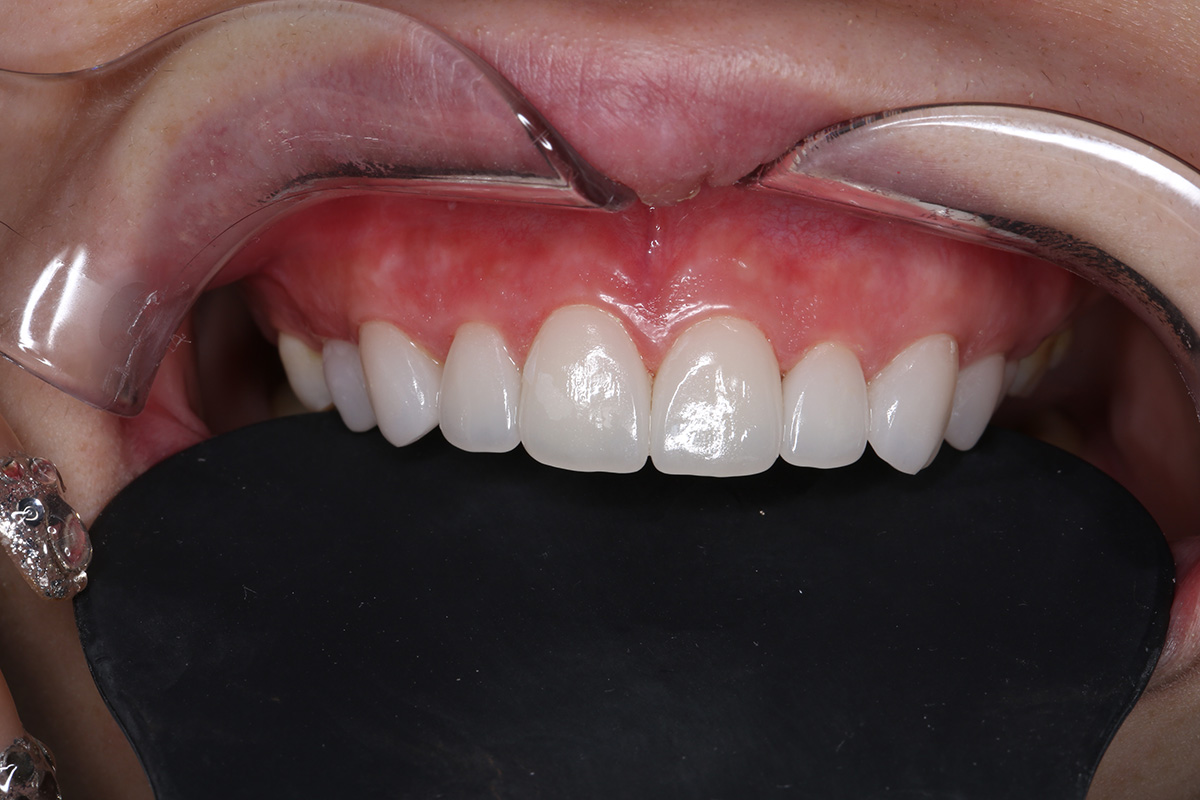
In 2026, CAD/CAM glass ceramic—primarily lithium disilicate-based—stands as the leading material for aesthetic dental restorations across the Netherlands. With rapid digital dentistry adoption, private practices in Amsterdam, Rotterdam, Utrecht, and The Hague increasingly favor glass ceramic for its unmatched optical properties and reliable performance in anterior and premolar zones. This guide examines its aesthetic advantages, clinical applications, supporting data, and practical integration in Dutch workflows, reflecting the country's emphasis on high-quality, minimally invasive, and patient-centered care.
The Dutch dental market supports this trend strongly. Valued at approximately USD 96-100 million for devices in 2025, it grows at 5-6% CAGR through 2031, driven by ageing populations, rising cosmetic demand, and widespread CAD/CAM integration. Europe-wide, the dental CAD/CAM sector expands from USD 2.55 billion in 2025 to over USD 4 billion by 2031 at 8-9% CAGR, with the Netherlands benefiting from high intraoral scanner penetration (>60% in private clinics) and chairside milling adoption. Private practices and dental laboratories lead, capitalizing on digital workflows for faster, precise restorations amid growing aesthetic expectations.
The Netherlands features a mature, digitally advanced dental sector. Public insurance covers basic care, but supplementary plans (held by ~84% of residents) fund premium aesthetic procedures, boosting demand for natural-looking restorations. Private clinics dominate cosmetic work, with digital adoption accelerating: chairside CAD/CAM units rose significantly in recent years, enabling same-day deliveries that reduce appointments and enhance patient satisfaction.
Key drivers include an ageing demographic (increasing restorative needs), dental tourism in cities like Amsterdam and Rotterdam, and EU regulations favoring biocompatible, mercury-free materials. CAD/CAM glass ceramic aligns perfectly, offering conservative preparations that preserve tooth structure while delivering superior aesthetics. Regional adoption is high in urban centers: Amsterdam and Rotterdam practices prioritize veneers and smile makeovers, while Utrecht and The Hague focus on integrated implant-supported anterior restorations.
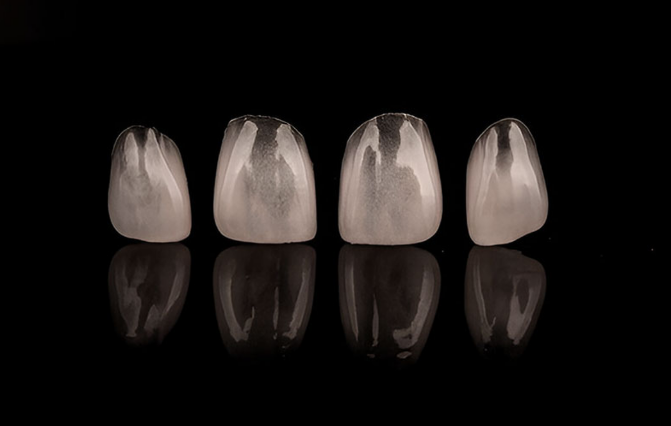
Glass ceramic excels in mimicking natural teeth, making it ideal for visible zones. Its key strengths include:
Compared to zirconia, glass ceramic offers superior light dynamics without opacity issues. While zirconia suits heavy posterior loads, glass ceramic dominates anterior aesthetics due to its enamel-like translucency and natural vitality—critical in Dutch patients seeking discreet, high-end results.
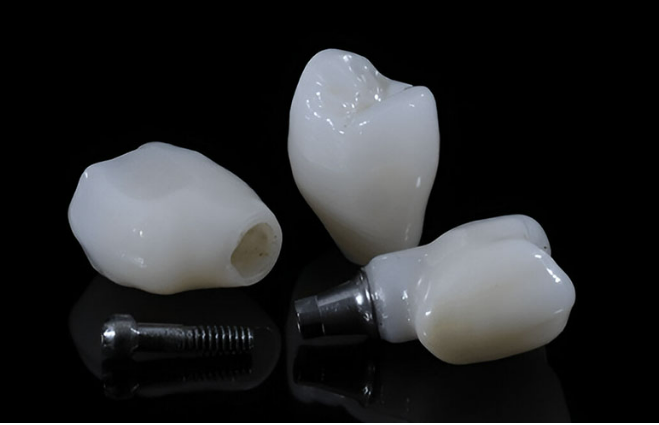
Clinical evidence supports glass ceramic's reliability. Lithium disilicate restorations achieve survival rates exceeding 95-98% at 10+ years for anterior crowns and veneers. A 2025 study reported 98.6% overall survival over 14 years for adhesively luted complete and partial coverage restorations, with 0.1% annual failure rate; anterior crowns showed 100% survival. Meta-analyses confirm pooled survival of 96% (94–98% CI) across CAD/CAM ceramics, with lithium disilicate at 98% in many cohorts.
Flexural strength of 360–500 MPa (typically 350–440 MPa for lithium disilicate) provides durability for anterior/premolar use when bonded adhesively. Hydrofluoric acid etching plus silane and resin cement enhance bond strength, reducing fracture risk to <5% over a decade. Biocompatibility, low wear on opposing teeth, and color stability further contribute to success.
In Dutch practices, these properties translate to predictable outcomes: minimal adjustments, high patient acceptance, and alignment with conservative guidelines.
Glass ceramic suits various indications, optimized via CAD/CAM for precision:
Preparation guidelines emphasize enamel preservation: feather-edge or slight chamfer margins, rounded angles, and adequate reduction (0.5–1.5 mm). Digital workflows—intraoral scanning, CAD design, chairside or lab milling—enable same- or next-day delivery, reducing temporaries and sensitivity.
Bonding protocols are critical: proper etching, silane application, and dual-cure resin cement maximize strength. Occlusal evaluation avoids heavy contacts in bruxers, where zirconia may be preferred posteriorly.
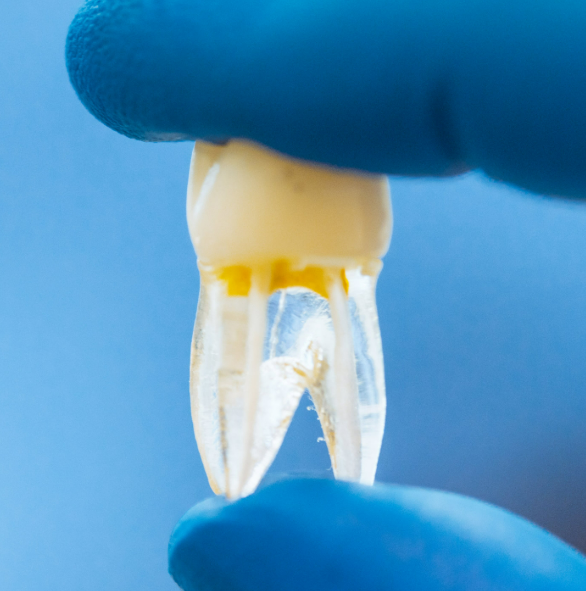
Adoption varies regionally but favors glass ceramic for aesthetics:
Patients enjoy lifelike results with minimal reduction, same-day options, and plaque-resistant surfaces. Practices gain efficiency: digital files streamline transfers, reduce remakes, and cut costs 20–40% via fewer visits. Laboratories appreciate predictable milling and low waste.
Challenges include higher material costs (offset by durability) and bonding sensitivity. Dutch training programs emphasize adhesive techniques. Occlusal analysis is essential; glass ceramic fits moderate loads best.
Best practices: Use high-quality scanners for accurate impressions (trueness 14–50 μm), verify designs digitally, and calibrate mills. Shade communication and provisional try-ins ensure success.
Beyond 2026, glass ceramic's role strengthens with AI design tools for shade/morphology optimization and hybrid workflows (printed provisionals + milled finals). European digital dentistry growth (CAGR 9-10%) and sustainability focus favor conservative, biocompatible options. By 2030-2031, CAD/CAM penetration could exceed 80% in Dutch private practices, solidifying glass ceramic as the aesthetic standard.
In 2026, CAD/CAM glass ceramic leads Dutch dental restorations for its superior aesthetics—translucency, fluorescence, opalescence—and proven clinical reliability (survival >95-98%, strength 360–500 MPa). It delivers natural, durable results in anterior/premolar zones, supporting efficient digital workflows in Amsterdam, Rotterdam, Utrecht, and beyond.
Dutch clinicians adopting glass ceramic meet rising demands for minimally invasive, lifelike dentistry while enhancing practice efficiency and patient outcomes. As digital adoption accelerates, this material sets the benchmark for aesthetic excellence in the Netherlands' forward-thinking dental landscape.

Dry & wet milling for zirconia, PMMA, wax with auto tool changer.
learn more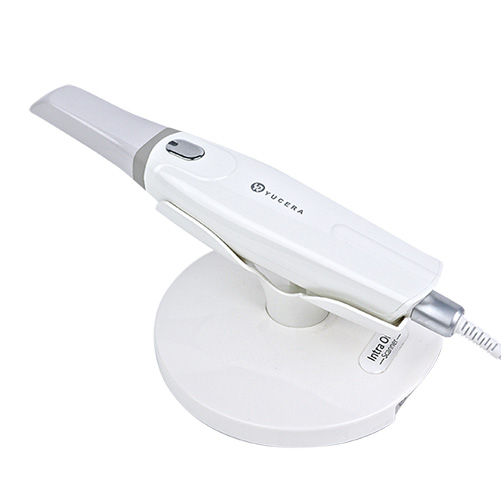
High-precision 3D scanning, AI calibration, full-arch accuracy.
learn more
40-min full sintering with 57% incisal translucency and 1050 MPa strength.
learn more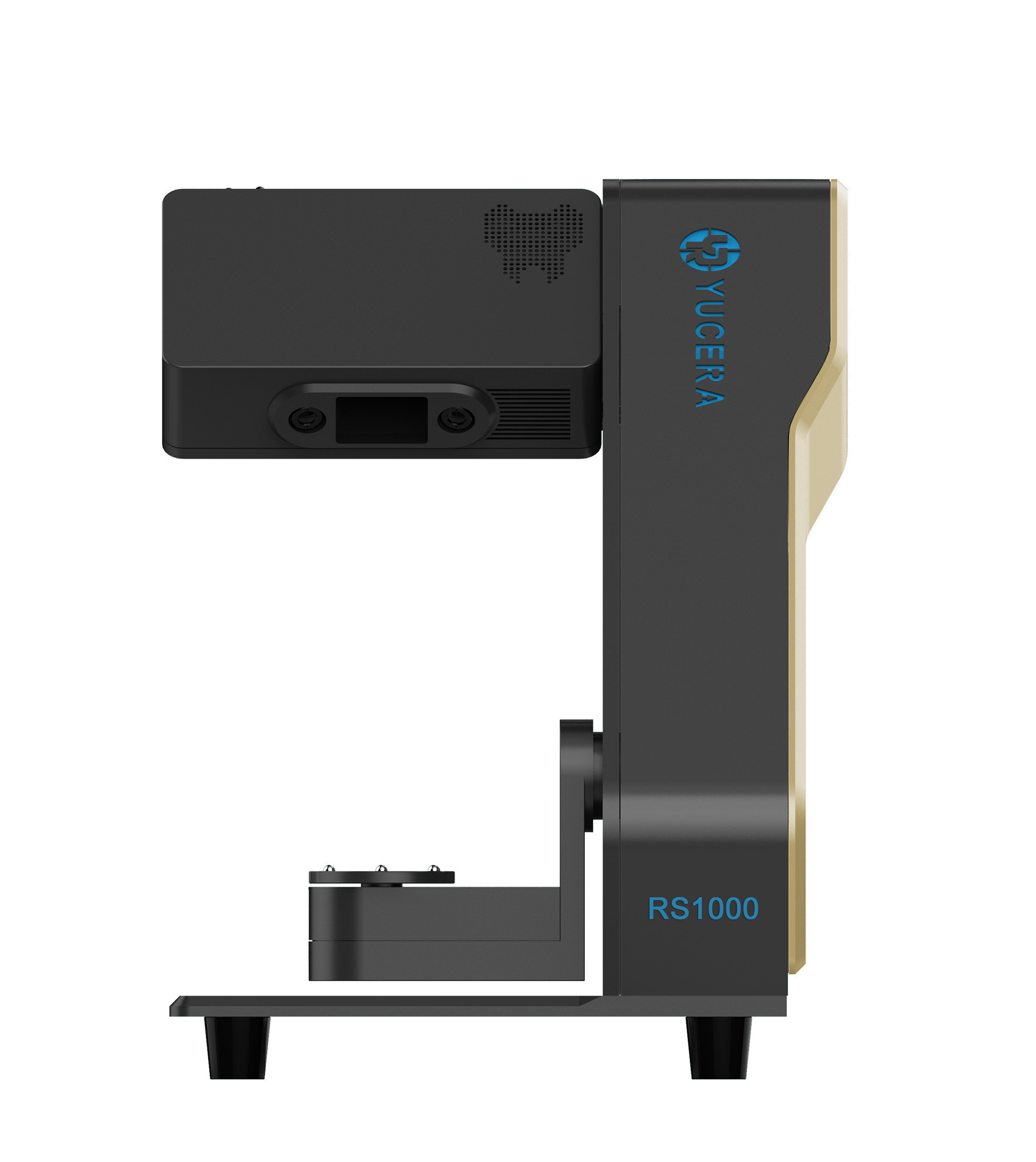
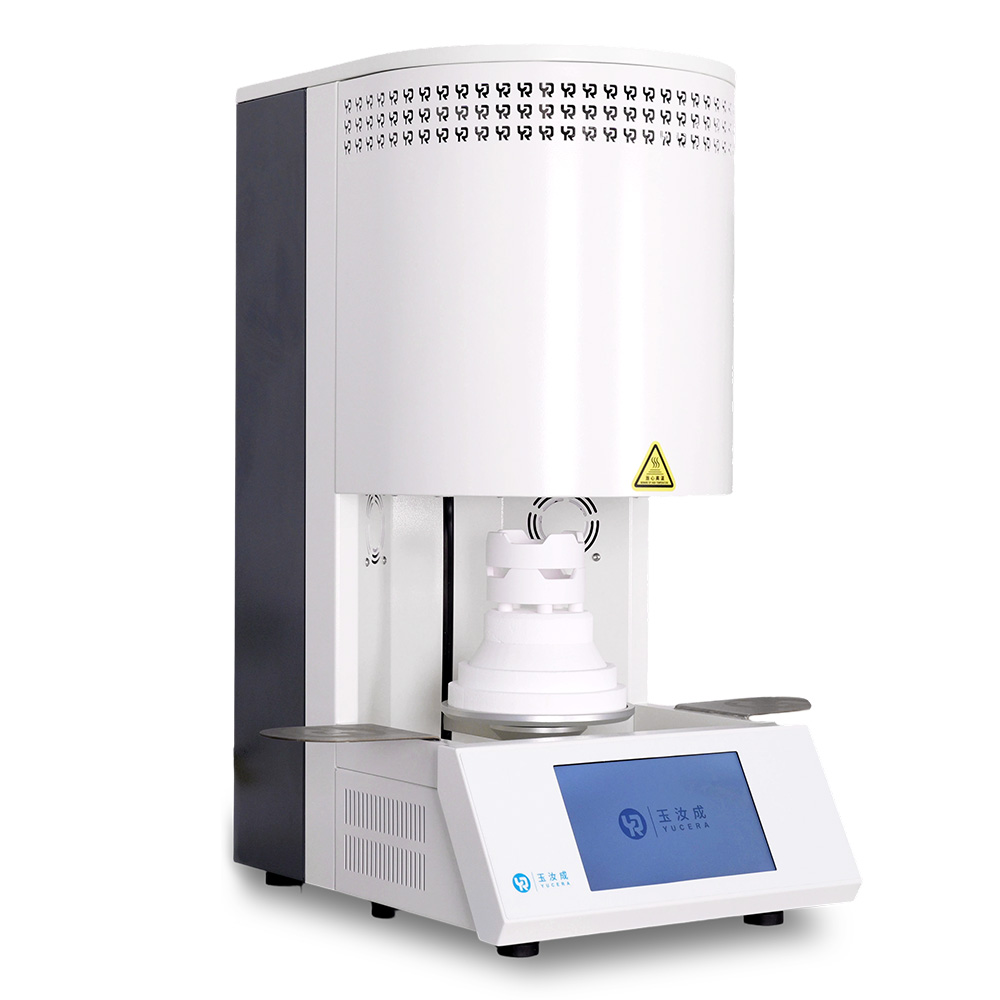
40-min cycle for 60 crowns, dual-layer crucible and 200°C/min heating.
learn more
High-speed LCD printer for guides, temporaries, models with 8K resolution.
learn more