中 文
中 文
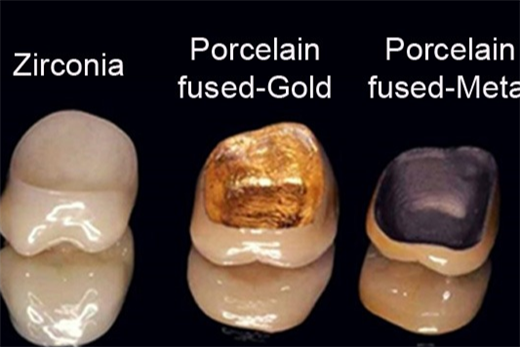
Zirconia vs PFM Crowns: How to Choose the Best Dental Crown in 2026
2025-12-30
2026-02-27
In UK dental laboratories and clinics in 2026, zirconia remains the dominant CAD/CAM restorative material for crowns, bridges, abutments and veneers. Correct matching of zirconia type to milling parameters, sintering protocol and clinical indication is the single most effective way to reduce rework rates—often by 30–50%—while maintaining marginal fit <50–100 μm and clinical longevity.
Rework commonly arises from mismatched shrinkage compensation, incorrect nesting orientation, inappropriate sintering cycles or poor material selection for load/esthetics. This guide provides practical, UK-focused tips to match zirconia correctly, lower remake costs and improve efficiency under UKCA/MDR compliance.
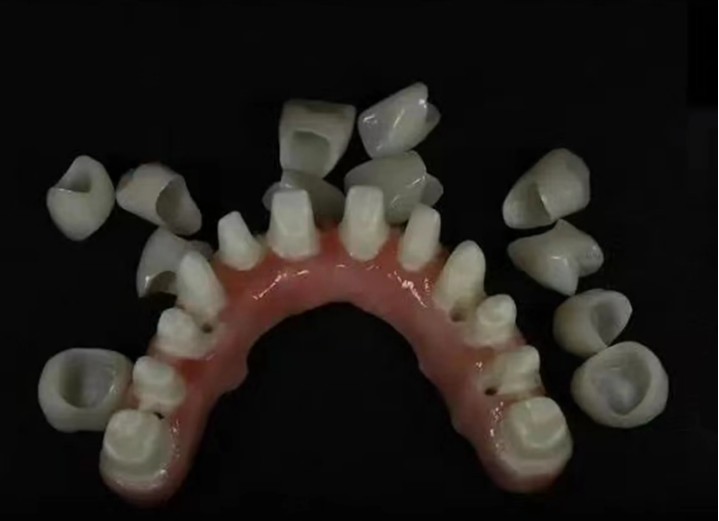
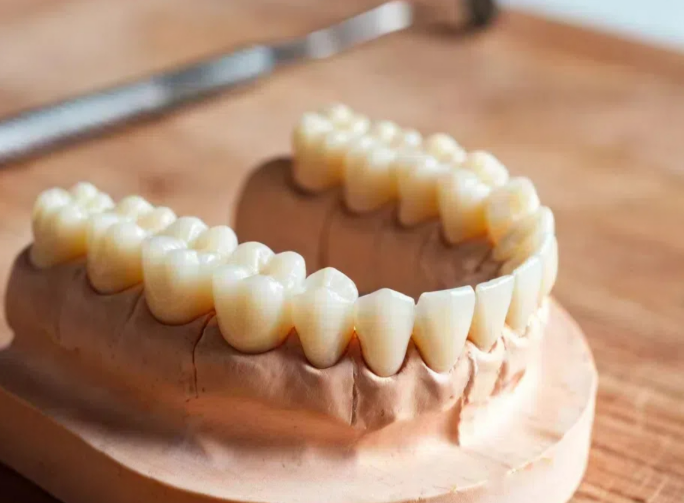
Every zirconia batch has a precise linear shrinkage (typically 20–25%). Mismatch causes oversizing/undersizing → poor fit or remake.
Impact: Correct shrinkage input prevents 20–40% of fit-related remakes.
UK note: Private/tourism clinics (London, Manchester) favour multilayer for natural appearance without extra lab steps.
Wrong orientation is the #1 cause of color inversion (white cervical, yellow incisal) and rework.
Impact: Correct nesting eliminates 70–80% of multilayer-related remakes.
Fast sintering (40–90 min) is now standard, but incompatible cycles cause distortion, reduced translucency or cracking.
Impact: Proper cycle matching reduces sintering defects by 40–60%.
Impact: Optimised settings cut marginal chipping and internal fit issues by 30–50%.
Impact: Systematic tracking reduces repeat errors by 40–60%.
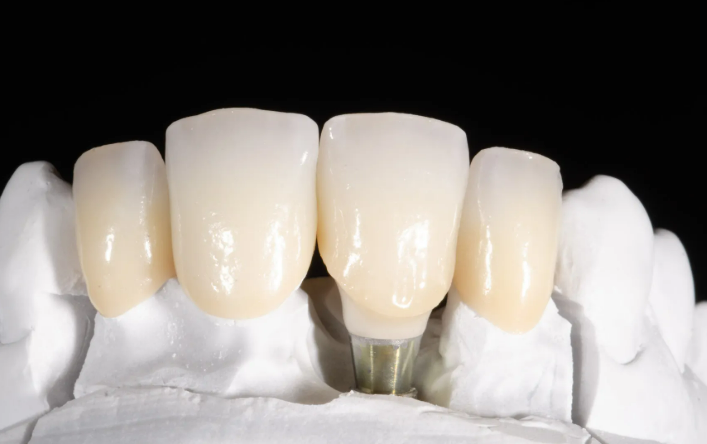
In 2026, UK dental labs reduce rework rates dramatically by matching zirconia type to indication, verifying shrinkage per batch, mastering multilayer nesting, aligning sintering cycles, fine-tuning CAM parameters and tracking quality systematically. These steps deliver consistent 10–20 μm fit, faster turnaround and lower costs—critical for private practices, NHS labs and dental tourism in London, Manchester, Birmingham and beyond.
Implement these matching tips, document rigorously for UKCA/MDR, and monitor rework logs to maximise CAD/CAM efficiency and profitability in the UK digital dentistry landscape.

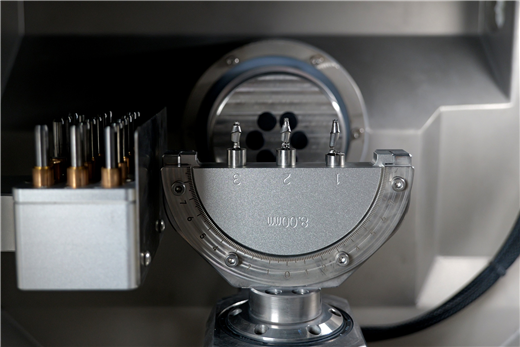
Dry & wet milling for zirconia, PMMA, wax with auto tool changer.
learn more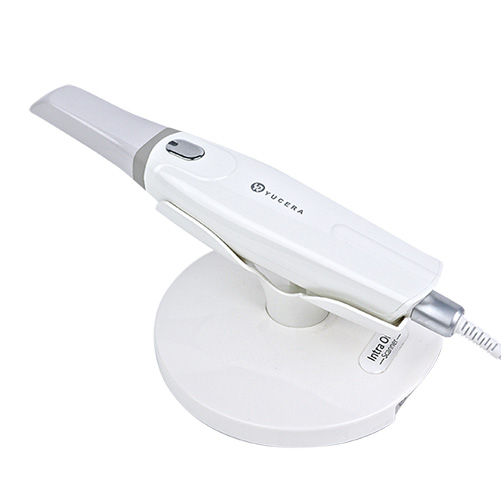
High-precision 3D scanning, AI calibration, full-arch accuracy.
learn more
40-min full sintering with 57% incisal translucency and 1050 MPa strength.
learn more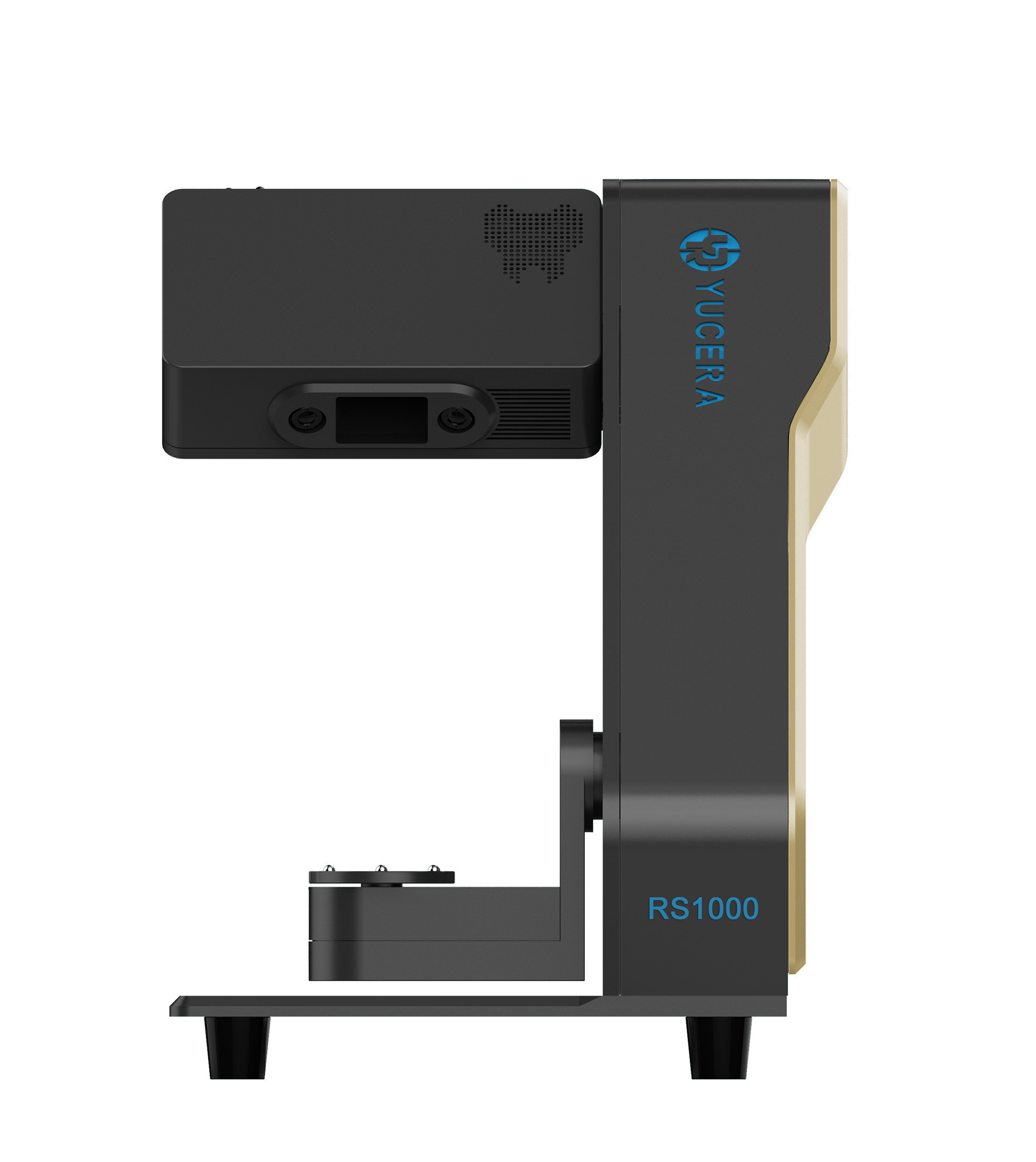
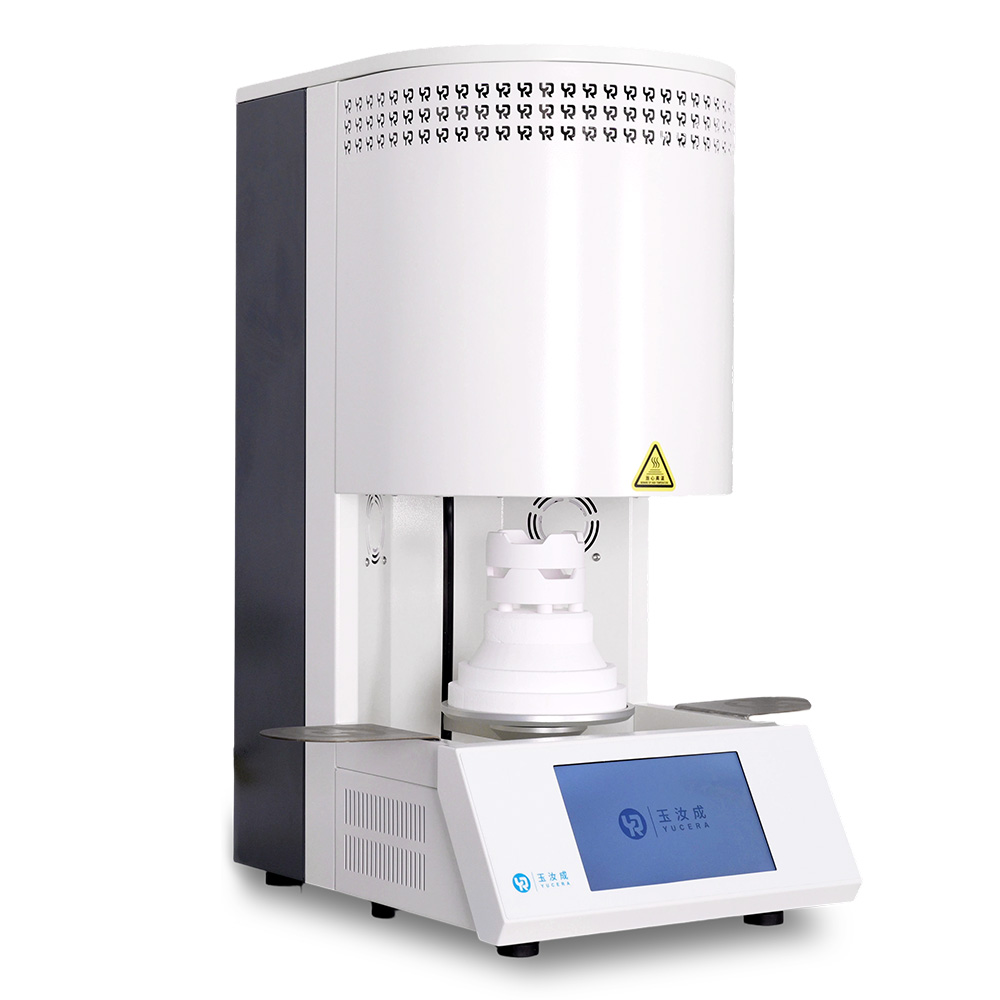
40-min cycle for 60 crowns, dual-layer crucible and 200°C/min heating.
learn more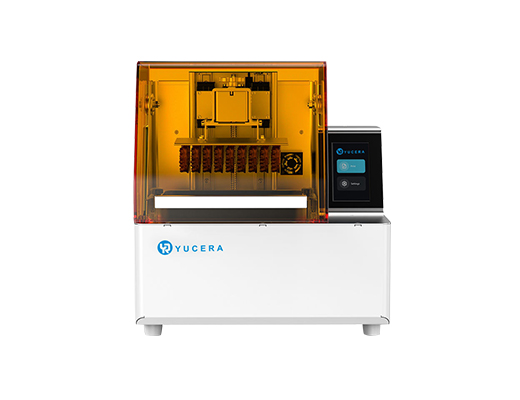
High-speed LCD printer for guides, temporaries, models with 8K resolution.
learn more