CAD/CAM technology is rapidly expanding across South American dental practices and laboratories in 2026, especially in Brazil—the continent’s largest dental market—followed by Argentina, Chile, Colombia, and Peru. Brazil’s restorative dentistry sector alone is projected to grow from USD 763 million in 2023 to USD 1.49 billion by 2032 at a CAGR of 7.7%, with CAD/CAM systems driving in-house zirconia production for crowns, bridges, veneers, and abutments.
Small and medium-sized labs and clinics face unique challenges: limited budgets, multilingual teams, high dental tourism demand (especially in São Paulo, Rio, Buenos Aires, Santiago), and the need for fast ROI. Effective staff training is essential to achieve 10–20 μm precision, reduce remakes by 30–50%, shorten turnaround to same/next-day, and remain competitive.
This guide provides market-specific training guidelines tailored to South America’s cost-sensitive, tourism-driven environment.
Core Training Framework (Applies Region-Wide)
-
Assess Current Skills & Define Clear Goals Evaluate staff experience (analog vs. digital).
Set measurable targets: e.g., 90% first-pass success on zirconia crowns within 3 months, remake rate <5–10%.
-
Foundational Knowledge Teach the full CAD/CAM workflow: scan → design → mill → sinter.
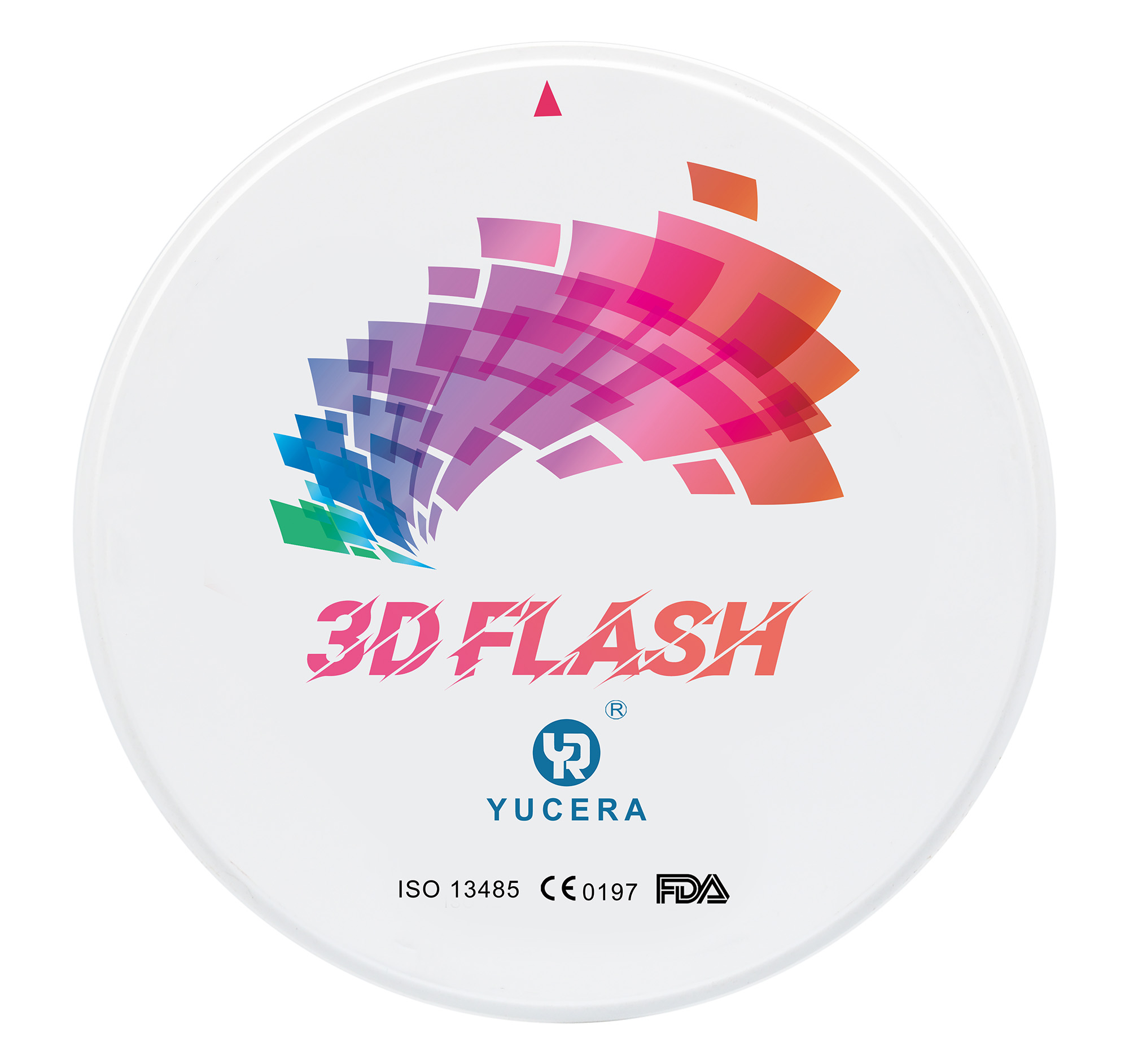
Cover zirconia types (3Y high-strength, 4Y/5Y high-translucency, multilayer), shrinkage (20–25%), and basic anatomy (margins, occlusion, emergence profiles).
Include safety: dust extraction, ergonomics, infection control.
-
Hands-On Equipment Training
-
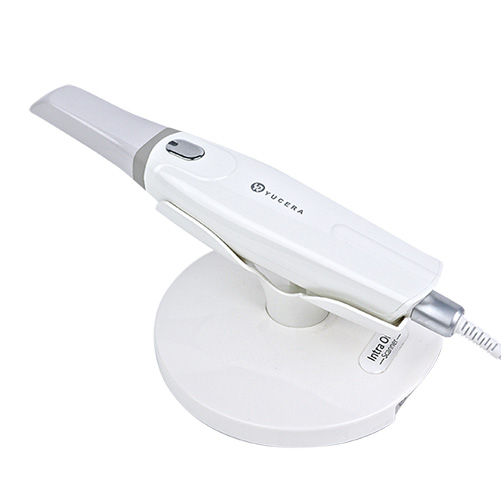
Scanning: Desktop model scanning; focus on clean preparation and artifact avoidance.
-
CAD Design: Margin detection, cement gaps (30–60 μm), occlusion adjustment.
-
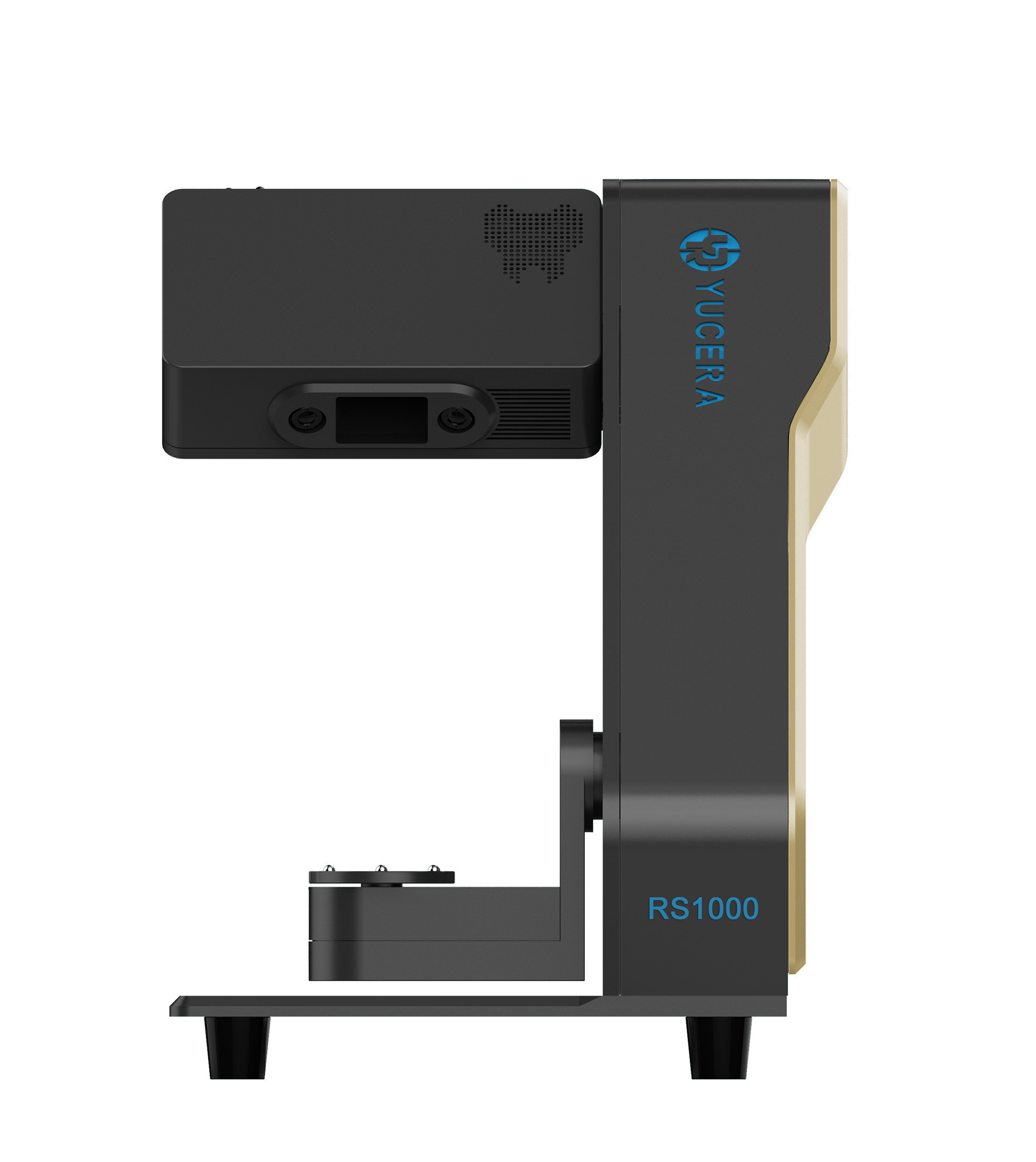
Milling: Nesting (correct orientation), tool strategy, dry zirconia processing.
-
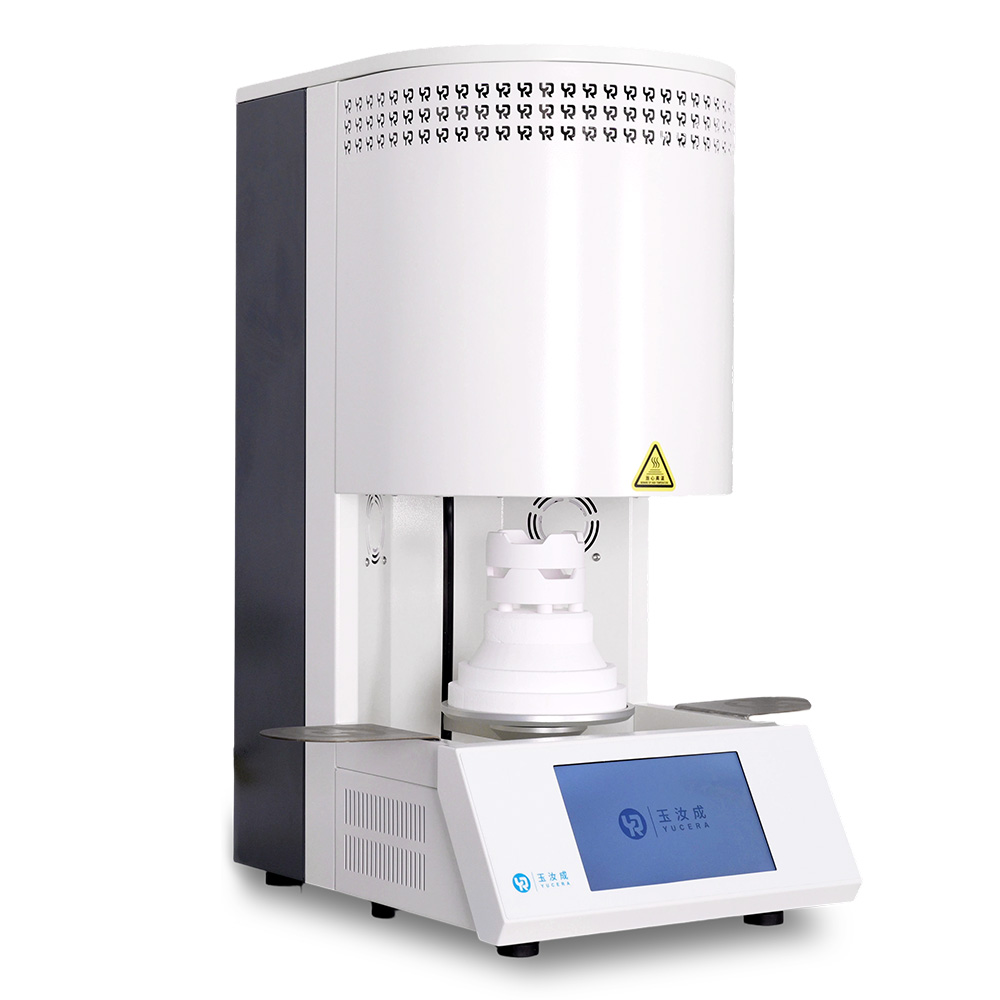
Sintering: Fast-cycle programs (40–90 min), dual-layer loading.
-
Progressive Practice & Feedback Begin with dummy cases → supervised real cases → independent operation.
Target competency after 20–50 cases per module.
-
Ongoing Education Monthly refreshers for software updates; annual skill checks; track remake rates.
South America Market-Specific Guidelines
Brazil (largest market, high tourism volume)
-
Priorities: Fast same/next-day zirconia delivery for private clinics and tourism patients in São Paulo and Rio.
-
Training Focus: Multilayer zirconia nesting (correct orientation to avoid color inversion), fast sintering cycles, and chairside efficiency.
-
Language & Accessibility: Portuguese modules + visual SOPs; short 2–4 week intensive programs.
-
Cost-Effective Approach: Use affordable entry-level scanners and compact mills; leasing common.
-
ROI Emphasis: Train to reduce outsourcing (30–50% cost savings); increase case volume for tourism demand.
Argentina
-
Priorities: Aesthetic demand + cost sensitivity in Buenos Aires and Córdoba.
-
Training Focus: High-translucency/multilayer zirconia for anterior esthetics; precise margin detection.
-
Language & Accessibility: Spanish training with bilingual materials.
-
Cost-Effective Approach: Start with scanner + milling; add sintering later.
-
ROI Emphasis: Minimize labor through automation; target remake rate reduction.
Chile
-
Priorities: Growing private sector in Santiago; focus on implantology and efficiency.
-
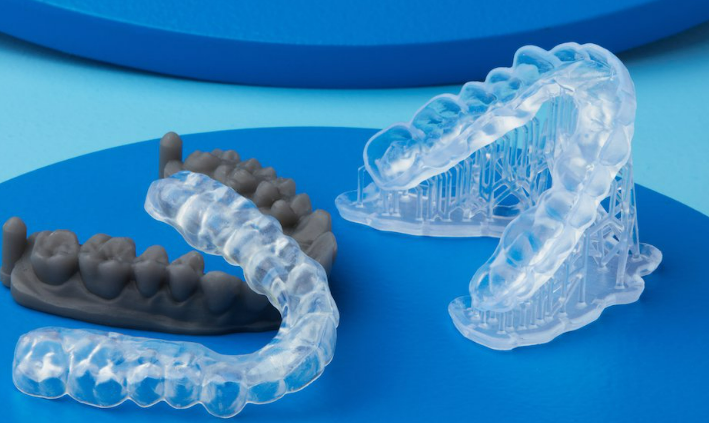
Training Focus: Hybrid workflows (CAD/CAM milling + 3D printed guides/models).
-
Language & Accessibility: Spanish programs; partner with local dental associations.
-
Cost-Effective Approach: Affordable open systems for flexibility.
-
ROI Emphasis: Faster turnaround for implant cases.
General Regional Adaptations
-
Multilingual Teams: Provide training in Spanish and Portuguese; use visual aids and translated manuals.
-
Budget Constraints: Recommend leasing/financing; focus on entry-level equipment (scanner + mill first).
-
Tourism Demand: Train for rapid delivery (same/next-day zirconia); emphasize multilayer for esthetics.
-
Compliance: Teach basic traceability (batch logs, nesting screenshots) to align with local regulations.
Measuring Training Success
-
Metrics: Remake rates (<5–10%), scan/design/milling times, restoration fit acceptance.
-
Regional KPIs: Brazil: case volume increase for tourism; Argentina/Chile: labor cost reduction.
-
Continuous Improvement: Monthly feedback sessions; annual assessments.
Conclusion
In 2026, South American dental staff training on CAD/CAM must be practical, cost-effective, and tourism-oriented. Brazil leads with fast multilayer zirconia workflows; Argentina and Chile emphasize esthetics and efficiency. Structured programs combining theory, hands-on practice, and ongoing education enable small/medium labs and clinics to achieve high precision, reduce remakes by 30–50%, and deliver same/next-day restorations.
By tailoring training to local languages, budgets, and market demands, practices across Brazil, Argentina, Chile, and beyond transform CAD/CAM from a cost into a competitive advantage in South America’s growing digital dentistry landscape.


 中 文
中 文