中 文
中 文

The Ultimate Guide To Dental Equipment That Improves Patient Care
2025-04-12
2026-03-02
In Q2 2026, the UK dental sector continues its rapid shift toward digital workflows, with glass ceramic emerging as the dominant material for anterior aesthetic CAD/CAM restorations. Driven by rising patient demand for natural-looking smiles and the widespread adoption of intraoral scanners and chairside milling, this trend reflects both technological maturity and clinical preference. Private practices across London, Manchester, and Edinburgh report glass ceramic as the go-to choice for veneers, anterior crowns, inlays, and onlays, outperforming alternatives in aesthetics while delivering proven durability.
The broader UK dental CAD/CAM market is expanding steadily. National forecasts indicate a compound annual growth rate (CAGR) of approximately 5–6% for CAD/CAM systems, aligning with global projections that see the overall dental CAD/CAM sector reaching $2.67 billion in 2026. Intraoral scanner penetration now exceeds 65% in private practices, enabling faster, more accurate digital impressions that pair seamlessly with glass ceramic milling. This digital integration supports same-day or next-day restorations, reducing chair time and improving patient satisfaction by 50–70% compared to traditional methods.
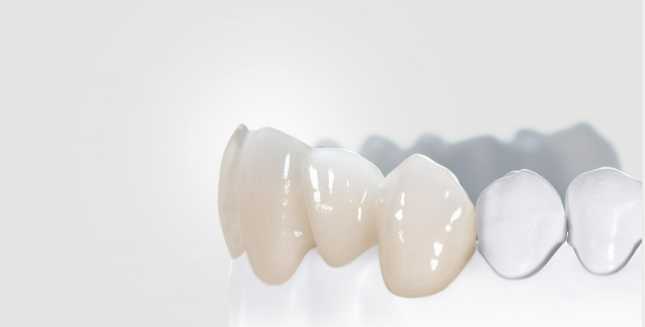
The UK dental industry in early 2026 faces a dual reality: strained NHS services and a booming private cosmetic sector. With over 40% of adults reporting limited access to routine NHS care, private clinics have capitalised on aesthetic demand. Glass ceramic restorations align perfectly with this shift, offering minimally invasive options that preserve natural tooth structure—a priority under current UK guidelines emphasising conservative dentistry.
Europe-wide dental ceramic market data underscores the momentum: the sector is projected to grow from USD 430 million in 2025 to USD 664.93 million by 2033 at a 5.6% CAGR, with CAD/CAM technology as the primary driver. In the UK, glass ceramic accounts for the majority of anterior aesthetic CAD/CAM cases in private settings due to its superior optical properties. NHS specialist centres increasingly adopt these materials for high-visibility premolars, where strength and aesthetics must balance.
Key drivers include an ageing population (19% over 65), rising cosmetic awareness, and regulatory pushes toward mercury-free alternatives. Digital adoption further accelerates the trend: full-arch scans now average 90 seconds with trueness of 14–50 μm, allowing precise CAD/CAM design of glass ceramic restorations that fit with exceptional marginal integrity.
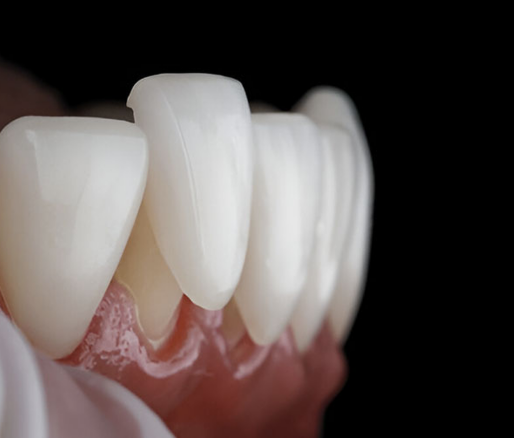
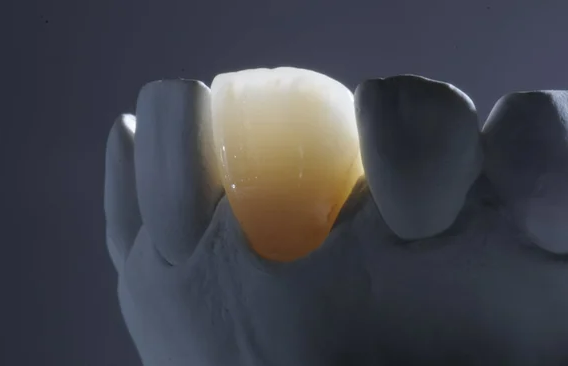
Glass ceramic excels in anterior zones because aesthetics take precedence over raw strength. Its exceptional translucency parameter (TP value of 15–25 at 1 mm thickness) closely matches natural enamel (TP ~16–19), creating lifelike depth, opalescence, and fluorescence under both natural and UV light. This results in restorations that blend seamlessly with adjacent teeth—no greyish show-through or unnatural opacity common in other high-strength materials.
Compared to zirconia, glass ceramic provides superior light transmission and a built-in opalescent blue-white halo at incisal edges. Multi-layer CAD designs replicate the dentin-to-enamel gradient, while stain-and-glaze or cut-back techniques allow custom characterisation. Surface gloss exceeds 200 GU after polishing, delivering a natural “wet” appearance with low plaque affinity.
Flexural strength of 360–500 MPa offers ample durability for anterior and premolar use when adhesively bonded. Proper preparation—hydrofluoric acid etching, silane coupling, and resin cement—doubles effective strength and reduces debonding or fracture risk to under 5% at 10 years. These properties make glass ceramic ideal for:
Zirconia remains preferred for posterior molars with heavy bruxism due to higher load-bearing capacity, but in anterior aesthetic zones, glass ceramic’s optical superiority and predictable shade matching win out. UK clinicians report fewer remakes and higher patient acceptance when using glass ceramic for smile makeovers.
Long-term studies confirm glass ceramic’s reliability. Single-unit anterior crowns achieve survival rates exceeding 95% at 10 years, with excellent marginal integrity and colour stability maintained over 10–15 years when properly cemented. These outcomes stem from the material’s biocompatibility, low thermal conductivity, and resistance to wear on opposing dentition.
In Q2 2026 UK practices, CAD/CAM glass ceramic restorations demonstrate consistent performance across diverse patient profiles. Private clinics in high-demand areas note reduced chairside adjustments thanks to precise milling, while NHS settings value the conservative preparation that aligns with public health priorities. Hybrid workflows—combining intraoral scanning, CAD design, and 3D-printed provisionals—further enhance predictability, cutting overall case costs by 20–40% through fewer appointments and laboratory steps.
Adoption patterns vary by region but consistently favour glass ceramic for anterior aesthetics:
This geographic spread reflects both urban cosmetic demand and broader digital infrastructure growth. Labs in Scotland and Northern Ireland particularly benefit from open-architecture systems that enable cost-effective glass ceramic milling alongside 3D-printed models.
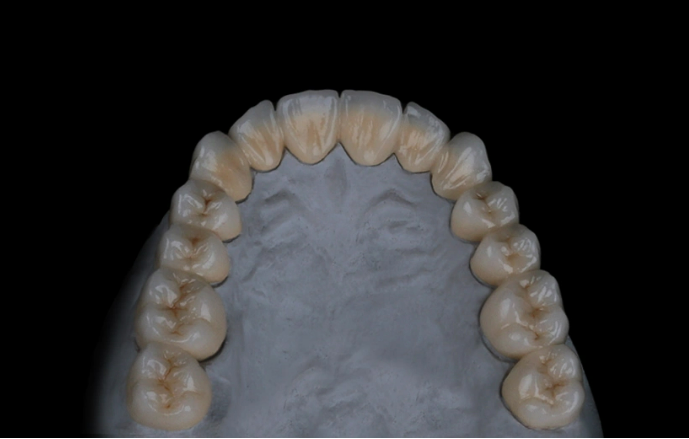
Patients gain lifelike results with minimal tooth reduction—often under 1 mm for veneers—preserving vitality and reducing sensitivity. Same-day options minimise discomfort and eliminate temporary restorations. High polishability and plaque resistance support long-term oral health.
For practices, glass ceramic streamlines workflows: digital files transfer instantly to labs or chairside mills, enabling same- or next-day delivery. Reduced remakes and predictable bonding protocols improve efficiency and profitability. Laboratories appreciate the material’s milling predictability and low waste when paired with 3D-printed surgical guides or provisionals.
Despite dominance, challenges remain. Material cost is higher than basic options, though long-term savings from durability and fewer remakes offset this. Bonding technique sensitivity requires ongoing training—UK dental schools now emphasise adhesive protocols in CAD/CAM curricula.
Occlusal assessment is critical; glass ceramic suits anterior and moderate-load premolars but requires zirconia in heavy bruxism cases. Proper shade communication via digital photography and try-in pastes ensures aesthetic success.
Practices mitigate these by investing in intraoral scanners (now standard in 65%+ of private clinics) and maintaining strict infection control and calibration standards for milling units.
Looking ahead, glass ceramic’s position in anterior aesthetic CAD/CAM is set to strengthen. Integration of AI-assisted design tools will further optimise shade and morphology matching. Continued 3D printing growth (European CAGR 20–26% through 2030) will support hybrid workflows, combining printed temporaries with milled glass ceramic finals.
Regulatory emphasis on sustainability and patient-centred care will favour glass ceramic’s conservative approach. By 2030, UK CAD/CAM penetration is expected to reach 80% in private practices, cementing glass ceramic as the aesthetic benchmark for anterior restorations nationwide.
Q2 2026 marks a defining period for UK dentistry: glass ceramic has firmly established dominance in anterior aesthetic CAD/CAM restorations through unmatched translucency, fluorescence, opalescence, and clinical reliability. With survival rates above 95% at 10 years, flexural strength of 360–500 MPa, and seamless digital integration, it delivers superior patient outcomes while supporting efficient practice workflows.
Clinicians across London, Manchester, Edinburgh, and beyond who embrace this material position themselves at the forefront of modern aesthetic dentistry. As CAD/CAM adoption accelerates and aesthetic expectations rise, glass ceramic remains the material of choice for natural, durable, and patient-pleasing anterior restorations—setting the standard for UK dental excellence in 2026 and beyond.
This trend underscores the power of digital innovation and material science working in harmony. UK dental professionals adopting glass ceramic CAD/CAM solutions today are not only meeting current demands but shaping the future of aesthetic restorative care.

Dry & wet milling for zirconia, PMMA, wax with auto tool changer.
learn more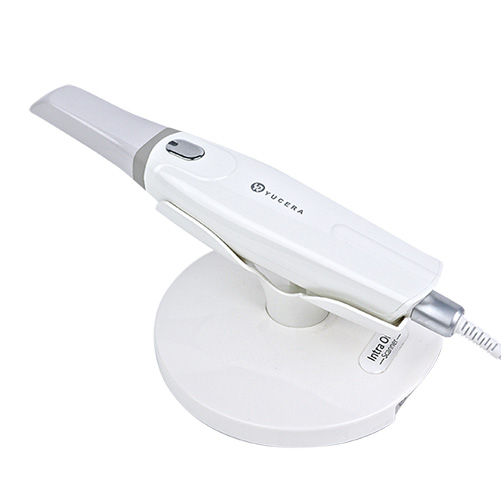
High-precision 3D scanning, AI calibration, full-arch accuracy.
learn more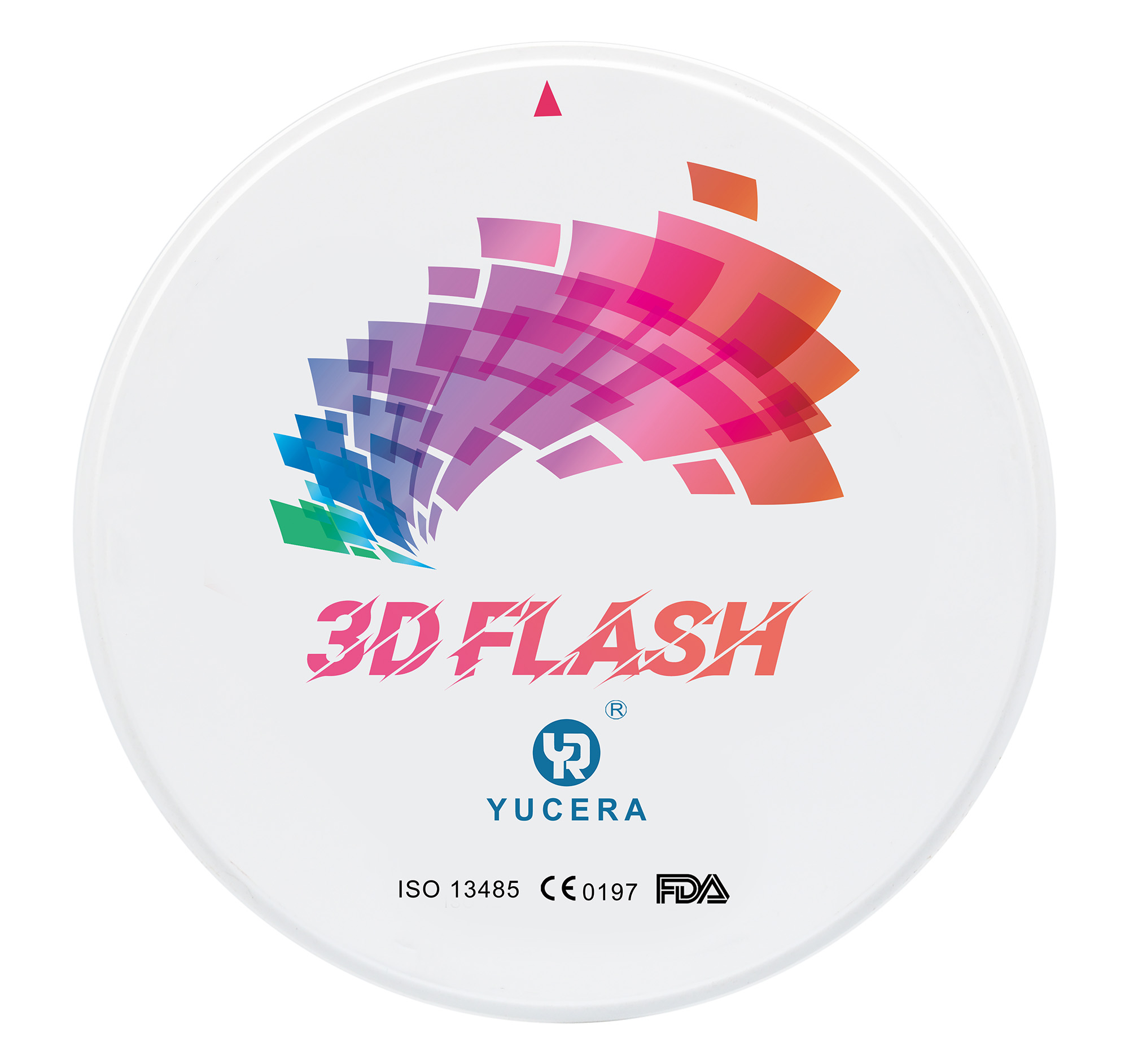
40-min full sintering with 57% incisal translucency and 1050 MPa strength.
learn more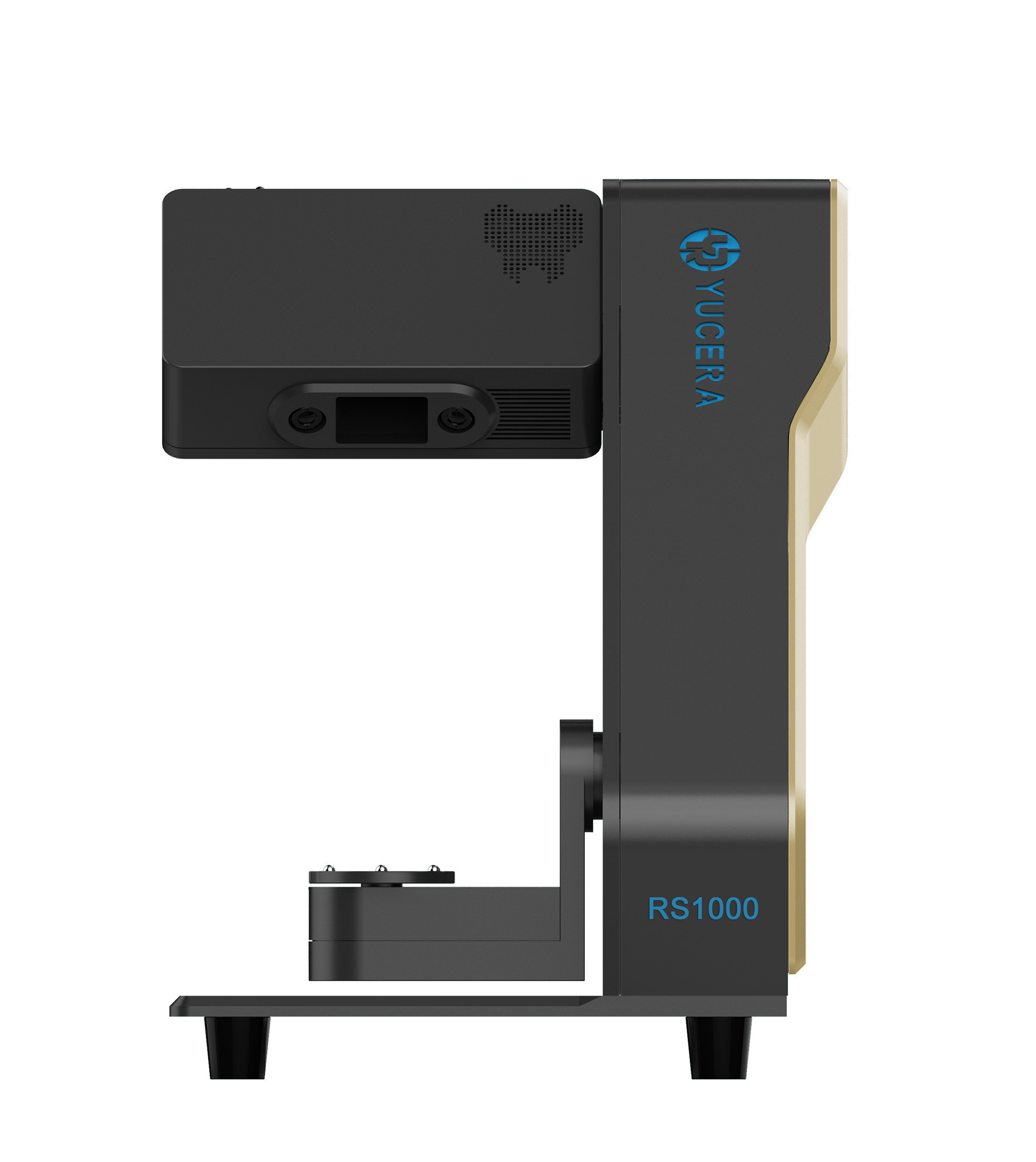
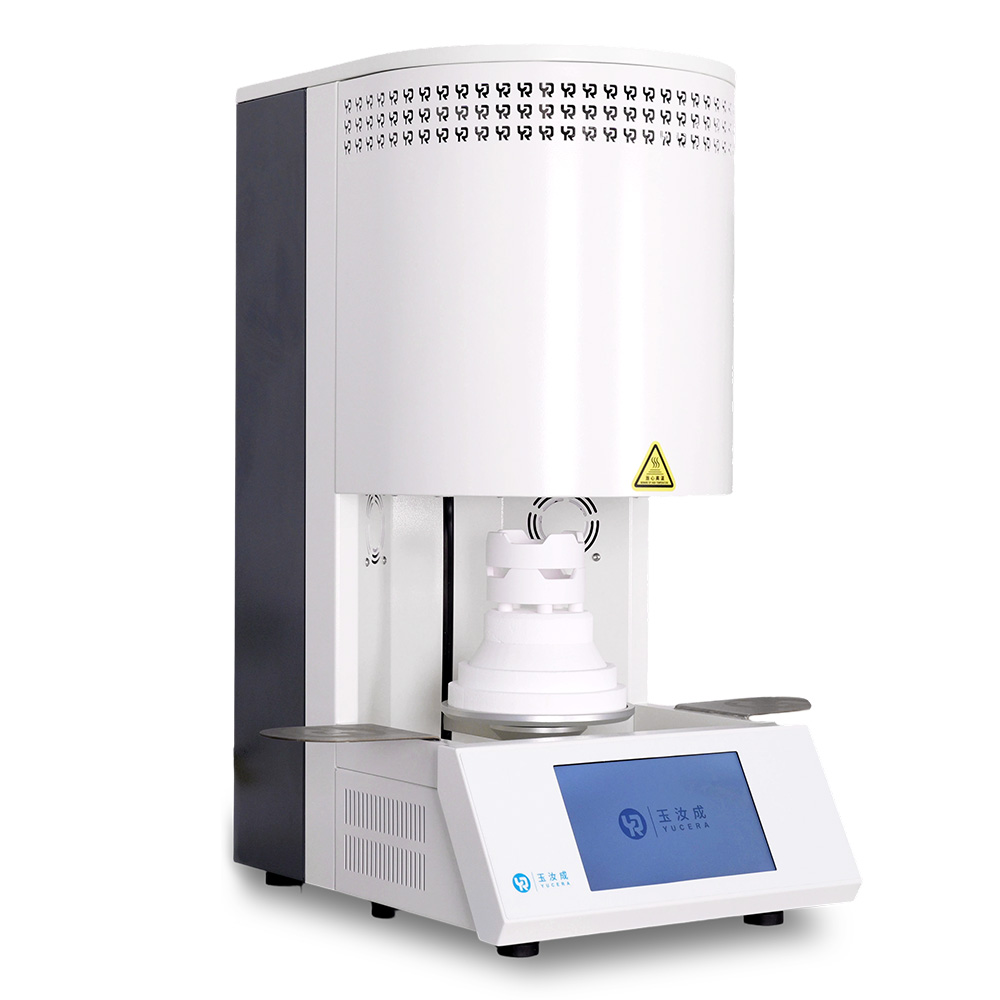
40-min cycle for 60 crowns, dual-layer crucible and 200°C/min heating.
learn more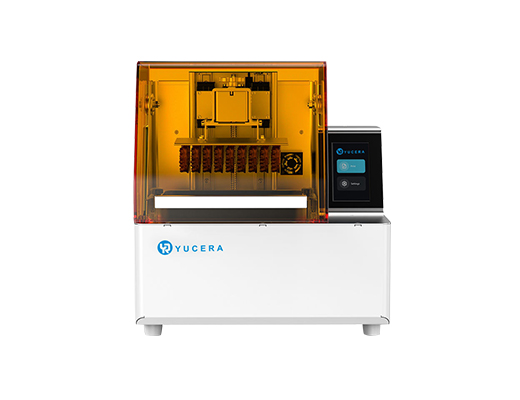
High-speed LCD printer for guides, temporaries, models with 8K resolution.
learn more